How Airless Bottles Work and Why They Matter
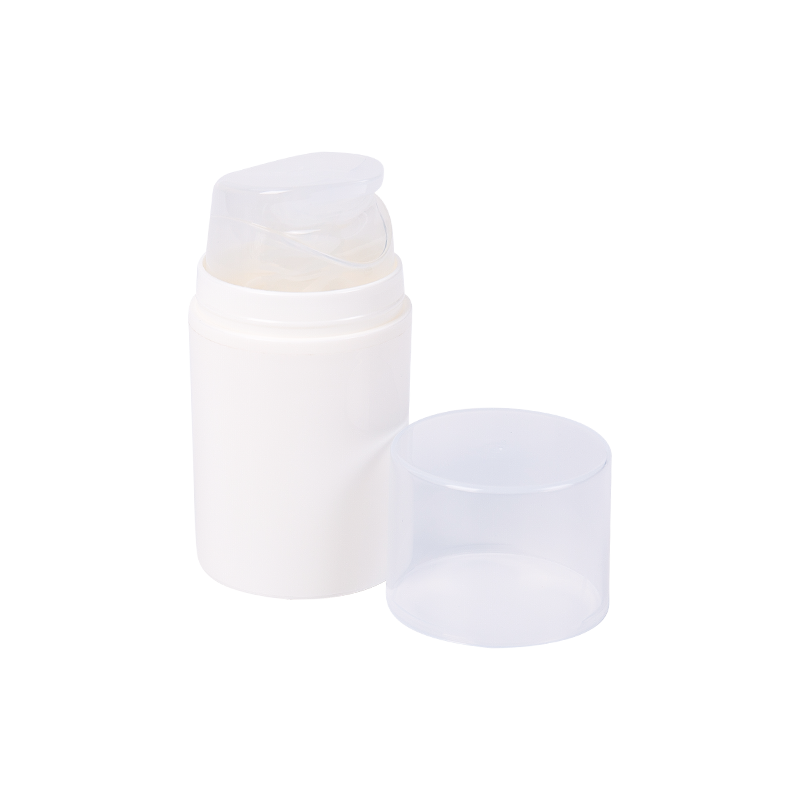
An airless bottle is a specialized packaging system that uses a vacuum pump mechanism to dispense products without allowing air to enter the container. Unlike traditional bottles with dip tubes, the airless pump bottle features a bottom plate that rises as you use the product, creating a vacuum that pushes contents upward. When you press the pump, the mechanism draws product from the bottom while the plate moves up to fill the empty space, ensuring zero air contact with your formula. This design is particularly crucial for skincare products containing active ingredients like retinol, vitamin C, and peptides that degrade when exposed to oxygen.
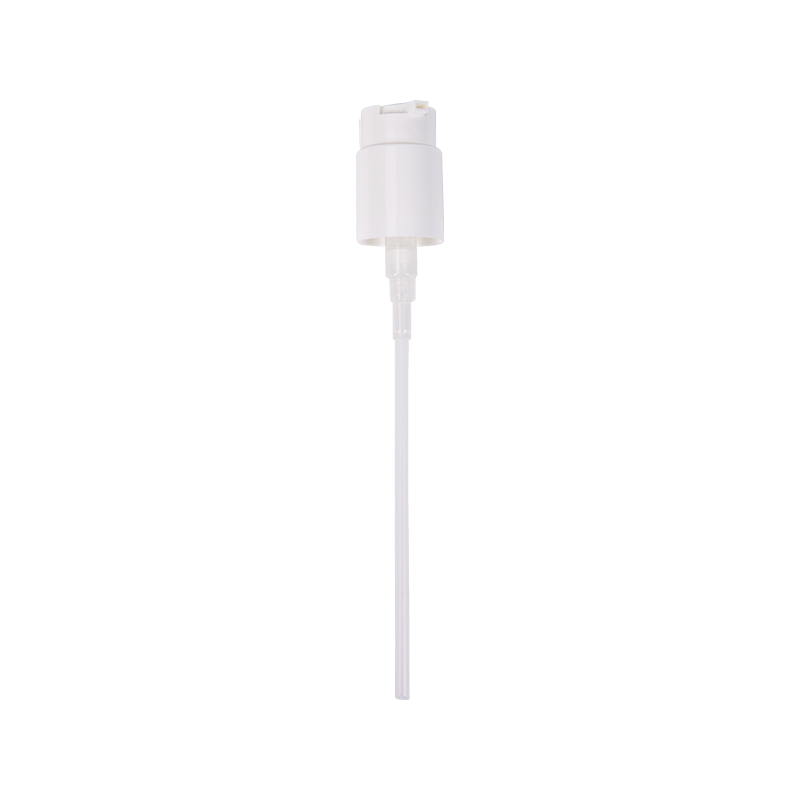
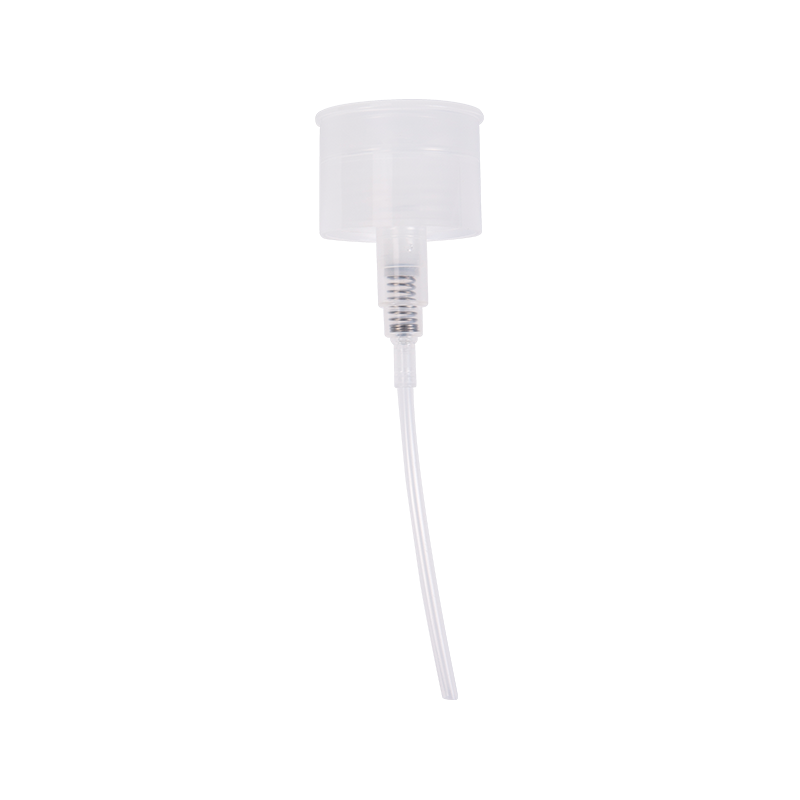
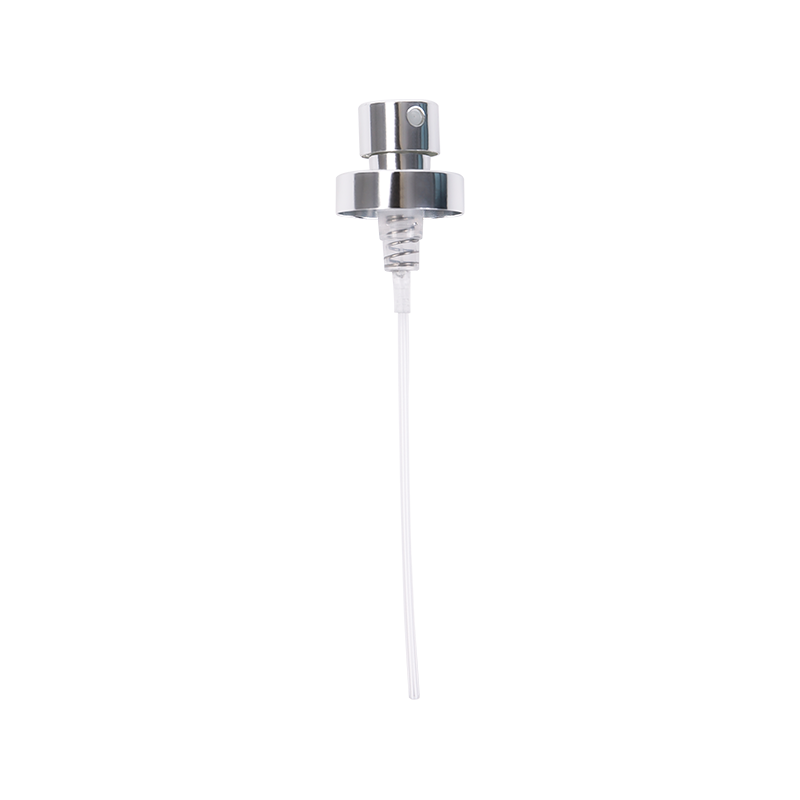
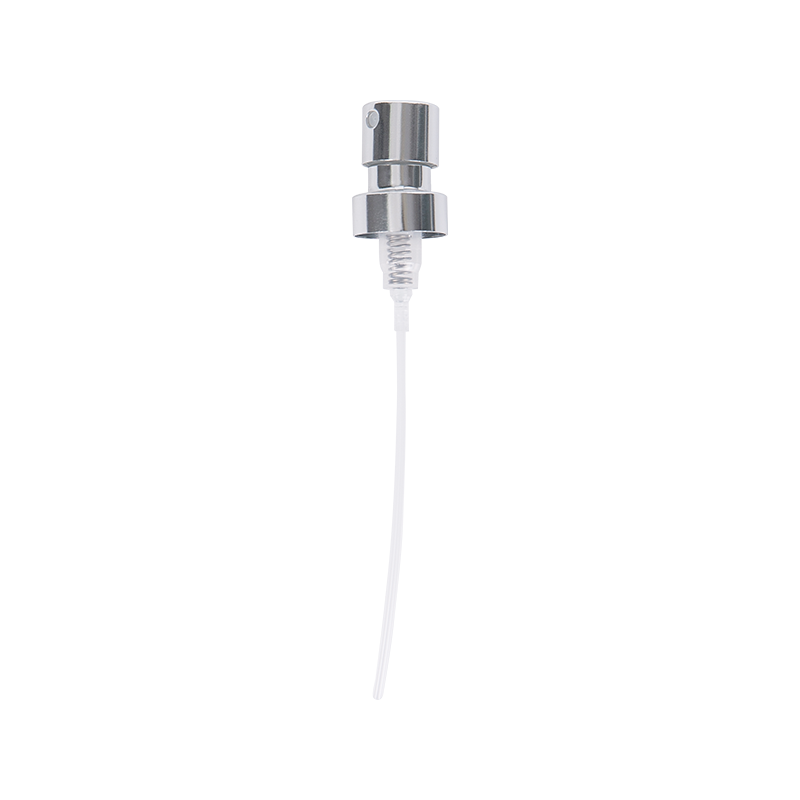
The airless cosmetic container typically consists of four main components: an outer bottle shell, an inner piston or bag, a pump mechanism, and an actuator. The piston system is most common in rigid containers, where a solid disc sits beneath the product and gradually rises with each use. Some advanced airless dispenser bottles use a flexible bag-in-bottle design that collapses as product is dispensed. Both systems achieve the same goal: complete product evacuation without contamination. This means you can use every last drop of your expensive serum without wasting product stuck to the bottle walls.
Key Benefits of Switching to Airless Packaging
The primary advantage of vacuum bottle packaging is product preservation. By eliminating air exposure, airless bottles prevent oxidation, bacterial contamination, and ingredient degradation. This extends shelf life significantly compared to jars or traditional pump bottles. Formulas with natural preservatives or no preservatives at all benefit enormously from this technology. Additionally, the airless skincare packaging design prevents product separation, maintaining the integrity of emulsions and suspensions throughout the product's lifespan. For manufacturers, this means fewer complaints about product quality and longer usable periods after opening.
Hygiene and Product Efficiency Advantages
| Feature |
Traditional Jar |
Standard Pump |
Airless Bottle |
| Air Exposure |
High |
Moderate |
None |
| Contamination Risk |
High (finger contact) |
Low |
Minimal |
| Product Waste |
15-20% |
10-15% |
Less than 5% |
| Shelf Life Extension |
Baseline |
+3-6 months |
+12-18 months |
The hygiene factor cannot be overstated. With traditional jars, every time you dip your fingers into the product, you introduce bacteria, skin cells, and environmental contaminants. The airless pump bottle eliminates this problem entirely by dispensing product without any direct contact. This is especially important for acne-prone skin users or products shared among multiple people. The complete evacuation feature also means you're getting full value for your purchase, with less than five percent product residue compared to fifteen to twenty percent waste in traditional packaging.
Best Products for Airless Bottle Packaging
Not all cosmetics benefit equally from airless technology, but certain product categories see dramatic improvements. Vitamin C serums and retinol treatments top the list because these active ingredients oxidize rapidly when exposed to air, turning brown and losing potency. The airless dispenser bottle maintains their stability and effectiveness throughout the entire usage period. Anti-aging creams with peptides and growth factors also require protection from air exposure to maintain their molecular structure. Natural and organic products with minimal preservatives rely heavily on airless cosmetic container technology to prevent microbial growth without synthetic additives.
Product Types That Benefit Most
- Antioxidant serums containing vitamin C, vitamin E, ferulic acid, and resveratrol that degrade quickly with oxygen exposure
- Retinol and retinoid treatments that lose potency and can cause irritation when oxidized
- Peptide-rich anti-aging creams where protein structures must remain intact for effectiveness
- Natural and preservative-free formulations that need maximum protection from bacterial contamination
- Thick creams and lotions that are difficult to dispense completely from traditional packaging
- Light-sensitive formulas where the opaque airless bottle provides additional UV protection
Choosing the Right Airless Bottle for Your Needs
When selecting an airless pump bottle, consider the viscosity of your product first. Thin serums and liquids work well with standard pump mechanisms and smaller orifice sizes, typically dispensing 0.5 to 1 milliliter per pump. Thicker creams and balms require larger pump mechanisms with wider channels to prevent clogging and ensure smooth dispensing. The bottle capacity should match your usage patterns; 15 to 30 milliliter sizes are ideal for facial serums used twice daily, while 50 to 100 milliliter containers suit body lotions or products used less frequently. Material choice matters too: PETG and acrylic offer clarity for product visibility, while opaque PP or ABS provides better light protection for photosensitive ingredients.
Important Selection Criteria
- Check the pump mechanism quality by testing the actuation force; it should require 2 to 3 pounds of pressure for comfortable repeated use without causing finger fatigue
- Verify the piston seal integrity to ensure no product leakage occurs when the bottle is stored horizontally or inverted during travel
- Look for bottles with removable pumps if you plan to refill or recycle the container, as this extends the packaging lifecycle
- Consider the base design; a wide, flat bottom prevents tipping while a narrow profile fits better in travel bags and bathroom cabinets
- Ensure compatibility between your formula and the bottle material to prevent chemical interactions that could degrade the product or container
Proper Usage and Maintenance Tips
Using an airless skincare packaging system correctly maximizes its benefits and prevents common issues. Before first use, prime the pump by pressing it repeatedly until product appears; this may take ten to fifteen pumps as the mechanism draws product from the bottom. Never force the pump if it feels stuck, as this can damage the internal mechanism. Instead, check that the piston is moving freely and that product hasn't dried in the nozzle. Clean the pump head weekly by wiping with a damp cloth to prevent product buildup that could harbor bacteria. If the pump stops dispensing before the bottle is empty, the piston may have become misaligned; gently tapping the bottle base on a counter can sometimes reset the mechanism.
Troubleshooting Common Issues
- If product dispenses unevenly or sprays sideways, the actuator may be loose; press it firmly back into place or replace if damaged
- When the pump feels loose or doesn't return to position, the spring mechanism may be worn; this typically indicates end of life and requires replacement
- If air bubbles appear in the dispensed product, the bottle may have been stored upside down; return to upright position and prime the pump again
- For thick products that dispense slowly, warm the bottle in your hands for thirty seconds to reduce viscosity before pumping
- When traveling, secure the pump with a small piece of tape or use bottles with locking mechanisms to prevent accidental dispensing in luggage



 中文简体
中文简体