Glass perfume bottles have been treasured for centuries — not just as containers for fragrance, but as decorative objects and collectibles in their own right. Whether you're looking for a refillable travel flacon, a statement piece for your vanity, or a vintage crystal bottle to add to your collection, understanding what sets different glass perfume bottles apart will help you make a smarter, more satisfying choice.
Why Glass Is the Preferred Material for Perfume Bottles
Glass has been the dominant material for perfume bottles for good reason. Unlike plastic, glass is chemically inert, meaning it does not react with the aromatic compounds in a fragrance. This preserves the scent's original composition over time, preventing unwanted chemical changes that can alter or degrade the perfume. High-quality glass perfume bottles also create an airtight seal when paired with proper caps or atomizer mechanisms, protecting the fragrance from oxidation and evaporation.
Beyond function, glass offers unmatched aesthetic versatility. It can be clear, frosted, colored, etched, or hand-painted. It can be molded into virtually any shape — from sleek minimalist rectangles to elaborate sculptural forms. This combination of practicality and beauty is why luxury perfume houses, independent perfumers, and everyday consumers alike continue to choose glass fragrance bottles.
Types of Glass Perfume Bottles You Should Know
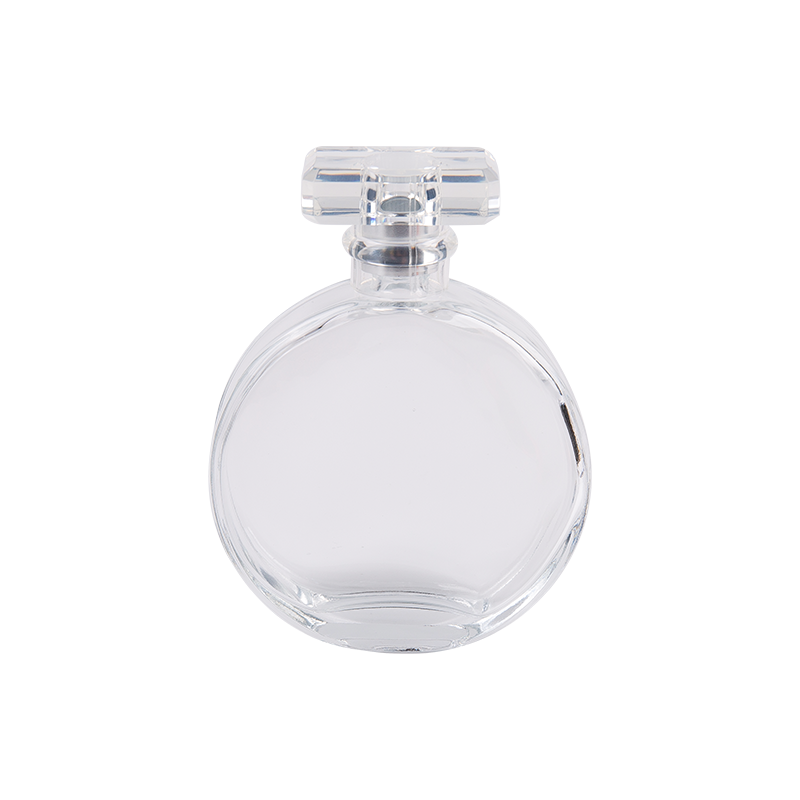
Not all glass perfume bottles are the same. They differ in glass composition, closure type, design style, and intended use. Here's a breakdown of the most common types:
Spray Atomizer Bottles
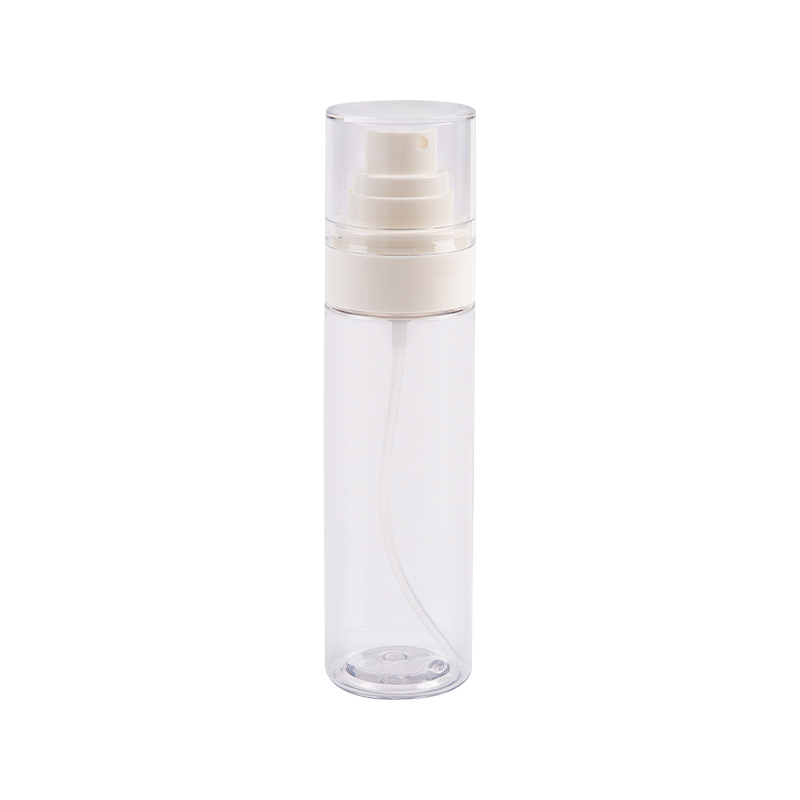
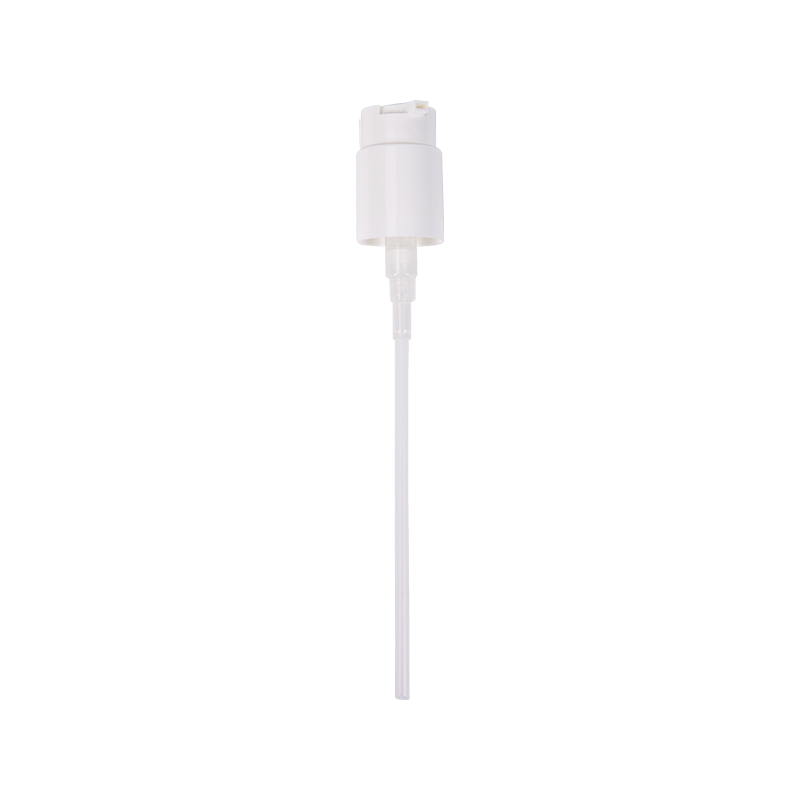
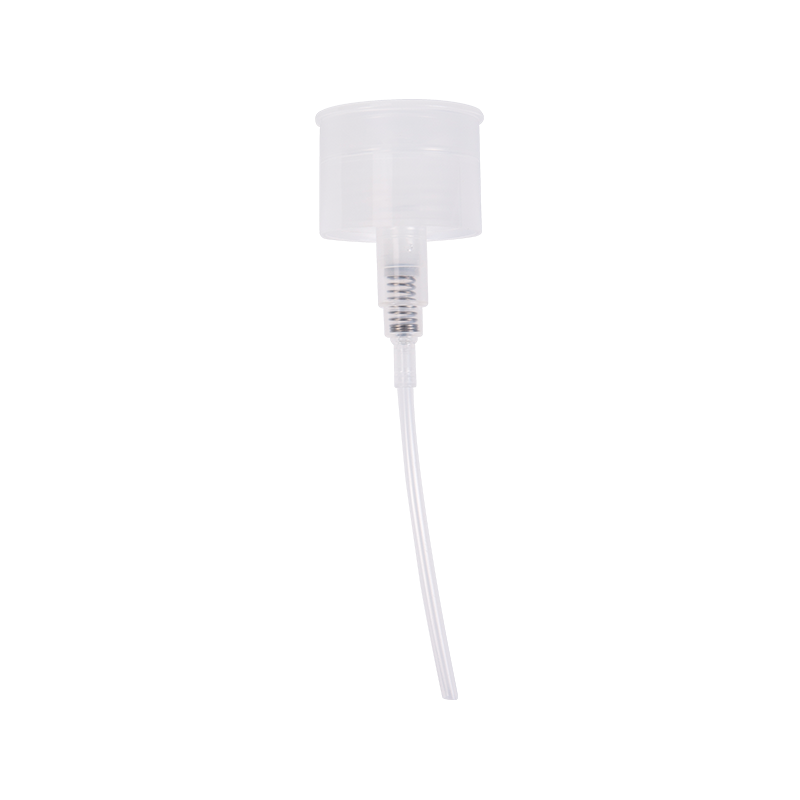
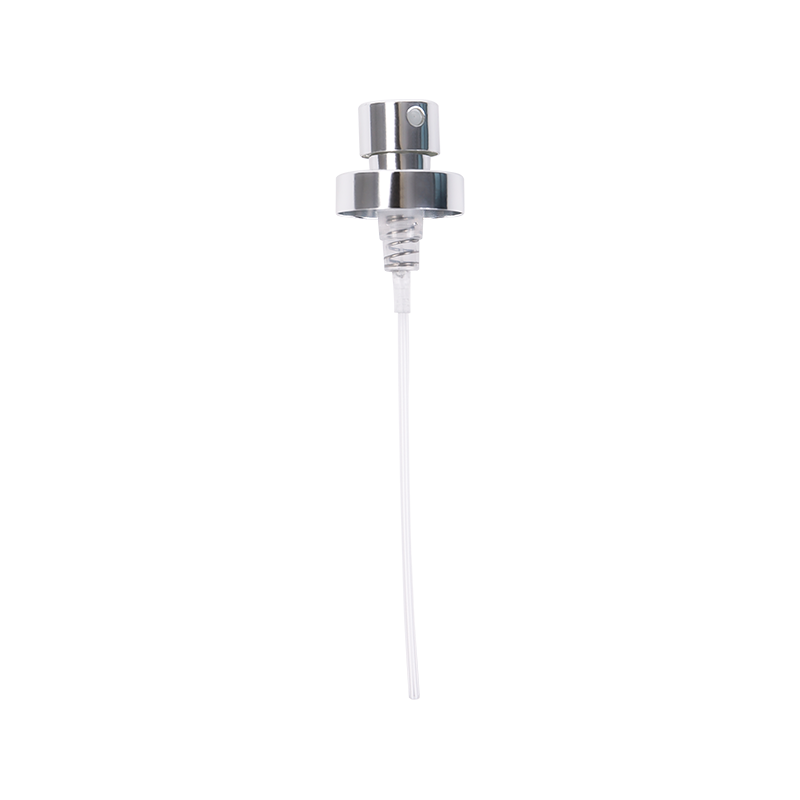
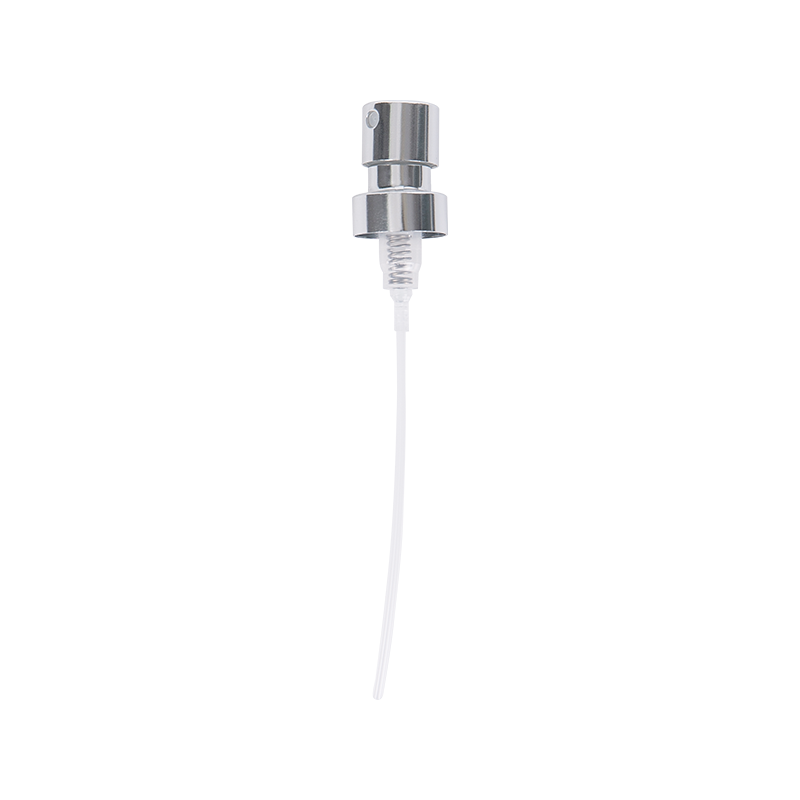
These are the most widely used type today. A pump mechanism dispenses a fine, even mist of fragrance, which is ideal for applying perfume without touching the nozzle to your skin. Most modern designer and niche perfume bottles on retail shelves are spray atomizers. The pump mechanism is typically made from metal or plastic but sits atop the glass body without affecting the purity of the fragrance inside.
Stopper or Splash Bottles
These classic glass perfume bottles feature a ground-glass or decorative stopper rather than a pump. You apply the fragrance by dabbing or pouring. This traditional style is popular in vintage and collector bottles, as well as in pure perfume (parfum) concentrations where a small amount goes a long way. Many high-end and artisanal perfumers still release limited editions in stopper bottles for their aesthetic appeal.
Crystal Perfume Bottles
Crystal perfume bottles are made from lead crystal or lead-free crystal glass, which has a higher refractive index than standard glass. This makes them sparkle and catch the light beautifully. Brands like Lalique, Baccarat, and Swarovski are closely associated with luxury crystal perfume bottle craftsmanship. These are often as much decorative objects as functional containers and make popular gifts and collector's items.
Vintage and Antique Perfume Bottles
Vintage glass perfume bottles — typically from the early to mid-20th century — are highly sought after by collectors. Look for hallmarks of period craftsmanship: hand-blown glass, molded Art Deco motifs, gilded stoppers, and maker's marks from glass houses such as René Lalique, DeVilbiss, and Czechoslovakian glass workshops. Authentic vintage bottles are distinguished by minor asymmetries, pontil marks on the base, and the weight of older glass formulations.
Refillable and Travel Perfume Bottles
Compact refillable glass perfume bottles are designed for portability. Many feature a simple screw or magnetic cap and a small pump or rollerball applicator. These are practical for travel and daily use, letting you carry your favorite fragrance without bringing the full-size bottle. Look for ones with a silicone seal to prevent leaks in luggage.
How to Choose the Right Glass Perfume Bottle
Choosing the right perfume glass bottle depends on how you plan to use it. Consider the following factors before buying:
- Purpose: Are you buying it to display on a vanity, to refill and use daily, to travel with, or to add to a collection? Each use case calls for a different type of bottle.
- Glass quality: Standard soda-lime glass is durable and affordable. Borosilicate glass is more heat-resistant. Crystal glass offers superior clarity and brilliance but is more fragile.
- Closure type: Pump atomizers are convenient for daily use. Stoppers suit display and dabbing perfumes. Screw caps or magnetic closures work best for travel.
- Size and capacity: Perfume bottles typically range from 5ml travel sizes to 200ml or more for large editions. Consider how quickly you use fragrance and whether you prefer variety or a long-lasting supply of one scent.
- Neck diameter: If you're buying an empty glass perfume bottle to fill yourself, make sure the neck opening is compatible with your filling funnel or the transfer mechanism of your perfume supply.
Comparing Common Glass Perfume Bottle Types at a Glance
This table summarizes the main differences between the most popular types of glass fragrance bottles to help you compare at a glance:
| Bottle Type |
Best For |
Typical Glass |
Closure |
Price Range |
| Spray Atomizer |
Daily use |
Soda-lime |
Pump spray |
$ – $$$ |
| Stopper Bottle |
Parfum, display |
Soda-lime / crystal |
Ground-glass stopper |
$$ – $$$$ |
| Crystal Bottle |
Gifting, collecting |
Lead-free crystal |
Stopper or spray |
$$$ – $$$$$ |
| Vintage Bottle |
Collecting, décor |
Varies (hand-blown) |
Ornate stopper |
$$ – $$$$$ (antique) |
| Travel / Refillable |
Portability |
Borosilicate |
Screw cap / magnetic |
$ – $$ |
How to Fill and Refill Glass Perfume Bottles Safely
If you've purchased empty glass perfume bottles to decant a fragrance, or you're refilling a travel atomizer, doing it correctly matters. Improper filling can introduce air, cause contamination, or damage the bottle's pump mechanism.
- Use a small funnel or decanting tool: Most perfume houses and online fragrance retailers sell dedicated perfume transfer funnels or decanting tubes that insert directly into the neck of a spray bottle, bypassing the pump mechanism entirely.
- Work slowly: Pour or transfer fragrance in small amounts to avoid spillage, especially with narrow-neck decorative perfume bottles.
- Avoid overfilling: Leave a small air gap at the top of the bottle. This allows the pump dip tube to work correctly and prevents pressure buildup.
- Store upright after filling: Always keep glass fragrance bottles upright to prevent leakage around the cap or pump collar, especially with alcohol-based perfumes that can dissolve adhesive seals over time.
Cleaning and Caring for Glass Perfume Bottles
Proper care keeps your glass perfume bottles looking their best and ensures they function well over time, particularly if you reuse or collect them.
Cleaning an Empty Bottle
To remove residual fragrance and prepare a bottle for reuse, rinse it several times with isopropyl alcohol (70% or higher). Avoid using water alone, as water doesn't dissolve fragrance oils and can cause residue to stick. After rinsing with alcohol, allow the bottle to air-dry upside down on a clean cloth for at least 24 hours before refilling.
Caring for Crystal and Decorative Bottles
Crystal perfume bottles and ornate decorative bottles should never go in the dishwasher. Hand-wash with mild soap and lukewarm water only, and dry immediately with a soft, lint-free cloth to prevent water spots on the glass surface. Avoid harsh chemicals or abrasive materials that can scratch or cloud the crystal.
Long-Term Storage
Store glass perfume bottles away from direct sunlight and heat sources. UV light and heat degrade fragrance compounds even through glass. A cool, dark drawer or display cabinet is ideal. For collector's bottles, consider acid-free tissue wrapping to prevent scratches when stored together.
Collecting Glass Perfume Bottles: Where to Start
Collecting decorative and antique glass perfume bottles is a rewarding hobby with a rich history. The range of styles — from Art Nouveau hand-blown flacons to mid-century Czech pressed-glass bottles — means there's something to suit every taste and budget.
Start by focusing on a particular era, style, or manufacturer to give your collection a coherent theme. Popular collecting categories include:
- Lalique bottles: René Lalique designed some of the most iconic perfume bottle forms of the 20th century for houses like Coty and Worth. Original Lalique bottles from the 1910s–1930s are among the most valuable on the collector's market.
- Czech glass bottles: Bohemian and Czechoslovakian glass workshops produced vast quantities of intricately molded colored glass perfume bottles between the 1920s and 1940s, many of which are still affordable for beginning collectors.
- Atomizer bottles: DeVilbiss and other American makers produced beautiful metal-and-glass atomizer perfume bottles in the 1920s–1950s with hand-painted glass bodies and ornate brass fittings.
- Commercial vintage bottles: Bottles from iconic fragrances like Chanel No. 5, Shalimar by Guerlain, or Joy by Jean Patou in their original vintage presentations are widely collected and relatively easy to source through auction houses and specialist dealers.
Good sources for collector-grade glass perfume bottles include estate sales, antique fairs, specialist dealers, and auction platforms. Always verify authenticity before purchasing high-value pieces, and look for bottles with their original stoppers and minimal chips or repairs, as condition significantly affects value.
Glass Perfume Bottles as Gifts and Home Décor
Beyond personal use and collecting, decorative glass perfume bottles make exceptional gifts and home décor accents. A well-chosen crystal perfume bottle on a vanity or dressing table adds elegance and a personal touch. Many homeware and gift retailers now offer beautifully designed empty glass fragrance bottles specifically marketed as decorative objects — some with gold-leafed details, colored glass bodies, or hand-etched patterns.
When gifting a glass perfume bottle, consider pairing it with a small decant of a fragrance you know the recipient loves, or choose a refillable bottle that gives them the flexibility to fill it themselves. Personalized or engraved glass perfume bottles are also a popular choice for wedding gifts, milestone birthdays, and other special occasions.



 中文简体
中文简体