What Makes a Good Lotion Bottle for Everyday Use?
A well-designed lotion bottle does more than just hold your favorite moisturizer—it needs to dispense the right amount without mess, protect the formula from air and contamination, and feel comfortable in your hand during daily use. The best plastic lotion container balances functionality with durability, using materials that won't crack when dropped or degrade when exposed to bathroom humidity. Look for bottles with smooth-operating pumps that deliver consistent dosing, secure caps that prevent leaks during travel, and clear labeling areas that won't peel or fade after repeated handling. For home use, a 200ml to 500ml pump lotion bottle with a wide base offers stability on countertops, while travel-sized lotion bottles under 100ml meet airline carry-on requirements and fit easily in toiletry bags.
Types of Lotion Bottles and When to Use Each
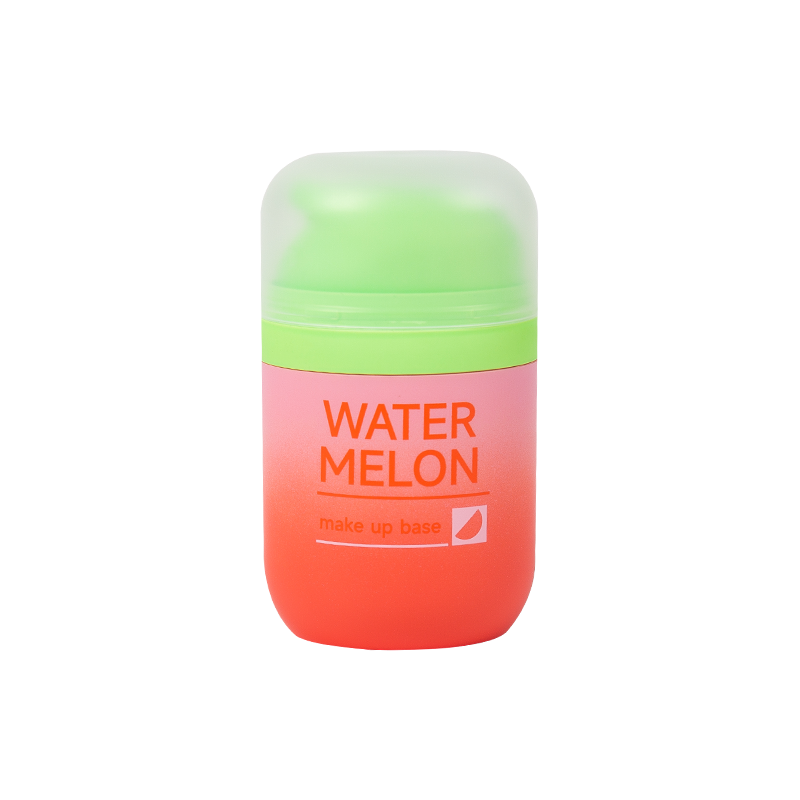
Not all cosmetic lotion dispensers work the same way, and choosing the right closure system depends on your product's thickness, usage frequency, and target audience. Standard pump bottles are ideal for medium-viscosity lotions and hand creams, delivering measured doses with one-handed operation. Flip-top caps work well for thinner body lotions that pour easily, while disc-top closures offer a clean, minimalist look for premium skincare lines. For formulas sensitive to oxidation—like vitamin C serums or retinol creams—an airless lotion bottle with a vacuum piston system keeps ingredients fresh by preventing air from entering the container as product is dispensed. Squeeze lotion bottles remain popular for thick balms or ointments where users prefer to control pressure and flow manually.
Pump Mechanisms Explained: Standard vs. Locking vs. Fine Mist
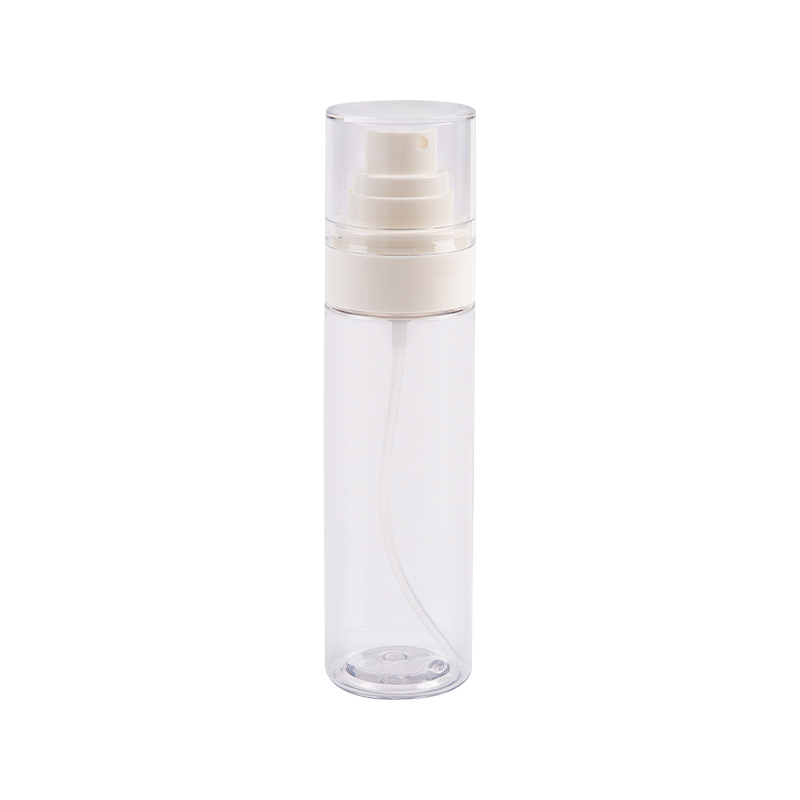
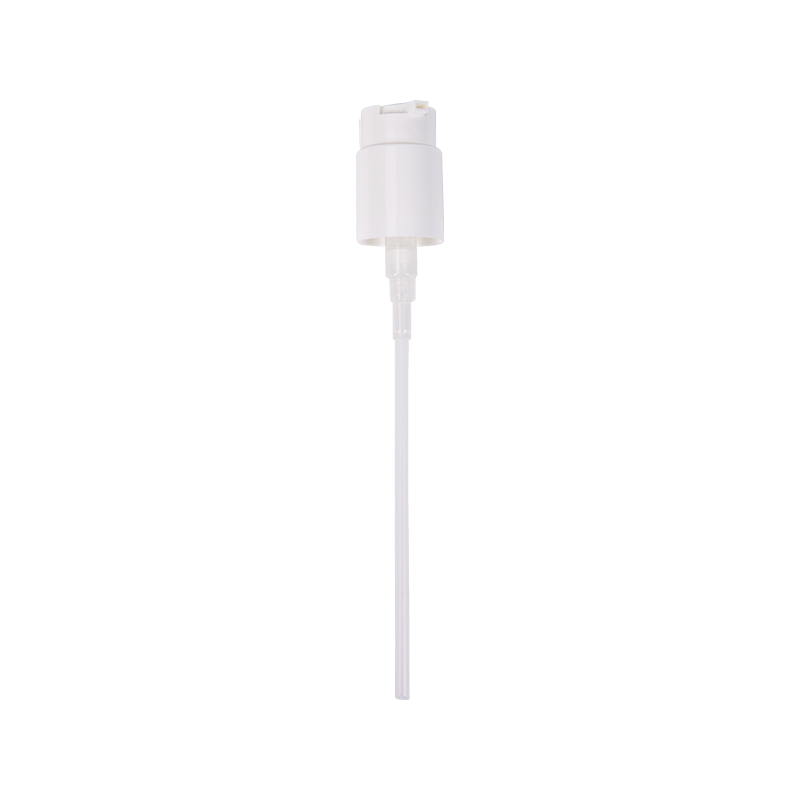
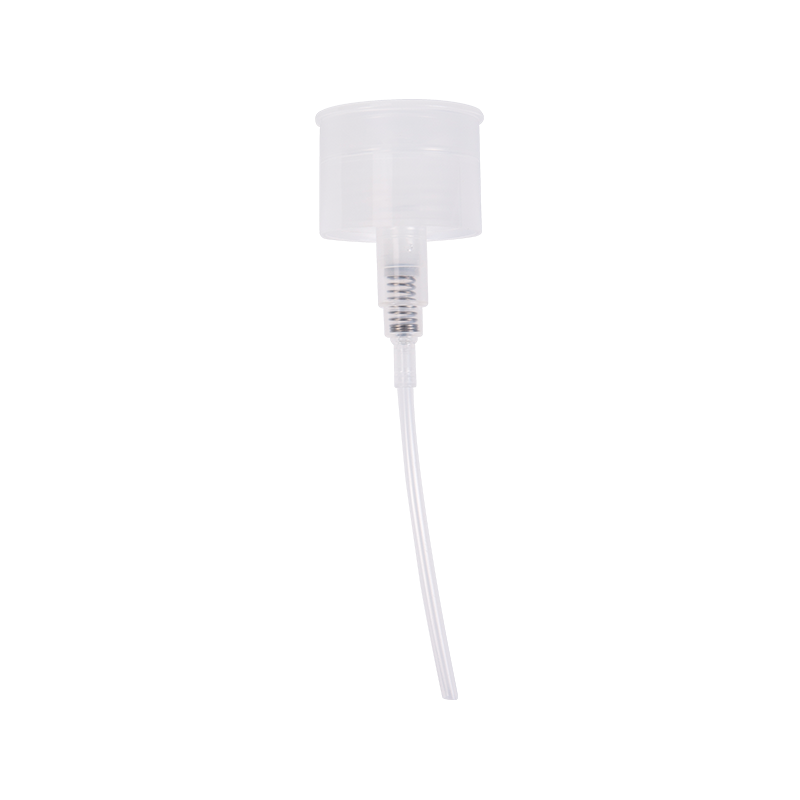
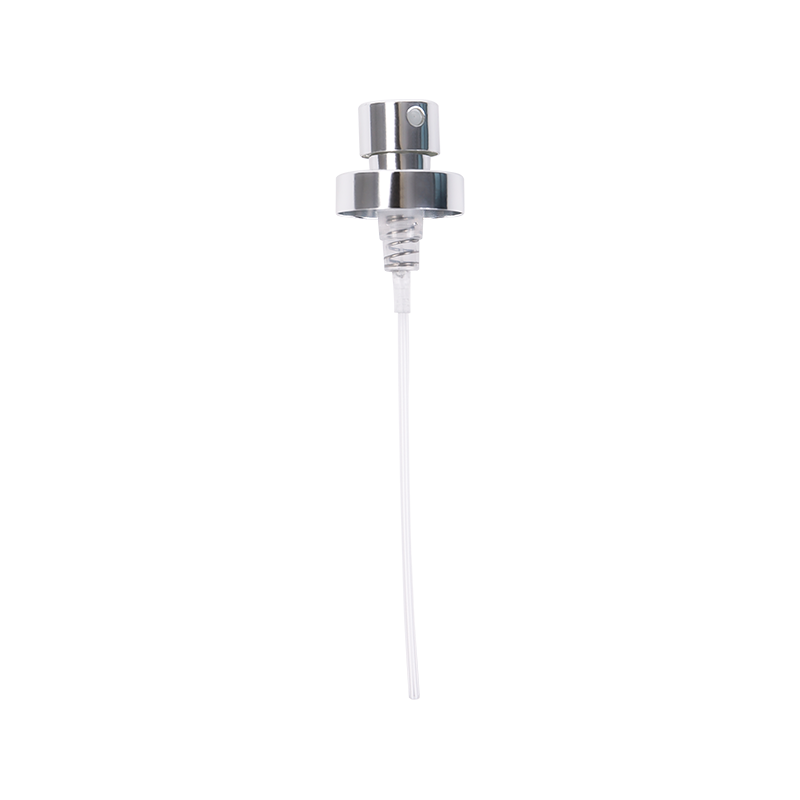
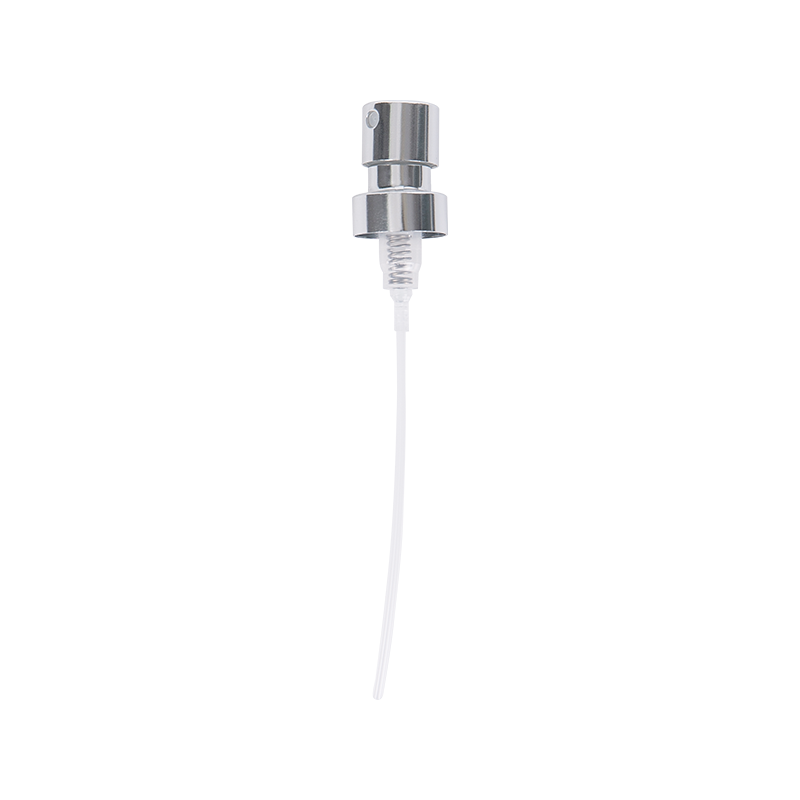
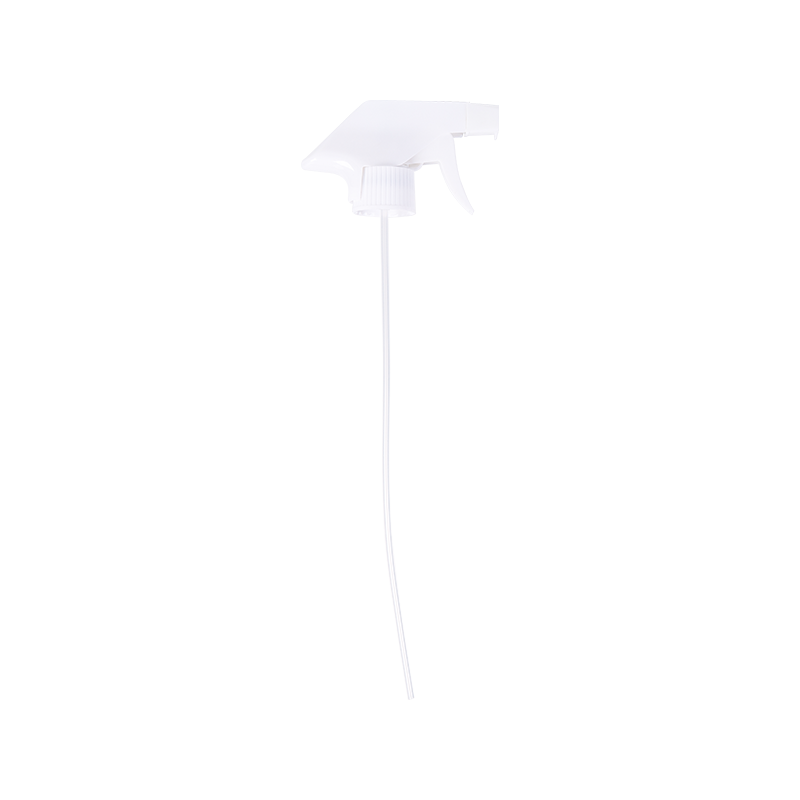
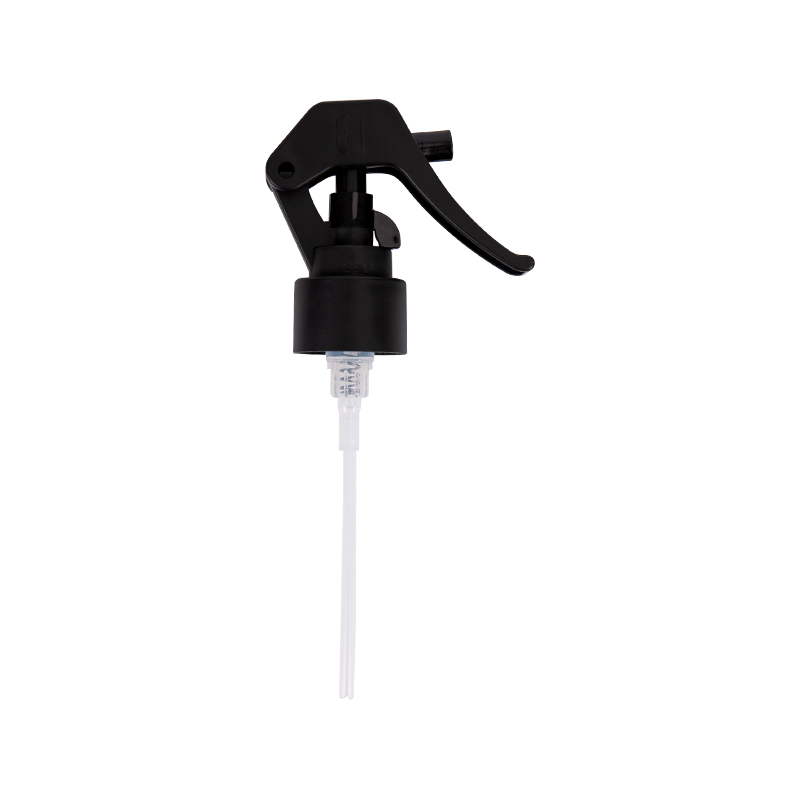
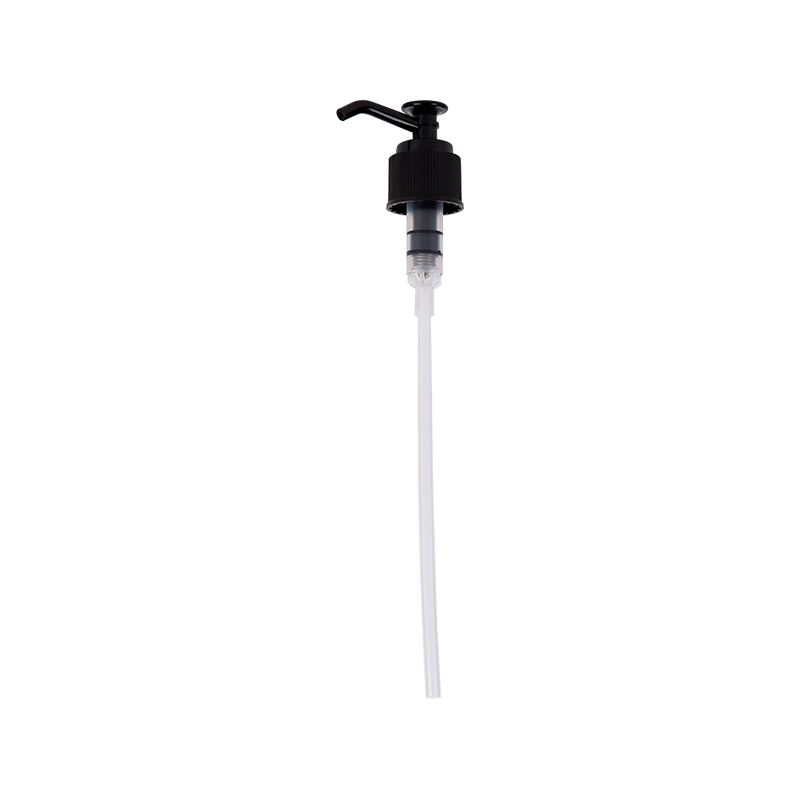
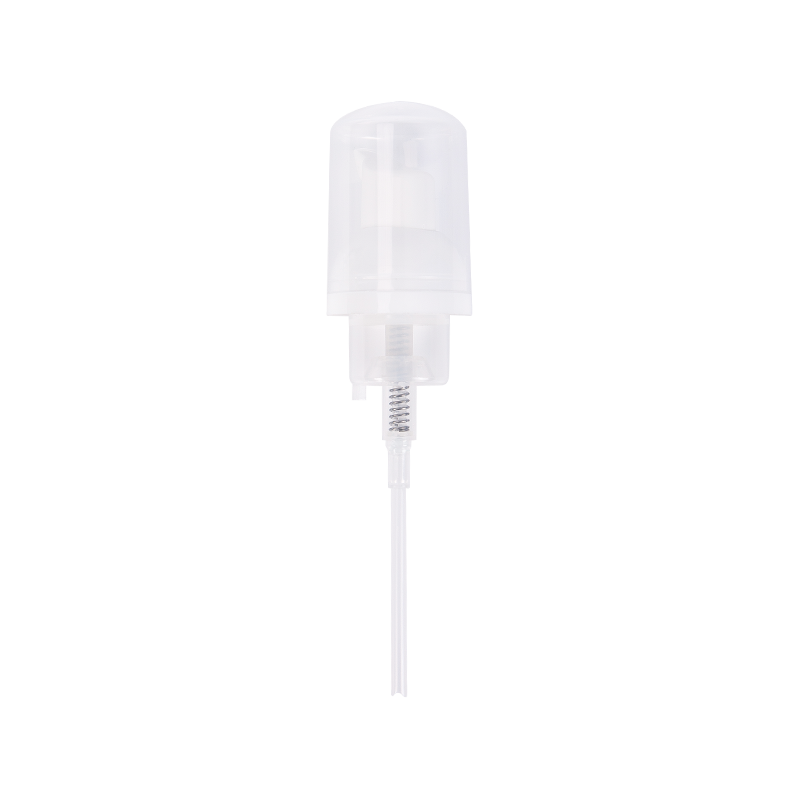
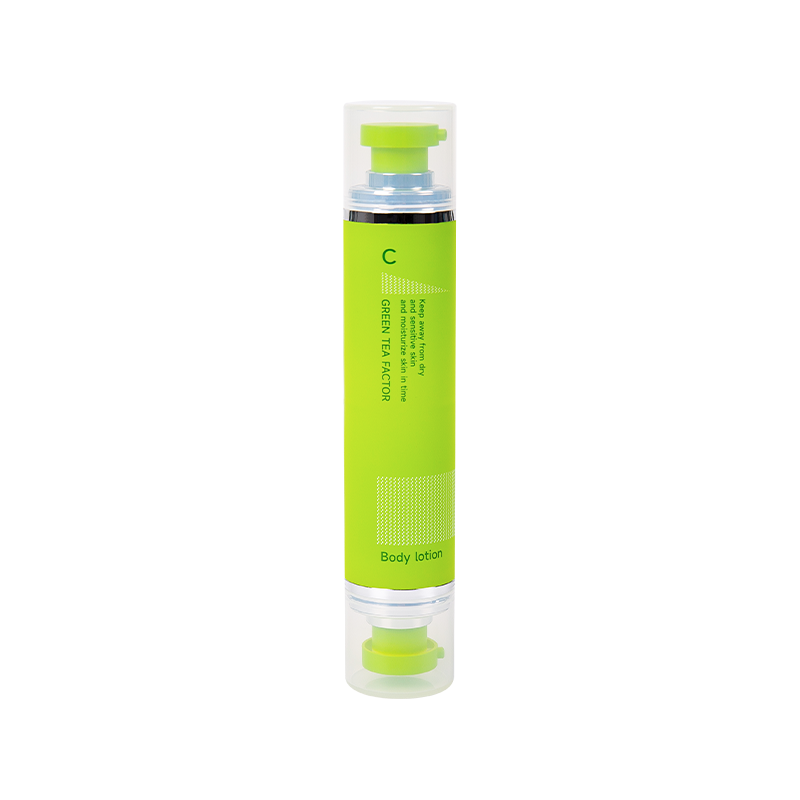
The pump assembly is the heart of any pump lotion bottle, and small differences in design significantly impact user experience. Standard pumps use a simple spring-loaded piston that draws product up through a dip tube; these work reliably for most lotions but can leak if the bottle tips over. Locking pumps add a twist-to-lock collar that prevents accidental dispensing during transport—a must-have feature for travel-sized lotion bottles. Fine-mist pumps, more common with toners or light serums, atomize liquid into a gentle spray rather than a dollop. When sourcing bottles, verify the pump's output per stroke (typically 0.2ml to 1.5ml) matches your product's intended usage, and confirm the dip tube length can be trimmed to fit your bottle height without leaving unused product at the bottom.
Material Choices: PET, HDPE, PP, and Glass
The material of your personal care lotion container affects everything from product compatibility to sustainability credentials. HDPE (high-density polyethylene) is lightweight, chemical-resistant, and opaque—ideal for protecting light-sensitive formulas while keeping shipping costs low. PET (polyethylene terephthalate) offers crystal clarity for showcasing product color and texture, plus excellent barrier properties against moisture and gases. PP (polypropylene) handles higher temperatures well, making it suitable for hot-fill processes or products stored in warm environments. Glass lotion bottles deliver a premium, luxe feel and are infinitely recyclable, but they add weight and breakage risk. For eco-conscious brands, consider post-consumer recycled (PCR) resin options in any of these plastics, or explore refillable lotion bottle systems that let customers reuse the outer shell while replacing inner pouches or cartridges.
| Material |
Best For |
Key Advantage |
Consideration |
| HDPE |
Body lotions, sunscreens, thick creams |
Chemical resistance, lightweight |
Opaque—can't see product level |
| PET |
Clear serums, gel lotions, premium lines |
Crystal clarity, good gas barrier |
Less impact-resistant than HDPE |
| PP |
Hot-fill products, travel containers |
Heat tolerance, flexible hinge options |
Can appear less premium |
| Glass |
Luxury skincare, essential oil blends |
Premium feel, infinite recyclability |
Heavy, breakable, higher shipping cost |
Design Features That Improve User Experience
Thoughtful design details transform a basic skincare bottle packaging unit into a product people love to use daily. Ergonomic contours or subtle ribbing on the bottle body provide a secure grip even with wet or lotion-coated hands. A low-profile pump head sits flush with the cap to prevent accidental pressing in crowded toiletry bags. Transparent windows or graduated volume markings help users track remaining product and reorder before running out. For families or shared bathrooms, color-coded caps or labels make it easy to distinguish between different lotions at a glance. And for brands targeting accessibility, larger pump heads or easy-press mechanisms accommodate users with limited hand strength or dexterity.
Ergonomic Shapes and Grip-Friendly Textures
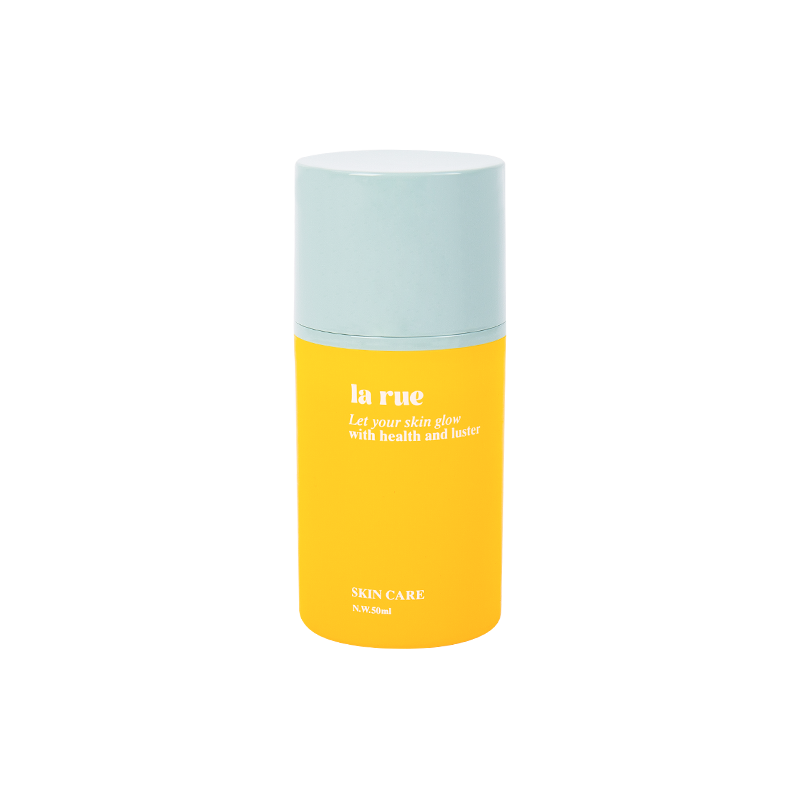
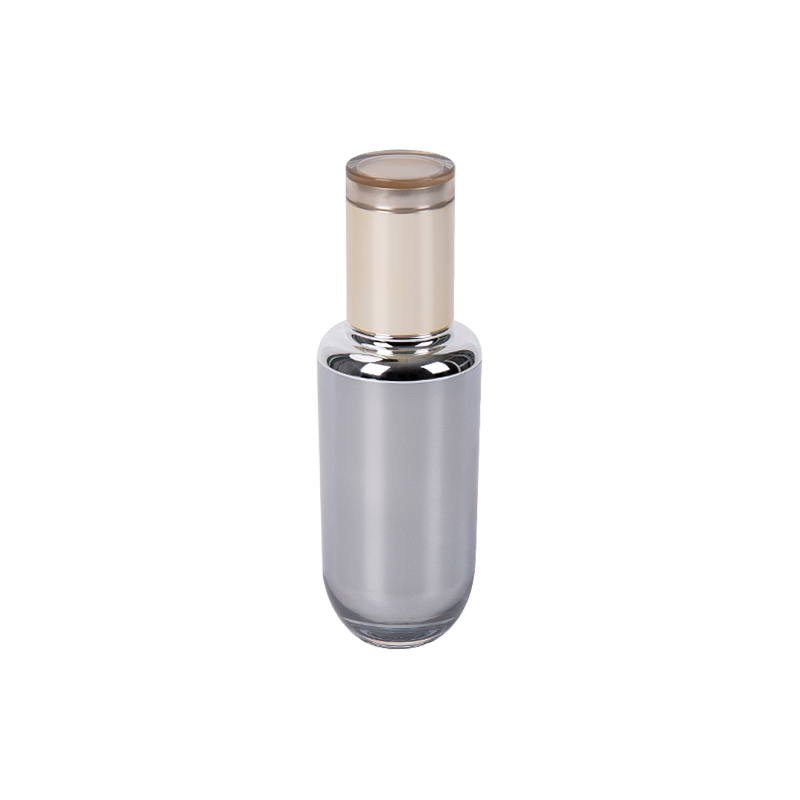
The physical form of a refillable lotion bottle influences how comfortably it fits in different hand sizes and usage scenarios. Cylindrical bottles with a slight waist or contoured sides nestle naturally in the palm, reducing grip fatigue during repeated applications. Soft-touch matte finishes or lightly textured surfaces prevent slipping when hands are damp, while glossy smooth finishes appeal to luxury aesthetics but may require extra grip features. For wall-mounted dispensers in gyms or hotels, flat-back designs with integrated mounting holes save counter space and keep bottles secure. Always prototype your bottle shape with real users—what looks sleek on a render might feel awkward to hold or dispense from in daily life.
How to Choose the Right Lotion Bottle for Your Product
Selecting the ideal cosmetic lotion dispenser starts with understanding your formula's properties and your customer's usage habits. Test your lotion's viscosity with different pump outputs to ensure smooth dispensing without clogging or excessive force. Consider shelf life requirements: if your formula contains active ingredients prone to oxidation, prioritize airless lotion bottle designs that minimize air exposure. For products marketed as "clean" or "eco-friendly," verify that your chosen bottle material and closure system align with sustainability claims—many consumers now check for recyclability symbols or PCR content before purchasing. Finally, factor in filling and capping compatibility with your production line; some pump assemblies require specialized equipment for assembly, which can impact startup costs for small brands.
Sustainability and Refill Options for Modern Consumers
Today's shoppers increasingly favor packaging that reduces waste without sacrificing convenience. Refillable lotion bottle systems address this by letting customers keep a durable outer shell while purchasing lighter, lower-cost refill pouches or cartridges. These refills typically use 60-80% less plastic than a new bottle and ship more efficiently due to reduced weight and volume. For single-use containers, specify post-consumer recycled (PCR) resin in HDPE or PET to lower your product's carbon footprint. Some brands also partner with take-back programs that collect empty bottles for proper recycling or upcycling. When communicating these efforts, use clear on-pack icons or QR codes that explain disposal instructions—transparency builds trust and encourages responsible consumer behavior.
Common Mistakes to Avoid When Sourcing Lotion Bottles
Even experienced brands can stumble when ordering pump lotion bottles for the first time. One frequent error is underestimating lead times—custom molds, color matching, and pump assembly can add 8-12 weeks to production schedules, so plan accordingly for product launches. Another pitfall is skipping compatibility testing: always validate that your lotion formula won't degrade the bottle material or clog the pump mechanism over time. Some buyers also overlook regulatory requirements, such as child-resistant closures for certain product categories or specific labeling mandates in different markets. Finally, avoid choosing a bottle solely on aesthetics; a beautiful design that leaks, jams, or feels awkward to use will generate negative reviews and returns, undermining your brand reputation regardless of product quality.
Quick Checklist Before Placing Your Order
- Confirm pump output volume matches your product's recommended usage amount per application.
- Test bottle and pump compatibility with your formula under accelerated stability conditions (heat, light, vibration).
- Verify that closures meet leak-proof standards for shipping and travel, especially for e-commerce fulfillment.
- Check that labeling surfaces accept your intended printing method (screen print, pressure-sensitive label, or direct-to-object digital).
- Request pre-production samples to evaluate ergonomics, dispensing performance, and visual appeal before committing to full production.



 中文简体
中文简体