Why Trigger Sprayers Are Essential for Home and Personal Care Products
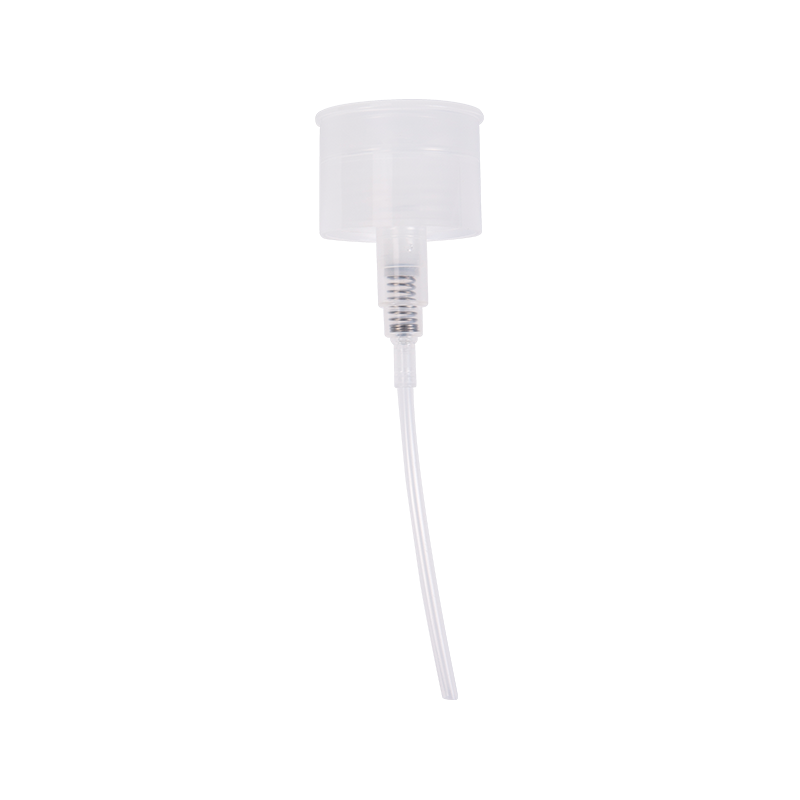
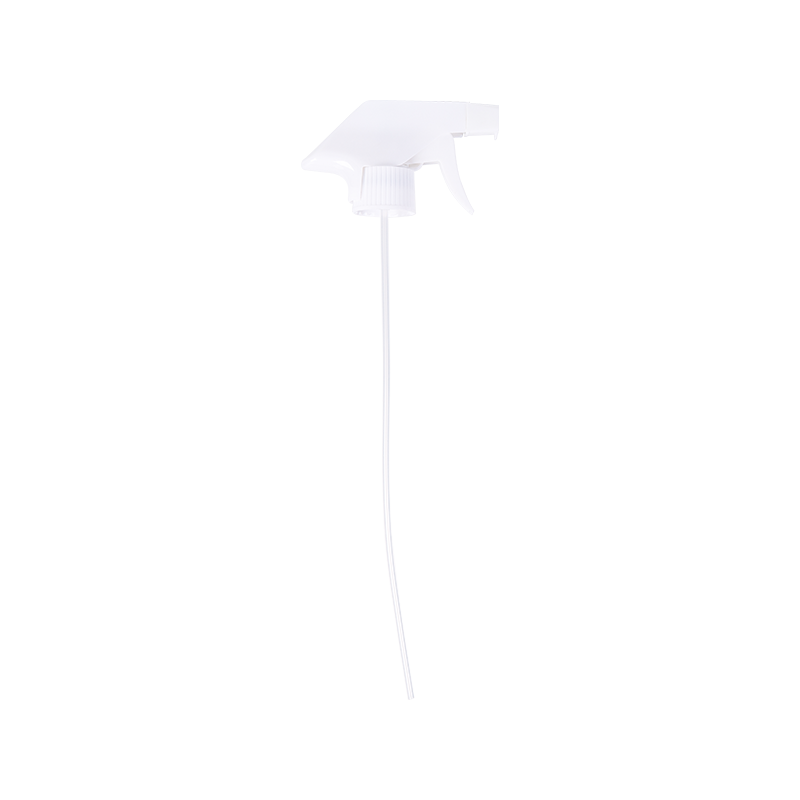
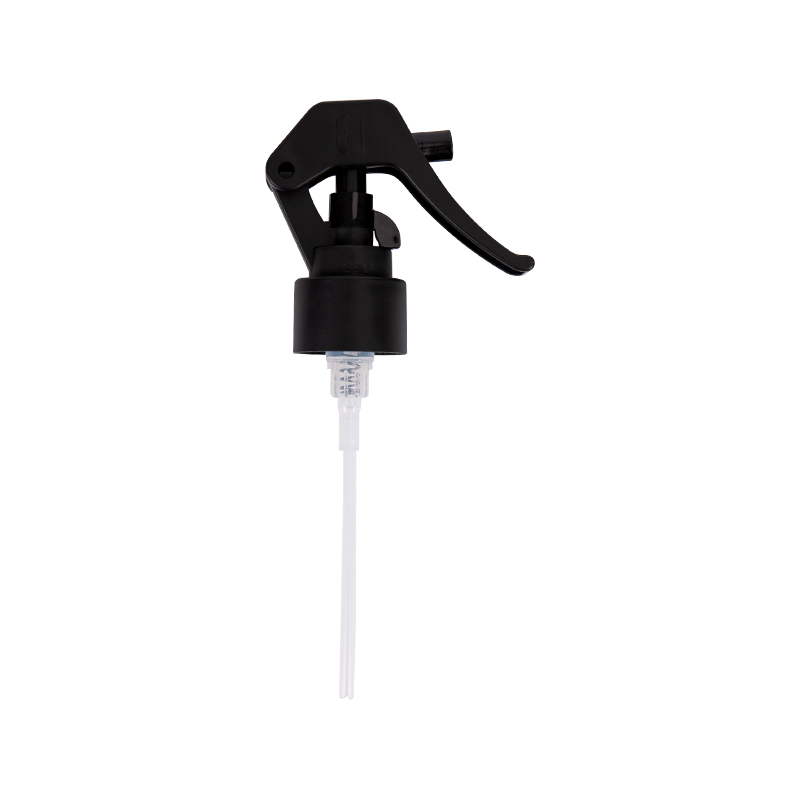
Trigger sprayers for home and personal care represent one of the most widely used dispensing formats in everyday life, delivering everything from glass cleaners and surface disinfectants to facial mists, hair treatments, and body sprays with consistent, controlled output at the pull of a finger. The trigger sprayer mechanism — a manually operated pump that draws liquid up through a dip tube and ejects it through an adjustable nozzle — is deceptively simple in principle but highly engineered in practice to meet the very different performance demands of household cleaning products and personal care formulations within a single dispensing platform.
For household cleaning applications, a trigger spray pump must deliver reliable high-volume output stroke after stroke, resist chemical attack from bleach, disinfectants, and surfactant-rich cleaners, and produce a spray pattern that covers surfaces efficiently without excessive misting or dripping. For personal care applications — facial mists, hair sprays, skin treatment sprays, and body care products — the requirements shift dramatically toward fine atomization, gentle actuation force, premium aesthetics, and complete compatibility with alcohol, botanical extracts, and active ingredient formulations that standard household-grade sprayers cannot reliably handle. Understanding these distinct requirements within the home and personal care trigger sprayer category is the foundation for making informed product and packaging decisions that deliver the right user experience for each application.
Home Care Trigger Sprayers: Performance Requirements and Product Categories
Home care trigger sprayers are engineered around the practical demands of household cleaning tasks — consistent high output, robust mechanical durability across thousands of actuations, adjustable spray patterns for different surfaces, and chemical resistance to the wide range of cleaning formulations used in modern households. The performance requirements are primarily functional rather than sensory, prioritizing reliability, coverage efficiency, and value.
All-Purpose and Multi-Surface Cleaners
Multi-surface trigger spray cleaners represent the highest-volume application for home care sprayers. These products are used daily on kitchen counters, appliance surfaces, bathroom fixtures, and general household surfaces, requiring a trigger sprayer that delivers a broad, even fan spray pattern for efficient surface coverage combined with a concentrated stream option for targeted application in corners, grout lines, and hard-to-reach areas. Standard trigger sprayers for this application deliver 1.0–1.5ml per stroke, feature a rotating adjustable nozzle with spray, stream, and off positions, and are fitted to 500ml or 750ml HDPE or PET bottles with 28/410 or 28/400 neck finishes. The durability requirement is high — a household cleaner used twice daily will cycle the trigger sprayer through approximately 700 actuations per year, demanding a cycle life rating of at least 15,000 strokes for reasonable service life.
Disinfectants and Antibacterial Sprays
Disinfectant and antibacterial home spray products place the most demanding chemical compatibility requirements on trigger sprayers in the household category. Formulations based on sodium hypochlorite (bleach), quaternary ammonium compounds (quats), hydrogen peroxide, or high-concentration isopropyl alcohol require all-polypropylene trigger spray pump construction with stainless steel springs to prevent corrosion-related failure. Standard acetal ball valves and carbon steel springs — used in commodity household trigger sprayers — deteriorate rapidly in contact with oxidizing disinfectant formulations, causing inconsistent output, leakage, and premature pump failure. For disinfectant packaging, specifying an all-PP trigger sprayer with confirmed chemical resistance to the specific active ingredient at its working concentration is essential to product stability across the full labeled shelf life.
Bathroom and Toilet Cleaners
Bathroom trigger spray cleaners — limescale removers, toilet bowl sprays, shower and tile cleaners, and mold and mildew treatments — are among the most chemically aggressive household products, frequently formulated with acids (citric, lactic, hydrochloric), bleaching agents, and chelating agents that challenge standard trigger sprayer construction. Many bathroom cleaner applications specifically benefit from an angled or curved dip tube that allows the product to be sprayed effectively under toilet rims, into shower corners, and onto vertical tile surfaces from awkward angles without the sprayer losing prime. Trigger sprayers for these applications are also frequently specified with child-resistant (CR) closures given the hazardous nature of the formulations, adding a safety compliance layer to the specification requirements.
Glass and Window Cleaners
Glass cleaner trigger sprayers have a distinct requirement profile compared to other household cleaning applications. The priority is an exceptionally fine, even mist pattern that covers the glass surface in a thin, uniform film without dripping or streaking — coarse or uneven spray droplets leave visible marks on glass surfaces that defeat the purpose of the product. Glass cleaner formulations typically contain alcohol, surfactants, and solvents that require compatible sprayer construction, and the fine mist requirement means the nozzle orifice geometry and pump pressure must be calibrated for light-viscosity aqueous-alcoholic solutions rather than thicker surfactant cleaners. A dedicated fine mist nozzle option — rather than the standard adjustable nozzle used on most household cleaners — delivers the best performance for glass cleaning applications.
Fabric Care and Laundry Sprays
Fabric refresher sprays, stain pre-treatment sprays, and laundry boosters in trigger spray format present unique formulation challenges because they frequently contain enzymes, optical brighteners, fragrances, and surfactant systems that can cause compatibility issues with standard trigger sprayer components. The spray pattern requirement for fabric applications is typically a wide, diffuse mist for fabric refreshers and a more concentrated, penetrating spray for stain pre-treatment — sometimes requiring different sprayer configurations for different products within the same category. Fabric spray products also tend to be used intermittently with extended storage periods between uses, placing greater importance on consistent repriming performance and resistance to dried product deposits blocking the nozzle during storage.
Personal Care Trigger Sprayers: Precision, Aesthetics, and Formulation Compatibility
Personal care trigger sprayers operate in an entirely different performance and sensory register from their household cleaning counterparts. When a trigger spray pump is applied directly to skin, hair, or face, the spray characteristics — droplet size, spray angle, output volume, mist uniformity, and actuation feel — become intimately connected to the product experience and the consumer's perception of quality and efficacy. A poorly performing sprayer that delivers an uneven, drippy, or coarse mist on a premium facial spray formulation undermines the entire product proposition regardless of how effective the formulation itself may be.
Facial Mist and Toner Sprayers
Facial mist trigger sprayers represent the most demanding segment of the personal care trigger sprayer category, requiring ultra-fine atomization to deliver the lightweight, enveloping mist experience that defines this product format. The ideal facial mist sprayer produces droplets in the 30–80 micron range — fine enough to feel like a soft cloud on the skin rather than discrete water droplets — distributed in a wide, even cone pattern that covers the face without requiring precise aiming. Achieving this performance requires precision nozzle engineering with tight orifice tolerances, pump pressure calibrated for the specific formulation viscosity, and consistent output across every stroke from the first to the last milliliter of product in the bottle. Facial mist sprayers are also required to perform equally well in all bottle orientations — upright, angled, and inverted — for user convenience, necessitating flexible dip tube designs in some configurations.
Hair Care Spray Applicators
Hair care products in trigger spray format span a wide range from lightweight water-based hydrating sprays and heat protectants to thicker conditioning treatments, detangling sprays, and curl-defining products. This viscosity range — from essentially water-thin to moderately thick — requires careful matching of the trigger sprayer's pump output and nozzle orifice to the specific product consistency. Water-thin hair mists benefit from fine mist nozzles producing wide, even coverage for efficient application through sections of hair. Conditioning treatments and styling products with higher viscosity need larger orifice nozzles and stronger pump mechanisms to maintain consistent output without the nozzle clogging mid-application. Hair sprays applied close to the scalp — scalp treatments, root touch-ups, dry shampoos in liquid format — benefit from a narrow stream setting that delivers product precisely to the root zone without saturating the mid-lengths and ends.
Body and Sun Care Spray Products
Body care trigger sprayers for lotions, body mists, after-sun sprays, and sun protection products must handle the widest viscosity range in the personal care category — from light aqueous body mists through medium-viscosity body lotions to thick, emulsion-based sunscreen formulations. Standard fine mist trigger sprayers are not suitable for viscous emulsion-based products like sunscreens and thick body lotions; these require specialized high-output trigger pump mechanisms with larger nozzle orifices, stronger springs, and often a lotion pump configuration rather than a standard spray head. Body mist applications in lightweight aqueous or alcohol-water bases, however, are well served by fine mist trigger sprayers producing a wide, diffuse spray cone for efficient full-body coverage. The large application area of body care products makes actuation force and ergonomic trigger design particularly important for user comfort — consumers applying sunscreen to their entire body may actuate the trigger 50 or more times per application session.
Personal Sanitizer and Hand Care Sprays
Hand sanitizer and personal care antibacterial sprays saw explosive growth in adoption during and after the COVID-19 pandemic, establishing trigger spray format as a mainstream delivery mechanism for portable hygiene products. These formulations — typically 60–80% isopropyl or ethyl alcohol — are among the most chemically aggressive in the personal care category for trigger sprayer components, requiring full compatibility with high-concentration alcohol throughout the pump mechanism, dip tube, and nozzle assembly. Polypropylene construction with appropriate elastomer seals is essential. The portable use context for personal sanitizer sprays — applied to hands on-the-go rather than to stationary surfaces — also creates specific ergonomic requirements: compact bottle formats (50–100ml), lightweight construction, and low actuation force for comfortable single-hand operation during mobile use.
Comparing Home Care vs. Personal Care Trigger Sprayer Specifications
The technical specifications of trigger sprayers for home care and personal care differ substantially across nearly every performance dimension. The following comparison table illustrates the key differences that drive separate product families for these two application categories.
| Specification |
Home Care Trigger Sprayer |
Personal Care Trigger Sprayer |
| Output per Stroke |
1.0–2.0 ml (higher for efficient surface coverage) |
0.1–0.8 ml (precise, controlled dosing) |
| Droplet Size |
150–400 microns (coarser, less drift) |
30–150 microns (ultra-fine mist) |
| Actuation Force |
20–40 N (robust, high-output pumping) |
8–20 N (gentle, comfortable for facial use) |
| Nozzle Type |
Adjustable: spray / stream / off |
Fixed fine mist; specialized cone patterns |
| Primary Materials |
PP, HDPE; stainless steel spring for chemical resistance |
PP, PET; food/skin-contact grade materials |
| Aesthetic Priority |
Functional; color-coding for product line identification |
High — premium finish, metallic, frosted, transparent options |
| Bottle Neck Finish |
28/410, 28/400, 28/415 (standard household) |
20/410, 24/410, 28/410 (varied by format) |
| Cycle Life |
15,000–50,000 cycles |
10,000–30,000 cycles |
| Regulatory Focus |
Child-resistant options; chemical safety compliance |
Skin-contact safety; BPA-free; cosmetic compliance |
| Typical Bottle Volume |
500ml–1000ml |
50ml–300ml |
How to Choose the Right Trigger Sprayer for Your Home or Personal Care Product
Selecting the optimal trigger sprayer for a home or personal care product requires a structured evaluation that goes beyond simply matching the closure to the bottle neck. The following framework guides brand owners, product formulators, and packaging engineers through the key decision points that determine whether a trigger sprayer will deliver the intended user experience, maintain formulation integrity, and meet applicable regulatory requirements throughout the product's commercial life.
- Define the Application Experience First: Start by clearly articulating the intended user experience at the moment of application. Is the product a fine facial mist that should envelop the face in a soft cloud? A penetrating stream cleaner directed into grout lines? A wide-coverage disinfectant spray applied to large kitchen surfaces? Each distinct application experience maps to a specific sprayer performance profile — droplet size, spray angle, output volume, and actuation feel — that should drive the sprayer specification from the outset rather than being retrofitted to an available standard product.
- Characterize Your Formulation Thoroughly: Before contacting suppliers, document your formulation's key physical and chemical properties: viscosity at application temperature, pH, active ingredient type and concentration (particularly any oxidizers, solvents, or high-alcohol content), density, and any ingredients known to be aggressive toward plastics or elastomers. This data is the foundation of the chemical compatibility evaluation and will be requested by any reputable trigger sprayer supplier as part of the specification process.
- Match Output Volume to Dosing Requirements: The volume of product dispensed per stroke should be matched to the intended use pattern. For a concentrated home cleaner used on small surface areas, a lower output of 0.8–1.0ml per stroke reduces product waste. For a fabric refresher or room spray covering large surface areas, a higher output of 1.2–1.5ml improves efficiency and reduces the number of trigger actuations required per application. For personal care products applied to the face or scalp, low output — 0.1–0.5ml per stroke — prevents over-application and gives the user precise control over product dose.
- Verify Dip Tube Length and Bottle Compatibility: The dip tube must reach within approximately 5–10mm of the bottle base to achieve maximum product evacuation. A dip tube that is too short leaves significant product residue in the bottle — a consumer dissatisfaction issue and a cost-in-use problem. Measure the internal bottle height from the base to the neck opening and subtract 10mm to determine the correct dip tube length. For non-standard bottle geometries, custom-cut dip tubes may be required.
- Conduct Structured Compatibility and Stability Testing: Before finalizing any trigger sprayer for commercial production, fill sample assemblies with the actual product formulation and store under accelerated aging conditions — typically 40°C for 8–12 weeks — as a predictor of real-time shelf life performance. Evaluate at regular intervals for leakage, output consistency, spray pattern quality, component condition (cracking, swelling, discoloration), and any product contamination from component degradation. Do not rely solely on the supplier's compatibility chart — real formulation testing in your specific bottle-closure-sprayer assembly is the only reliable validation method.
- Consider Regulatory and Safety Requirements: Personal care trigger sprayers must comply with cosmetic packaging regulations in their target markets — EU Cosmetics Regulation 1223/2009, FDA 21 CFR for US, and equivalent regulations elsewhere — specifying materials that are safe for skin contact and free from regulated substances including BPA, certain phthalates, and heavy-metal-based colorants. Home care products containing hazardous ingredients may require child-resistant closure (CRC) compliance under PPPA (USA) or equivalent EU regulations. Confirm applicable regulatory requirements early in the development process to avoid costly late-stage design changes.
Spray Pattern Options and When to Use Each Format
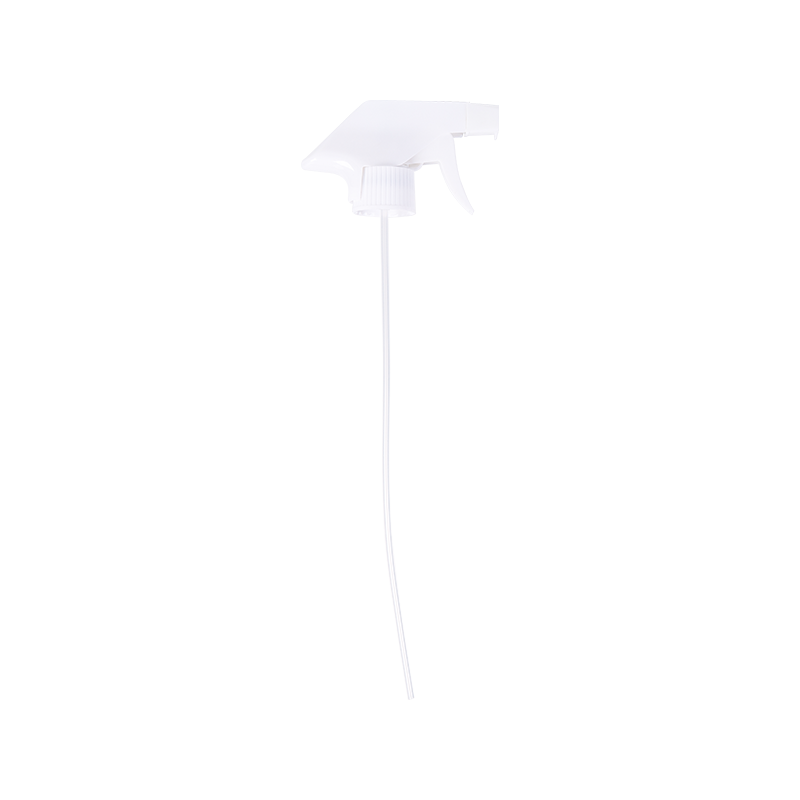
The spray pattern produced by a trigger sprayer nozzle is one of the most directly product-relevant specifications because it determines how efficiently and effectively the product is applied to its intended target surface. Different nozzle designs and adjustable nozzle positions produce distinct spray patterns suited to different home and personal care applications.
- Fine Mist (Cone Pattern): Produces the smallest droplets in the widest distribution pattern. Ideal for facial mists, hair hydration sprays, fabric refreshers, room fragrance sprays, and any application where large surface area coverage with minimal product volume is desired. Fine mist patterns also minimize overspray drift onto adjacent surfaces — an important consideration for personal care products applied near mirrors, countertops, and clothing.
- Standard Fan Spray: The default spray pattern for household cleaner trigger sprayers — a flat, wide fan of medium-sized droplets that covers counter and wall surfaces efficiently with minimal bounce-back. The standard fan spray is the optimum pattern for multi-surface cleaners, bathroom sprays, and kitchen degreasers where horizontal or vertical surface coverage is the primary task.
- Concentrated Stream: Delivers product in a narrow, forceful jet with maximum penetrating power and precise directional control. Used for targeted application of cleaners into toilet rims, grout lines, drain openings, oven interiors, and any application requiring concentrated product delivery to a small, specific area from a distance. The stream setting on adjustable nozzles also allows product application without holding the bottle close to the surface — important for caustic or irritating formulations.
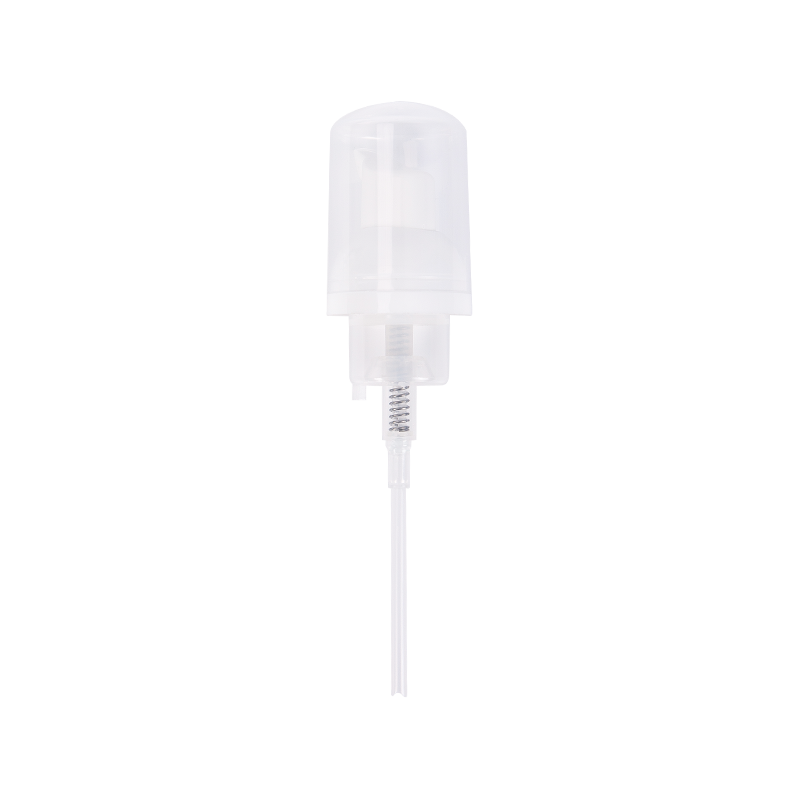
- Foam: A specialized nozzle insert aerates the liquid to produce a clinging foam that adheres to vertical surfaces and provides extended contact time for active ingredients. Used for bathroom tile and shower screen cleaners, kitchen degreasers, car upholstery cleaners, and any application requiring dwell time on a non-absorbent vertical surface. Foam patterns require dedicated foaming trigger sprayer assemblies and are not achievable by adjusting a standard spray nozzle.
- Wide Diffuse Mist (Body Spray Pattern): A broader, more open cone pattern than a standard fine mist, producing larger coverage area per stroke suited to full-body spray applications — body mists, sunscreen sprays, after-sun products, and deodorant body sprays. This pattern is calibrated for application from a greater distance than facial mists — typically 20–30cm from the skin — to allow the spray cloud to diffuse before contact for even coverage.
Aesthetic and Branding Considerations for Personal Care Trigger Sprayers
In the personal care category, the trigger sprayer is not merely a functional dispensing component — it is a visible, tactile element of the product experience that communicates brand values, quality positioning, and product differentiation at point of sale and during daily use. Investing in sprayer aesthetics proportionate to the product's market positioning is an important aspect of personal care packaging development that distinguishes premium brands from commodity competitors.
Material Finish and Visual Quality
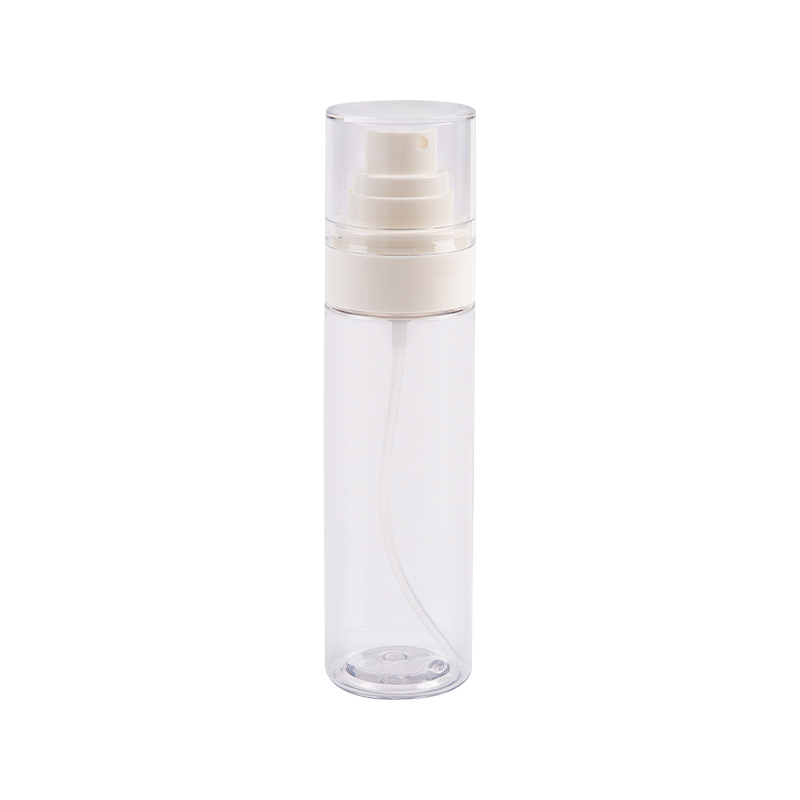
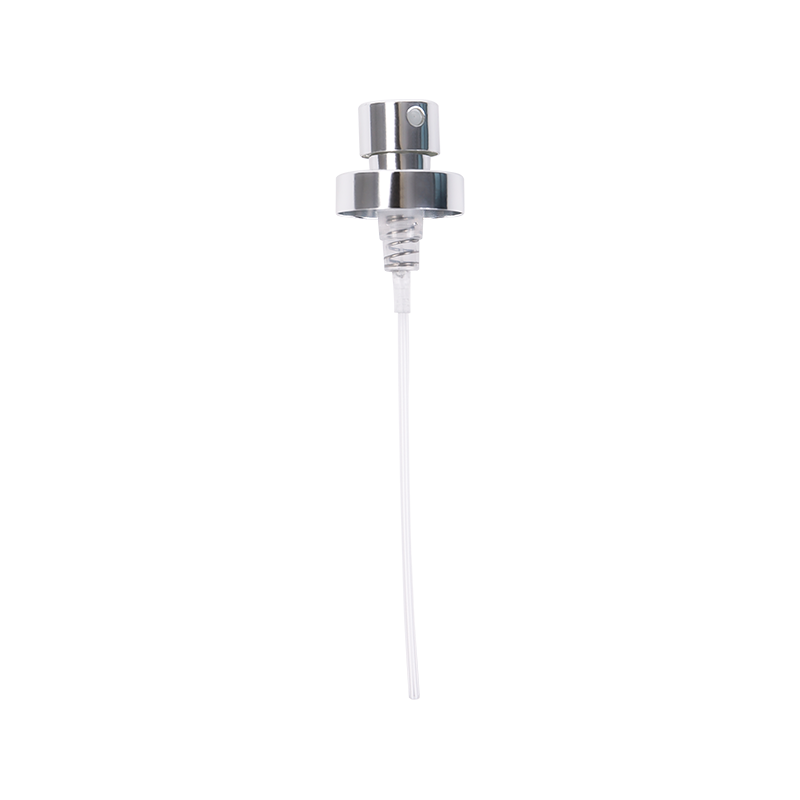
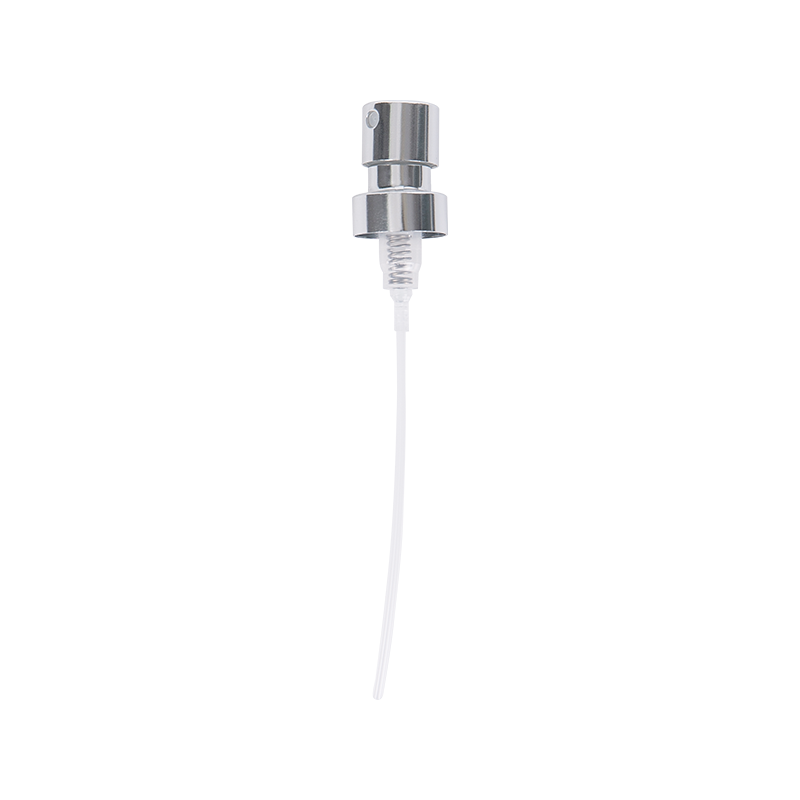
Standard polypropylene trigger sprayers in natural or white offer a clean, functional appearance suitable for mid-range personal care products. Premium personal care ranges increasingly specify trigger sprayers with metallic shrouds — aluminum or metallized plastic overlays that cover the functional pump mechanism — creating an appearance consistent with luxury fragrance and cosmetic packaging. Frosted or transparent pump bodies that showcase the product formulation's color are popular in premium skincare and hair care. Soft-touch coating on the trigger and shroud components adds a tactile premium quality cue that resonates strongly with the luxury personal care consumer. These aesthetic upgrades come with a cost premium over standard functional sprayers but can significantly elevate the perceived value and shelf presence of the finished product.
Color Coordination and Brand Identity
Trigger sprayer components in personal care packaging are routinely color-matched to the bottle, cap, and label color palette of the product line, creating a cohesive branded appearance across the entire pack. Custom color matching of PP trigger sprayer components is available from most major packaging suppliers at minimum order quantities that make it accessible for established product lines. For household care products, color coding serves a more functional purpose — different colored sprayer heads within a cleaning product range help users quickly identify the correct product for each cleaning task, reducing the risk of using the wrong product on incompatible surfaces.
Ergonomic Design for User Comfort
For personal care trigger sprayers used daily — facial mists, hair sprays, and body care products — the ergonomics of the trigger mechanism are directly connected to user satisfaction and perceived quality. Trigger sprayers with a wide, curved trigger platform that distributes force across multiple fingers rather than concentrating it on one fingertip reduce fatigue during repeated use and feel more premium than narrow, wire-like trigger designs. The angle between the trigger and the bottle should allow comfortable one-handed operation with the wrist in a neutral position — poorly designed trigger geometry forces awkward wrist angles that feel effortful and clumsy. The spray head's weight balance on the bottle also contributes to perceived quality; a top-heavy sprayer that makes the bottle feel front-weighted during use detracts from the application experience.
Sustainable Trigger Sprayers for Home and Personal Care Brands
Sustainability has become a central driver of innovation in home and personal care trigger sprayer packaging, as both regulatory pressure and consumer demand push brands toward packaging solutions that reduce plastic waste, increase recyclability, and lower the carbon footprint of their product ranges. The trigger sprayer category is actively responding with several distinct sustainability approaches that address different aspects of the packaging lifecycle.
- Refillable Systems with Concentrate Formats: The most impactful sustainability innovation in home care trigger sprayers is the shift to refillable bottle systems paired with concentrated product refill formats — tablets, capsules, sachets, or small concentrated liquid refills that are dissolved or diluted in water in the reusable bottle. Several major household cleaning brands have launched these systems, reducing plastic packaging per unit of cleaning product sold by 70–90%. The trigger sprayer in these systems is designed for multi-year durability with a cycle life of 50,000+ actuations to support repeated refill cycles without performance degradation.
- Mono-Material Recyclable Trigger Sprayers: Conventional trigger sprayers combine polypropylene, polyethylene, acetal, and metal in a single assembly that most municipal recycling streams cannot process. New mono-material all-polypropylene trigger sprayers — replacing metal springs with PP leaf springs and eliminating acetal ball valves — are recyclable in standard PP streams without disassembly. These designs are being adopted by sustainability-committed home and personal care brands willing to accept minor performance trade-offs in exchange for end-of-life recyclability.
- Post-Consumer Recycled (PCR) Content: Trigger sprayer bodies and closures incorporating 25–50% post-consumer recycled polypropylene are commercially available from multiple suppliers, reducing the virgin plastic content of each unit without requiring changes to filling lines or formulations. For personal care brands, PCR content in trigger sprayers must be verified as free of contamination and colorant migration that could affect the premium appearance standards required in this category — food-grade or cosmetic-grade PCR material is specified for personal care applications.
- Reduced Plastic Weight Through Lightweighting: Material reduction through precision engineering of trigger sprayer wall thicknesses and component geometries — without compromising functional performance — reduces the plastic content of each unit by 10–20% compared to legacy designs. Across the billions of trigger sprayers produced annually for home and personal care markets globally, lightweighting at this scale generates meaningful reductions in total plastic consumption and carbon footprint without requiring any change in consumer behavior or retail format.
- Aluminum and Glass Refillable Personal Care Formats: Premium personal care brands — particularly in skincare, hair care, and home fragrance categories — are adopting aluminum and glass trigger spray bottles positioned explicitly as permanent, refillable containers. These premium format bottles command higher retail prices that fund the material investment, and appeal strongly to the luxury sustainability consumer segment that prioritizes beautiful, durable packaging over disposable convenience. The trigger sprayer mechanism on these formats must be specified with an appropriate neck finish and sufficient durability to match the long service life expectation of the premium bottle.
Troubleshooting Trigger Sprayer Issues in Home and Personal Care Products
Performance problems with trigger sprayers in home and personal care products generate consumer complaints, damage brand reputation, and trigger returns and reformulation costs. Diagnosing the root cause of sprayer performance issues accurately — distinguishing between sprayer design failures, formulation compatibility problems, and manufacturing or filling defects — is the essential first step in efficient resolution.
- Nozzle Clogging After Storage: A trigger sprayer that works initially but blocks after a period of storage has almost always been blocked by dried product residue in the nozzle orifice. This is particularly common with formulations containing high surfactant concentrations, polymers, or mineral-rich water bases that crystallize as water evaporates from the nozzle tip between uses. Solutions include reformulating with crystallization inhibitors, specifying a nozzle with a larger orifice diameter, adding a lockback or anti-drool nozzle seat that minimizes product residue at the tip, or advising consumers to rinse the nozzle with water after each use session in the product communication.
- Inconsistent Output Between Strokes: If the trigger sprayer delivers inconsistent volumes — sometimes full output, sometimes partial or nothing — the cause is usually air entrainment in the pump chamber, a partially blocked dip tube restricting liquid supply, or a ball valve that is not sealing completely due to particle contamination or component wear. Inspect the dip tube for kinking or blockage, flush the pump with clean water to clear particle contamination, and evaluate ball valve seat integrity. For new product launches experiencing this issue during stability testing, verify that the formulation does not release dissolved gas during storage that accumulates as air pockets in the pump system.
- Leaking at the Closure: Leakage between the trigger sprayer closure and the bottle neck during filling, transport, or consumer use indicates a closure-bottle compatibility issue — the neck finish dimensions may not match, the closure torque applied during filling may be incorrect, or the closure gasket may be deformed or incompatible with the formulation. Verify that the bottle neck finish specification exactly matches the closure specification, check applied torque values against the closure manufacturer's recommendation, and inspect gasket material compatibility with the product chemistry. For personal care products with high alcohol content, standard LDPE gaskets may swell or deform — replacing with EPDM or PP gaskets resolves this issue.
- Spray Pattern Degradation Over Product Life: When a trigger sprayer that performs correctly when first used produces a progressively worse spray pattern as the bottle empties, the most common cause is air venting failure — the bottle cannot vent air in to replace the dispensed liquid, creating increasing vacuum that restricts pump output. Verify that the closure has the correct venting feature for the application, that the vent path is not blocked by formulation residue or an incorrectly assembled dip tube, and that the bottle material is sufficiently rigid to resist collapse under vacuum. Thin-wall PET bottles are particularly susceptible to vacuum collapse if venting is inadequate.



 中文简体
中文简体