What Is a Cream Pump and Why Does It Matter?
A cream pump is a dispensing mechanism designed to deliver a controlled, consistent amount of thick cream, lotion, or gel product with each press of the actuator. Unlike a jar or a tube that requires you to scoop or squeeze product out manually, a cream pump dispenser eliminates direct hand contact with the remaining contents, reduces product waste, and maintains hygiene by keeping air and bacteria out of the formula between uses.
The importance of a good cream pump extends well beyond convenience. For skincare products in particular, repeated exposure to air and fingers can degrade active ingredients like vitamin C, retinol, and peptides, reducing their effectiveness over time. A well-designed pump dispenser minimizes this oxidation by limiting air exposure with every use. For professional settings like salons, spas, and medical practices, cream pump bottles also enable faster, cleaner application and more accurate dosing — both of which matter significantly when working with multiple clients.
Whether you're evaluating which pump top fits your favorite moisturizer jar, sourcing bulk cream pump dispensers for a skincare brand, or simply trying to understand why your current pump is leaving product behind in the bottle, this guide covers everything you need to know to make a fully informed decision.
Types of Cream Pumps: Which One Fits Your Needs?
The cream pump market spans a wide range of designs, each suited to different product viscosities, container formats, and usage contexts. Choosing the wrong type is one of the most common reasons people end up frustrated with a pump that drips, clogs, or fails to draw product up from the bottom of the bottle.
Standard Lotion Pump
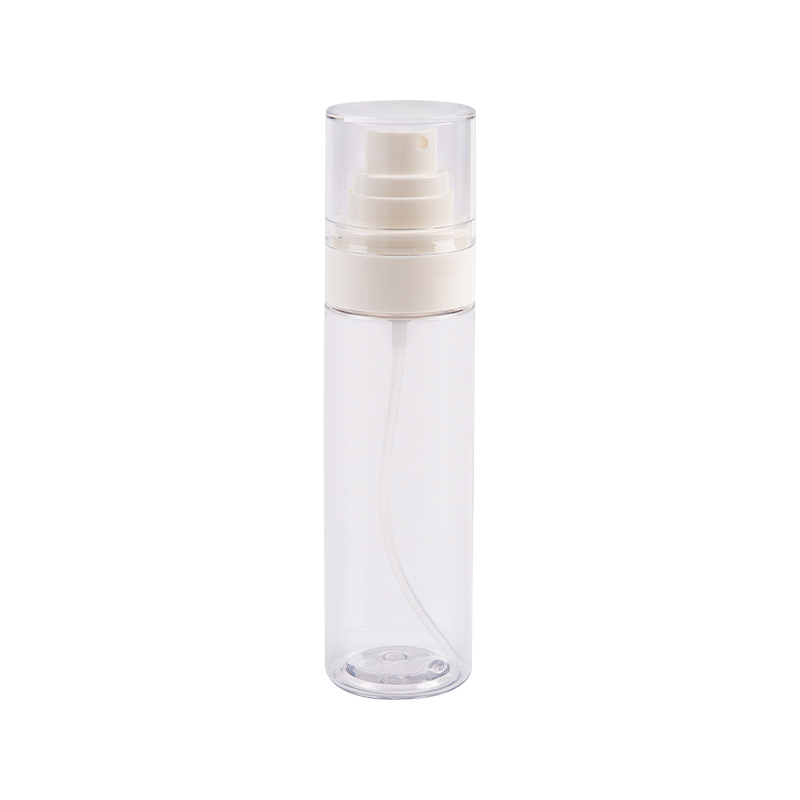
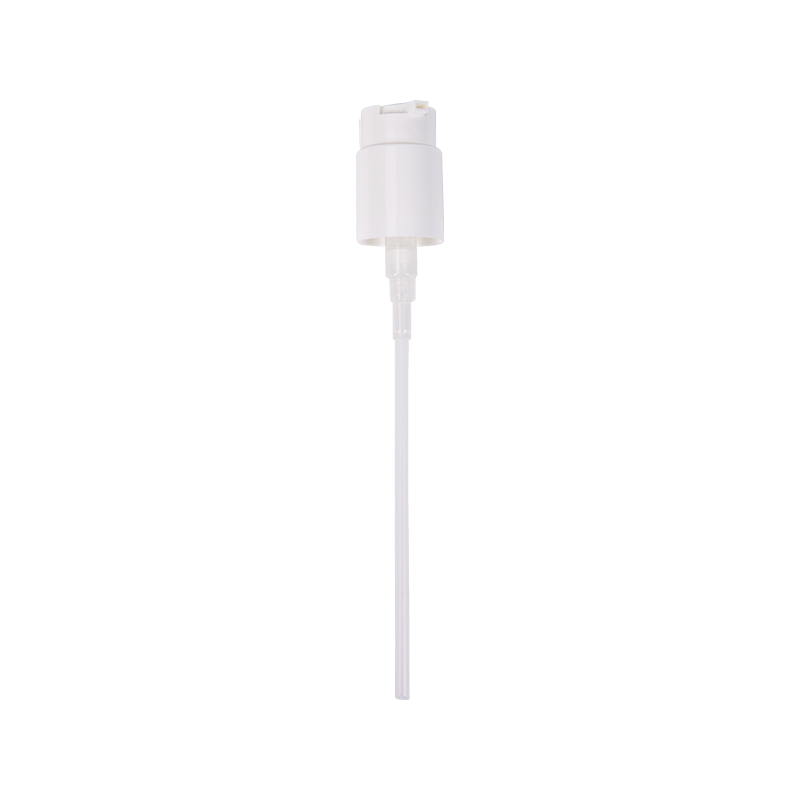
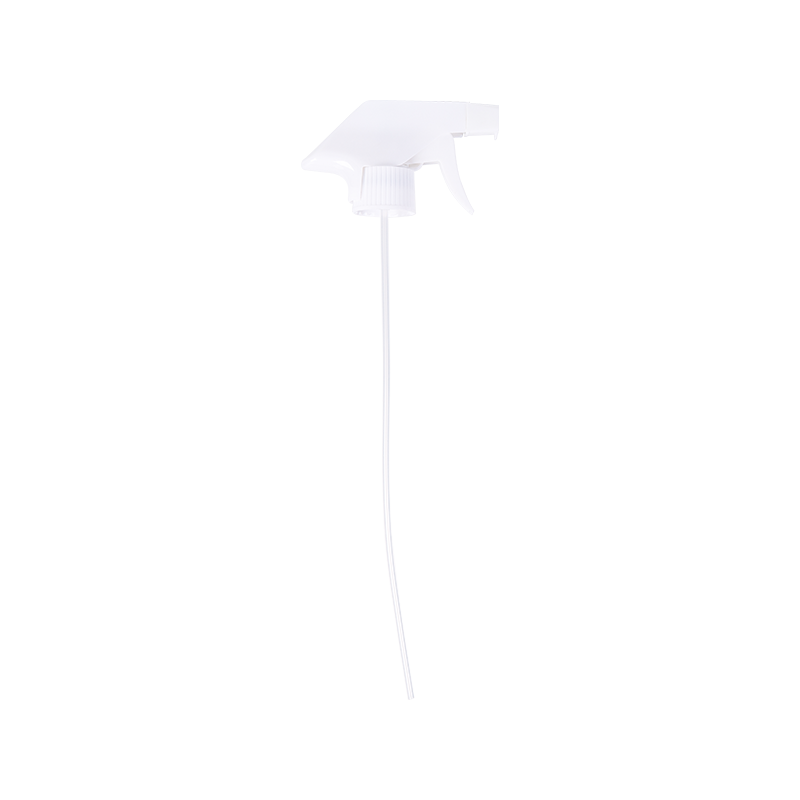
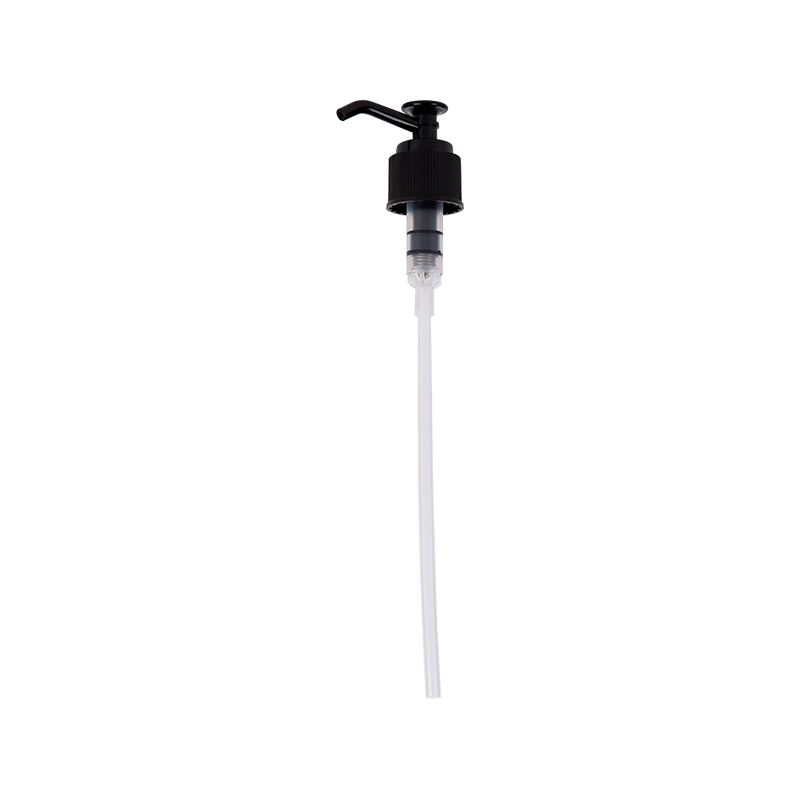
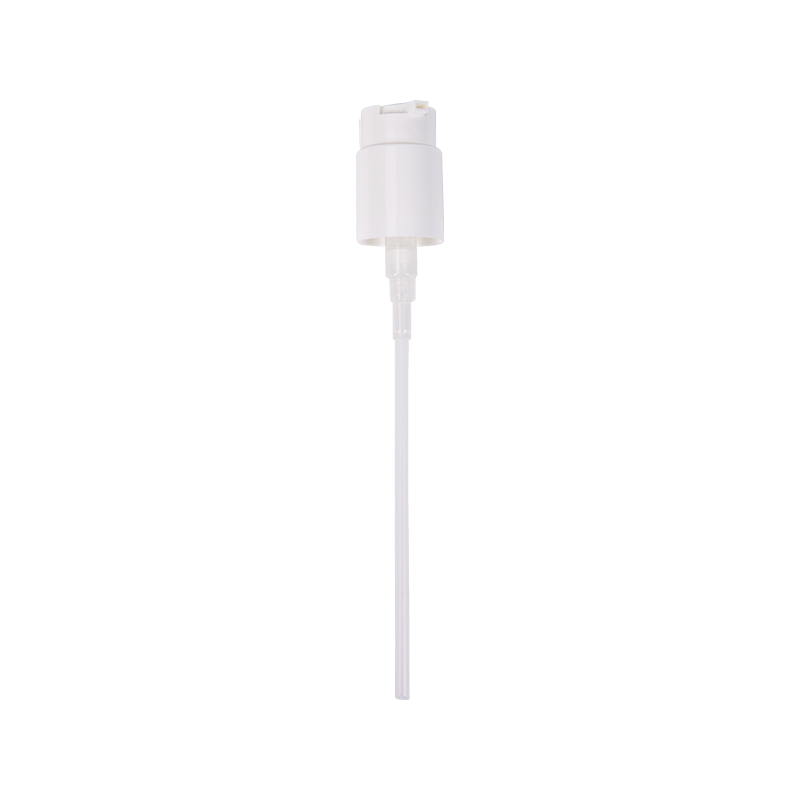
The standard lotion pump — also called a disc pump or regular pump top — is the most widely used design for liquid-to-medium-viscosity creams and lotions. It consists of a pump head, a spring-loaded actuator, a dip tube that reaches to the bottom of the bottle, and a nozzle that directs product out toward the hand. These pumps work best with products that have a pourable to slightly thick consistency. For very dense creams, a standard lotion pump may struggle to generate enough suction to draw the product up through the dip tube.
Airless Pump Bottle
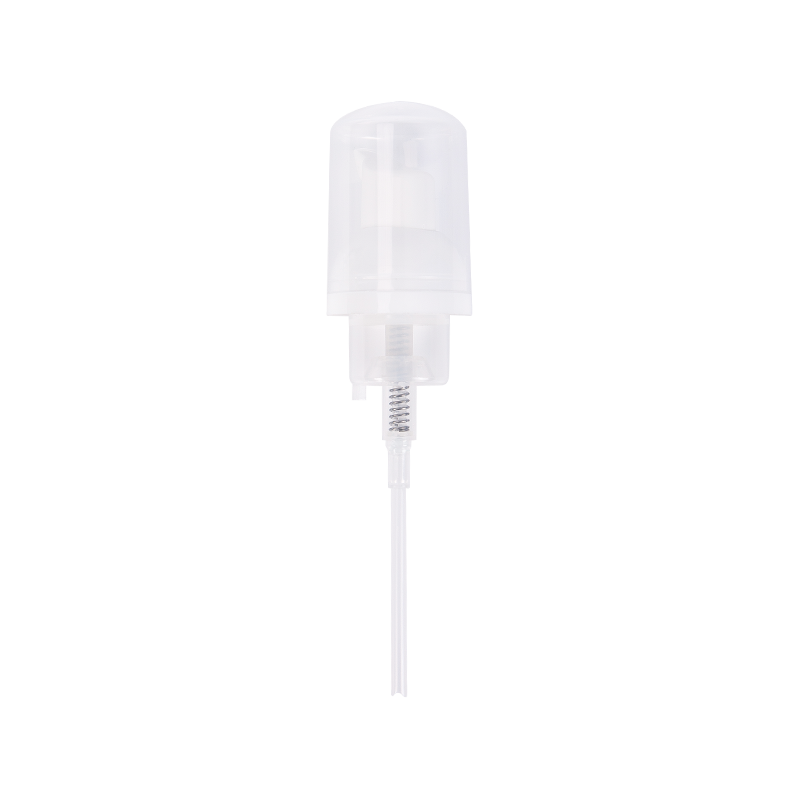
An airless pump bottle uses a different mechanism entirely. Instead of a dip tube drawing product up from below, an airless pump uses a vacuum-driven piston that rises from the bottom of the container, pushing product upward and out with each press. Because no air enters the container to replace the dispensed product, the formula inside is protected from oxidation throughout its entire lifespan. This makes airless pump dispensers the premium choice for antioxidant serums, vitamin C creams, retinol formulations, and other active-ingredient skincare products where air exposure is particularly damaging.
Treatment Pump (Fine Mist vs. Cream Output)
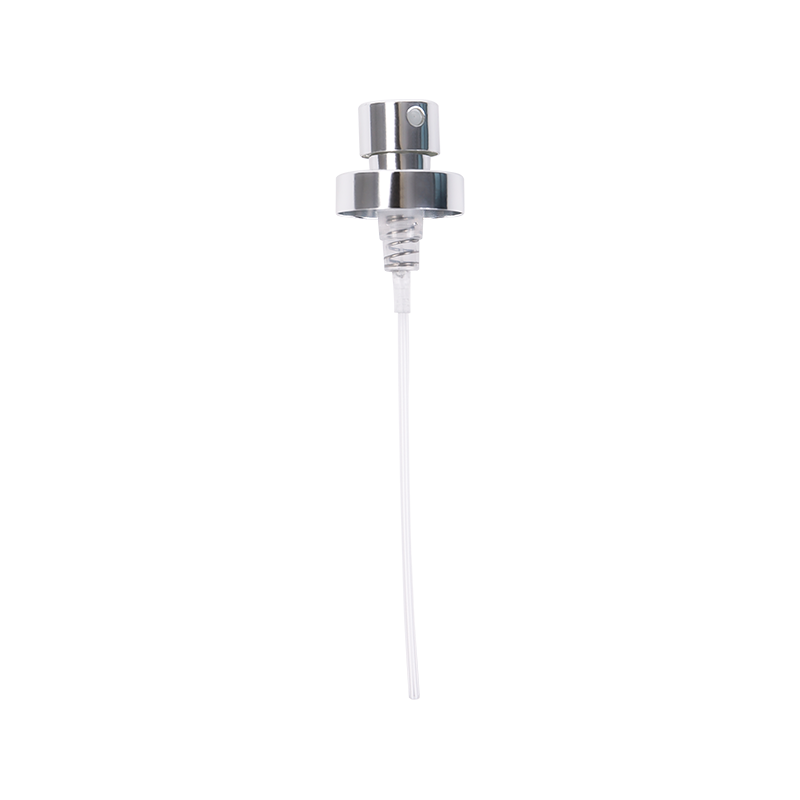
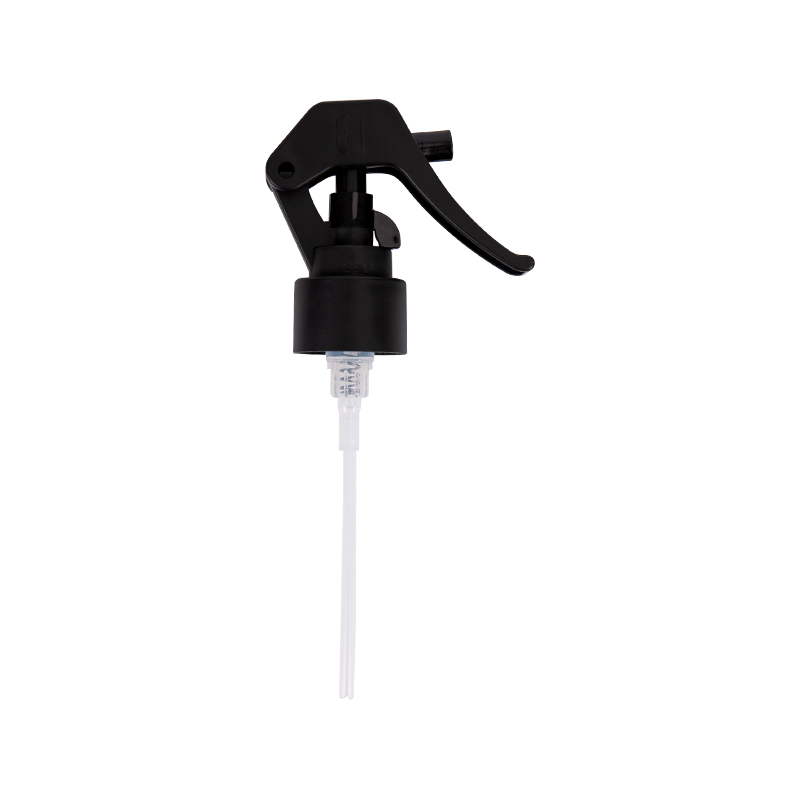
Treatment pumps are precision-designed dispensers engineered for exact dosing of high-value products like eye creams, spot treatments, and concentrated serums. They typically dispense a much smaller volume per press (0.1–0.3ml) compared to a standard lotion pump (0.5–2ml). This precision reduces over-application of expensive formulas and ensures the user is using the clinically recommended amount. Treatment pumps for thick creams use a wider internal bore and a stronger spring mechanism to handle higher-viscosity products.
Salon and Professional Cream Pump
Professional-grade salon cream pumps are built for high-frequency use and large-format containers — typically fitting gallon jugs, liter bottles, or bulk dispensing stations. They feature heavy-duty internal components, longer dip tubes calibrated for tall containers, and higher output per stroke to accommodate the speed of professional use. Many are designed with a lock-down mechanism on the actuator head to prevent accidental dispensing during transport or storage.
Jar Pump Insert
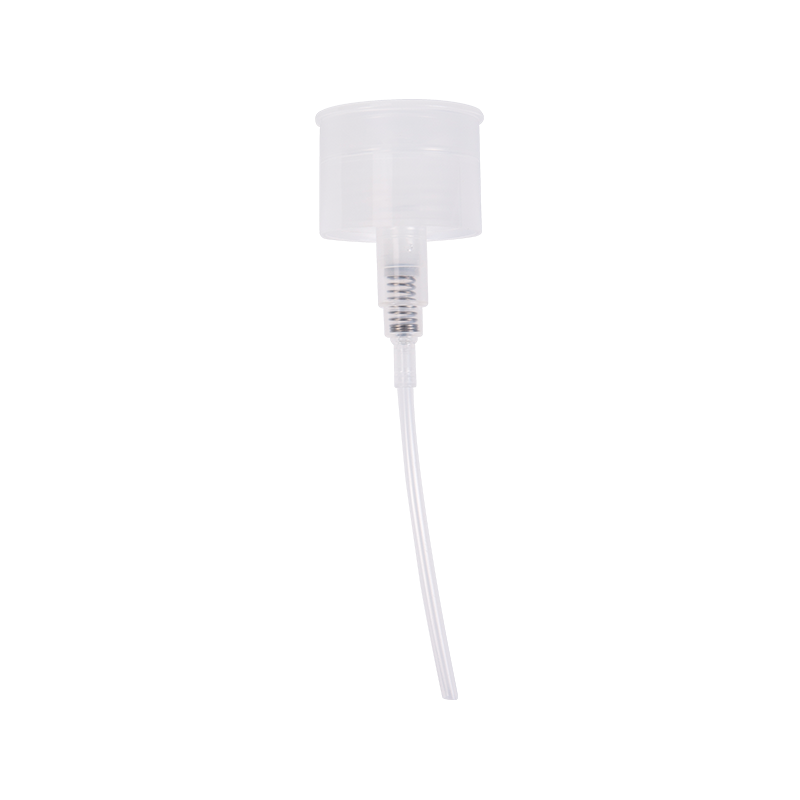
For consumers who prefer their cream in a wide-mouth jar format but want the hygienic benefits of a pump, jar pump inserts are an elegant solution. These are pump assemblies designed to fit into standard jar lid openings, converting an open jar into a closed pump dispenser. They're particularly popular in the DIY cosmetics community and among people who buy bulk creams and want to decant them into more hygienic dispensing formats.
Key Specs to Compare When Buying a Cream Pump Dispenser
Once you know which type of pump you need, the next step is evaluating the specific technical specifications that determine whether a pump will actually work well with your product and container. Here's a breakdown of the most important parameters to assess.
| Specification |
What It Means |
Typical Range |
Why It Matters |
| Neck Finish (mm) |
Diameter of the bottle opening |
18mm – 43mm |
Must match bottle neck size exactly |
| Output per Stroke (ml) |
Volume dispensed per press |
0.1ml – 4ml |
Controls dosage and waste |
| Dip Tube Length (mm) |
How deep into the bottle the tube reaches |
50mm – 300mm |
Must match container height to empty fully |
| Viscosity Rating |
Thickness of product the pump handles |
Low / Medium / High |
Determines if dense creams will flow |
| Material |
Pump body composition |
PP, PE, stainless steel |
Affects durability and chemical compatibility |
| Closure Type |
How the pump attaches to the bottle |
Screw-on, snap-on, crimp |
Affects security and replaceability |
How to Choose the Right Cream Pump for Thick Lotions and Dense Creams
Viscosity is the single biggest factor in whether a cream pump will work effectively with your specific product. Many people buy a standard lotion pump only to find it completely unable to draw up a thick body butter, rich face cream, or dense hair mask. The pump clicks and springs back, but nothing comes out. This happens because the dip tube and internal bore of a standard pump are too narrow to allow a thick product to flow freely under the relatively low suction force of the mechanism.
For high-viscosity creams and balms, look specifically for pumps labeled as "high-viscosity" or "thick lotion pumps." These feature a wider internal bore (the channel through which product travels), a stronger spring with greater compression force, and often a larger actuator head for more ergonomic pressing. The dip tube on high-viscosity pumps may also be slightly wider in diameter to reduce resistance as the product rises from the bottom of the container.
Another practical strategy for thick cream pump applications is to warm the product slightly before use. At room temperature or slightly above, most dense creams become noticeably more pourable, making them easier for a pump mechanism to draw up. This isn't always practical, but it's a useful troubleshooting step if a pump is performing inconsistently with a product near the border of its viscosity range.
Airless Pump vs. Regular Cream Pump: Which Is Better for Skincare?
For everyday body lotions and hand creams with stable, non-reactive formulas, a standard lotion pump dispenser is perfectly adequate and significantly more affordable. The question of whether to invest in an airless pump bottle becomes more relevant when the product contains active ingredients that degrade in the presence of air or light.
Airless pump dispensers have a meaningful advantage in product preservation. Because the internal piston rises as product is used, the formula is never exposed to air — even as the container empties. This is in direct contrast to a dip tube pump, where each press draws product up while simultaneously allowing air into the container through a vent hole, creating a gradual oxidation effect over the life of the product.
There are tradeoffs to consider with airless pump bottles, however. They are more expensive to manufacture, which increases the retail price of the end product. They also can't be refilled as easily as standard pump bottles, and the piston mechanism can occasionally stall if the product is very thick or if air gets trapped beneath the piston. Cleaning and reusing airless pump containers is more complex than standard pump bottles, making them less ideal for DIY or refillable packaging purposes.
For consumers building a skincare routine, the practical guidance is this: prioritize airless pump dispensers for vitamin C serums, retinol creams, and any product with antioxidants prominently featured in its active ingredients. For standard hydrating moisturizers, SPF products, and body lotions without sensitive actives, a quality standard cream pump dispenser is entirely sufficient.
Getting the Right Pump Top for an Existing Cream Bottle or Jar
Replacing or adding a cream pump top to an existing container is a very common need — whether you're upgrading a jar-format cream to a more hygienic dispensing format, replacing a broken pump on a favorite product, or sourcing a pump top for a custom-filled bottle. The key is getting the neck size right.
Measuring the Neck Finish
The neck finish refers to the outside diameter of the bottle opening and is measured in millimeters. The most common neck sizes for personal care products are 24mm, 28mm, and 33mm, though sizes range from 18mm on small serum bottles up to 43mm on wide-mouth jar formats. To measure, use a ruler or calipers across the outside of the opening thread — not the inside of the opening. Once you have this measurement, you can source a pump top with the corresponding neck size specification.
Adjusting the Dip Tube Length
The dip tube — the thin plastic straw that extends from the pump mechanism into the bottle — needs to reach close to the bottom of the container to empty the product effectively. Most pump tops come with a dip tube that can be trimmed to length with scissors. Measure the interior height of your bottle and cut the dip tube so it reaches within about 5mm of the bottom. A tube that's too short will leave a significant amount of product unreachable at the base of the container, which is both wasteful and frustrating with expensive products.
Screw-On vs. Snap-On Pump Tops
Screw-on pump tops (also called threaded closures) are by far the most common and secure format for cream pump dispensers. They thread onto a matching bottle neck and form a tight seal that won't pop off during transport. Snap-on or crimp pump tops are used more in commercial manufacturing settings where high-speed filling and capping equipment is used. For replacement and aftermarket pump tops, screw-on versions are almost always the practical choice.
Cream Pump Dispensers for Professional and Salon Use
In professional settings — salons, spas, massage studios, and dermatology offices — cream pump performance requirements are significantly higher than in household use. Pumps are activated dozens or hundreds of times per day, must deliver consistent output regardless of how full or empty the container is, and need to withstand regular cleaning with disinfectants without degrading.
For salon use, wall-mounted pump dispensers are popular because they free up counter space, are easy for clients to operate themselves, and reduce the risk of cross-contamination by eliminating the need to handle the bottle. These dispensers typically accept large-format refill pouches or bottles and use a lever-action pump mechanism rather than a push-top actuator, allowing operation with the back of the hand when fingers are already coated in product.
When sourcing bulk cream pump tops for professional containers, consistency and reliability are more important than aesthetics. Look for pumps with stainless steel springs rather than zinc alloy springs — stainless steel resists corrosion from product contact far better, which directly extends service life. The internal ball valve (the small ball that controls one-way flow inside the pump mechanism) should also be stainless steel or glass rather than plastic for use with any cream containing acids or high concentrations of active ingredients.
Common Cream Pump Problems and How to Fix Them
Even good-quality cream pump dispensers can run into issues, especially with thicker products or after extended use. Most problems have straightforward solutions that don't require replacing the pump entirely.
- Pump won't prime on first use: New pumps need to be primed — press the actuator repeatedly (sometimes 5–10 times) to push air out of the dip tube and draw product up to the nozzle. Hold the bottle upright and pump steadily without pausing between strokes until product appears.
- Pump dispenses air instead of product: This usually means the dip tube isn't reaching the product — either the tube is too short, or the product level has dropped below the tube inlet. Try tilting the bottle slightly forward while pumping, or trimming the dip tube shorter if it's not reaching the bottom.
- Pump is clogged or stuck: Dried product in the nozzle or dip tube is the most common cause. Remove the pump top and soak the nozzle and tube in warm water for 10–15 minutes to dissolve the blockage. For oil-based or wax-based creams, warm water with a small amount of dish soap works better than plain water.
- Pump leaks or drips after pressing: A dripping nozzle after dispensing usually indicates a worn or damaged ball valve inside the pump mechanism. If cleaning doesn't resolve the issue, replacing the pump top is the most practical fix — pump tops are inexpensive and widely available.
- Pump dispenses inconsistent amounts: Inconsistent output typically happens when the product is too thick for the pump mechanism, or when air pockets form in the product near the dip tube inlet. Tap the bottle gently on the counter before each use to settle the product, and ensure the dip tube is correctly positioned at the base of the container.
- Pump actuator won't spring back up: A spring that fails to return the actuator indicates either a broken or corroded internal spring, or a foreign object jamming the mechanism. Disassemble the pump if possible and rinse all components thoroughly. If the spring is corroded, replacement is necessary.
Eco-Friendly and Refillable Cream Pump Options
Sustainability concerns have driven meaningful innovation in the cream pump dispenser market. The traditional model — a pump permanently attached to a single-use plastic bottle that gets discarded when empty — generates significant plastic waste, particularly in skincare and personal care categories where product turnover is high.
Refillable cream pump systems address this by separating the pump mechanism from the container. The pump top is designed to last through multiple refill cycles, while the container is either refilled from bulk or replaced with a minimal-packaging refill pod. Brands like Kjaer Weis, Fenty Skin, and various indie skincare companies have built entire product lines around this concept, offering sleek pump bottles with separately purchasable refill inserts.
For DIY and small-batch cosmetics, purchasing high-quality reusable airless pump bottles made from glass or aluminum — rather than single-use plastic — is a practical way to reduce packaging waste while also storing products in materials that are inert and non-reactive. Glass airless pump bottles are particularly popular for vitamin C and retinol formulations where long-term chemical compatibility with the container material is also a consideration.
When evaluating eco credentials of a cream pump dispenser, look beyond just the container material to the pump mechanism itself. Most pump internals contain multiple plastic components, metal springs, and rubber gaskets that make them difficult to recycle as a unit. Some manufacturers now offer pump mechanisms made entirely from a single polymer type (mono-material pumps) to make recycling viable — these are worth seeking out if sustainability is a genuine priority in your purchasing decision.



 中文简体
中文简体