What a Lotion Pump Is and How It Works
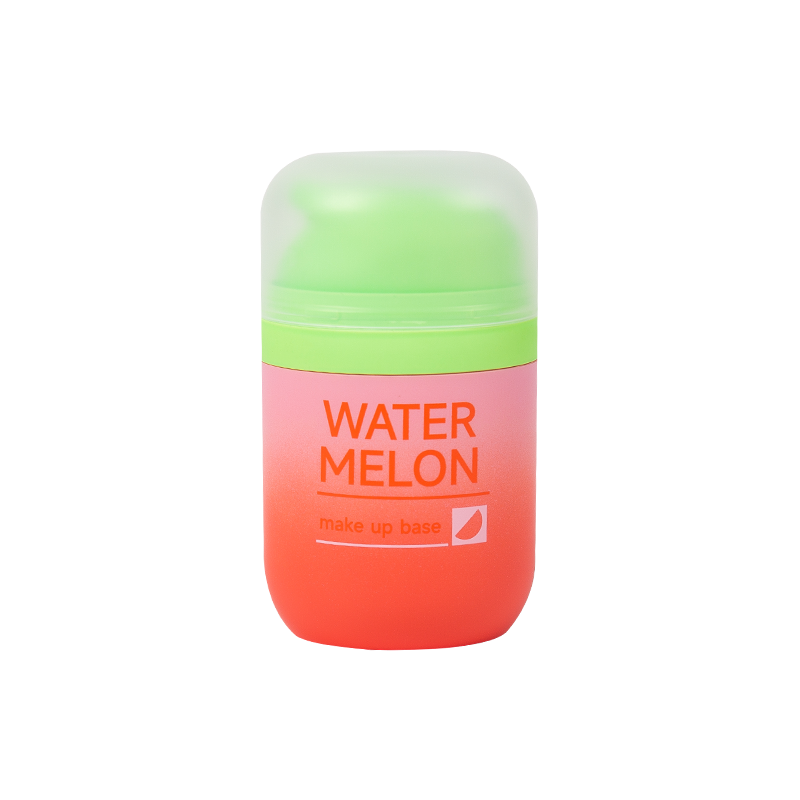
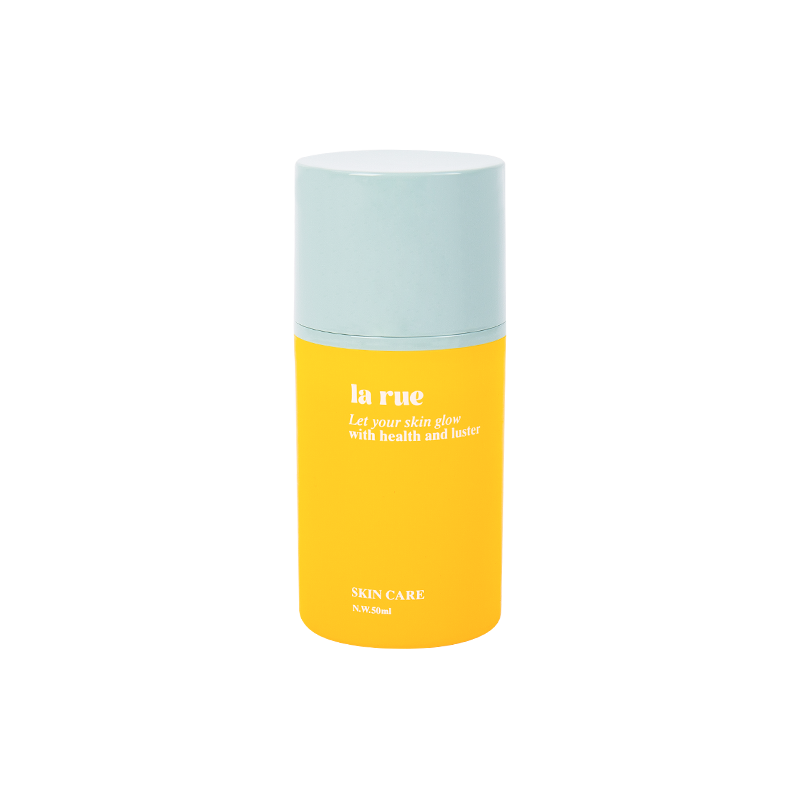
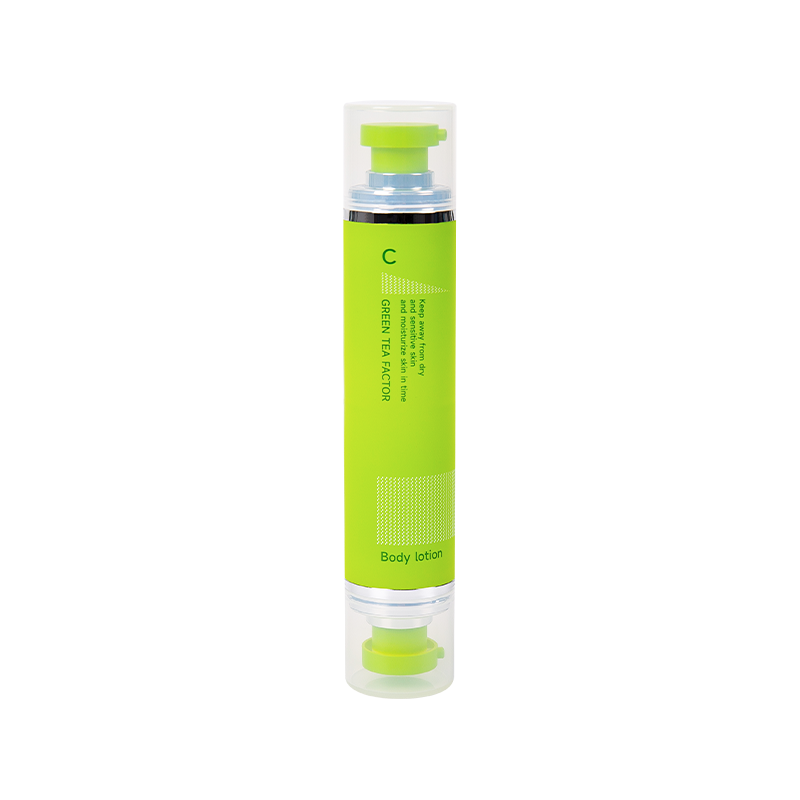
A lotion pump is a dispensing mechanism attached to the neck of a bottle that delivers a measured dose of liquid or semi-liquid product — such as lotion, shampoo, liquid soap, serum, or conditioner — with each press of the actuator head. The pump replaces open-top or flip-cap dispensing systems with a controlled, hygienic, and convenient mechanism that keeps the product sealed between uses and delivers a consistent output volume every time it is pressed. For consumers, this means no mess, no over-dispensing, and no need to invert or squeeze the bottle. For manufacturers and brands, a well-specified lotion pump dispenser is a functional component that also contributes significantly to the packaging's premium positioning and user experience.
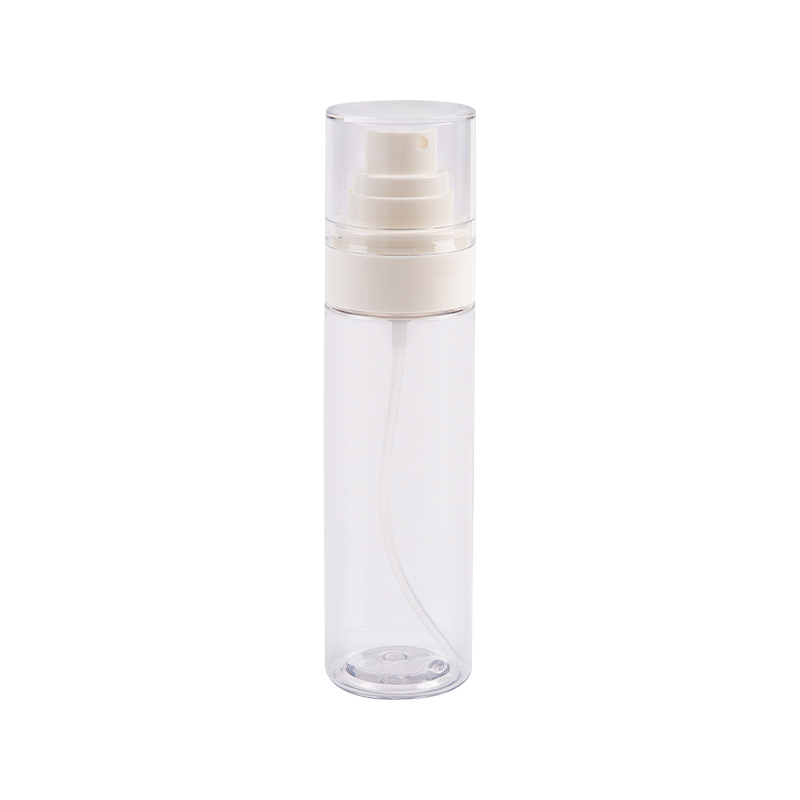
The mechanism inside a lotion pump is more sophisticated than it appears from the outside. When the actuator head is pressed down, it compresses a spring-loaded piston inside a cylinder. This compression forces product up through the dip tube from the bottom of the bottle, through the pump body, and out through the nozzle. When the actuator is released, the spring returns the piston to its resting position, creating a negative pressure that draws more product up from the bottle in preparation for the next press. A ball valve or membrane at the base of the pump cylinder prevents product from flowing back down the dip tube between uses, maintaining the prime and ensuring the pump delivers a full dose from the first press after priming.
The Main Types of Lotion Pump Dispensers
Not all lotion pumps are built the same. The category encompasses several distinct designs, each optimized for different product viscosities, output volumes, packaging formats, and market positioning requirements. Understanding the differences allows formulators, packaging engineers, and brand managers to match pump type to product and brand needs precisely.
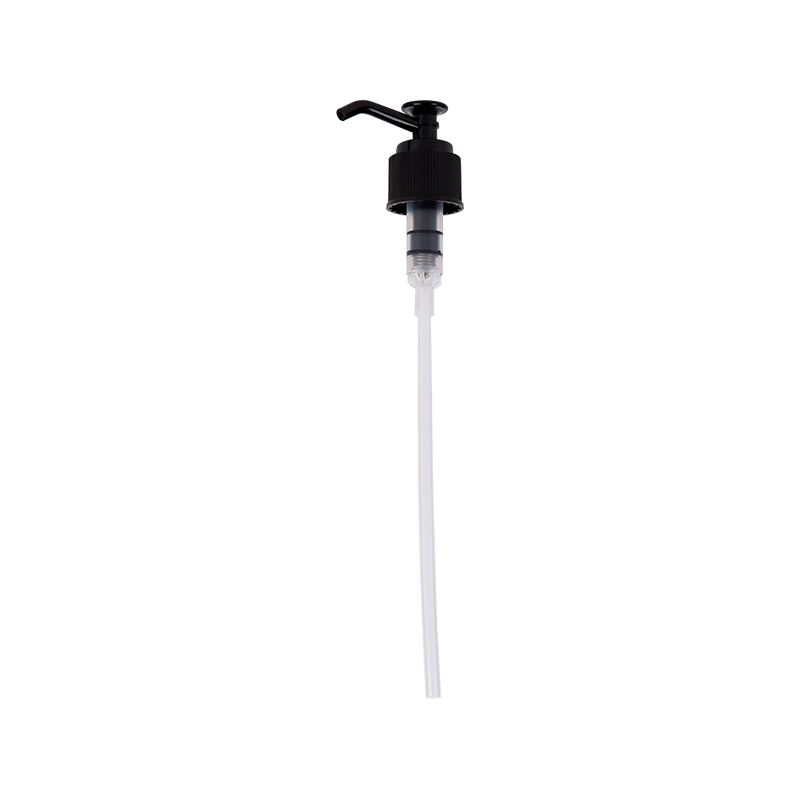
Standard Lotion Pump
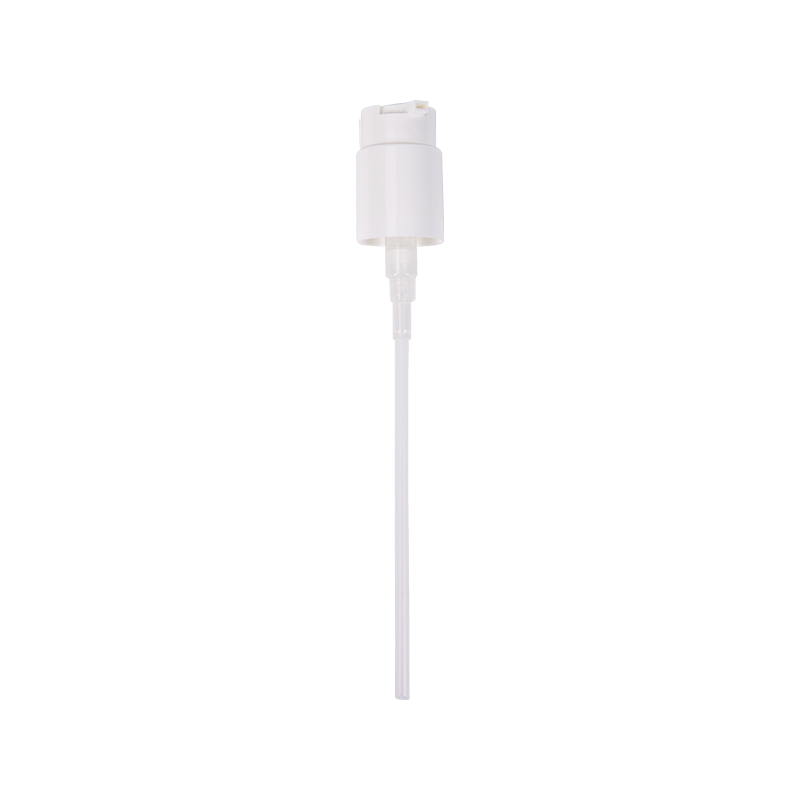
The standard lotion pump is the most widely used format in personal care and cosmetic packaging. It features a straight or angled nozzle, a cylindrical pump body, and a dip tube sized to reach the bottom of the bottle. Standard lotion pumps are available in a wide range of output doses — typically from 0.5ml to 4ml per stroke — and in neck finishes to fit the most common bottle neck sizes including 24/410, 28/410, and 33/400. They are engineered to handle product viscosities from thin serums and toners through to medium-bodied lotions and creams. The actuator head is typically the primary design surface that brand packaging teams customize with shape, color, and finish to reflect brand identity.
Airless Pump Dispenser
Airless pump dispensers use a rising piston mechanism inside the bottle rather than a dip tube to draw product to the pump. As product is dispensed, the piston at the base of the bottle rises to maintain contact with the product column, preventing air from entering the bottle. This design eliminates oxidation of air-sensitive formulations — particularly relevant for products containing antioxidants, vitamin C, retinoids, and other ingredients that degrade on air exposure. Airless pump dispensers also allow near-complete evacuation of product from the bottle, reducing waste from product left behind in conventional dip tube systems. The trade-off is higher cost and greater sensitivity to product viscosity — very thick or very thin formulations may not work optimally in airless systems without careful specification.
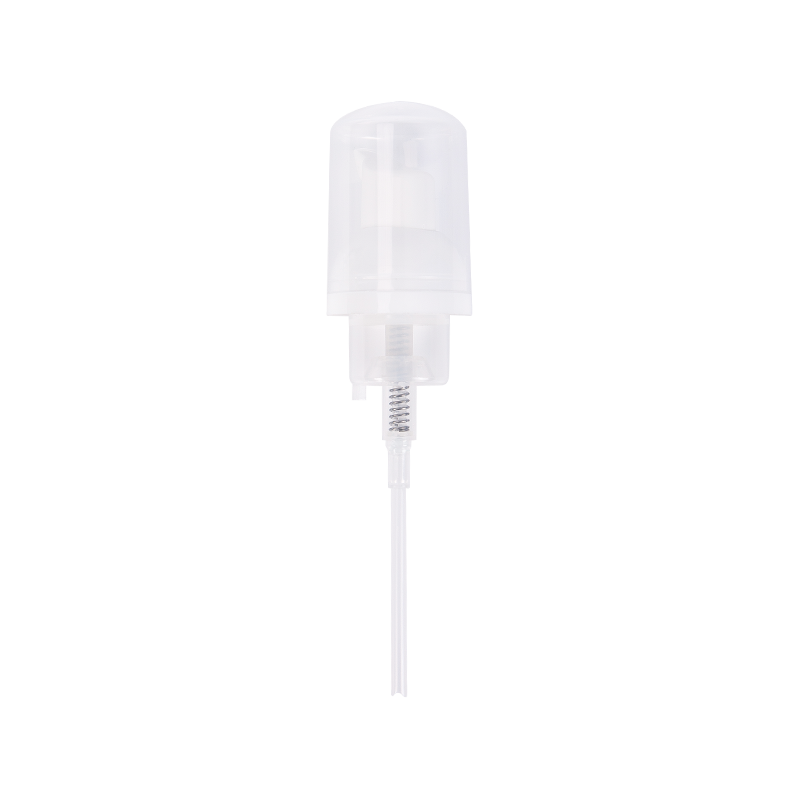
Foam Pump Dispenser
Foam pump dispensers contain a mesh or membrane inside the pump body that aerates the liquid product as it is dispensed, converting a low-viscosity liquid soap or cleanser into a rich foam at the point of dispensing. The product formulation for a foam pump must be specifically designed for this dispensing method — it must be dilute enough to pass through the foam mesh and have sufficient foaming agents to generate a stable foam. Foam pumps are extensively used for hand soaps, facial cleansers, shaving foams, and body wash products where the foam format improves user experience and also controls product usage by delivering a large, satisfying amount of foam from a relatively small volume of liquid concentrate.
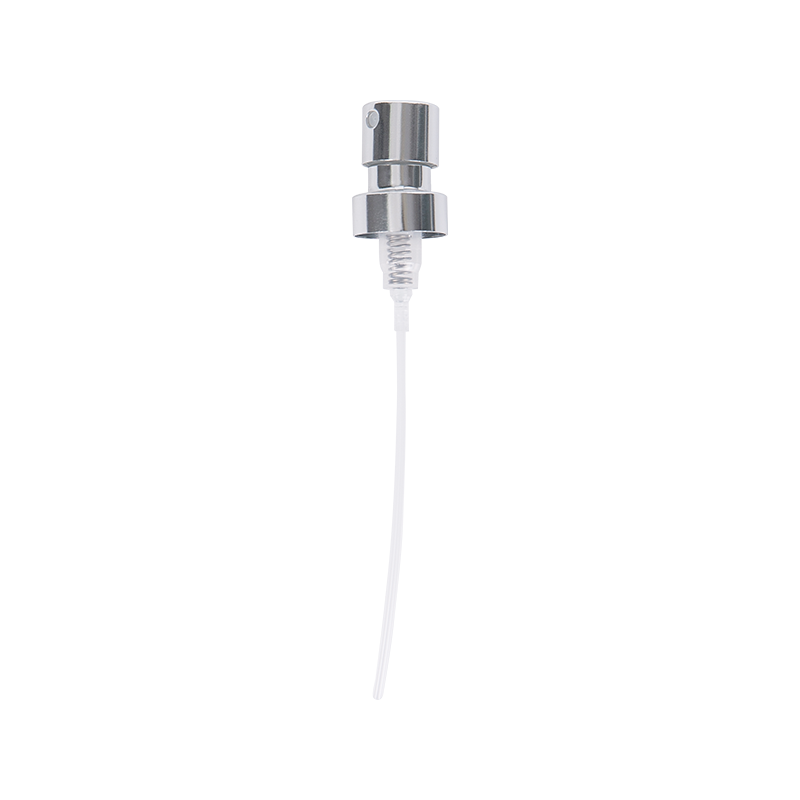
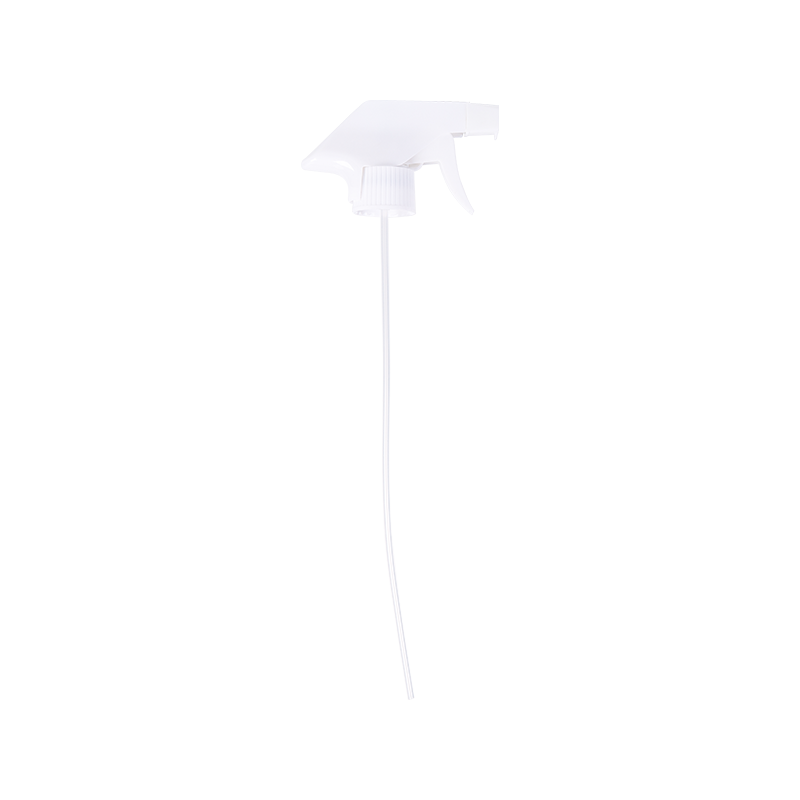
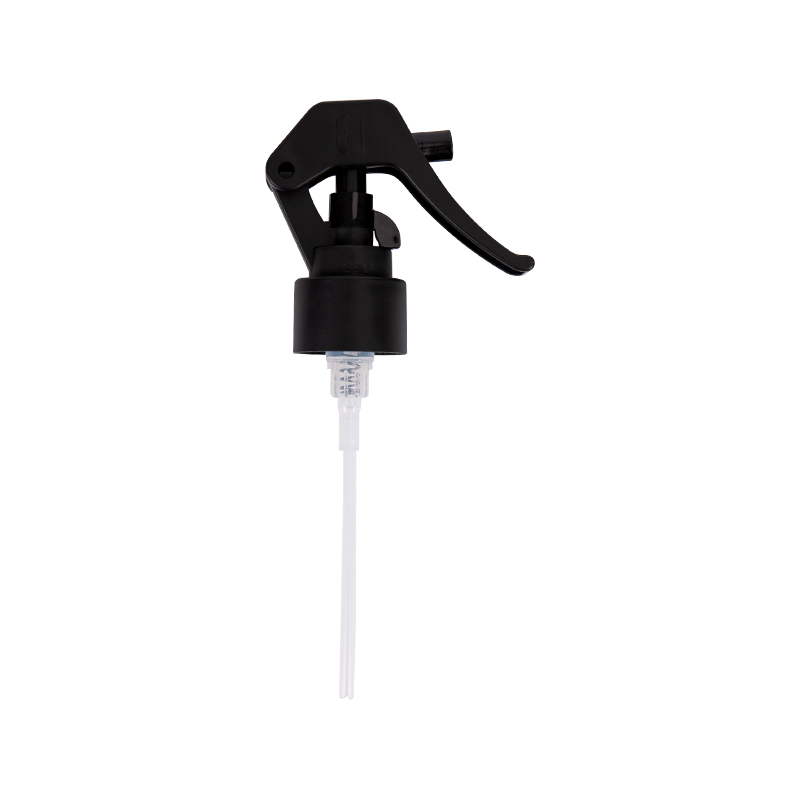
Fine Mist Spray Pump
While technically a spray rather than a lotion pump, fine mist spray dispensers are closely related mechanically and are often specified alongside lotion pumps in cosmetic packaging ranges. They dispense very thin, watery products — toners, facial mists, setting sprays, perfumes, and leave-in hair treatments — as a fine aerosol mist without propellant gases. The pump mechanism is similar to a lotion pump but with a very small orifice nozzle that breaks the liquid into fine droplets under pressure. Fine mist spray pumps are not suitable for viscous products, which clog the orifice, but for thin formulations they provide an elegant and highly functional dispensing format.
Treatment Pump and Serum Pump
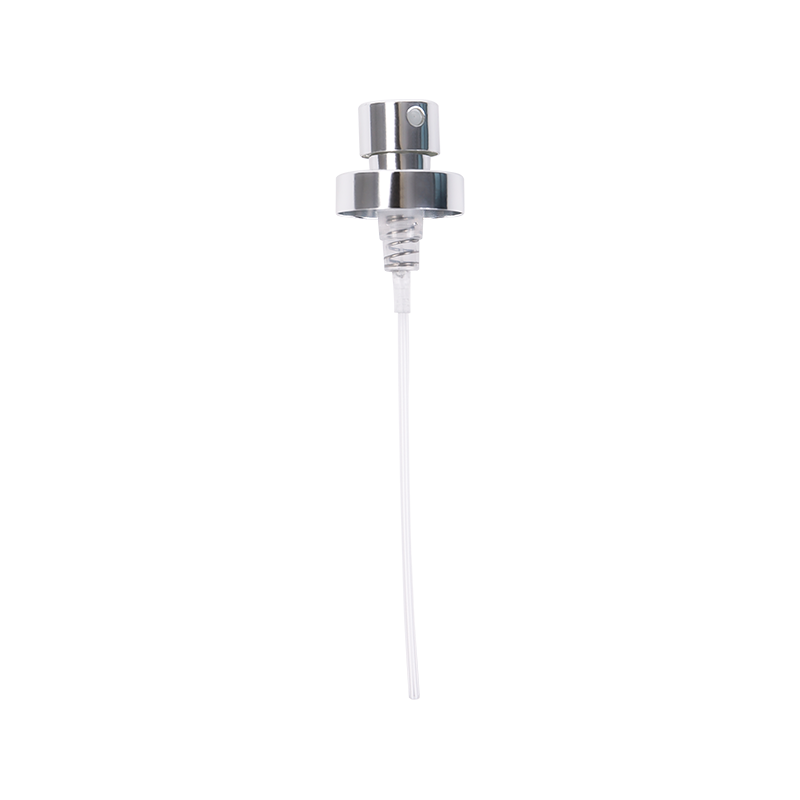
Treatment pumps are precision dosing dispensers designed for high-value skincare formulations — serums, ampoules, concentrated treatments, and luxury face creams — where dispensing accuracy and dose control are premium requirements. They typically deliver very small doses per stroke, from 0.1ml to 0.5ml, using a finely engineered pump cylinder with tight manufacturing tolerances. Treatment pumps are often paired with airless bottle systems for maximum formulation protection and positioned in premium packaging with metal overcaps, weighted actuators, and high-gloss or matte lacquer finishes that communicate the product's value positioning.
Key Specifications to Understand When Selecting a Lotion Pump
Several technical parameters define a lotion pump's suitability for a specific product and packaging combination. Getting these specifications right during the development phase prevents expensive compatibility problems, reformulation costs, and consumer complaints after launch.
| Specification |
Typical Range |
Why It Matters |
| Output Dose Per Stroke |
0.1 ml – 4.0 ml |
Determines product usage rate and consumer experience |
| Neck Finish / Closure Size |
18/410, 20/410, 24/410, 28/410, 33/400 |
Must match bottle neck dimensions exactly |
| Dip Tube Length |
Custom-cut to bottle height |
Must reach near bottle base without touching or kinking |
| Actuation Force |
10 N – 40 N |
Affects ease of use; critical for elderly or disabled users |
| Viscosity Range |
100 cP – 50,000 cP depending on design |
Determines whether product can be drawn through pump mechanism |
| Material Compatibility |
PP, PE, SS, glass, aluminum |
Must resist chemical degradation from formulation ingredients |
| Priming Strokes Required |
2 – 6 strokes typically |
Affects first-use experience and consumer satisfaction |
| Dispensing Rate Consistency |
±5% or better for quality grades |
Ensures consistent product delivery throughout bottle life |
Material Choices in Lotion Pump Construction
The materials used to construct a lotion pump determine its chemical compatibility with the product formulation, its mechanical durability, its aesthetic finish options, and its sustainability profile. Most lotion bottle pumps are constructed predominantly from polypropylene (PP) plastic, but the specific components and optional upgrades vary considerably between pump grades and suppliers.
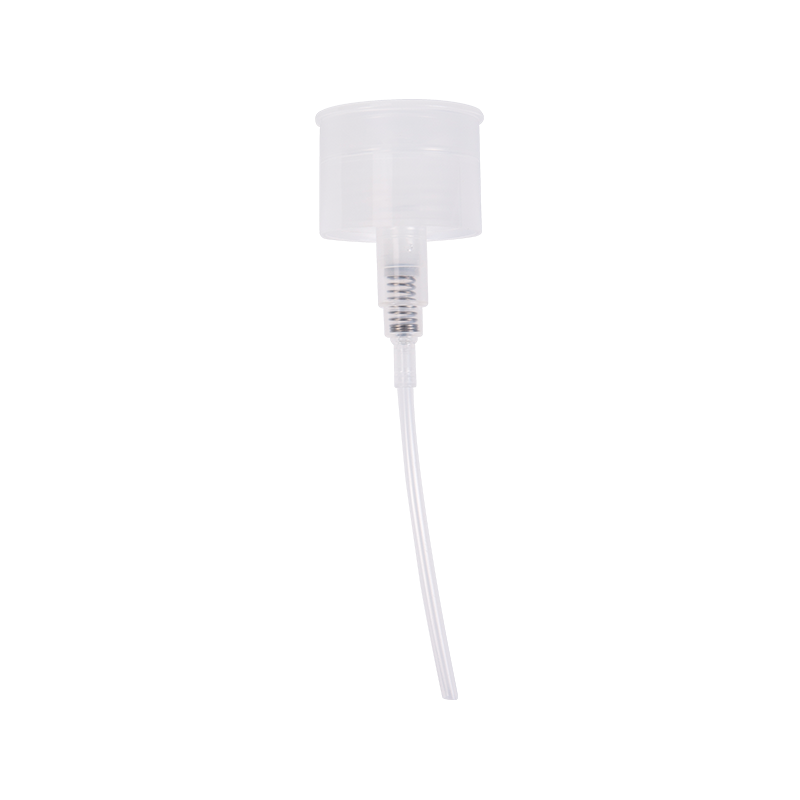
Polypropylene (PP) Construction
The majority of standard lotion pump components — the pump body, actuator, closure collar, and dip tube — are manufactured from polypropylene. PP offers an excellent balance of chemical resistance, mechanical strength, and processability that makes it the default material for cosmetic pump dispensers. It resists most common cosmetic formulation ingredients including alcohols, mild acids and bases, and most fragrance components at typical use concentrations. PP can be produced in virtually any color, overmolded with soft-touch materials, and finished with UV coating, metallization, or lacquer to achieve premium aesthetic effects. The main limitation of PP is poor resistance to certain essential oils, high-concentration alcohol formulations, and strong solvents — these applications may require alternative materials.
Metal Components and Premium Finishes
Premium lotion pumps for luxury skincare and fragrance packaging incorporate metal components — typically aluminum actuators, collar rings, and overcaps — that provide a substantially different aesthetic from all-plastic construction. Aluminum components offer a cool-to-touch sensation, precise machined edges, and a visual weight that communicates premium quality. Stainless steel springs inside the pump mechanism are standard across most pump grades, as they provide better corrosion resistance than carbon steel in contact with water-based formulations. Some luxury pump specifications also incorporate glass components — glass dip tubes and glass actuator inserts — particularly where formulation compatibility with any plastic material cannot be confirmed.
Sustainable and Recycled Material Options
As sustainability requirements in cosmetic packaging become increasingly important — driven by brand commitments, retailer policies, and regulation — lotion pump suppliers have developed several material alternatives to standard virgin PP construction. Post-consumer recycled (PCR) PP and PCR PE are available for pump bodies and dip tubes from suppliers who have invested in the supply chain infrastructure to source and process recycled plastics to cosmetic component standards. Mono-material pump designs — where all plastic components are constructed from a single polymer type — improve end-of-life recyclability by eliminating the need to separate different plastics before recycling. Fully recyclable metal pump designs using aluminum throughout are available from premium suppliers for brands where sustainability is a primary positioning message alongside luxury aesthetics.
Matching the Lotion Pump to the Product Formulation
The most common — and most costly — mistake in lotion pump selection is choosing a pump based on aesthetic or commercial considerations without adequately testing its compatibility with the actual product formulation. A pump that looks perfect for the brand and fits the bottle precisely can still fail completely if the product viscosity is outside the pump's operating range or if a formulation ingredient attacks the pump materials over time.
Product viscosity is the starting point for pump selection. Very thin, watery products — toners, micellar waters, lightweight serums — require a pump with a fine nozzle orifice and low back pressure to dispense cleanly without dripping between uses. Products in this viscosity range (below approximately 500 cP) can also cause drip-back or leakage if the pump's ball valve or membrane closure does not seal adequately at low viscosity. Medium-viscosity products — standard lotions, hand creams, body washes — are the most straightforward to handle and are compatible with the widest range of standard lotion pump designs. High-viscosity products — thick face creams, body butters, dense gel formulations above approximately 20,000 cP — require specially designed high-viscosity pumps with larger cylinder bores, wider nozzle orifices, and stronger springs to generate sufficient pressure to move the product through the pump mechanism.
Chemical compatibility testing should be conducted on every new product-pump combination before commercial launch. The standard protocol is a fill compatibility study where the product is filled into the complete assembled pump and bottle pack, stored at accelerated aging conditions (typically 40°C and 50°C for 4–12 weeks), and then evaluated for changes in pump performance, product appearance, product chemistry, and any physical degradation of the pump components. Any sign of swelling, discoloration, cracking, or loss of mechanical function in the pump during this testing indicates an incompatibility that must be resolved before the product reaches market.
Lotion Pump Sizing and Neck Finish Compatibility
Getting the physical fit between the lotion pump and its bottle correct is non-negotiable — an ill-fitting pump either won't seal properly, causing leakage, or won't fit on the bottle at all. Pump closure dimensions follow standardized neck finish specifications that are also used for caps and closures across the packaging industry, which simplifies selection once the bottle neck finish is known.
- Neck finish designation explained: The neck finish specification consists of two numbers — for example, 24/410. The first number (24) is the outer diameter of the bottle neck in millimeters. The second number (410) is a thread style code that defines the thread profile and pitch. A pump specified as 24/410 will fit any bottle with a 24mm neck diameter and 410-style thread, regardless of the bottle material, shape, or supplier.
- Common neck finish sizes by application: 18/410 and 20/410 neck finishes are used on small serum bottles and treatment vials typically up to 30ml. 24/410 is the most common size for standard lotion and shampoo bottles from 100ml to 300ml. 28/410 fits larger bottles in the 300ml to 500ml range. 33/400 is used on large-format dispensing bottles including 500ml hand soap dispensers and 1L body wash bottles. Always verify the neck finish of the specific bottle being used rather than assuming based on bottle volume alone.
- Dip tube length must be specified correctly: The dip tube extends from the base of the pump body to near the bottom of the bottle, drawing product up to the pump. If the dip tube is too short, significant product is left in the bottle below the tube end when the pump stops drawing — wasted product that the consumer cannot access. If the dip tube is too long, it buckles at the bottle base and can block flow or prevent the pump from priming. Specify dip tube length as the internal bottle height minus 5–10mm, and confirm with a physical trial assembly before finalizing the specification.
- Closure torque and seal integrity: The pump collar must engage the bottle neck thread securely enough to create a leak-proof seal during distribution and retail display, but not so tightly that consumers cannot remove the pump for refilling or disposal. The standard approach is a gasket or liner inside the pump collar that compresses against the bottle neck finish face to create the primary seal, with the thread providing the clamping force. Request torque specifications from the pump supplier and verify that the recommended application torque produces both a leak-proof seal and acceptable consumer removal torque on the specific bottle being used.
Common Lotion Pump Problems and How to Solve Them
Even well-specified lotion pumps can develop performance issues if the product formulation, filling process, or storage conditions fall outside the pump's design parameters. Being able to diagnose problems quickly and identify their root cause prevents product recalls, consumer complaints, and unnecessary component changes.
Pump Fails to Prime or Loses Prime
A pump that requires excessive strokes to prime on first use, or that loses prime after sitting unused for a period, is one of the most common consumer complaints for lotion dispensers. The root cause is almost always either a ball valve that does not seat properly — allowing product to drain back down the dip tube between strokes — or a product viscosity too low to maintain the column of product in the dip tube against gravity. Solutions include specifying a pump with a more positive ball check valve closure, using a pump with a shorter dip tube to reduce the column height that must be maintained, or thickening the product formulation slightly to improve prime retention. For long dip tube configurations in tall bottles, specifying a pump with a silicone or EPDM membrane valve rather than a ball check valve significantly improves prime retention with thin products.
Inconsistent Dose Output
If the pump delivers noticeably different volumes on successive strokes — sometimes a full dose, sometimes significantly less — the most likely causes are a worn or damaged spring losing its return force, air ingress into the pump cylinder from a loose dip tube connection or cracked pump body, or product viscosity varying with temperature causing inconsistent flow through the pump orifice. Check the pump assembly for any physical damage or loose connections first. If the pump components are intact, test the product at the temperature range it will be stored and used — if viscosity varies significantly with temperature, the pump orifice size may need to be adjusted to maintain consistent output across the expected temperature range.
Product Leaking Around the Closure
Leakage at the junction between the pump collar and the bottle neck is a serious distribution problem that can cause product damage, consumer safety issues with certain formulations, and significant brand reputation damage. The primary cause is almost always insufficient closure torque during filling, a mismatched neck finish between pump and bottle, or a damaged or incorrectly seated collar gasket. Secondary causes include bottle neck dimensional variation outside specification, thermal expansion and contraction during distribution causing the closure to loosen, and certain formulation ingredients plasticizing or softening the gasket material. Conduct a distribution simulation test — subjecting filled and sealed packages to the mechanical shock and vibration conditions of real distribution — before commercial launch to verify that the pump-bottle-product combination maintains seal integrity throughout the supply chain.
What to Look for When Sourcing a Lotion Pump Supplier
The lotion pump supplier relationship is a technical partnership that extends well beyond the initial purchase transaction. Pump performance is critical to consumer experience, and problems discovered after a product launch are significantly more expensive to resolve than issues caught during proper pre-launch qualification. Evaluating suppliers carefully on several dimensions reduces the risk of encountering serious problems in market.
- Manufacturing quality systems and certifications: Reputable cosmetic pump dispenser suppliers operate quality management systems certified to ISO 9001 at minimum, with many also holding ISO 15378 certification for primary pharmaceutical packaging components. Request evidence of current certification and ask about the supplier's incoming material inspection and outgoing quality control procedures for dimensional, functional, and cosmetic attributes.
- Technical documentation and test data availability: A professional pump supplier should be able to provide complete technical data sheets including dimensional drawings, material specifications for all components, actuation force data, dose output data across the stated viscosity range, and chemical resistance information for the materials used. Suppliers who cannot provide this information readily are unlikely to be able to support technical troubleshooting if problems arise after launch.
- Minimum order quantities and lead times: Lotion pump minimum order quantities from tier-one suppliers typically start at 10,000 to 50,000 units per SKU, with standard lead times of 8 to 14 weeks from order confirmation. For brands in early development or test market phases, specialist distributors who stock standard pump SKUs in smaller quantities provide greater flexibility at a higher per-unit cost. Confirm lead times explicitly for both initial orders and repeat orders — lead time reliability for replenishment orders is equally important as for the initial supply.
- Customization capability and tooling investment: Standard lotion pump actuator shapes and colors are available from stock across most suppliers. Custom actuator shapes, unique colors outside the standard palette, and branded surface treatments require new tooling — typically a significant investment that is amortized across the production volume. Ensure the supplier has confirmed tooling ownership terms clearly: who owns the tool, who is responsible for tool maintenance, and what happens to the tool if the business relationship ends. Custom tooling owned by the brand rather than the supplier provides security of supply and the freedom to move production if necessary.



 中文简体
中文简体