What Is a Trigger Sprayer and How Does It Work?
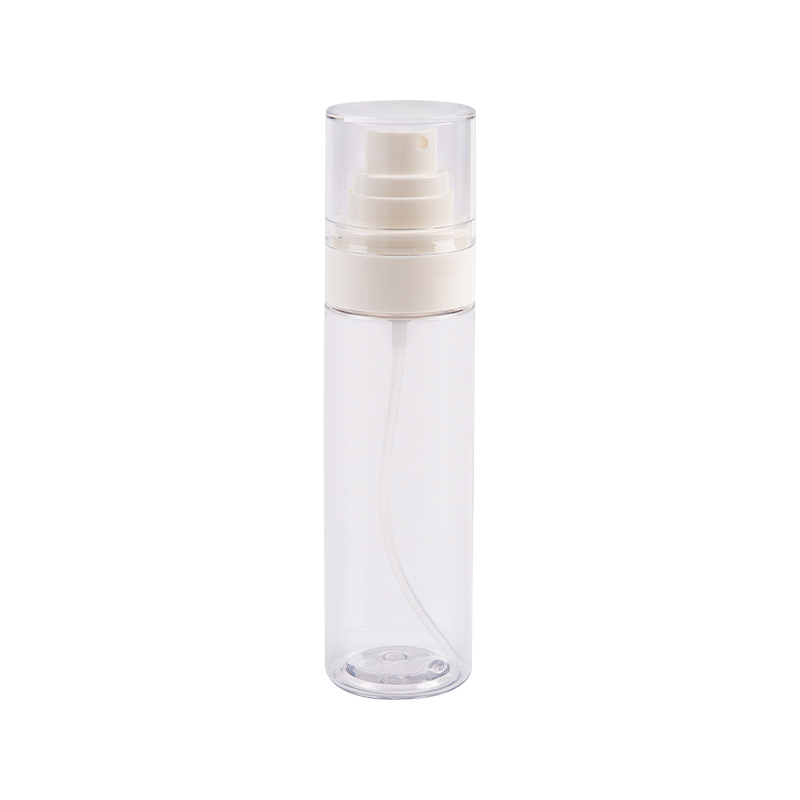
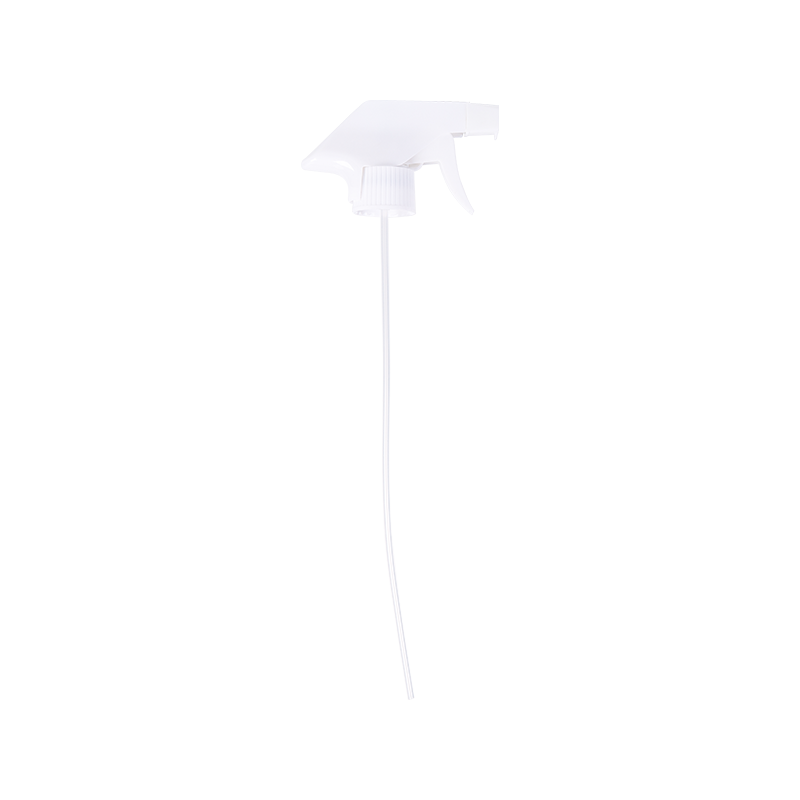
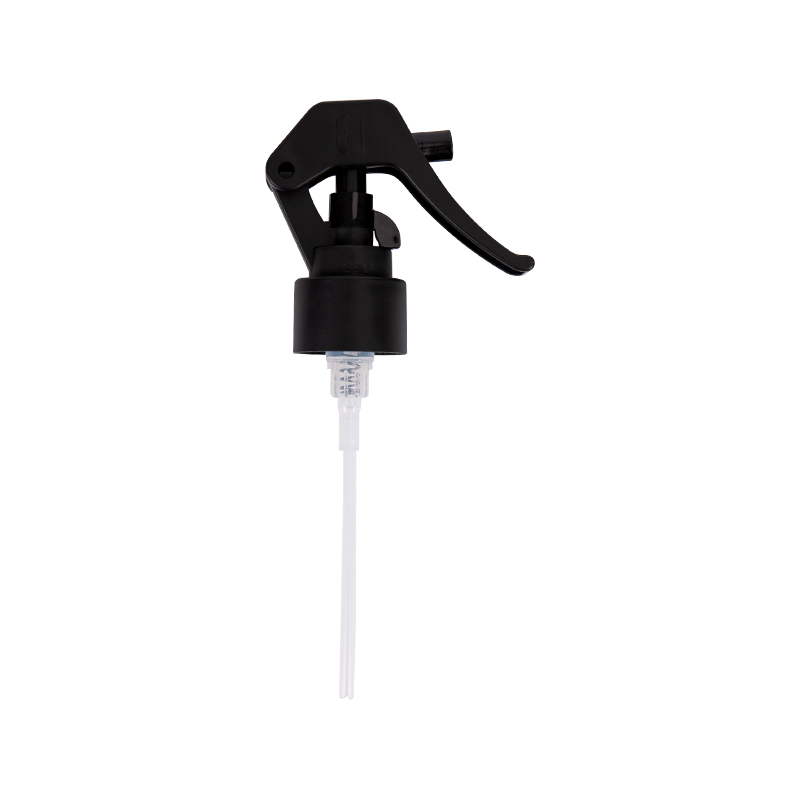
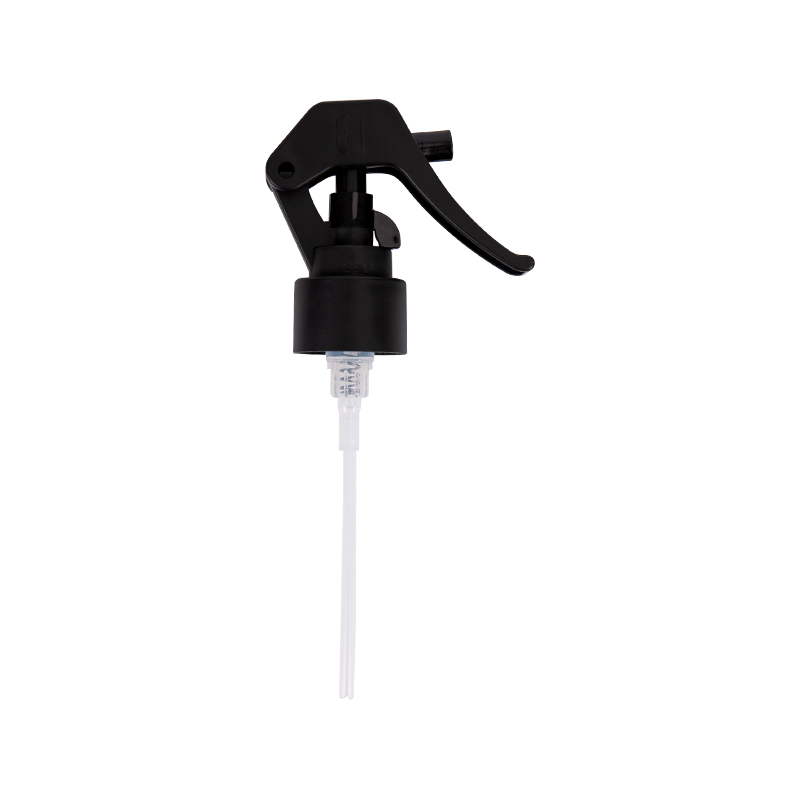
A trigger sprayer is a hand-operated dispensing device attached to the top of a bottle, designed to release liquid in a fine mist, stream, or foam pattern when the user squeezes the trigger. It's one of the most common dispensing mechanisms found on household cleaning products, personal care items, gardening solutions, and industrial chemicals. Inside the housing sits a small piston and spring system that draws liquid up through a dip tube each time the trigger is pulled, then pushes it out through a nozzle at the front.
What makes the trigger sprayer so widely used is its simplicity. There's no need for propellant gas, batteries, or complicated assembly. A single squeeze produces a consistent dose of liquid, which makes it ideal for products that need controlled, repeatable application.
The Main Components Inside a Trigger Sprayer
Even though a trigger sprayer looks like a single molded piece from the outside, it's actually made up of several small components working together. Understanding these parts helps explain why some sprayers feel smoother or last longer than others.
- Trigger and housing: the outer shell and lever that the user squeezes to activate the pump
- Piston and cylinder: the internal mechanism that creates suction to draw liquid from the bottle
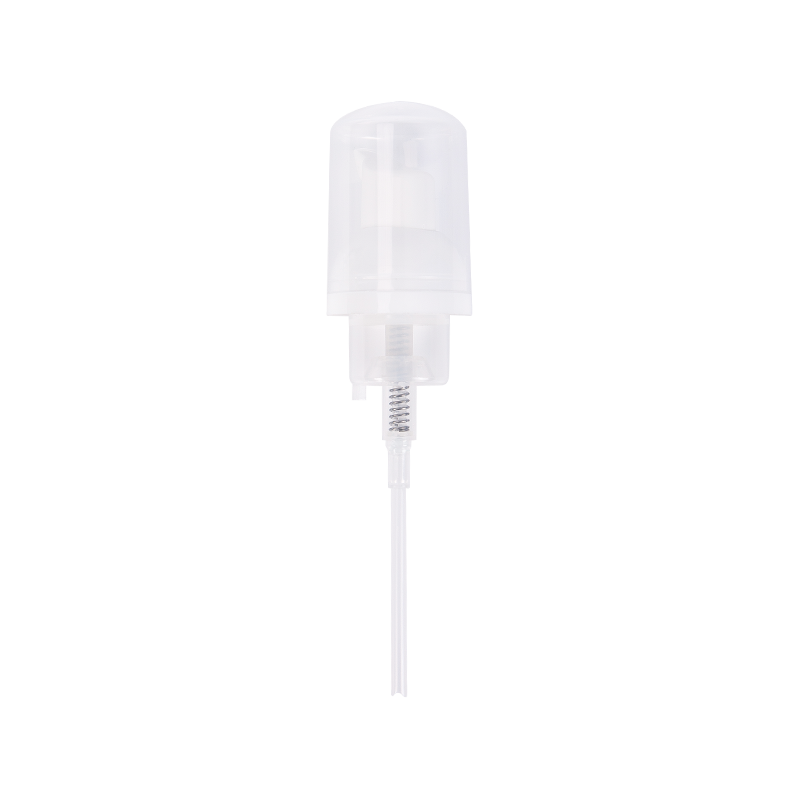
- Spring: returns the trigger to its original position after each squeeze, allowing repeated use
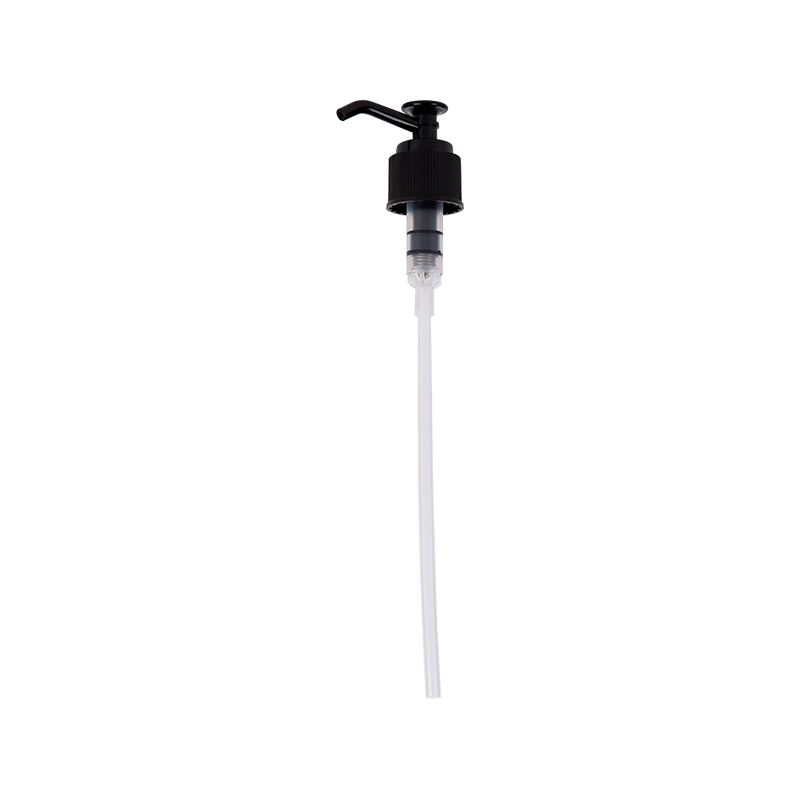
- Dip tube: the plastic straw that extends into the bottle to pull liquid up to the pump
- Nozzle tip: controls the spray pattern, often adjustable between mist, stream, and off settings
Higher-quality trigger sprayers use stainless steel springs and reinforced piston seals, which resist corrosion from harsh chemicals and last significantly longer than cheaper models that rely on standard carbon steel springs.
Different Spray Patterns and What They're Used For
Not all trigger sprayers produce the same output. The nozzle design determines whether the liquid comes out as a fine mist, a focused stream, or a thicker foam, and each pattern suits different applications.
Fine Mist Sprayers
Fine mist trigger sprayers break the liquid into tiny droplets, making them well-suited for glass cleaners, hair care products, and air fresheners where even, light coverage is the goal. The fine spray pattern reduces product waste and avoids over-saturating the surface being treated.
Stream Sprayers
Stream-pattern trigger sprayers deliver a more concentrated, direct flow of liquid, which works well for spot treatments like stain removers or targeted pest control sprays where precision matters more than coverage area.
Foam Sprayers
Foam trigger sprayers mix air into the liquid as it's dispensed, producing a foam texture that clings to vertical surfaces longer than a liquid spray would. These are popular for bathroom cleaners and degreasers, since the foam stays in place long enough to break down grime before being wiped away.
Choosing the Right Trigger Sprayer for Your Product
Picking the right trigger sprayer isn't just about appearance. The wrong choice can lead to chemical degradation, clogging, or inconsistent spray output once the product reaches the end user.
| Product Type |
Recommended Sprayer Feature |
| Household Cleaners |
Chemical-resistant seals and adjustable nozzle |
| Cosmetic and Personal Care |
Fine mist nozzle with smooth, low-effort trigger pull |
| Agricultural and Gardening Sprays |
Reinforced piston and durable spring for repeated heavy use |
| Industrial Chemicals |
Viton or chemical-grade seals resistant to solvents and acids |
It's also worth checking the bottle's neck finish, since trigger sprayers need to match the thread size of the bottle they're being paired with. The most common sizes are 28/400 and 28/410, but mismatched threads will either leak or fail to screw on securely.
Common Problems and How to Troubleshoot Them
Even well-made trigger sprayers can run into issues over time, especially with frequent use or exposure to thicker or more viscous liquids. Knowing how to troubleshoot common problems can save a trip to the store for a replacement.
- If the sprayer won't pump liquid, check whether the dip tube has come loose or detached inside the bottle
- If the spray pattern becomes weak or sputters, the nozzle tip may be clogged with dried residue and should be soaked in warm water
- If the trigger feels stiff or won't return after squeezing, the internal spring may be corroded from exposure to harsh chemicals
- If liquid leaks from the base, the seal between the sprayer and bottle neck may be worn or improperly sized
Most of these issues can be resolved without replacing the entire unit, but if the piston or spring has worn out completely, it's usually more cost-effective to replace the whole trigger sprayer rather than attempting a repair.
Why Material Quality Affects Long-Term Performance
The plastic and metal components used in a trigger sprayer directly affect how well it holds up against repeated use and chemical exposure. Lower-cost sprayers often use standard polypropylene housings paired with carbon steel springs, which can rust when exposed to bleach-based or acidic cleaning formulas. Higher-end sprayers use stainless steel springs, reinforced gaskets, and chemically resistant plastics that maintain consistent performance even after hundreds of uses.
For brands manufacturing cleaning or personal care products, investing in a slightly higher-quality trigger sprayer often pays off through fewer customer complaints about leaking, clogging, or weak spray output, which ultimately protects the brand's reputation for product reliability.



 中文简体
中文简体