What a Lotion Pump Actually Does and Why It Matters for Your Product
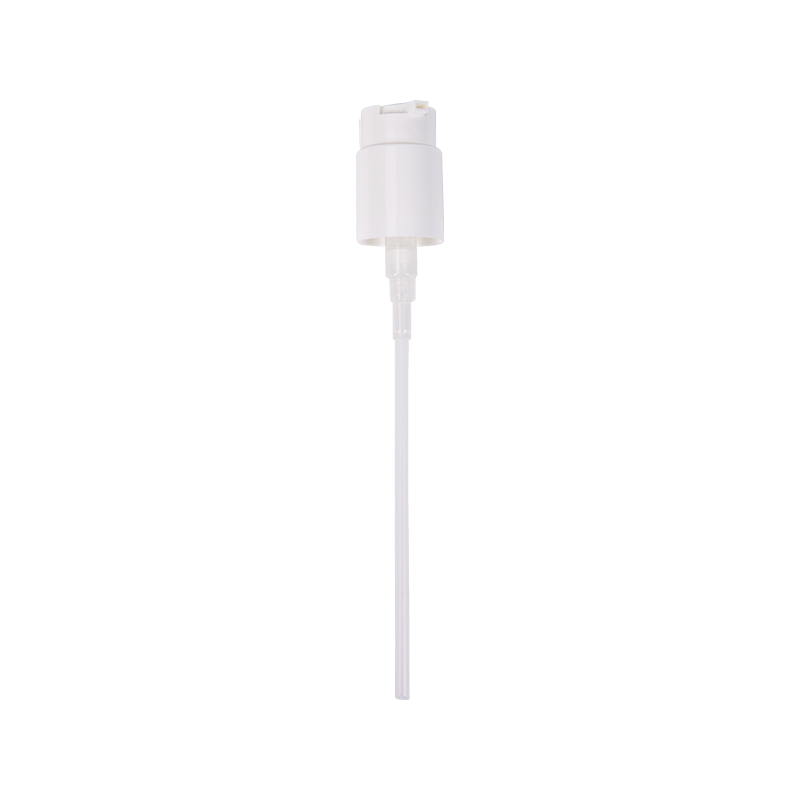
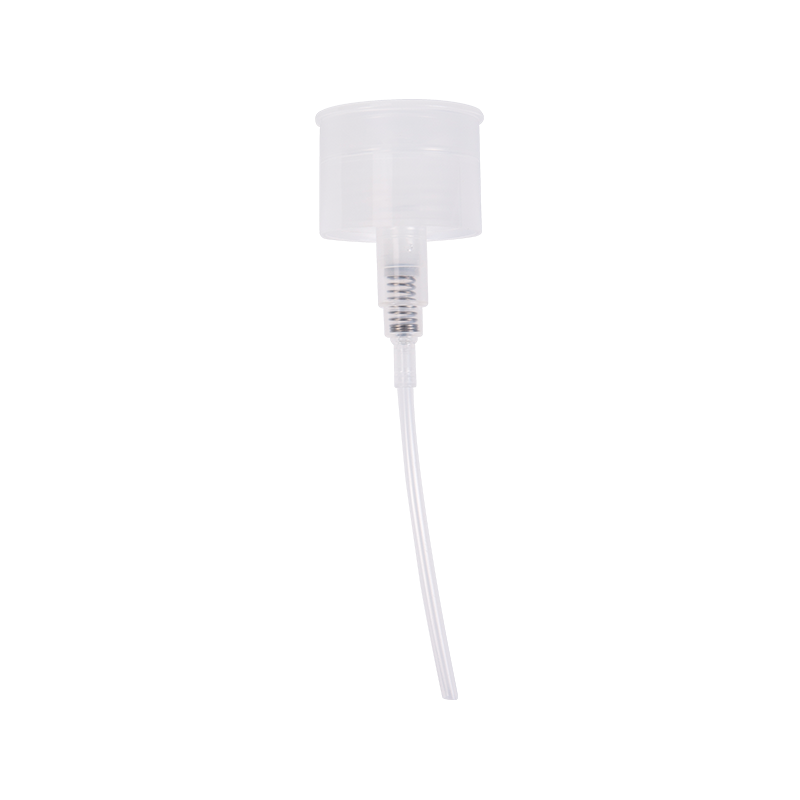
A lotion pump is the dispensing mechanism fitted to the neck of a bottle that delivers a controlled dose of product with each press, commonly used for lotions, creams, shampoos, and other medium-to-thick viscosity liquids. While it might seem like a minor component compared to the bottle or the formula inside it, the pump is actually one of the most direct touchpoints a customer has with your product — every time they reach for it, they're judging the brand based on how smoothly it dispenses, whether it's consistent, and whether it feels sturdy. A poorly performing lotion pump dispenser, even attached to a great formula, can quietly damage repeat purchase rates because customers associate a clunky or leaky pump with lower product quality, even when the formula itself is fine.
Common Pump Types and Where Each One Fits Best
Not all lotion pumps are built the same way, and choosing the right type depends heavily on your product's viscosity, packaging format, and target market positioning. Understanding the main categories helps narrow down options before getting into detailed sourcing conversations.
Standard Lotion Pumps
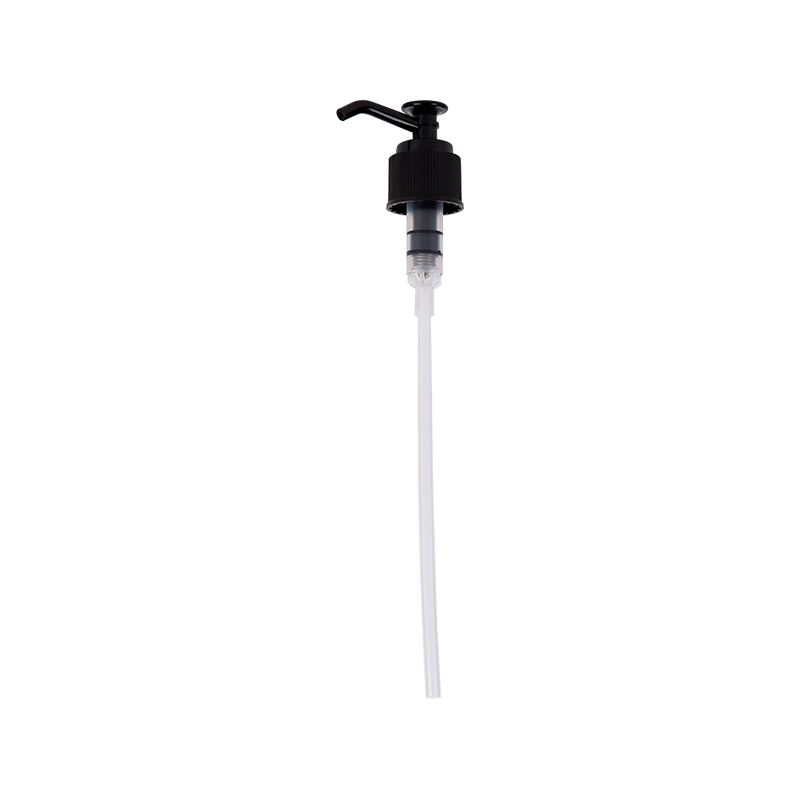
These are the most common type, designed for medium-viscosity lotions and creams. They typically use a straightforward piston mechanism with a fixed dosage output, making them a reliable default choice for body lotions, hand creams, and similar everyday personal care products.
Lock-Down or Travel-Lock Pumps
These pumps include a locking mechanism that prevents accidental dispensing during shipping or travel, which is particularly valuable for brands selling through e-commerce channels where bottles get jostled in transit. The locking feature reduces leakage complaints and product loss during shipping, which directly affects return rates and customer satisfaction.
Airless Pumps
Airless pump systems use a vacuum mechanism instead of a dip tube, which prevents air from entering the bottle as product is dispensed. This is especially useful for formulas sensitive to oxidation, such as those with active ingredients, since it extends shelf life and prevents the product from degrading or separating before it's used up.
Foaming Pumps
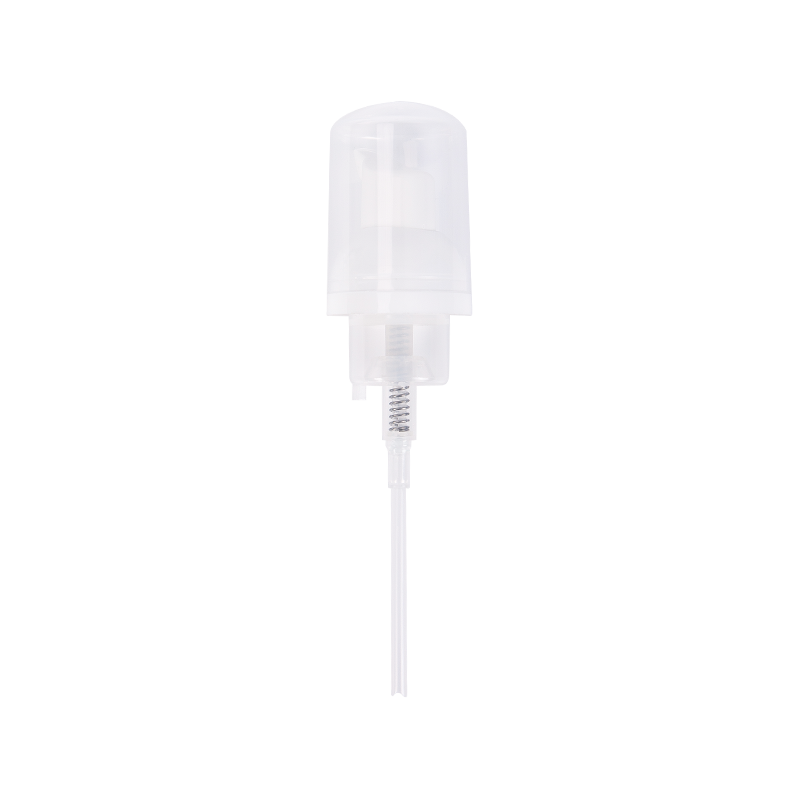
Foaming pumps mix liquid product with air as it's dispensed, producing a light foam texture. While less common for thick lotions, this format is popular for facial cleansers and lighter lotion formulas where a foam texture improves the application experience.
Dosage Output: Why Consistency Matters More Than the Number Itself
Lotion pumps are typically rated by dosage output per stroke, usually measured in milliliters, and this number directly affects how customers perceive value and how quickly they go through a bottle. A pump dispensing too little per press leads to frustrated customers pumping multiple times to get enough product, while one dispensing too much accelerates product depletion and increases the cost per use. Beyond the target dosage number itself, consistency across thousands of dispensing cycles is what actually separates a reliable pump from a poor one — a pump that starts at the correct dosage but drifts lower after repeated use will generate complaints even if the initial samples tested fine.
| Pump Type |
Typical Dosage per Stroke |
Common Use Case |
| Standard Lotion Pump |
0.5–2.0 ml |
Body lotion, hand cream |
| Airless Pump |
0.2–0.5 ml |
Serums, active-ingredient formulas |
| Foaming Pump |
0.8–1.5 ml (pre-foam) |
Facial cleansers, light lotions |
Material Compatibility and Why It Affects Both Safety and Shelf Life
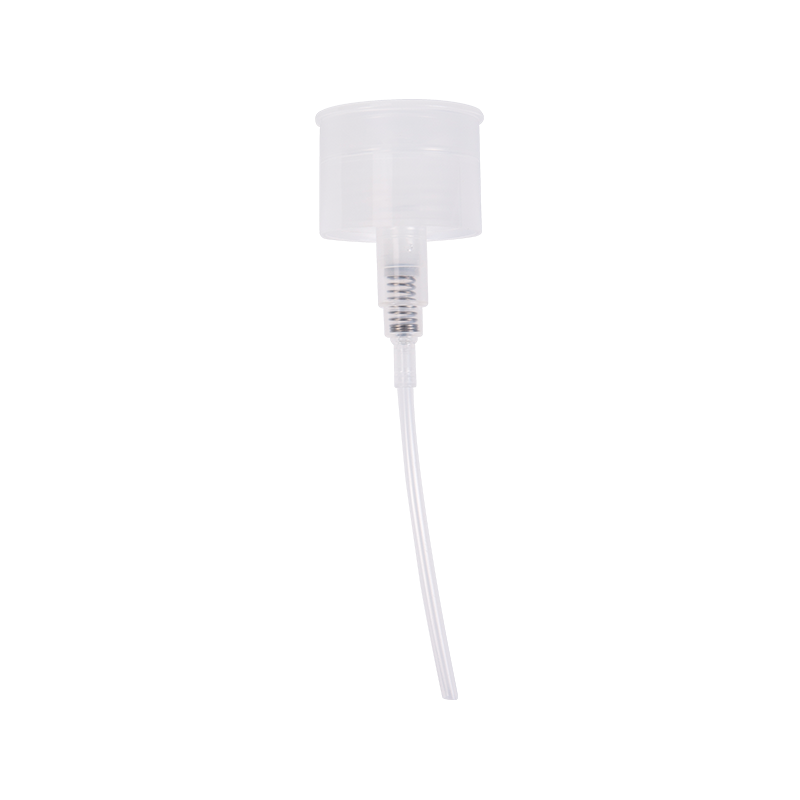
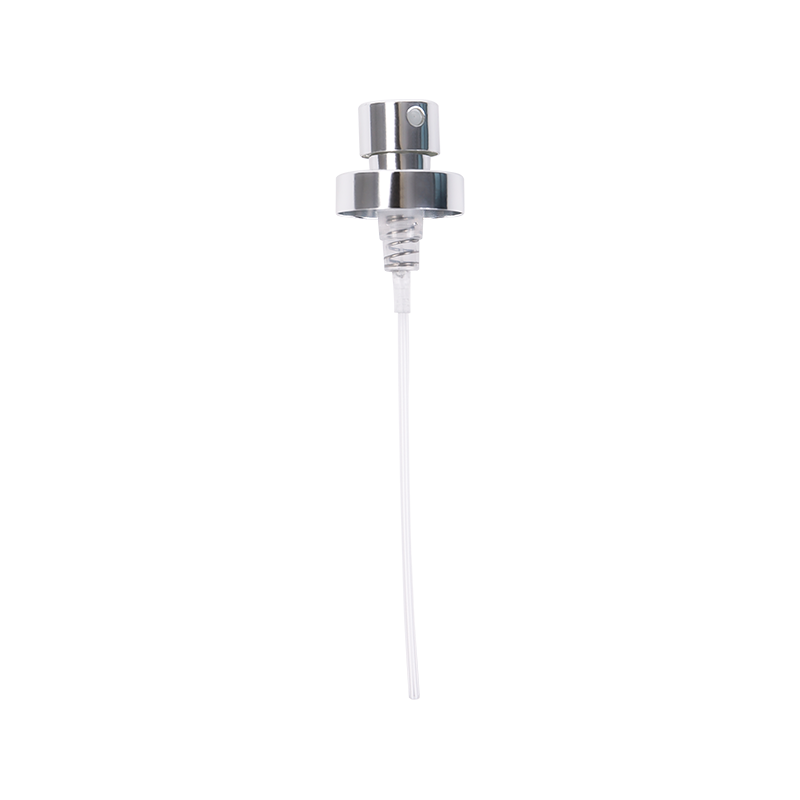
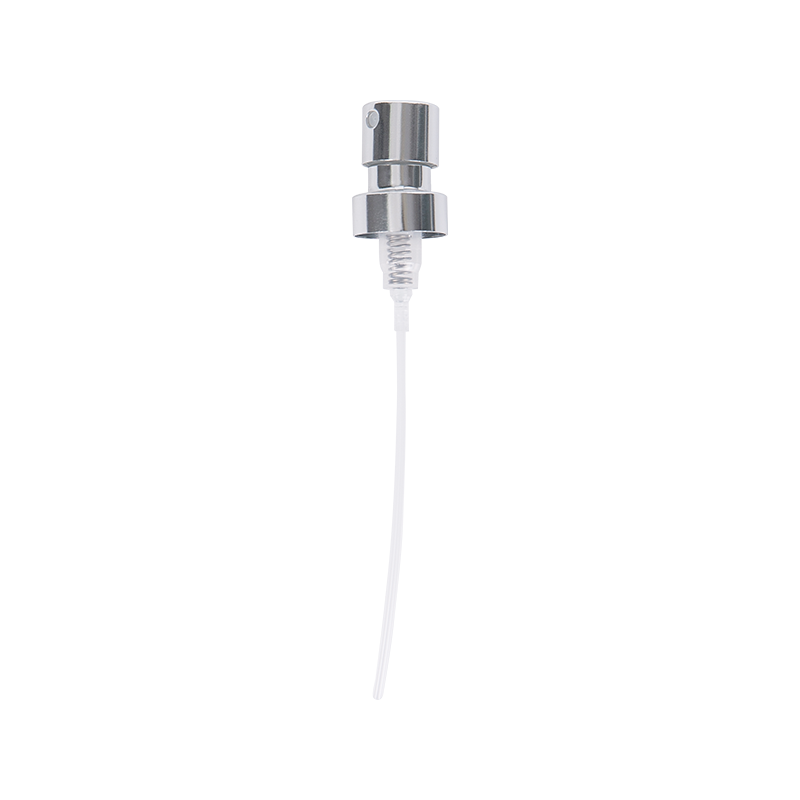
A plastic lotion pump typically combines several materials — usually polypropylene or polyethylene for the body, along with internal springs and seals made of stainless steel or other metal alloys. The compatibility between these materials and your specific formula matters more than many buyers initially expect, since certain active ingredients, essential oils, or preservative systems can interact with pump components over time, leading to discoloration, material degradation, or even contamination of the product itself.
- Request material compatibility testing if your formula contains essential oils, alcohol, or strong actives
- Confirm whether internal springs are stainless steel, since lower-grade metals can corrode with certain formulas
- Ask about gasket and seal material, as this affects long-term leak resistance
- Check whether the pump has been tested for compatibility with your bottle's neck finish and thread standard
Neck Size and Thread Compatibility: A Detail That Causes Real Production Delays
One of the most common sourcing mistakes brands make is ordering bottles and pumps separately without confirming neck finish compatibility in advance. Lotion pumps come in standardized neck sizes, commonly 18/410, 20/410, 24/410, and 28/410, with the first number referring to the neck diameter in millimeters and the second referring to thread specifications. If the pump and bottle don't match exactly, the entire order can be unusable, leading to costly reorders and shipping delays. Buyers should always confirm neck finish specifications with both the bottle supplier and the pump supplier separately, rather than assuming compatibility based on visual similarity alone.
Questions to Ask a Lotion Pump Manufacturer Before Placing a Bulk Order
Working with an established lotion pump manufacturer rather than a generic trading supplier often makes a noticeable difference in consistency and after-sales support. Before committing to a bulk order, it's worth asking the following questions to gauge reliability.
- Can you provide dosage consistency test data across a sustained number of dispensing cycles?
- What is the minimum order quantity, and does it scale with custom colors or branding?
- Can you confirm exact neck finish specifications and provide compatibility samples with our bottle?
- Is material compatibility testing available for formulas with essential oils or active ingredients?
- What is the typical lead time for standard stock pumps versus custom-colored or branded options?
- Are samples available for in-house testing before committing to a full production run?
Making a Sourcing Decision That Protects Product Experience
Choosing the right lotion pump comes down to matching pump type, dosage consistency, and material compatibility to your specific formula and packaging requirements, rather than defaulting to whichever option looks similar to a competitor's packaging. Buyers who confirm neck finish compatibility upfront, request real dispensing consistency data, and test material compatibility with their actual formula tend to avoid the production delays and customer complaints that come from rushed pump sourcing decisions. Since the pump is one of the most frequently touched parts of the entire product experience, getting these details right has a direct impact on how customers perceive product quality every single time they use it.



 中文简体
中文简体