What Is a Cosmetic Compact and Why Does It Matter?
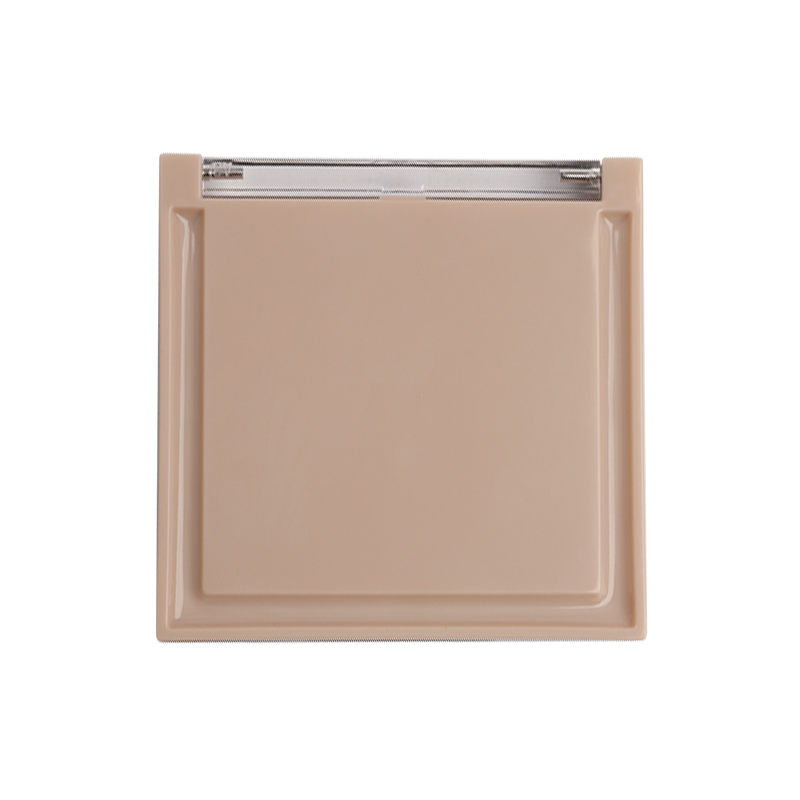
A cosmetic compact is a small, typically hinged container designed to hold pressed or solid cosmetic products — most commonly pressed powder, blush, bronzer, eyeshadow, highlighter, or foundation — along with a mirror and often a built-in applicator such as a sponge or brush. The compact format has been a cornerstone of cosmetic packaging for well over a century, dating back to the decorative powder boxes and vanity cases of the early 1900s when portable cosmetics became a symbol of modernity and feminine independence. Today, the cosmetic compact remains one of the most strategically important packaging formats in the beauty industry precisely because it simultaneously serves as a functional product container, a portable application tool, a mirror, and a brand ambassador that consumers carry with them and display publicly every time they use it.
For cosmetic brands, the compact is one of the highest-visibility packaging investments they make. Unlike a tube of cleanser or a bottle of serum that sits in a bathroom cabinet, a makeup compact travels in handbags, sits on desks, and is opened in public. Every aspect of its design — the weight in the hand, the click of the closure, the quality of the mirror, the finish of the case, the ease of the applicator — communicates something about the brand's quality and values. A heavy, cold-metal compact with a satisfying magnetic closure communicates luxury. A lightweight recycled-material compact with minimal branding communicates sustainability commitment. A compact with a bold graphic print communicates creativity and personality. Getting compact design right is both a functional and a brand-building exercise.
For consumers, understanding what differentiates a well-made cosmetic compact from a poorly made one — in terms of materials, construction, mirror quality, pan fit, and closure mechanism — helps make better purchasing decisions and ensures the product actually performs as expected over its service life. This guide covers the complete picture: compact types, materials, design elements, quality indicators, and what both buyers and brands should be evaluating.
Types of Cosmetic Compacts by Product Format
The term "cosmetic compact" covers a wide range of specific product formats, each with distinct design requirements based on the cosmetic product it houses. Understanding these formats is the starting point for both consumers selecting a product and brands designing packaging.
Pressed Powder Compact
The pressed powder compact is the most classic and widely produced compact format. It houses a pan of pressed face powder — setting powder, translucent powder, or tinted pressed powder — along with a mirror and typically a powder puff or sponge applicator. The pan is the removable metal or plastic tray that holds the pressed powder product, and it sits in a recessed well inside the compact case. Pan fit is critical: a loose pan rattles, allows powder to escape around the edges, and suggests poor manufacturing quality. A correctly fitted pan sits flush and secure but is still removable for product replacement in refillable compact designs. Pressed powder compacts range from small single-pan formats for on-the-go touch-ups to larger vanity compacts with multiple powder shades or a powder-plus-mirror format without an applicator compartment.
Blush and Bronzer Compact
Blush and bronzer compacts follow the same basic format as pressed powder compacts but are typically deeper in their pan wells to accommodate the higher-pigment, often more compressed product formulations used in blush and bronzer. Many blush compacts include a built-in brush rather than a sponge, as powder brushes are the preferred application tool for blush and bronzer. Multi-pan blush compacts — featuring two or three coordinated shades in a single case for contouring, blush, and highlight — have become increasingly popular and require compact cases designed to accommodate multiple pans in a single hinged format, with careful attention to the divider construction between pan wells to prevent product cross-contamination.
Eyeshadow Compact and Palette
Eyeshadow compacts range from single-shade formats to large multi-pan palettes holding twelve, twenty-four, or more individual shadow shades. The single-shade eyeshadow compact is functionally similar to a blush compact — a hinged case with a pan well, mirror, and applicator. Multi-pan eyeshadow palettes represent a distinct compact sub-category: they are typically larger, rectangular, and may feature a full-face mirror, multiple foam or brush applicators, and complex interior designs with varied pan sizes for different product types (eyeshadow, liner, brow product). The palette compact places particularly high demands on the case construction — the hinge must support a heavier lid without sagging, the magnetic or snap closure must hold firmly against the greater weight, and the interior layout must efficiently accommodate all pan positions without wasted space.
Foundation and BB Cushion Compact
The cushion compact is a relatively recent innovation originating from Korean beauty brands that has transformed the foundation compact category globally. Rather than a pressed powder pan, a cushion compact houses a liquid or serum-infused foundation soaked into a foam cushion puff, with a perforated inner cover to prevent the liquid from drying out. The consumer presses a flat sponge applicator onto the cushion to pick up product and applies it to the face. Cushion compacts have extremely specific packaging requirements: the case must create an airtight or near-airtight seal to prevent the liquid foundation from oxidizing or drying out between uses, the inner foil or film cover must be precisely perforated to control product release, and all materials in contact with the liquid product must be chemically compatible with the foundation formulation. Many cushion compact cases are designed as refillable systems where only the inner cushion is replaced.
Contour and Highlight Compact
Contour and highlight compacts typically feature dual-pan designs — one pan for a cool-toned contour shade and one for a warm-toned or shimmer highlight shade — in a single compact case. The design challenge with these multi-product compacts is creating clear visual separation between the two products while maintaining compact structural integrity and an aesthetically pleasing interior layout. Many contour compacts include a built-in dual-ended brush with a contour side and a highlight side, requiring a brush compartment integrated into the case design. The compact must be large enough to accommodate the brush storage without becoming impractically bulky in a handbag.
Compact Case Materials: What They Communicate and How They Perform
The material of the compact case is one of the most consequential decisions in compact packaging design. It determines the weight, durability, tactile feel, visual finish, manufacturing process, cost, and environmental impact of the finished package. Here is a detailed breakdown of the primary materials used in cosmetic compact manufacturing:
ABS Plastic
Acrylonitrile butadiene styrene (ABS) plastic is the most widely used material for cosmetic compact cases across all market segments from mass market to affordable luxury. ABS is injection-molded, which allows extremely complex geometries, fine surface detailing, and consistent dimensional accuracy at high production volumes. It is lightweight, impact-resistant, and accepts a huge range of surface finishes — from high-gloss chrome-like electroplating to soft-touch rubber coatings, UV printing, hot stamping, and silk screen decoration. ABS compacts can be produced in virtually any color and finish combination, making them highly flexible for brand expression. The main limitations of ABS are that its lightweight feel can communicate a lower-quality impression at premium price points, and it is not biodegradable or easily recyclable in standard consumer waste streams.
Zinc Alloy (Zamak)
Zinc alloy — commonly called Zamak in the cosmetic packaging industry — is a die-cast metal material used in premium and luxury compact cases. Zamak compacts are significantly heavier than plastic equivalents, which directly communicates quality and substance to the consumer. The weight of a Zamak compact in the hand is one of the most powerful sensory cues for luxury positioning — it is a physical expression of material investment that plastic cannot replicate. Zamak accepts electroplating in gold, silver, rose gold, and gun metal finishes, and can be combined with decorative elements like enamel inlay, embossing, lacquer painting, and crystal embellishment. It is the dominant material for high-end department store compacts from luxury beauty brands. The trade-offs are higher material and production cost, greater weight (which some consumers find uncomfortable in small handbags), and the energy intensity of metal die-casting manufacturing.
Aluminum
Aluminum compact cases offer a middle ground between plastic and zinc alloy — they are lightweight like plastic but have the premium metallic appearance and feel of metal. Aluminum compacts are typically produced by CNC machining or deep drawing processes, which give them clean, precise lines and a modern, minimalist aesthetic that has become strongly associated with the clean beauty and sustainable luxury positioning in contemporary cosmetic branding. Aluminum is infinitely recyclable, which makes it a compelling material choice for brands with strong sustainability commitments and consumers who prioritize environmental responsibility. Anodizing — an electrochemical process that thickens the natural oxide layer on the aluminum surface — provides a wide range of durable color options without the need for paint or plating, and creates a hard, scratch-resistant surface finish. Apple's consumer electronics aesthetic influence has made the look and feel of precision-machined aluminum genuinely aspirational in beauty packaging.
Sustainable and Bio-Based Materials
The cosmetic compact category has seen significant innovation in sustainable materials over the past several years, driven by brand sustainability commitments and consumer demand for more responsible packaging. The main sustainable material options currently being used in compact production include post-consumer recycled (PCR) ABS or PP plastic, which incorporates recycled content from consumer waste streams while maintaining functional performance comparable to virgin plastic. Bio-based plastics derived from renewable feedstocks like sugarcane (bio-PE, bio-PP) or corn starch (PLA) are used in some compact applications, though their performance and cost competitiveness with petroleum-based plastics vary significantly by material and application. Paper and cardboard compacts — with interior plastic or foil liners for product protection — are used in some sustainable positioning ranges and offer genuine end-of-life recyclability advantages over plastic, at the cost of reduced durability and water resistance.
Key Design Elements of a Well-Made Cosmetic Compact
The quality of a cosmetic compact is determined by the sum of its design details. Here is a breakdown of the most important elements that separate a well-engineered compact from a poorly made one:
The Hinge
The hinge is the mechanical heart of any hinged cosmetic compact, and it is where quality differences between compacts are most immediately apparent. A well-made hinge opens smoothly and consistently throughout its full range of motion, holds the lid at a stable angle (typically 90–120 degrees) without springing back or flopping fully open, and survives thousands of open-close cycles without loosening, squeaking, or developing play. Poor hinge construction — using thin, stamped metal or low-tolerance plastic pivots — results in a lid that becomes loose and wobbly within months of use, eventually failing entirely. Metal barrel hinges with precision-machined pivot pins are the gold standard for compact construction. The lid stopping angle is a particularly important quality indicator: a lid that holds at the correct angle for mirror use without requiring the user to hold it open demonstrates good hinge tension design.
The Closure Mechanism
The closure mechanism keeps the compact shut during storage and transport, preventing the lid from opening accidentally in a bag and contaminating the product or breaking the pressed powder pan. There are three main closure types used in compact packaging, each with different quality and sensory characteristics. Press-button closures use a spring-loaded button that locks a latch when pressed — they are functional and allow positive closure confirmation but can feel mechanical and cheap if the spring tension is poorly calibrated. Snap closures use a physical interference fit between lid and base components that snaps shut audibly — the quality of a snap closure is judged by its sound (a sharp, definitive click communicates precision manufacturing) and the force required (enough to hold reliably, light enough to open with one hand). Magnetic closures use embedded magnets in the lid and base to hold the compact shut — they close silently and smoothly with a gentle but secure pull, which is why they are the preferred closure type for premium and luxury compacts. A strong, well-centered magnetic closure with no perceptible offset or rattle is a reliable quality indicator for high-end compact construction.
The Mirror
The mirror is one of the most functionally important elements of a cosmetic compact, yet it is frequently where cost-cutting is most apparent in budget products. A quality compact mirror should be genuine glass with a high-reflectivity silver or aluminum backing — not the distorted, dark, or plastic-based pseudo-mirrors used in cheap compacts that make accurate makeup application impossible. The mirror should be flush-fitted in its frame without gaps that trap debris, secured firmly enough to survive the mechanical stress of repeated opening and closing without cracking or falling out, and sized appropriately relative to the compact — a mirror that only covers a fraction of the lid interior is a poor use of the available space. Full-coverage lid mirrors that extend to the inner edges of the lid frame maximize usable mirror area and create a more satisfying visual impression when the compact is opened. Some premium compacts include magnifying mirrors (typically 5x or 10x magnification) in a fold-out secondary mirror for detailed application work.
Pan Fit and Interior Construction
The pan well — the recessed compartment that holds the pressed product pan — must be dimensionally precise to ensure the pan sits flush, does not rattle, and does not allow powder to escape around the edges during use and transport. The pan should be removable (for refilling in refillable compact systems or for product replacement in recyclable compact designs) but should not pop out accidentally during normal use. Interior surfaces should be clean, smooth, and free of burrs, sharp edges, or injection molding artifacts that could scratch the pan or the user's fingers. The applicator compartment — if present — should hold the puff or brush securely enough to prevent it from shifting during transport but allow easy removal with one finger. High-quality compacts often include a silk or velvet-feel fabric lining in the interior or applicator compartment that adds a tactile luxury element and protects the mirror and applicator from the abrasive powder product.
Cosmetic Compact Quality Comparison by Market Tier
Understanding how compact quality and design specifications map to different market positions helps both consumers and brands calibrate expectations and investment levels:
| Feature |
Mass Market |
Masstige / Mid-Range |
Prestige / Luxury |
| Case Material |
Standard ABS plastic |
Premium ABS, soft-touch coating |
Zamak, aluminum, premium ABS |
| Closure Type |
Press-button or basic snap |
Quality snap or basic magnet |
Strong magnetic closure |
| Mirror Quality |
Thin glass or plastic mirror |
Glass mirror, partial coverage |
Full-coverage glass mirror |
| Hinge Construction |
Basic plastic or thin metal |
Metal hinge, moderate tension |
Precision metal barrel hinge |
| Surface Finish |
Printed or plain plastic |
Metallic film, spot UV, foil |
Electroplating, embossing, enamel |
| Applicator Included |
Basic foam puff |
Quality puff or mini brush |
Premium brush or velour puff |
| Refillable Design |
Rarely |
Sometimes |
Increasingly standard |
| Interior Lining |
None |
Occasional fabric or foam lining |
Velvet, silk, or lacquer lining |
Custom Compact Packaging: What Brands Need to Know
For cosmetic brands developing custom compact packaging — whether for a new product launch, a limited-edition collection, or a brand packaging refresh — the development process involves a series of interconnected decisions that must be made in the right sequence to avoid costly errors and delays.
Defining the Brief Before Tooling Begins
Custom compact tooling — the machined metal molds used in injection molding or die-casting — is expensive, with a typical set of injection mold tools for a compact case costing anywhere from $8,000 to $50,000 or more depending on complexity, material, and tool steel grade. Once tooling is cut, making significant design changes requires expensive tool modification or new tooling. This means the design brief must be fully resolved — including exact dimensions, pan sizes, closure type, hinge specification, decoration method, and material — before tooling is commissioned. Rushing into tooling with an unresolved design is one of the most common and costly mistakes in cosmetic packaging development. Invest the time in thorough 3D CAD review, physical mock-up evaluation, and cross-functional sign-off before the tooling order is placed.
Pan Standardization vs. Custom Pan Design
One of the most practical decisions in compact packaging development is whether to use industry-standard pan dimensions or commission custom pan sizes. Standard pan diameters — most commonly 26mm, 36mm, 44mm, and 57mm round pans, and various rectangular formats — are available from multiple pan suppliers globally and allow your formulation team to work with established pan dimensions that have proven compatibility with standard compact case designs. Custom pan dimensions give greater design freedom but require custom pan tooling in addition to case tooling, and create dependency on a specific supplier for ongoing pan supply. For most brands, particularly those launching their first compact products or working with limited tooling budgets, standardizing on widely available pan dimensions dramatically simplifies the development process and reduces total tooling investment.
Decoration and Finishing Techniques for Compact Cases
The visual identity of a custom compact is largely determined by its surface decoration and finishing techniques. Each method has different aesthetic capabilities, tooling requirements, minimum order quantities, and cost implications:
- UV printing: Full-color digital printing directly onto the compact surface, allowing photographic-quality graphics, gradients, and complex patterns without additional tooling. Ideal for limited editions and designs requiring frequent change. UV printing does not require tooling beyond the compact mold itself.
- Hot stamping: A metallic foil is transferred onto the compact surface under heat and pressure using a stamping die. Produces sharp, luxurious metallic text and logos. Requires a hot stamping die (typically low cost, $100–500 per die) and is best for single-color metallic brand marks rather than complex multicolor designs.
- Electroplating: An electrochemical process that deposits a thin layer of metal (gold, silver, rose gold, chrome, gun metal) over the entire compact surface. Produces the genuine metallic appearance and feel of a metal compact on an ABS substrate. Requires specific surface preparation and creates a durable, premium finish. Minimum order quantities typically apply.
- Embossing and debossing: Three-dimensional raised (emboss) or recessed (deboss) pattern or text created directly in the compact mold. Zero additional decoration cost once the mold is cut, infinite durability as it is part of the case structure, and a highly tactile quality cue. Requires the emboss/deboss design to be incorporated into the tooling — design changes require tool modification.
- Soft-touch coating: A spray or dip-applied rubber-feel coating that transforms the surface texture from hard plastic to a velvety, matte, skin-like finish. Dramatically improves the perceived premium quality of an ABS compact at relatively low cost. Adds a marginal amount to the compact unit cost but is one of the highest-value-per-dollar finishing upgrades available for mid-range compact packaging.
- Enamel inlay: Colored enamel (opaque or translucent) is applied into recessed areas of the compact surface — typically in a debossed design or a channel frame — and cured to a smooth, glassy finish. Creates a distinctive, jewel-like appearance associated with high-end collectible compact designs. More labor-intensive and expensive than spray or print decoration methods.
Refillable and Sustainable Compact Design Trends
The cosmetic compact category is undergoing a meaningful shift toward more sustainable design, driven by both regulatory pressure and genuine consumer demand for packaging that generates less waste. Understanding the main directions of this shift helps brands future-proof their compact packaging investments and helps consumers make purchasing choices aligned with their values.
- Refillable compact systems: The most impactful sustainability improvement in compact packaging is separating the reusable case from the replaceable product pan. In a well-designed refillable compact system, the consumer purchases the case once — investing in a quality, durable, attractive compact that they will keep for years — and replaces only the pressed powder or cushion refill pan when the product runs out. This dramatically reduces packaging waste per unit of product consumed. Brands like Charlotte Tilbury, Guerlain, and Westman Atelier have built refillable compact systems into their core packaging strategy, and the approach is rapidly becoming an expected feature rather than a premium differentiator.
- Mono-material compact construction: Traditional compact construction uses multiple materials — ABS case, metal hinge, magnetic closure hardware, glass mirror, plastic pan, foam applicator — that are glued or assembled together, making disassembly and material-specific recycling practically impossible. Mono-material compact designs that use a single material type (all-polypropylene, for example) throughout the case construction enable genuine mechanical recycling at end of life. Designing out metal components and using plastic spring closures or living hinge designs in place of metal barrel hinges is technically challenging but increasingly achievable with modern engineering-grade polymers.
- PCR content integration: Many brands are now specifying minimum percentages of post-consumer recycled plastic content in their compact cases — typically 30–50% PCR ABS or PCR PP — as part of their packaging sustainability commitments. PCR content integration is one of the most accessible sustainability improvements available for compact packaging because it requires no design change, minimal tooling modification, and delivers a meaningful reduction in virgin plastic consumption and associated carbon footprint.
- Take-back and in-store recycling programs: Several prestige beauty brands have implemented take-back programs where consumers return empty compacts to retail counters or mail them back to the brand for proper disassembly, material separation, and recycling. These programs acknowledge that consumer-side recycling of complex multi-material compacts is effectively impossible in standard municipal recycling streams and take responsibility for end-of-life management at the brand level.
What to Look for When Buying a Cosmetic Compact
Whether you're buying a compact at a department store counter, online, or from a drugstore shelf, these practical evaluation criteria will help you identify quality products and avoid disappointing purchases:
- Test the closure in store: Open and close the compact several times. A quality closure should engage cleanly and consistently with the same feel every time. A snap should be sharp and definitive. A magnetic closure should pull smoothly with no offset or misalignment. If the closure feels inconsistent, loose, or requires effort to engage properly on a brand new compact, it will only worsen with use.
- Check the mirror quality: Look at your reflection in the compact mirror before purchasing. A quality glass mirror produces a sharp, undistorted, bright reflection. A poor mirror — thin glass, plastic backing, or a silver coating with inconsistencies — produces a dark, slightly distorted reflection that makes precise makeup application difficult. The mirror is a tool, not a decoration — it needs to work properly.
- Check the pan fit: Press gently on the pressed powder pan and see if it moves, shifts, or makes a rattling sound. A well-fitted pan should be immovable. A loose pan indicates poor dimensional tolerancing in the case manufacturing and means the pan will eventually damage the pressed powder through movement and impact during transport.
- Assess the hinge stability: Open the compact lid to 90 degrees and release it without holding. A well-tensioned hinge should hold the lid in position rather than snapping shut or falling fully open. The lid holding its position without being held demonstrates good hinge design and suggests the compact will be comfortable and stable to use during application.
- Consider refillability for high-use products: If you use a particular pressed powder, blush, or cushion foundation daily and expect to repurchase it regularly, actively look for a brand that offers a refillable compact system for that product. The case investment is higher initially but the ongoing cost per refill is typically lower than buying a full compact each time, and the environmental benefit of reusing the case is genuine.



 中文简体
中文简体