Why the Right Cream Jar Matters for Product Freshness
Picking the perfect cream jar is not just about looks; it directly affects how long your moisturizer, serum, or face mask stays effective. When air, light, or bacteria sneak into a poorly sealed cosmetic jar, active ingredients like vitamin C, retinol, or peptides start breaking down faster. That means the product you paid good money for might lose its punch before you even finish half the container. A well-designed skincare container with a tight seal and opaque material helps lock in potency and keeps your routine working as intended.
Air Exposure and Ingredient Degradation
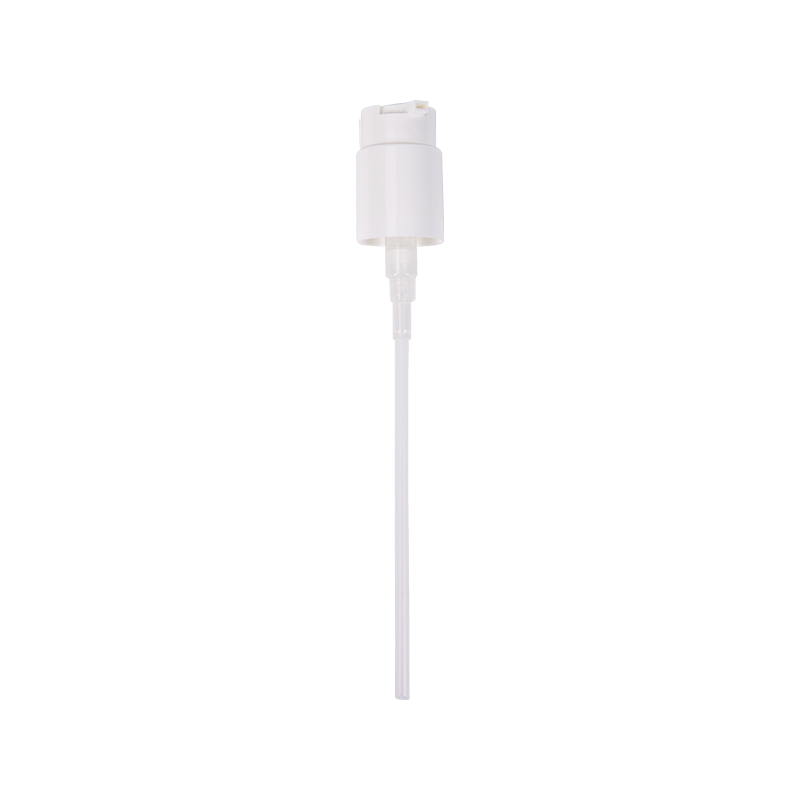
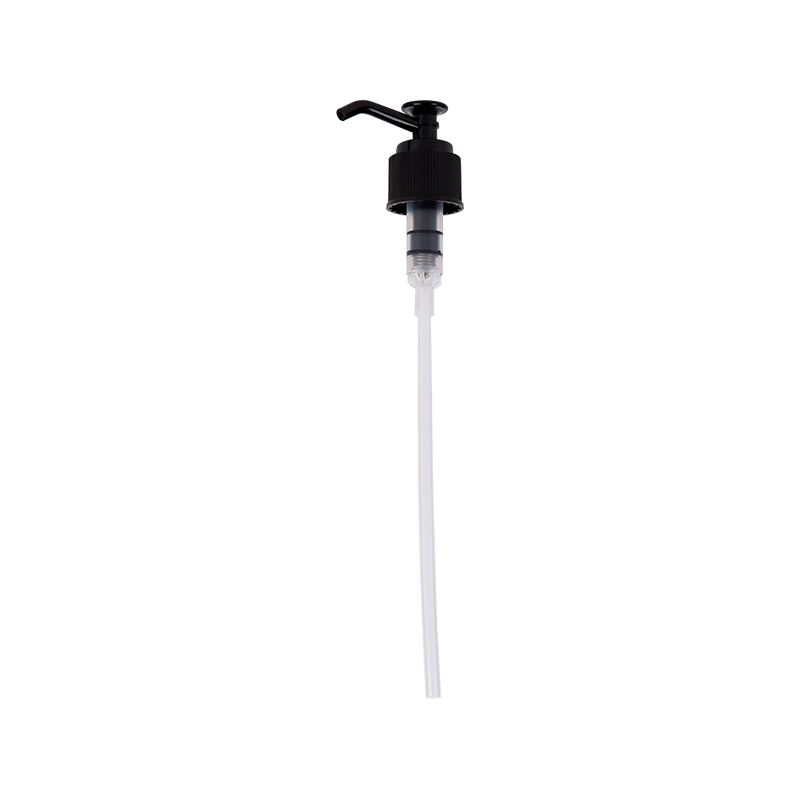
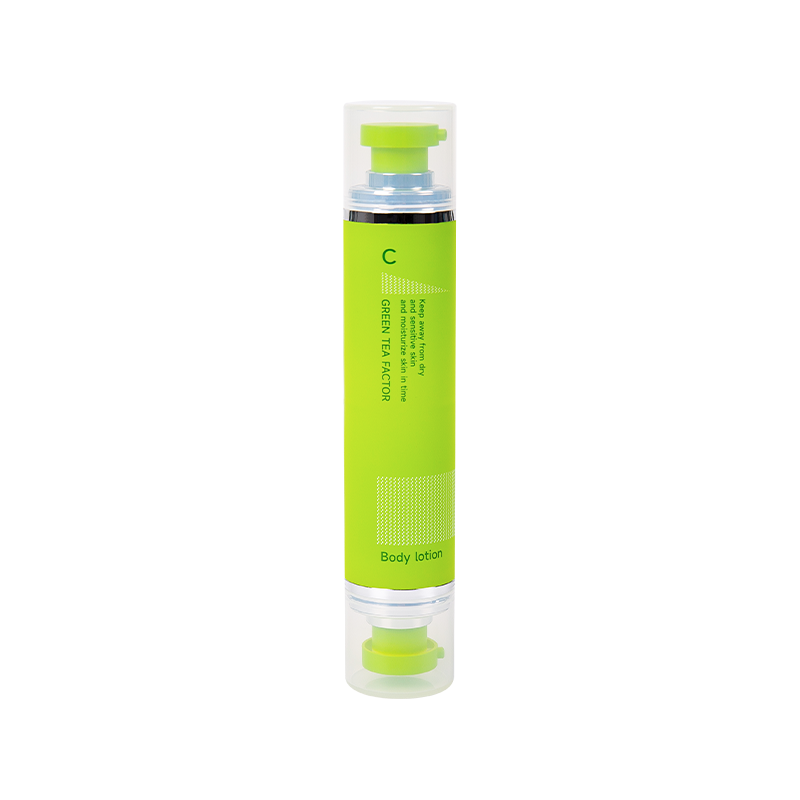
Every time you open a standard glass cream pot, oxygen rushes in and starts oxidizing sensitive compounds. This is especially true for formulas packed with antioxidants or natural botanical extracts. If you notice your cream changing color, developing an odd smell, or feeling grainy, that is often a sign the container is not protecting the formula well enough. Switching to an airless pump jar can cut down on this exposure dramatically because the mechanism pushes product up from the bottom without letting air back inside.
Glass vs Plastic: Which Cream Jar Material Works Best
The material of your beauty product container plays a huge role in both preservation and portability. Glass jars feel luxurious and are chemically inert, meaning they will not react with acidic or oil-based formulas. However, they are heavier and can break if dropped. Plastic containers are lightweight and travel-friendly, but some cheaper plastics may leach chemicals over time or cloud up after repeated washing. For daily use at home, amber or cobalt glass cream pots offer the best protection against light damage. For gym bags or weekend trips, a BPA-free plastic travel skincare jar is the smarter pick.
When to Choose Amber Glass for Light-Sensitive Formulas
If your moisturizer contains ingredients like retinol, vitamin C, or certain essential oils, exposure to UV light can speed up degradation. Amber glass blocks most harmful wavelengths while still letting you see how much product is left. This is why many professional skincare brands package their potent serums in dark glass cream jars. Store these containers in a cool, dry cabinet away from direct sunlight to maximize shelf life.
Travel-Friendly Plastic Options for On-the-Go Use
When you are packing for a trip, weight and durability matter most. Look for a travel skincare jar made from high-density polyethylene (HDPE) or polypropylene, both of which resist cracking and do not interact with most cosmetic formulas. Choose sizes under 3.4 ounces to comply with carry-on liquid rules, and pick containers with leak-proof silicone gaskets inside the lid to avoid messy spills in your toiletry bag.
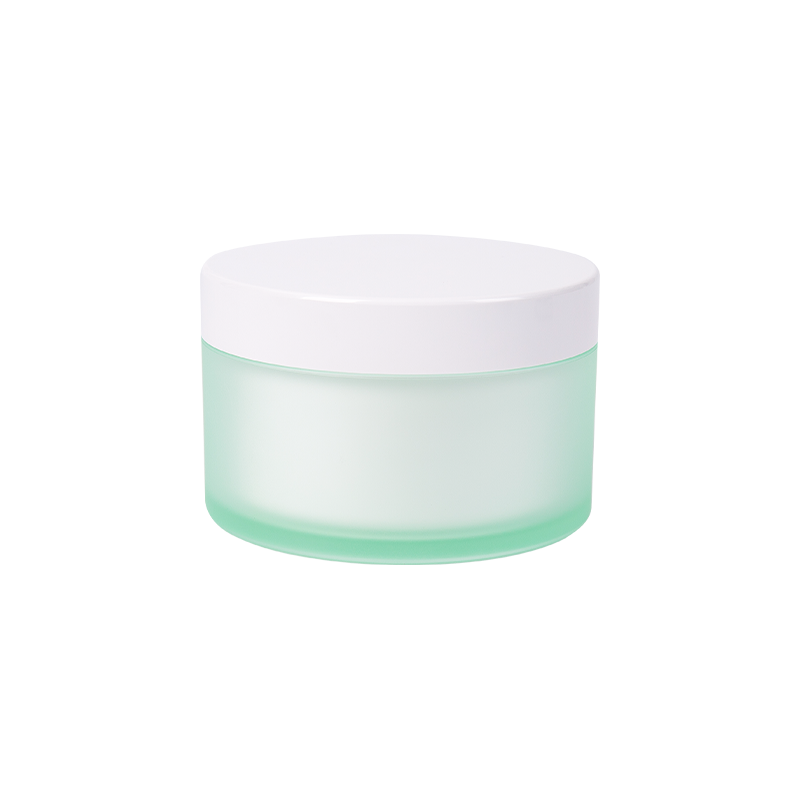
Lid Types and Seal Quality That Actually Keep Creams Fresh
The lid is just as important as the jar body when it comes to preserving your product. A loose-fitting screw cap might seem fine at first, but over time it can let air creep in around the edges. Here is a quick comparison of common lid styles and how well they protect your moisturizer jar contents:
| Lid Type |
Seal Quality |
Best For |
Ease of Use |
| Standard Screw Cap |
Moderate |
Thick creams, short-term storage |
Easy |
| Flip-Top with Gasket |
Good |
Daily face creams, bathroom use |
Very easy |
| Airless Pump |
Excellent |
Serums, vitamin C, retinol formulas |
Moderate |
| Dropper Cap |
Fair |
Lightweight oils, spot treatments |
Requires care |
Size and Shape Tips for Different Skincare Products
Not every cream jar works well for every product type. A wide-mouth container makes it easy to scoop thick body butters, but that same opening can let in too much air for a lightweight eye gel. Match the jar style to your formula's texture and how often you use it. For products you apply twice daily, a medium-sized jar with a secure flip lid offers the best balance of accessibility and protection. For weekly treatments or sample sizes, small 5 to 15 milliliter cosmetic jars keep leftovers fresh without taking up drawer space.
Quick Reference: Jar Size by Product Type
- Face moisturizers: 30 to 50 ml jars with tight screw caps or airless pumps
- Eye creams: 10 to 15 ml opaque jars to protect delicate peptides
- Body butters: 100 to 200 ml wide-mouth glass cream pots for easy scooping
- Travel samples: 5 to 10 ml leak-proof plastic containers with silicone seals
- DIY masks: 30 ml amber glass jars with labels to track mixing dates
Cleaning and Reusing Cream Jars Safely
If you love decanting products or making your own skincare blends, knowing how to properly clean and reuse a cosmetic jar is essential. Start by removing all leftover product with a small spatula, then wash the jar and lid in warm soapy water. For glass cream pots, you can sanitize them in the top rack of the dishwasher or boil them for three minutes. Plastic travel skincare jars should be hand-washed only to avoid warping. Always let every part air dry completely before refilling to prevent mold growth. Label reused containers with the product name and date opened so you can track freshness at a glance.



 中文简体
中文简体