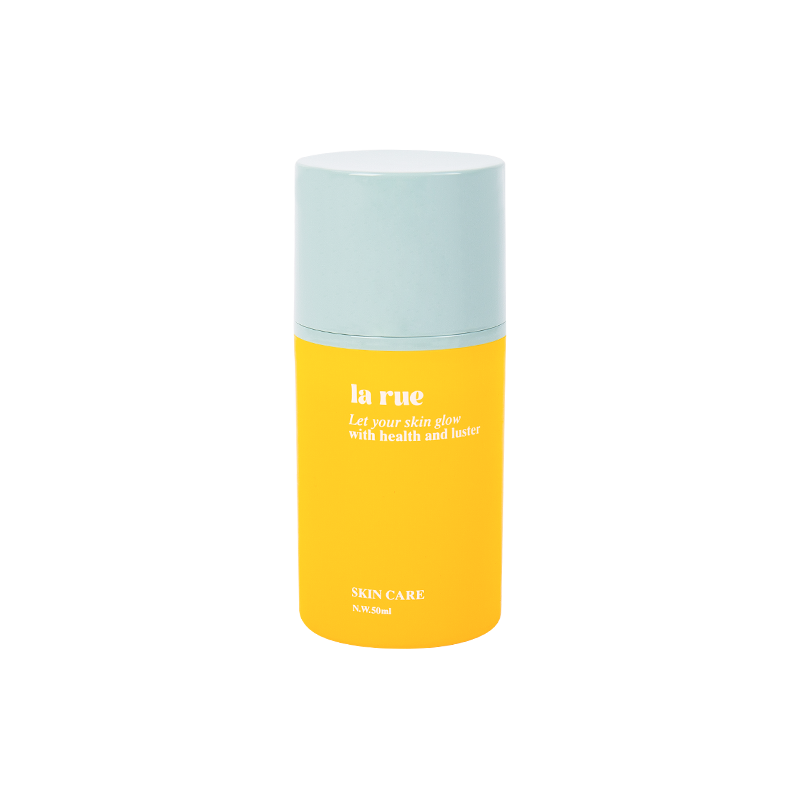
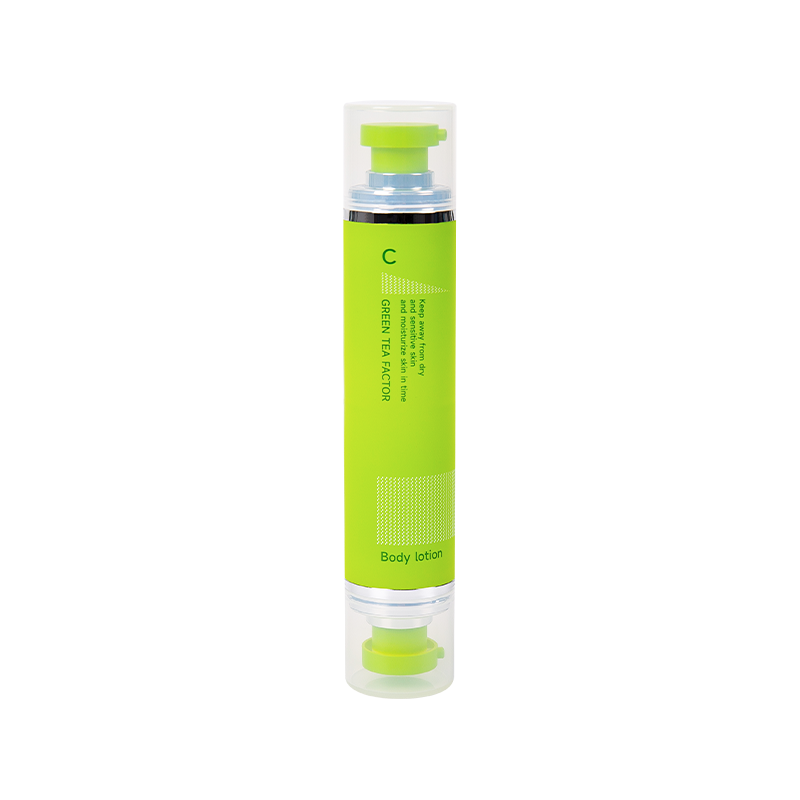
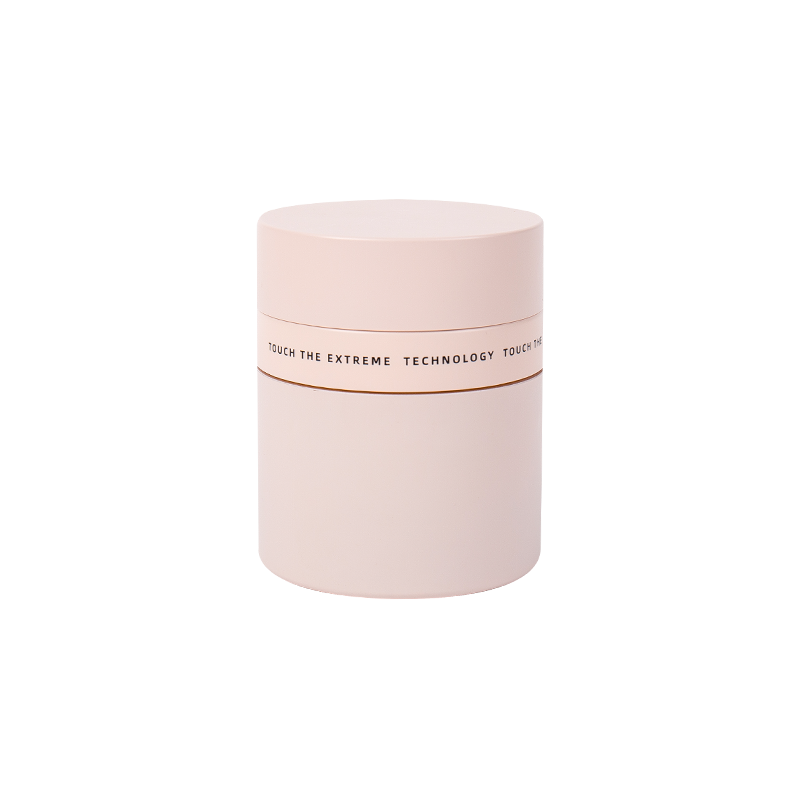
In the competitive landscape of cosmetics and skincare, packaging is far more than just a container; it is a critical component influencing product integrity, user experience, and brand identity. Among the various packaging solutions, the cream jar holds an essential and enduring position. Its design, material, and functionality are paramount to ensuring the quality of the delicate formulations they contain.
The Intersection of Aesthetics and Functionality
A well-designed cream jar strikes a perfect balance between visual appeal and practical application. For high-end cosmetic brands, the jar often serves as a primary visual ambassador, conveying luxury, purity, or scientific sophistication. Thick-walled glass or premium acrylic jars, for example, offer a heft and clarity that immediately elevates the product’s perceived value.
However, aesthetics must never compromise function. The primary role of the cream jar is to protect its contents from degradation. Exposure to air, light, and contaminants can break down active ingredients, accelerate oxidation, and introduce microbes. Key functional considerations include:
- Seal Integrity: A tight-fitting lid or specialized cap lining is crucial to prevent air ingress and moisture loss or gain.
- Material Choice: Opaque or amber-colored materials are often necessary to shield light-sensitive ingredients, like vitamins and certain plant extracts, from UV damage.
- Compatibility: The jar’s material (e.g., glass, PET, PP) must be chemically inert and compatible with the product formulation to prevent leaching or chemical reactions.
Advancements in Cream Jar Technology
Modern demands for enhanced product stability and sustainability have driven innovation in cream jar design. Brands are increasingly moving toward solutions that mitigate the hygiene and oxidation issues historically associated with open-mouth jars.
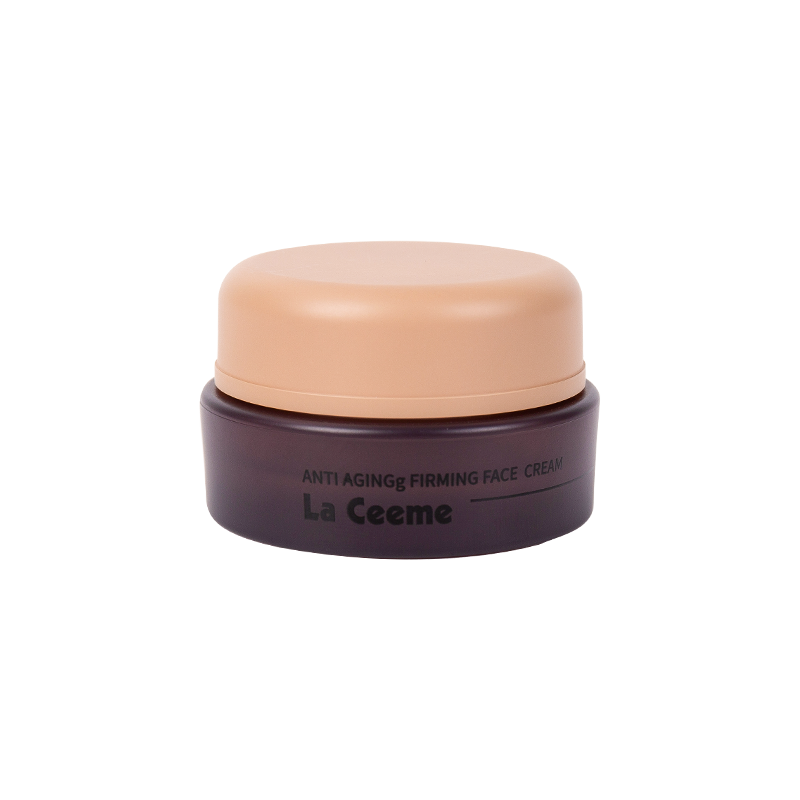
Airless Jars and Dispensers
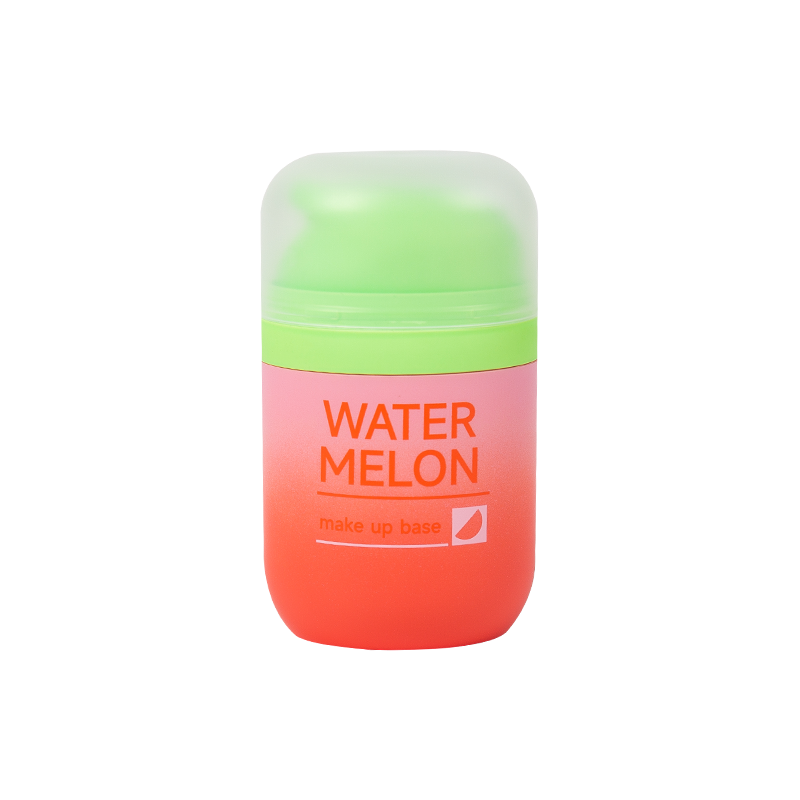
The most significant advancement is the adoption of airless technology. While technically a jar-dispenser hybrid, the airless cream jar works by using a mechanical pump and a disc mechanism inside the container. As the user pumps the product, the disc rises, pushing the cream upward and dispensing a precise dose.
Benefits of Airless Technology:
- Minimizes Oxidation: Prevents oxygen from mixing with the cream, extending the shelf life of sensitive ingredients.
- Enhances Hygiene: Users do not need to dip their fingers into the bulk product, reducing the risk of contamination.
- Maximizes Product Use: Ensures nearly 100% product evacuation, reducing waste.
Sustainable Material Choices
In response to global sustainability mandates, the materials used to manufacture the cream jar are evolving rapidly.
- Post-Consumer Recycled (PCR) Plastics: Utilizing PCR PET and PP significantly lowers the reliance on virgin plastic.
- Glass: Though heavier, glass is infinitely recyclable, making it a preferred choice for eco-conscious luxury brands.
- Refill Systems: Innovative designs now feature reusable outer jars and easily replaceable inner pods, allowing consumers to purchase refills instead of a whole new jar, drastically reducing material consumption.
The Consumer Experience
Ultimately, the best cream jar is one that enhances the consumer experience. It must be easy to open, stable when placed on a counter, and feel comfortable in the hand. For consumers, the act of scooping a luxurious cream from a substantial, attractive jar is often a key part of the ritual and perceived efficacy of the skincare routine.
In conclusion, the simple cream jar remains a cornerstone of cosmetic packaging. It is a sophisticated vessel where industrial design, chemical engineering, and brand marketing converge to deliver a product safely, effectively, and elegantly to the discerning consumer. Its continuous evolution reflects the industry’s commitment to both product efficacy and environmental stewardship.



 中文简体
中文简体