Why Facial Toner Bottle Packaging Deserves More Attention Than It Gets
Facial toner is one of the most packaging-sensitive products in the entire skincare category. Unlike thick creams that are relatively stable in most containers, toner formulations are typically water-based, low-viscosity, and often contain active ingredients — acids, antioxidants, botanical extracts, alcohol — that interact chemically with packaging materials in ways that can degrade both the product and the container over time. Choosing the wrong bottle material, closure system, or decoration process for a toner formulation is a genuine product safety and efficacy risk, not just an aesthetic concern.
At the same time, facial toner bottles are a primary brand communication surface. In a market where skincare consumers make purchase decisions based heavily on visual cues — perceived ingredient quality, brand personality, sustainability positioning, and price-tier signaling — the bottle is doing serious marketing work before the product is ever opened. A brand that understands both the technical requirements and the brand communication role of its toner bottle packaging will consistently outperform one that treats packaging as an afterthought. This guide covers both dimensions in practical, actionable detail.
Material Options for Toner Bottle Packaging
The choice of bottle material is the most fundamental decision in toner packaging and has implications for formula compatibility, shelf life, recycling credentials, aesthetics, weight, and cost. Each major material option has a distinct profile of advantages and limitations that must be evaluated against the specific toner formulation and brand requirements.
Glass Toner Bottles
Glass is chemically inert against virtually all cosmetic toner formulations, making it the safest material choice from a compatibility standpoint. Acids, alcohols, essential oils, and most active ingredients that would interact with plastic materials have no effect on glass, which means glass toner bottles preserve formulation integrity throughout the product's shelf life without risk of leaching or material migration into the product. This chemical neutrality is particularly important for natural and organic toner formulations where the brand promise of purity extends explicitly to the packaging.
Beyond compatibility, glass communicates quality and luxury in a way that plastic cannot fully replicate. The weight of a glass bottle in the hand, the clarity of the material, and the premium sound of a glass stopper or metal cap all contribute to a tactile and sensory experience that reinforces premium brand positioning. Glass is also infinitely recyclable without quality degradation, which is a genuine sustainability credential that resonates with environmentally conscious skincare consumers. The trade-offs are higher cost, greater weight — relevant for shipping costs and consumer convenience — and fragility, which requires more protective secondary packaging for e-commerce distribution and increases the risk of breakage in bathroom environments.
PET Plastic Toner Bottles
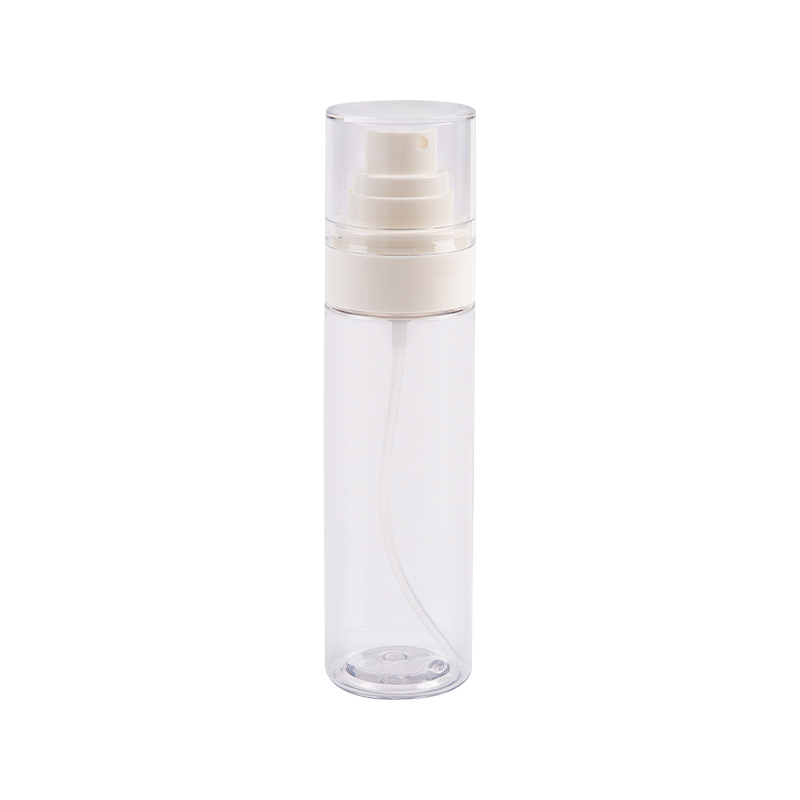
Polyethylene terephthalate (PET) is the most widely used plastic for cosmetic toner bottle packaging. It offers excellent clarity — the clearest of the common cosmetic plastics, approaching glass in transparency — combined with good chemical resistance to the water-based, mildly acidic formulations that most toners represent. PET is lightweight, shatter-resistant, and available in a wide range of shapes and sizes from stock molds at relatively low minimum order quantities, making it accessible for brands at all development stages. Post-consumer recycled (PCR) PET is increasingly available and allows brands to credibly claim recycled content in their packaging.
The limitations of PET for toner packaging become relevant with specific formulation types. PET has limited resistance to high concentrations of essential oils and certain organic solvents — formulations containing significant levels of these ingredients should be tested for compatibility before commercial adoption of PET packaging. PET also has a moderate oxygen permeability that is generally acceptable for toner shelf lives of 18–24 months but may be insufficient for highly oxidation-sensitive formulations containing high-potency antioxidants or sensitive botanical actives. In these cases, a barrier-enhanced PET or an alternative material may be required.
HDPE and PP Plastic Bottles
High-density polyethylene (HDPE) and polypropylene (PP) are more chemically resistant than PET to a broader range of ingredients, including essential oils, certain solvents, and alkaline formulations, but both materials are opaque or translucent rather than clear. This limits their use in premium toner packaging where visual appeal and product visibility are important. HDPE and PP are more commonly used for toner packaging in professional, clinical, or value-positioned skincare ranges where functionality and cost efficiency take precedence over premium aesthetics. They are also common for large-format refill containers and travel-size toner bottles in sachets or ampoules where the container is a functional delivery mechanism rather than a brand display surface.
Aluminum Toner Bottles
Aluminum bottles for facial toner represent a growing niche in the premium and sustainability-focused skincare market. Aluminum is infinitely recyclable and has a high recycled content in commercially available aluminum packaging, giving it strong sustainability credentials. It provides an excellent barrier against light, oxygen, and moisture — superior to any plastic option — and communicates a distinctive premium aesthetic that stands out on shelf. The main limitation is that aluminum must be internally lacquered to prevent the metal from reacting with acidic or active-ingredient-rich toner formulations, and the lacquer coating must itself be compatible with the specific formulation. Aluminum bottles also have limited design flexibility compared to blown plastic or molded glass, and the decoration options are different — screen printing, shrink sleeve, and label application are the primary options.
Closure Types for Facial Toner Bottles
The closure system on a toner bottle determines how the product is dispensed, how it is resealed between uses, and how well it protects the formulation from contamination and evaporation during its in-use period. Different closure types suit different product formulations, usage occasions, and brand positioning levels.
Fine Mist Spray Caps
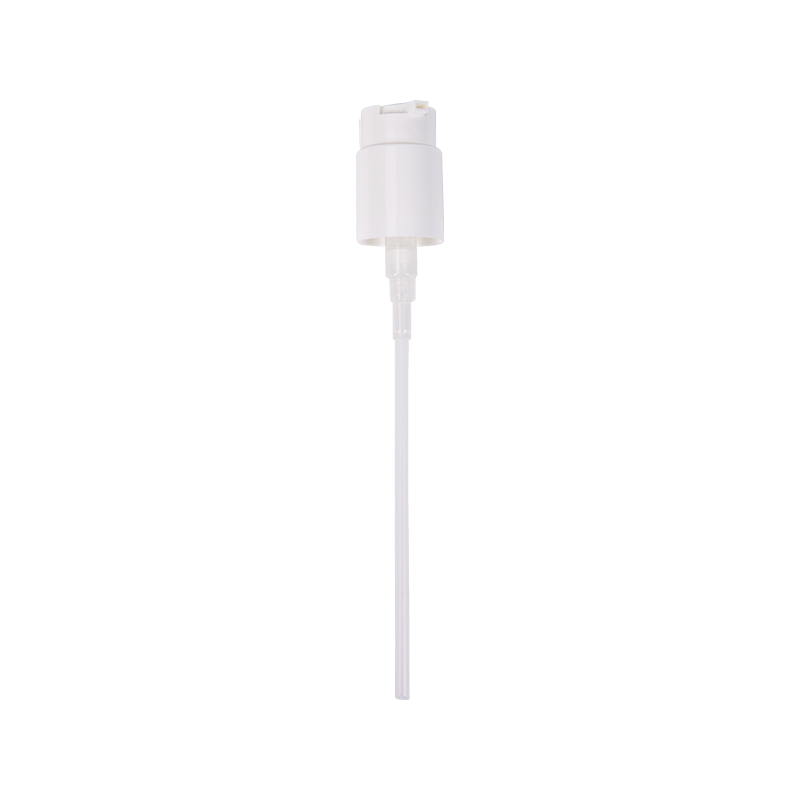
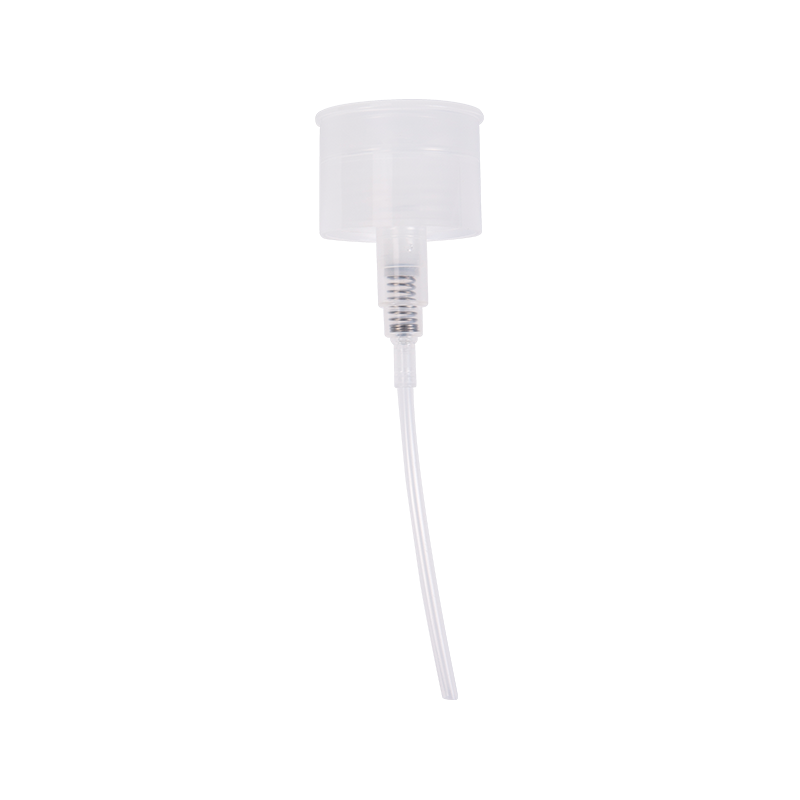
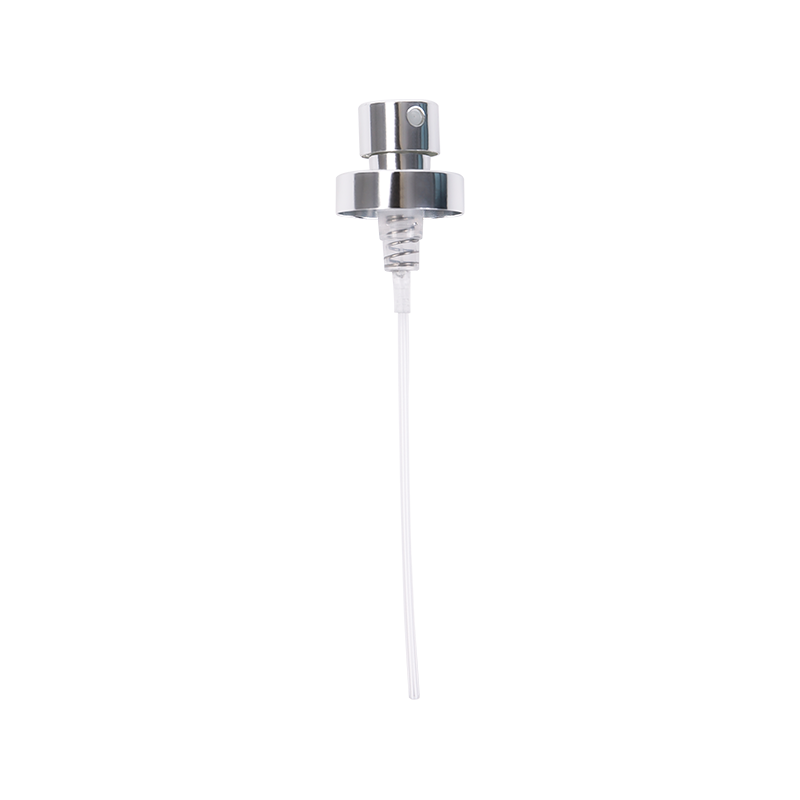
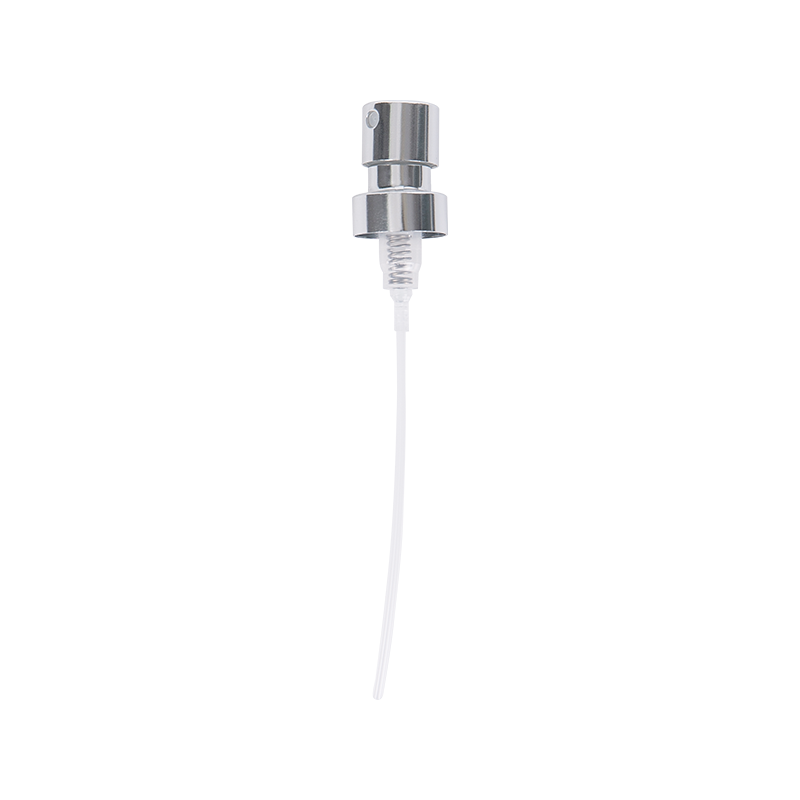
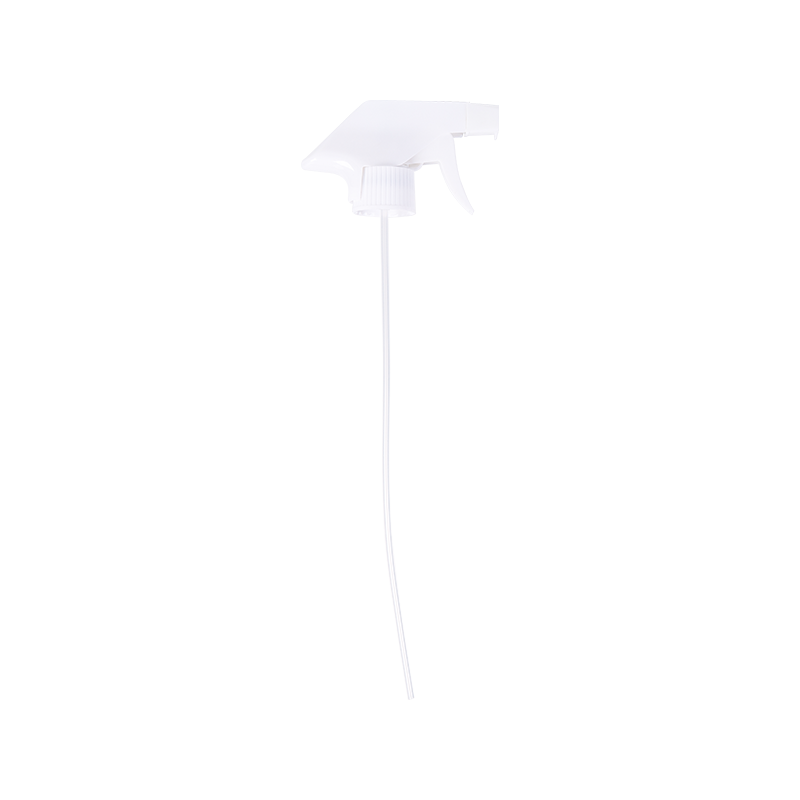
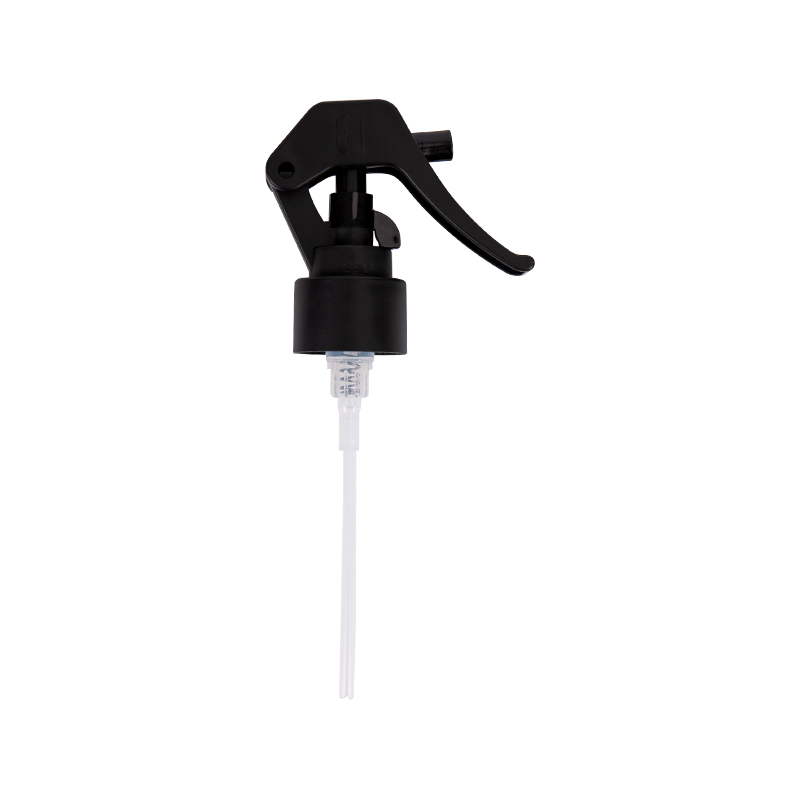
Fine mist spray closures are one of the most popular dispensing formats for facial toner because they distribute the product evenly across the face without requiring cotton pad application, which many skincare advocates argue wastes product and causes unnecessary friction on the skin. A well-specified fine mist spray pump delivers a consistent, fine atomized mist with each actuation, covering a wide surface area with a small volume of product. For toner spray bottles, the pump must be specified for low-viscosity products — most toners are close to water in viscosity — with a small nozzle orifice to produce a genuinely fine mist rather than a coarse spray. The pump should also be specified for alcohol-containing formulations if the toner contains alcohol, as some pump internal materials are attacked by high-alcohol products over time.
Screw Cap with Inner Plug or Reducer
Traditional screw-cap toner bottles with a perforated inner plug or flow reducer allow the consumer to pour a controlled amount of toner onto a cotton pad for traditional application. This format is standard in Asian skincare markets where cotton pad application is an integral part of multi-step routines, and it also suits formulations that would clog a spray pump orifice. The inner plug reduces the flow rate to a controlled stream and prevents accidental overpour. For this closure format, the seal between the screw cap and the bottle neck must be tight enough to prevent leakage in distribution and when the bottle is stored on its side or inverted in a cosmetics bag.
Flip-Top and Snap-Cap Closures
Flip-top closures provide one-handed opening convenience that suits travel and in-shower use scenarios. They are more commonly used on toner formulations that double as refreshing mists or post-cleanse treatments in quick-use formats. The hinge mechanism on a flip-top cap must be robust enough to withstand thousands of opening and closing cycles without fatigue cracking, and the snap closure must generate enough retention force to prevent accidental opening in a bag or during distribution without requiring so much force that it becomes inconvenient to open. For toner formulations, the orifice size in a flip-top closure must be calibrated to deliver a controlled pour without requiring the consumer to invert the bottle aggressively.
Dropper and Treatment Pipette Closures
High-concentration treatment toners, essence toners, and ampoule-format facial toner bottles increasingly use dropper or pipette closures that signal precision dosing and clinical efficacy. A glass or plastic dropper assembly allows the consumer to apply a specific number of drops — typically 3 to 5 drops per application — providing a tactile ritual that communicates the product's potency and value. Dropper closures also reduce the risk of contaminating the product with environmental bacteria, since the dropper tip does not contact the skin directly. For this format, the dropper bulb material must be compatible with the formulation — many toners containing alcohols or essential oils will cause standard rubber bulbs to degrade — so silicone or EPDM bulbs are typically specified for active-ingredient-rich toner formulations.
Size and Volume Considerations for Toner Packaging
Facial toner bottles are produced across a wide range of volumes, and the decision about which size or sizes to offer involves balancing consumer usage patterns, retail channel requirements, cost per unit, and brand strategy considerations. Most successful toner ranges offer at least two sizes — a full-size retail unit and either a travel size or a value-size option.
| Volume |
Common Application |
Consumer Use Case |
Channel Suitability |
| 10 – 30 ml |
Sample, trial, travel size |
First purchase, gifting, travel |
Subscription boxes, e-commerce samples |
| 50 – 100 ml |
Standard retail unit — introductory |
First full purchase, gift sets |
Specialty retail, department stores |
| 150 – 200 ml |
Standard full-size retail unit |
Regular repurchase, primary routine |
All retail and e-commerce channels |
| 250 – 400 ml |
Value size, salon/professional |
Loyal users, cost-conscious buyers |
E-commerce, warehouse retail, professional |
| 500 ml+ |
Refill format, professional use |
Sustainability-focused, professional |
D2C, refill stations, professional supply |
Formula Compatibility Testing for Toner Bottles
Formula compatibility testing is a non-negotiable step before launching a toner product in any packaging system. The consequence of skipping or shortcutting this step is discovering — after products are already in market — that the formulation has degraded, the bottle has deformed, or the product has been contaminated by material leaching from the packaging. These outcomes are costly, brand-damaging, and in some cases present consumer safety issues that trigger regulatory action.
The standard protocol for toner bottle compatibility testing involves filling the complete assembled pack — bottle, closure, and any dispensing component — with the actual product formulation, then storing samples at multiple temperature conditions: 4°C (refrigeration), ambient (approximately 20–25°C), and elevated temperature (40°C and sometimes 50°C). Elevated temperature testing accelerates the aging process, allowing 12 weeks of storage at 40°C to simulate approximately 18–24 months of ambient storage. Samples are evaluated at regular intervals — typically at 4, 8, and 12 weeks — for changes in product appearance, odor, pH, viscosity, and active ingredient concentration, as well as for physical changes in the bottle and closure including deformation, discoloration, cracking, and closure torque retention.
Specific ingredients in toner formulations that most commonly cause compatibility problems include high-concentration ethanol and isopropanol, which can stress-crack certain plastics and degrade rubber gasket materials; essential oils and terpene-based fragrance components, which swell and soften polyethylene and polypropylene; acids including glycolic, salicylic, and mandelic acids, which can etch certain materials and affect metal components in spray pump mechanisms; and oxidizing agents such as hydrogen peroxide and certain preservative systems, which can degrade plastic colorants and affect adhesive-based labels. If the formulation contains any of these ingredients at significant concentrations, material selection and compatibility testing require particular attention.
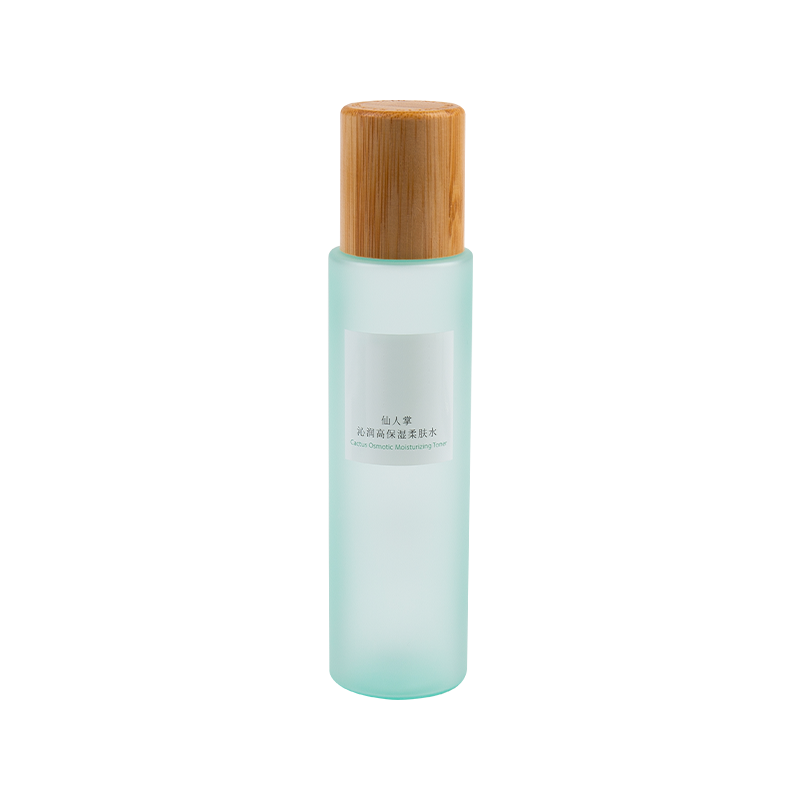
Decorating and Branding Facial Toner Bottles
The decoration applied to a toner bottle is the primary brand communication surface at the point of sale and in the consumer's daily bathroom routine. The choice of decoration method affects both the visual result and the practical durability of the finish — a label that peels or a print that wears off within weeks of purchase creates a strongly negative brand impression regardless of how good the product inside the bottle is.
Pressure-Sensitive Labels
Pressure-sensitive labels are the most flexible and cost-accessible decoration option for toner bottles, and with the right specification they can achieve a very premium result. Material choices range from paper — which has a natural, artisanal feel appropriate for botanical or clean beauty positioning — through to clear BOPP film for a no-label look on transparent bottles, metallized film for high-shine premium effects, and textured materials including linen-effect and soft-touch laminate substrates that add tactile interest. For toner bottles used in a bathroom environment where water exposure is frequent, label materials and adhesives must be rated for wet conditions — standard paper labels and general-purpose adhesives will lift and peel within days in a steamy bathroom, which is a common and entirely preventable quality failure.
Screen Printing and Pad Printing
Direct screen printing on glass and plastic toner bottles eliminates the label entirely, applying ink directly to the container surface for a clean, premium look that communicates confidence in the brand. Screen-printed decoration requires curing — UV curing or thermal curing depending on the ink system — and must be validated for adhesion to the specific bottle material and resistance to the cleaning and cosmetic products it will encounter in normal use. Screen printing works best on simple, bold graphics with limited color count — typically 1 to 4 colors for practical reasons — and is most effective on cylindrical or flat bottle surfaces where the screen can make consistent contact. Complex graphics, photographic images, and continuous tone gradients are better achieved with labels than screen printing on standard production equipment.
Hot Stamping and Embossing
Hot stamping applies metallic or pigmented foil to the bottle surface using heat and pressure, creating a crisp, lustrous decorative element that communicates luxury most effectively. Gold and silver hot stamping on glass toner bottles — particularly in combination with a frosted or matte glass finish — is a standard technique for positioning skincare products at the premium end of the market. Embossing creates raised or recessed design elements directly in the glass or plastic bottle wall during the forming process, adding tactile interest that no surface decoration technique can replicate. Both techniques add cost to the bottle and require tooling investment for embossing, but they create a packaging experience that is difficult to replicate at lower price points, which is their strategic value for premium brand positioning.
Shrink Sleeve Labels
Shrink sleeve labels conform to complex bottle shapes that would be difficult or impossible to label with pressure-sensitive labels, covering the full 360-degree surface including the shoulder and base of the bottle with a single piece of printed film. They are printed in high resolution with up to eight or more colors, allowing photographic-quality graphics and sophisticated brand storytelling across the entire bottle surface. For e-commerce skincare brands that use distinctive bottle shapes as a brand asset, shrink sleeves provide the decoration flexibility to fully utilize the visual potential of complex bottle geometries. The environmental trade-off is that shrink sleeves must be removed from the bottle before recycling — they are not accepted in most standard PET bottle recycling streams — which is an increasing concern for brands with sustainability commitments.
Practical Tips for Sourcing Facial Toner Bottles
Sourcing cosmetic toner bottle packaging involves navigating a complex supplier landscape with significant variation in product quality, minimum order requirements, lead times, and technical support capability. Approaching this process systematically reduces the risk of costly mistakes and delays in product development timelines.
- Define the full technical specification before requesting quotations: Before approaching suppliers, document the bottle volume, material preference, neck finish size, closure type, decoration requirements, material compatibility requirements based on the formulation, and any regulatory certifications needed. Suppliers who receive a complete specification can respond with accurate pricing and delivery information; those who receive a vague brief will provide estimates that almost always require revision after clarification, wasting time for both parties.
- Request physical samples before placing production orders: Never approve a toner bottle packaging component based on photographs or digital renders alone. Request physical production samples — not prototypes or hand-made mock-ups — from the actual production tooling before placing a commercial order. Evaluate weight, clarity, wall thickness uniformity, closure function, and decoration quality on the physical sample, and fill it with the actual product for a preliminary compatibility check before proceeding to formal stability testing.
- Understand the difference between stock and custom bottles: Stock bottle molds — existing bottle shapes held by the supplier and available to multiple customers — offer lower minimum order quantities (sometimes as few as 500 units), faster lead times (typically 4–6 weeks), and no tooling investment. Custom bottle molds are created exclusively for one brand, offering unique shapes and design differentiation, but require tooling investment, minimum order commitments of typically 5,000–20,000 units, and lead times of 12–20 weeks for the initial order. For early-stage brands, starting with stock bottles and migrating to custom bottles once volume justifies the investment is a common and sensible approach.
- Verify supplier compliance documentation: For any facial toner bottle that will be sold in regulated markets — EU, US, UK, Canada, Australia — the supplier must be able to provide material safety documentation confirming that all materials in contact with the product comply with applicable cosmetic packaging regulations, including EU Regulation 10/2011 for plastic food and cosmetic contact materials and equivalent US FDA guidance. Certificates of conformity, material declarations, and heavy metal testing reports should be available from any professional cosmetic packaging supplier and should be requested and reviewed before approving a new supplier or new bottle component.
- Plan for e-commerce distribution requirements from the start: If any significant proportion of toner bottle sales will be through e-commerce channels, confirm that the packaging system — bottle, closure, outer carton, and any inner protective packaging — passes ISTA 2A or equivalent e-commerce distribution simulation testing. Bottles that perform adequately in standard retail distribution often fail in e-commerce parcel delivery due to the higher drop, vibration, and compression stresses involved. Discovering this after launch results in consumer complaints about damaged or leaking products and significant cost for packaging redesign and restocking.
Sustainability Considerations in Toner Bottle Packaging
Sustainability is now a primary consideration rather than an optional feature in cosmetic toner bottle packaging decisions. Consumer expectations, retailer listing requirements, and an evolving regulatory framework — particularly in the European Union with the Packaging and Packaging Waste Regulation — are collectively driving brands toward packaging that uses recycled content, is recyclable at end of life, and minimizes unnecessary material use.
For PET toner bottles, specifying a minimum 30–50% post-consumer recycled (PCR) content is achievable from established suppliers and significantly reduces the packaging's carbon footprint compared to virgin PET. PCR PET has slight differences in color and clarity compared to virgin material — a very slight blue-grey tint and marginally reduced optical clarity — that brands should evaluate on physical samples before approving. For glass toner bottles, using cullet (recycled glass) content in the glass formulation is standard practice in responsible glass manufacturing and does not materially affect bottle aesthetics or performance.
Refillable toner bottle systems — where the consumer purchases a premium primary bottle once and then buys refill pouches or refill bottles at a reduced price — are gaining traction as a sustainability strategy that also builds consumer loyalty and brand engagement. The refillable bottle must be engineered to withstand repeated filling cycles without degradation, and the refill format — whether a flexible pouch, a rigid refill bottle, or a concentrated tablet to be dissolved in water — must be designed to make the refilling process easy and mess-free. Brands implementing refill systems report higher repeat purchase rates and stronger consumer brand relationships, as well as the environmental and cost benefits of reduced primary packaging material per use cycle.



 中文简体
中文简体