How a Foam Pump Actually Works
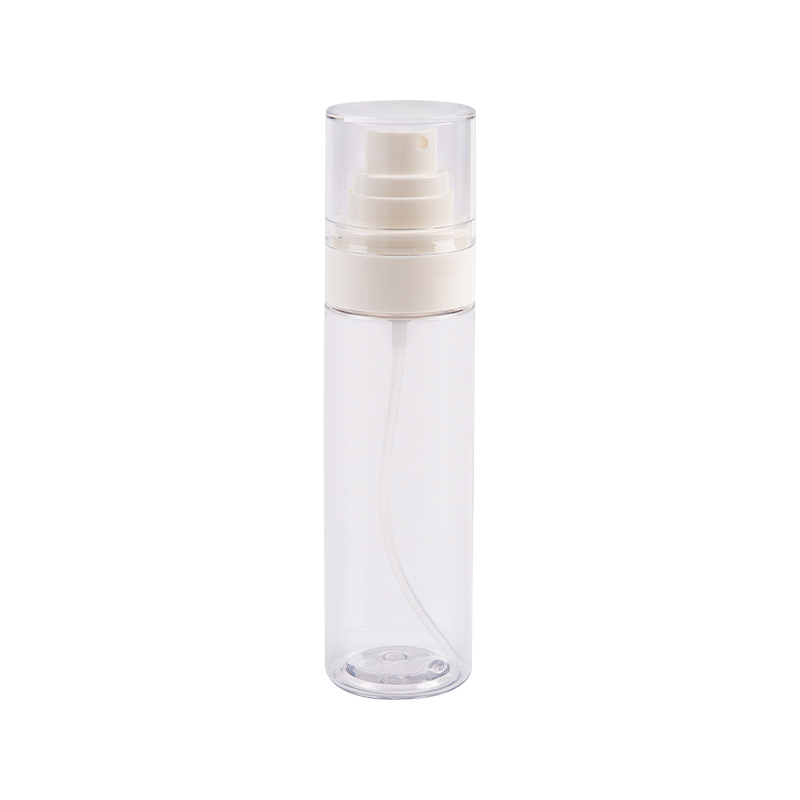
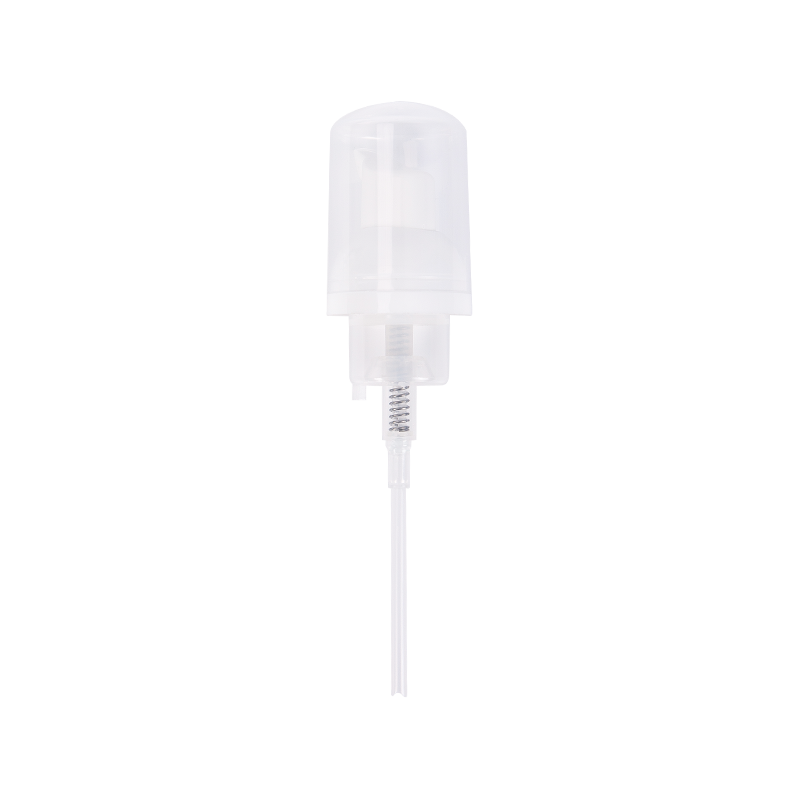
A foam pump is a specialized dispensing mechanism designed to convert liquid soap or cleanser into a light, airy foam as it's dispensed from a bottle. Unlike a standard lotion pump that simply pushes liquid out through a straw and nozzle, a foam soap pump mixes liquid with air inside an internal chamber before it exits the nozzle. This is achieved through a mesh screen or series of screens that the liquid-air mixture passes through, breaking it into countless tiny bubbles that create the familiar fluffy foam texture.
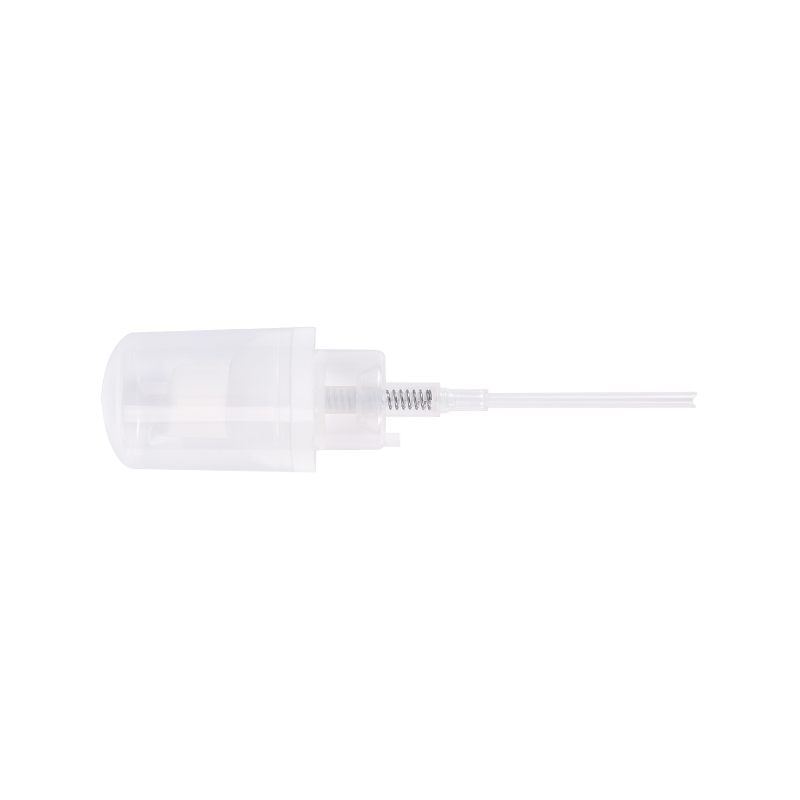
The mechanism inside a foam dispenser pump typically involves two chambers: one that draws in liquid soap from the bottle, and another that pulls in air from outside. When the pump is pressed, both the liquid and air are forced together through a fine mesh screen simultaneously, which aerates the mixture into foam. This is why foam pump bottles almost always require a diluted soap formula, since concentrated liquid soap won't foam properly and may clog the internal mesh over time.
Foam Pump vs Lotion Pump: Key Differences Buyers Should Know
Many buyers assume a foam pump and a standard lotion pump are interchangeable, but they serve very different purposes and cannot simply be swapped onto any bottle. Understanding these differences prevents costly packaging mistakes, especially for brands developing new personal care or cleaning products.
| Feature |
Foam Pump |
Lotion Pump |
| Output Texture |
Light, airy foam |
Liquid or cream stream |
| Ideal Formula Viscosity |
Thin, water-like, diluted |
Medium to thick |
| Internal Mechanism |
Dual chamber with mesh screens |
Single piston chamber |
| Common Products |
Hand soap, facial cleanser, shaving foam |
Body lotion, moisturizer, shampoo |
| Product Usage Per Press |
Lower, since it's aerated |
Higher, denser liquid |
Common Types of Foam Pumps Available for Different Applications
Foam pumps aren't a one-size-fits-all product. Manufacturers produce several variations to suit different bottle sizes, industries, and dispensing needs, and choosing the correct type has a real impact on product performance and user experience.
Standard Screw-Top Foam Pump
This is the most widely used foam pump type, threading directly onto bottles with standard neck sizes such as 28/410 or 43/410. It's commonly found on retail hand soap bottles and refillable foam dispensers sold for home and commercial bathrooms.
Lockable Foam Pump
Designed with a twist-lock feature at the nozzle, this foam dispenser pump prevents accidental discharge during shipping or storage. It's a popular choice for travel-sized products and subscription box packaging, where bottles are frequently jostled in transit.
Large-Volume Commercial Foam Pump
Built for high-traffic environments like restaurants, hospitals, and office restrooms, these foam pumps are engineered for durability and higher dispensing volume per press, often paired with wall-mounted dispenser housings rather than standalone bottles.
Fine Mist Foam Pump for Cosmetics
Used in premium skincare and cosmetic packaging, this variation produces an extra-fine, dense foam texture suited for facial cleansers and specialty products where a luxurious sensory experience matters to the brand's positioning.
Why Businesses Choose Foam Pump Packaging Over Standard Dispensers
Beyond the pleasant user experience, foam pump bottles offer real, measurable advantages for brands and consumers alike, which explains their growing popularity across the personal care and cleaning product industries.
- Reduces product consumption per use since foam covers more surface area than liquid
- Extends the lifespan of a bottle, lowering the total cost per use for consumers
- Creates a premium, spa-like sensory experience that appeals to skincare and beauty brands
- Reduces mess and drips compared to liquid soap, particularly helpful for children's bathroom products
- Supports eco-friendly initiatives by lowering total product usage and packaging waste over time
Troubleshooting Common Foam Pump Problems
Even a well-made foam pump can develop performance issues over time, often due to formula buildup or improper storage. Knowing how to diagnose these problems saves the cost and hassle of unnecessarily replacing a dispenser that may just need cleaning.
- Weak or watery foam usually indicates the soap formula is too concentrated and needs more dilution
- No dispensing at all often points to a clogged mesh screen from dried soap residue
- Sputtering or uneven foam can result from air trapped in the tube after a bottle refill
- A stiff or sticking pump mechanism is frequently caused by dried soap buildup around the piston
- Leaking around the pump collar may signal a worn gasket or an improperly seated pump head
What to Look for When Sourcing Foam Pumps in Bulk
Brands and businesses ordering foam pumps in bulk for private label products should evaluate more than just unit price, since pump quality directly affects customer satisfaction and product returns.
Request a dispensing test with your actual formula before committing to a large order, since foam quality varies depending on how well a specific pump's mesh screen count matches your product's viscosity. It's also worth confirming neck size compatibility (such as 28/410 or 40/410) with your existing bottle supplier, verifying the material is compatible with your formula's chemical properties to prevent degradation, and checking whether the manufacturer offers customization options like nozzle color, tube length, or locking mechanisms to match your brand's packaging design.



 中文简体
中文简体