The Critical Role of Airless Pump Technology in Formula Preservation
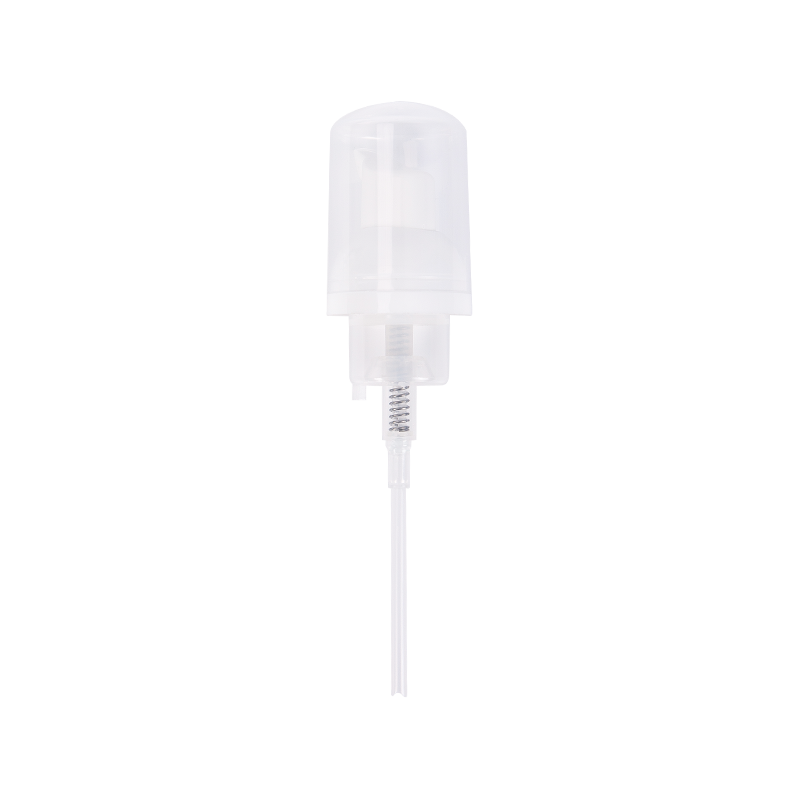
In the modern skin care landscape, the efficacy of a product is heavily dependent on its delivery system. Airless pump bottles have emerged as a gold standard for high-performance serums and creams, particularly those containing volatile ingredients like Vitamin C or retinol. Unlike traditional jars that expose the formula to oxygen and contaminants every time they are opened, airless systems utilize a vacuum mechanism that pushes the product upward. This design prevents oxidation and ensures that the active ingredients remain potent from the first pump to the very last drop, effectively extending the shelf life without the need for excessive synthetic preservatives.
Furthermore, these systems offer a superior user experience by providing precise dosage control. A single pump typically dispenses a metered amount of product, reducing waste and ensuring the consumer applies the correct therapeutic volume. From a hygiene perspective, the lack of a dip tube and the sealed nature of the container prevent the introduction of skin oils and bacteria into the reservoir, which is vital for maintaining the integrity of clinical-grade formulations.
Materials Science: Balancing Aesthetics with Sustainability
Choosing the right material for skin care packaging involves a complex calculation of chemical compatibility, brand identity, and environmental impact. Brands are increasingly moving away from virgin plastics in favor of materials that offer a lower carbon footprint while still protecting the delicate chemistry of the product inside. The following table highlights the most common materials used in the industry today and their primary functional benefits:
| Material Type |
Key Advantages |
Sustainability Profile |
| Miron Glass |
UV filtration to protect bio-actives |
Infinite recyclability |
| PCR (Post-Consumer Recycled) Plastic |
Durable, lightweight, and shatterproof |
Reduces virgin plastic waste |
| Aluminum |
Total light and air barrier |
High recycling rate |
The Rise of Refillable Modular Systems
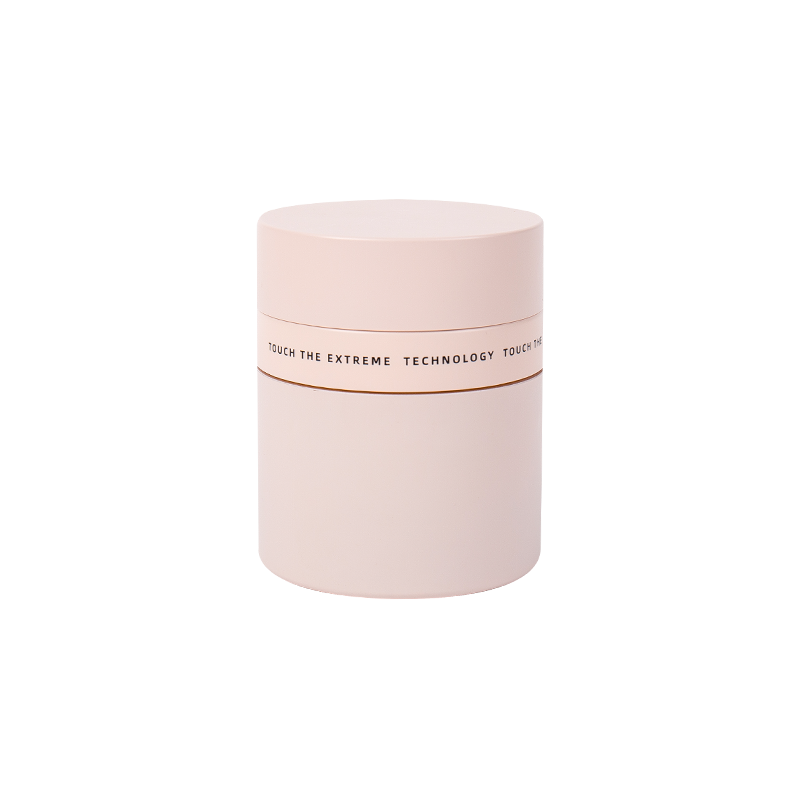
A significant trend in luxury skin care is the move toward refillable components. This approach typically involves a durable outer shell—often made of weighted glass or decorative metal—and a replaceable inner cartridge containing the product. This modular design significantly reduces the volume of waste generated, as the consumer only needs to purchase the inner pod once the initial supply is exhausted. It bridges the gap between the desire for a high-end, "vanity-worthy" aesthetic and the ethical necessity of reducing single-use packaging consumption.
Light Protection and UV Filtration Strategies
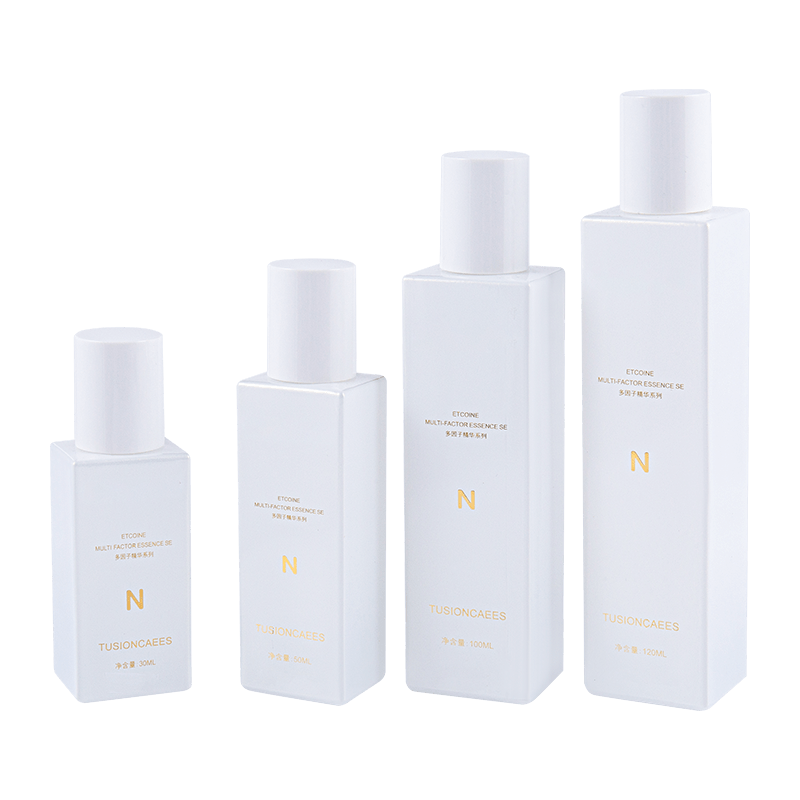
Many of the most effective skin care ingredients, such as botanical extracts and certain antioxidants, are photosensitive. Exposure to light can trigger a process called photodegradation, rendering the product useless or, in some cases, irritating to the skin. To combat this, packaging designers employ several strategies to block or filter harmful light rays:
- Opaque Coatings: Utilizing solid colors or metallic finishes on bottles to block 100% of visible and UV light.
- Amber and Cobalt Tinting: Using colored glass to filter out specific wavelengths that are known to destabilize chemical bonds.
- Dual-Wall Construction: Adding an extra layer of material that creates an insulating barrier against both light and temperature fluctuations.
Ensuring Chemical Compatibility and Safety
The interaction between the skin care formula and its container is a vital safety consideration known as compatibility testing. Certain ingredients, especially essential oils or high concentrations of acids, can react with specific types of plastic, causing the packaging to "stress crack" or allowing harmful chemicals like phthalates to leach into the product. Rigorous testing involves placing the product in its final packaging at elevated temperatures for several weeks to simulate long-term storage. This ensures that the packaging does not alter the pH or the chemical structure of the formula, maintaining both safety and performance for the end-user.



 中文简体
中文简体