Understanding the Mechanics of Airless Packaging
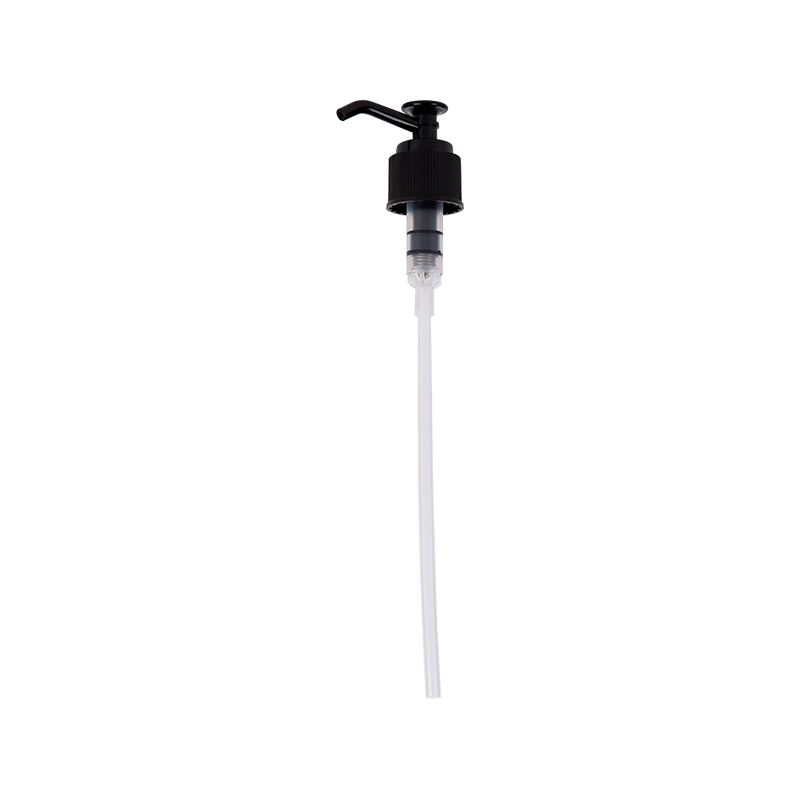
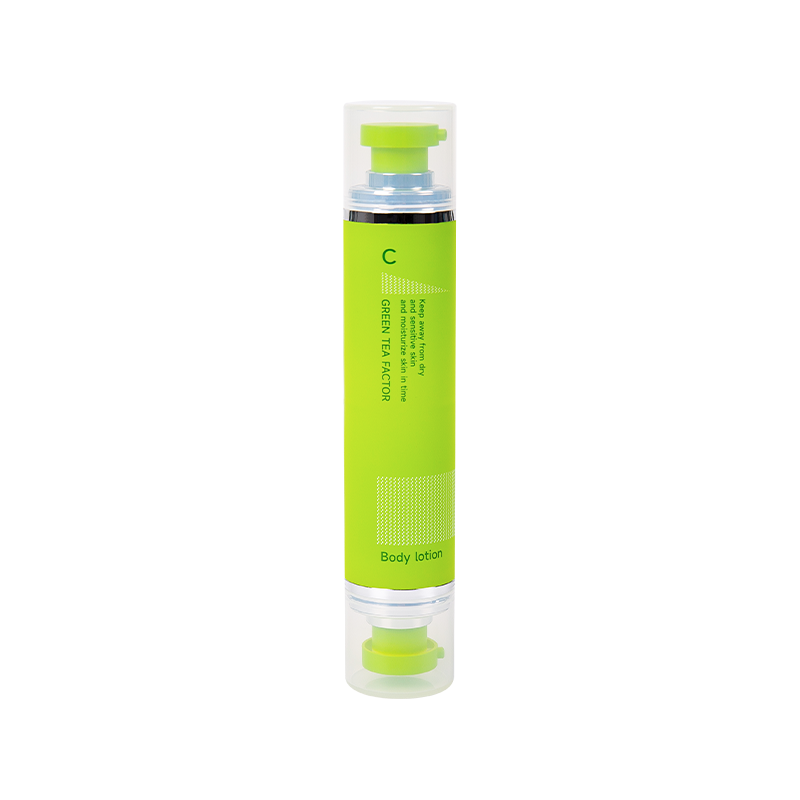
An airless bottle operates on a vacuum-based delivery system that differentiates it from traditional pump bottles. Unlike standard dispensers that rely on a straw or "dip tube" to pull product upward, airless systems utilize an internal piston or a collapsible pouch. As the pump is pressed, a disc at the bottom of the bottle rises, pushing the product toward the nozzle while simultaneously sealing out the external environment. This mechanical design ensures that the contents are never exposed to oxygen until the moment they reach the consumer's skin, which is vital for maintaining the efficacy of complex chemical structures.
The absence of a dip tube also solves the common consumer frustration of product wastage. In a traditional setup, several milliliters of cream or lotion often remain stuck at the bottom or along the sides of the container. Because the airless piston clears the inner walls as it moves upward, these bottles typically achieve a discharge rate of over 95%, providing a much higher value for expensive luxury formulations.
The Critical Role of Oxidation Prevention
Oxidation is the primary enemy of active skincare ingredients such as Vitamin C (L-ascorbic acid), Retinol, and various botanical oils. When these ingredients come into contact with air, they undergo a chemical reaction that leads to degradation, color changes, and a complete loss of potency. By using an airless bottle, manufacturers can significantly extend the shelf life of their products without necessarily increasing the concentration of synthetic preservatives.
Key Benefits for Formulations
- Prevention of ingredient browning and odor changes caused by aerobic bacteria.
- Reduction in the need for parabens and other heavy antimicrobial agents.
- Protection of light-sensitive compounds through opaque double-walled designs.
- Maintenance of pH stability over the entire duration of the product's use.
Comparing Airless Systems to Traditional Dispensing
When choosing packaging for high-end cosmetics or medical-grade topicals, it is essential to understand how airless technology stacks up against conventional jars and dip-tube pumps. The following table highlights the functional differences that impact both the brand's reputation and the user experience.
| Feature |
Standard Jar |
Airless Bottle |
| Oxygen Exposure |
High (Every use) |
Zero / Minimal |
| Contamination Risk |
High (Fingertip contact) |
Low (Touchless orifice) |
| Evacuation Rate |
Manual removal |
95% - 99% |
| Dosing Precision |
Inconsistent |
Fixed metered output |
Practical Applications and Consumer Safety
Beyond simple preservation, airless bottles provide a hygienic advantage that is critical for users with sensitive or acne-prone skin. Because the user does not need to dip their fingers into a jar, the risk of introducing household bacteria, skin cells, or fungi into the formula is virtually eliminated. This makes airless packaging the gold standard for "clean beauty" brands that prioritize minimalist ingredient lists with fewer stabilizers.
Furthermore, the 360-degree dispensing capability is a major practical benefit. Traditional pump bottles must be held upright to ensure the dip tube reaches the liquid; however, because airless bottles are pressurized, they can be discharged at any angle, including upside down. This makes them ideal for body lotions, sunscreens, and travel-sized items where ease of use in various environments is a priority for the consumer.



 中文简体
中文简体