The Essentials of Functional Cosmetic Packaging Design
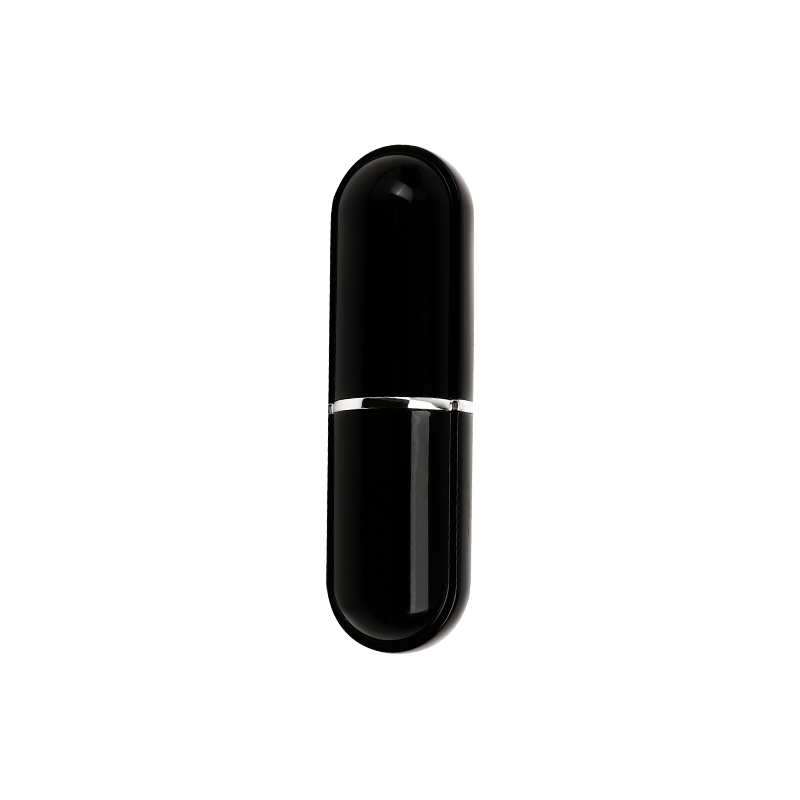
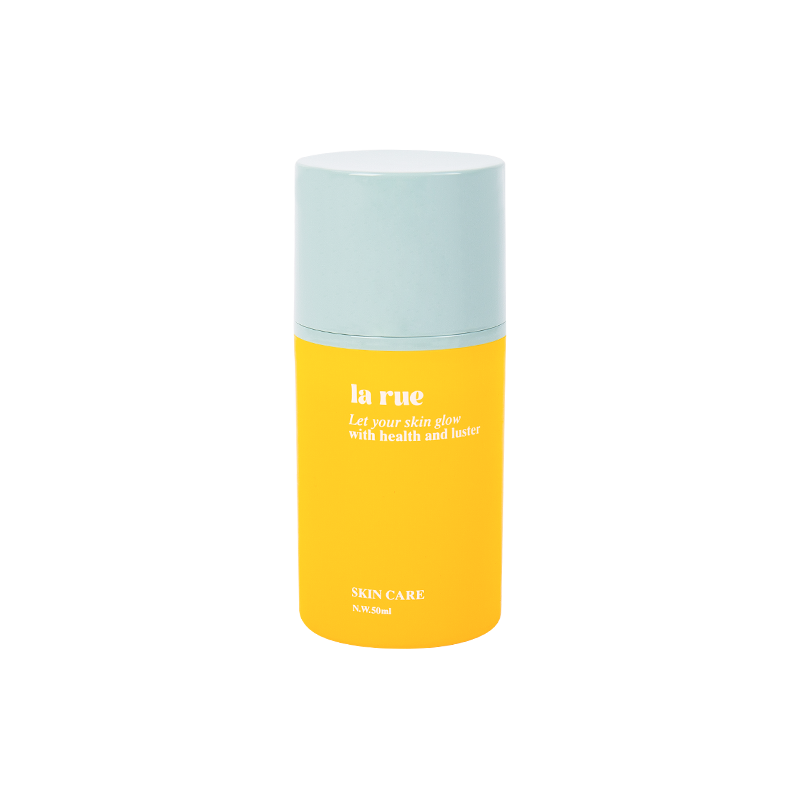
When developing a beauty product, your choice of cosmetic packaging is just as critical as the formula inside. It serves three primary purposes: protection, brand identity, and user experience. High-quality beauty containers prevent oxidation and contamination, ensuring that active ingredients like Vitamin C or retinol remain stable and effective throughout their shelf life. Beyond safety, the tactile feel of a bottle—whether it is a heavy glass jar or a sleek, soft-touch plastic tube—communicates your brand's price point and values to the consumer before they even apply the product.
Material Selection and Compatibility
Not every material works with every formula. For instance, essential oils can degrade certain types of thin plastics, while clear glass might look beautiful but fails to protect light-sensitive serums from UV damage. Understanding the chemical compatibility between your product and its housing is the first step in professional cosmetic packaging. Most brands choose between glass, PET plastic, or aluminum based on their target market's preferences and the specific needs of the product's chemistry.
Common Types of Containers Used in the Beauty Industry
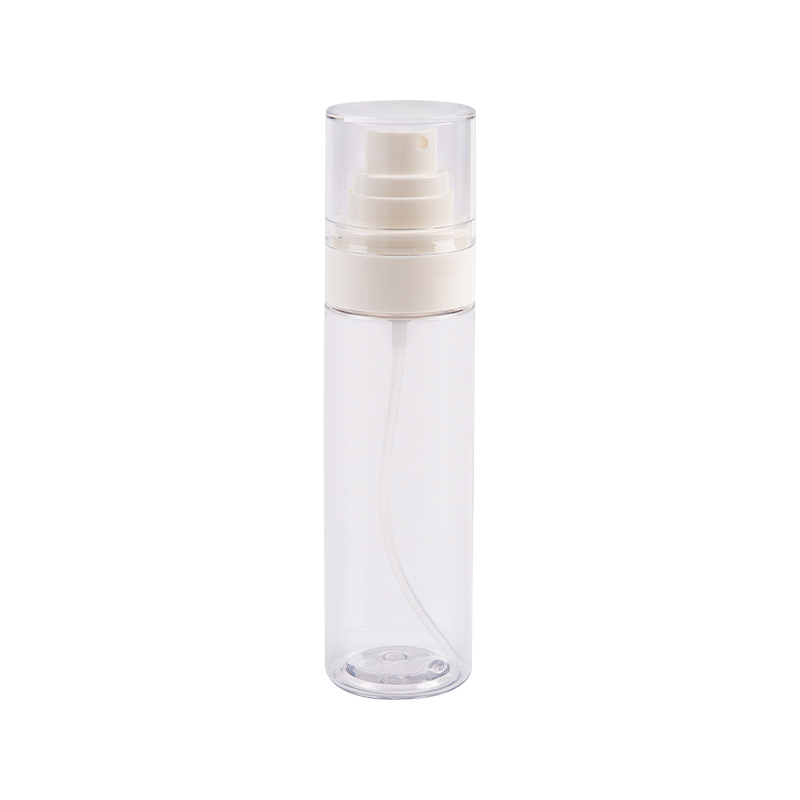
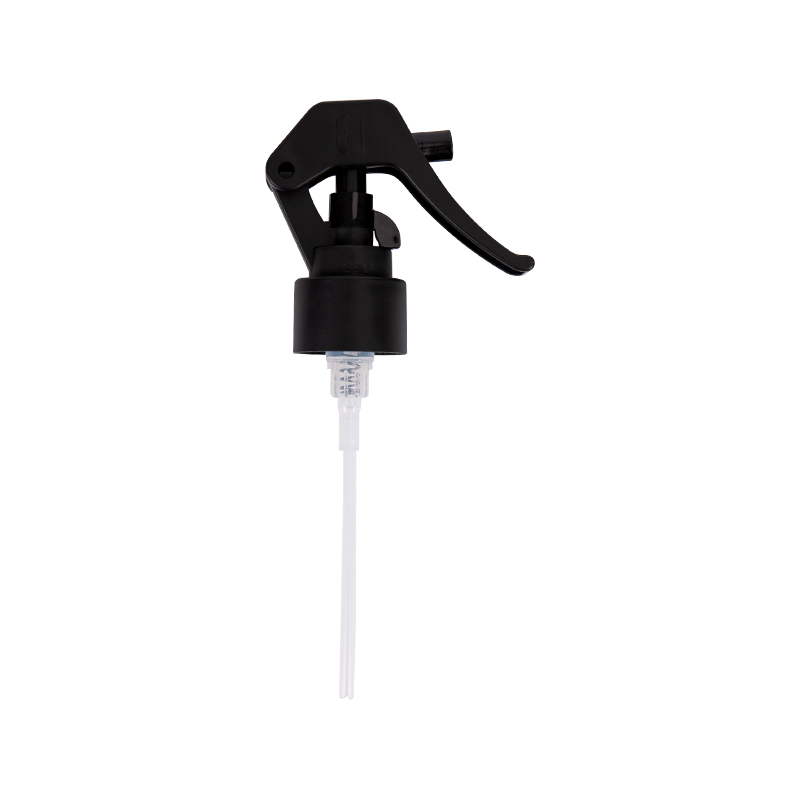
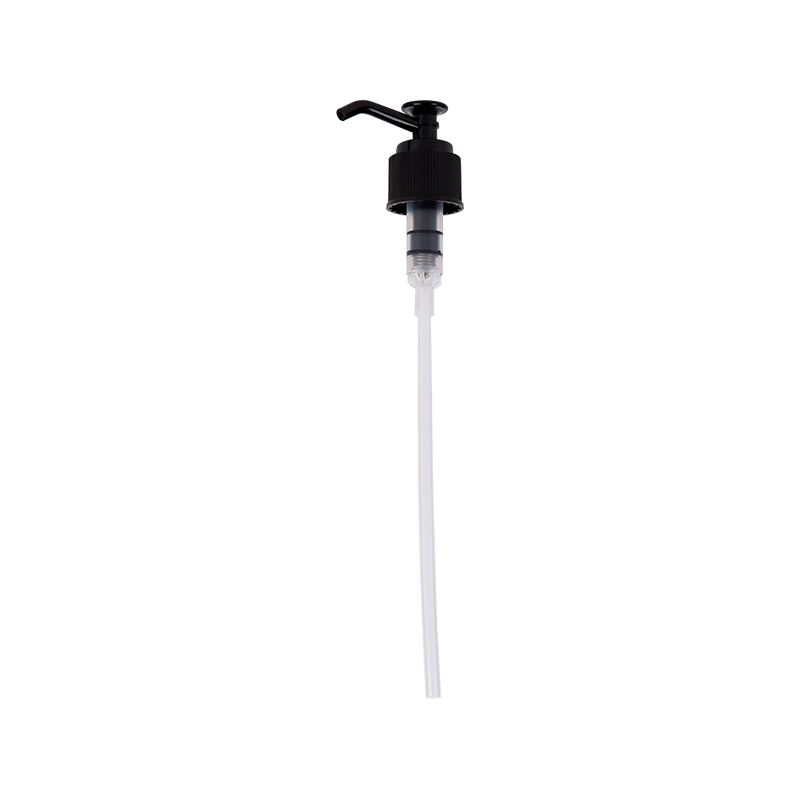
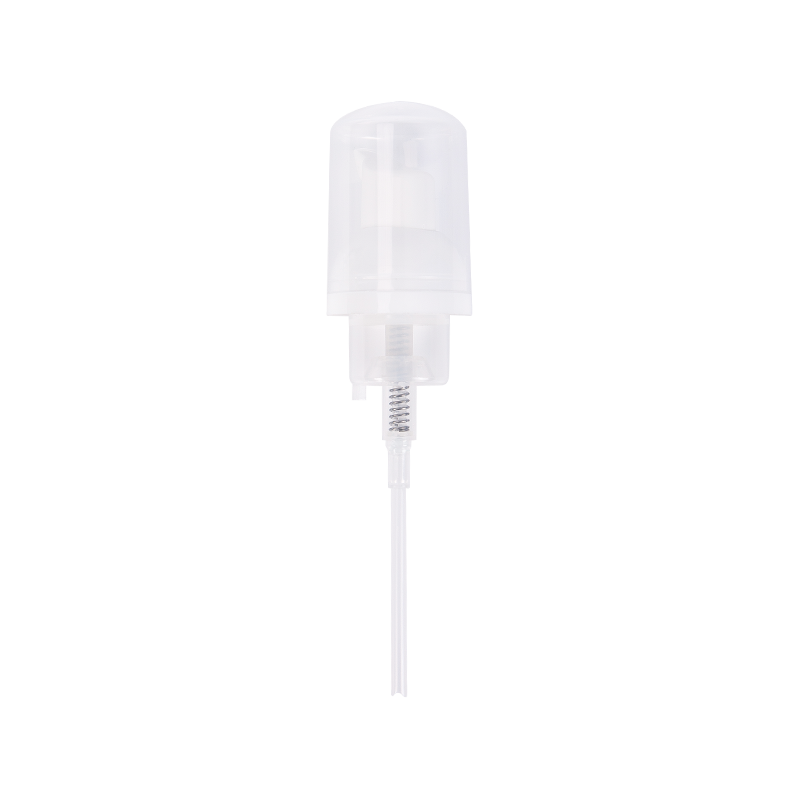
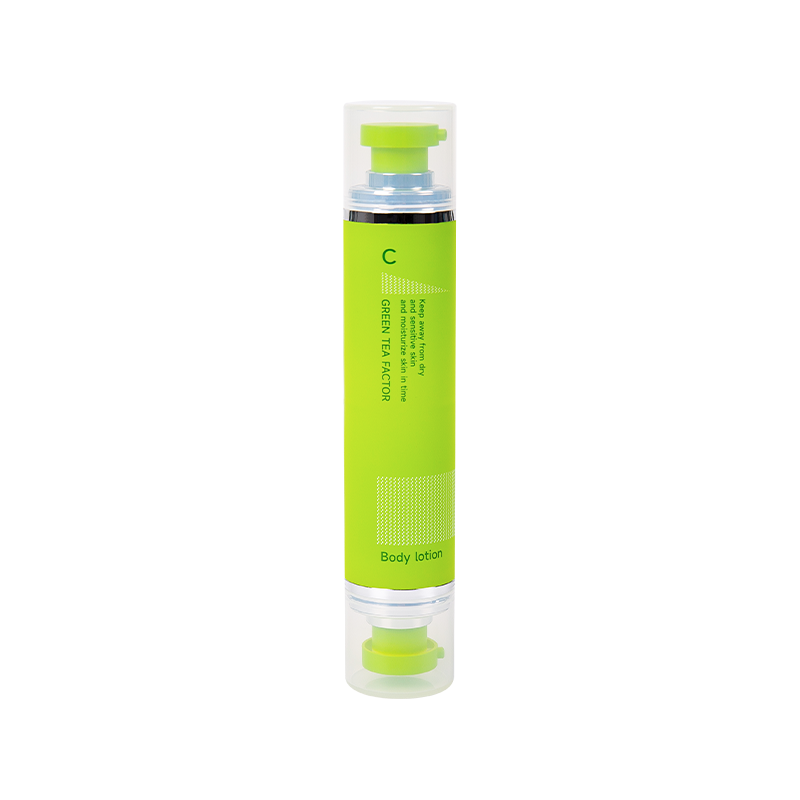
The variety of beauty packaging options available today allows for high levels of customization. Depending on the viscosity of your product, you might opt for an airless pump to reduce waste or a wide-mouth jar for thicker creams. Below is a breakdown of the most common formats used in the industry today:
| Packaging Type |
Best Used For |
Key Benefit |
| Airless Pump Bottles |
Serums and Lotions |
Prevents air exposure |
| Glass Dropper Vials |
Facial Oils |
Precise dosage control |
| Squeeze Tubes |
Cleansers and Balms |
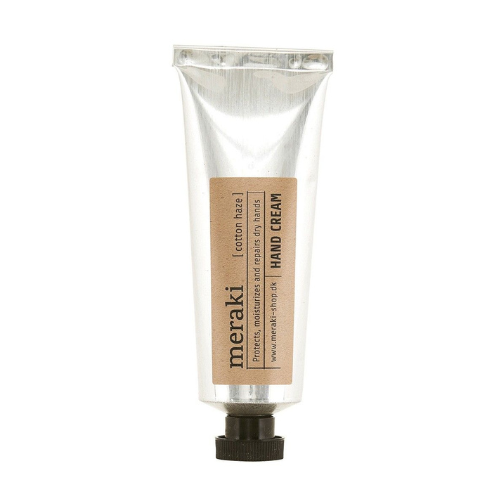
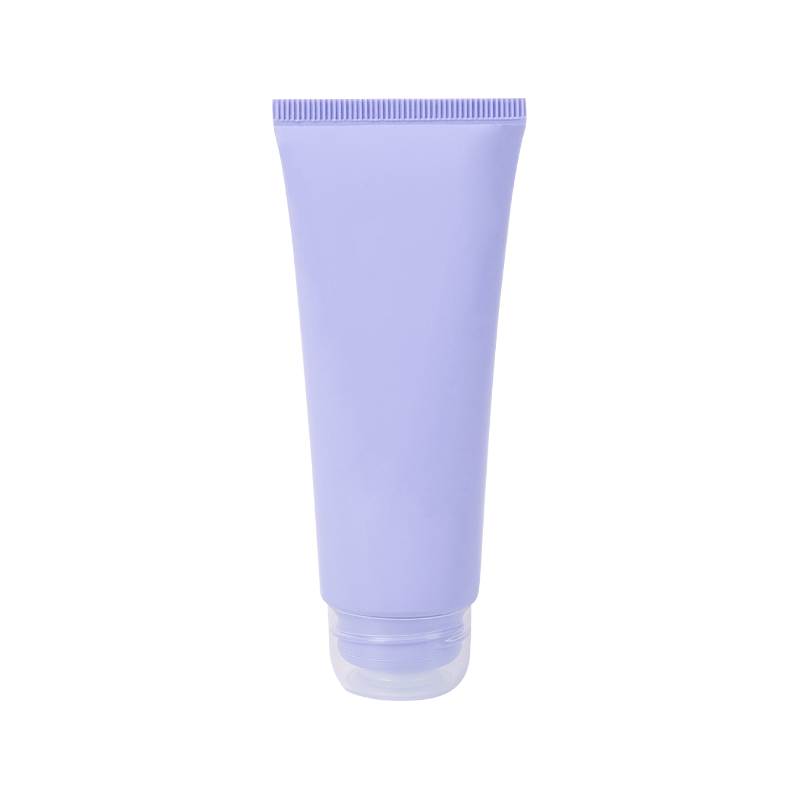
Portable and lightweight |
Sustainable Shifts in Modern Makeup Packaging
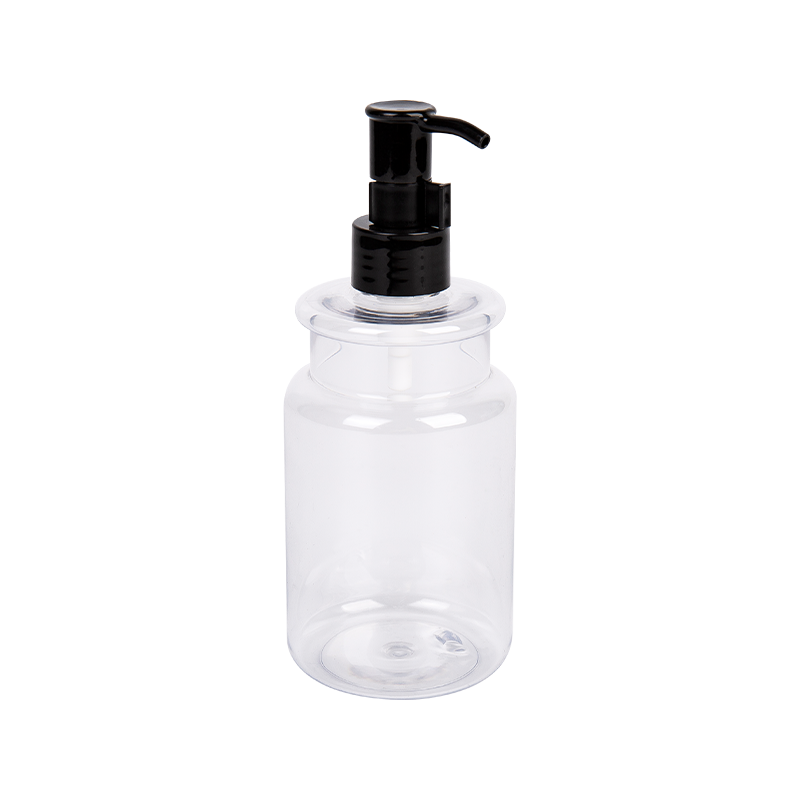
The modern consumer is increasingly concerned about the environmental impact of their beauty routine. This has led to a massive surge in demand for eco-friendly cosmetic packaging solutions. Brands are moving away from single-use plastics and toward "circular" design principles. This includes using Post-Consumer Recycled (PCR) plastics, which take existing plastic out of the waste stream and give it a second life as a shampoo bottle or makeup compact.
Innovative Green Solutions
- Refillable systems that allow customers to keep the primary outer shell and replace the inner pod.
- Biodegradable materials derived from bamboo, cornstarch, or mushroom mycelium.
- Monomaterial designs that make the recycling process easier by using only one type of plastic.
The Impact of Aesthetics on Brand Recognition
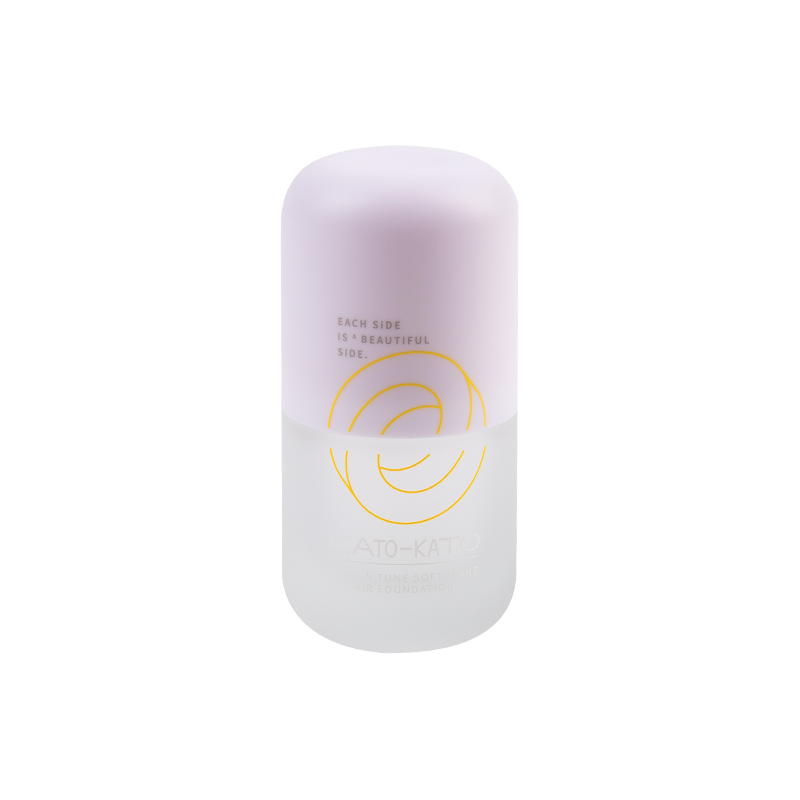
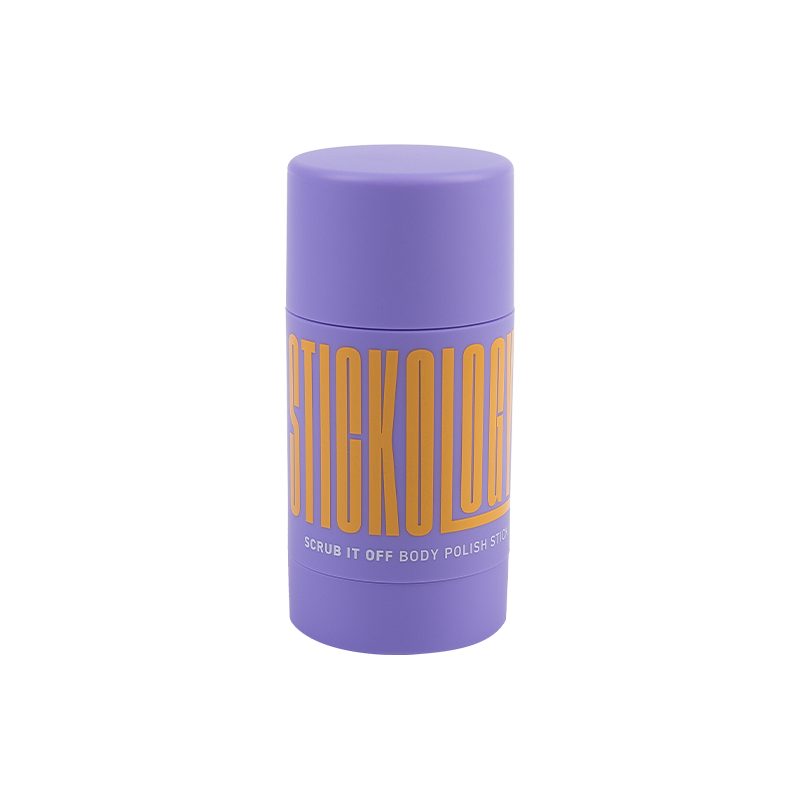
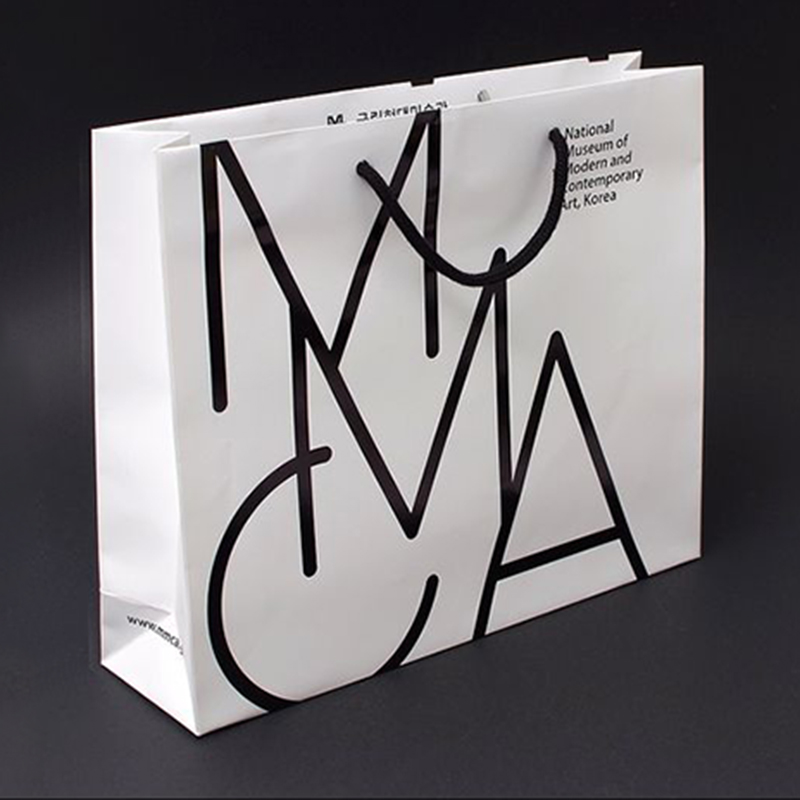
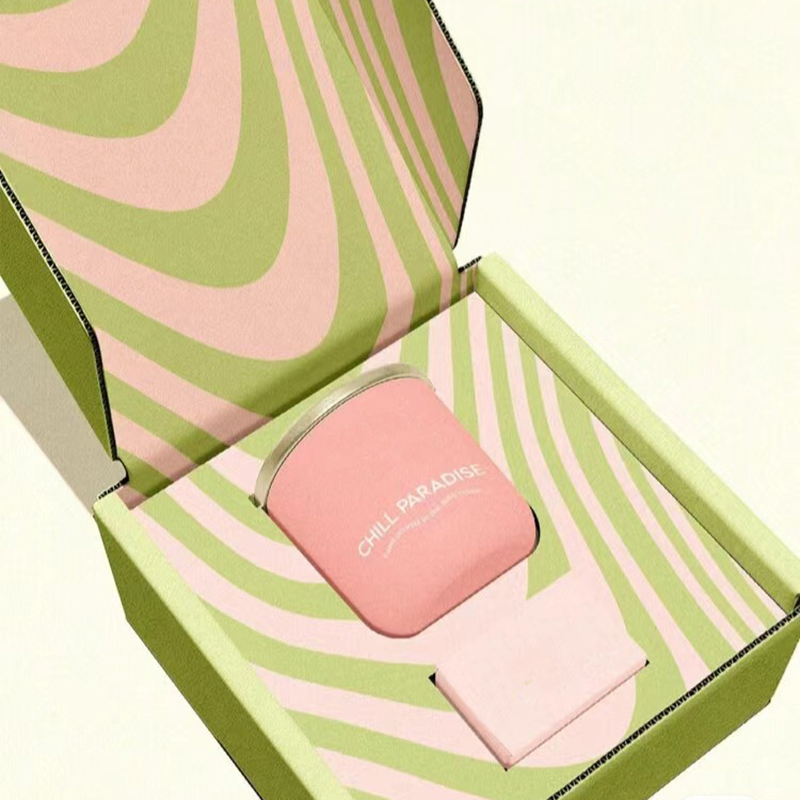
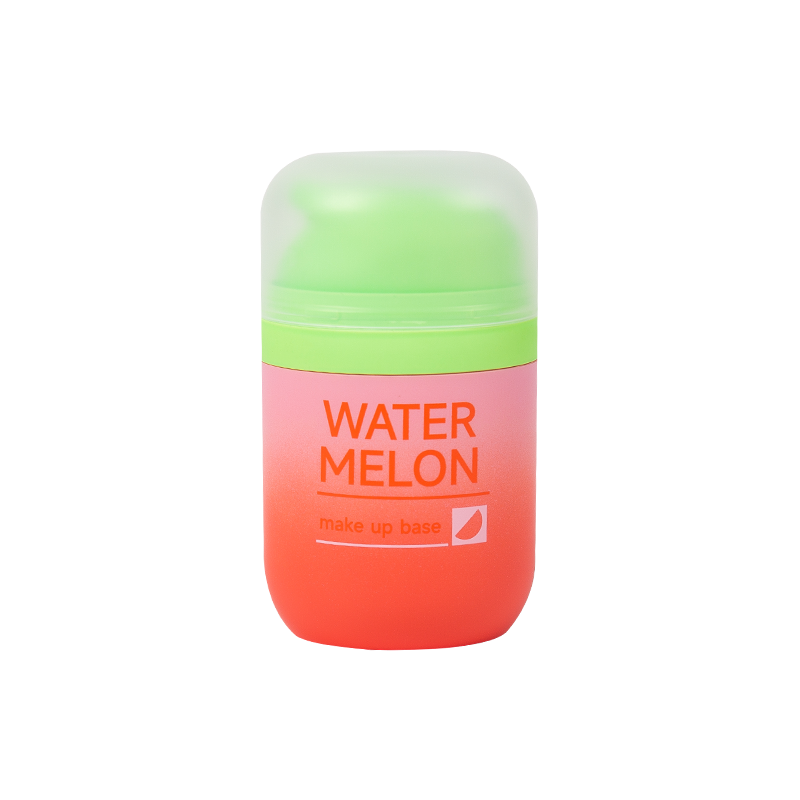
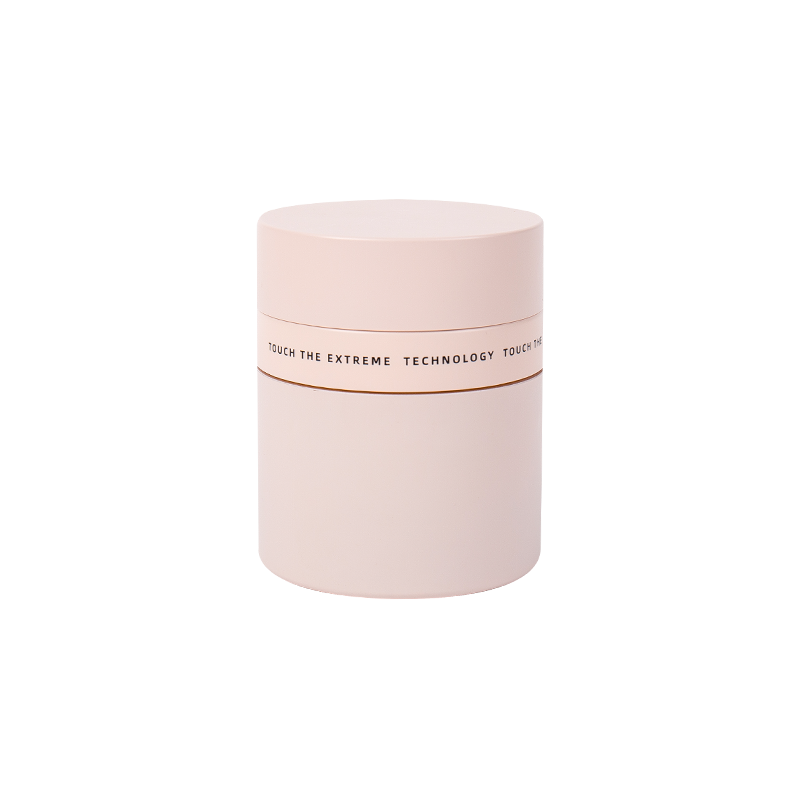
In a crowded marketplace, your skincare packaging acts as a silent salesperson. The colors, typography, and finish—such as matte, glossy, or metallic—play a psychological role in attracting your target demographic. For example, minimalist white packaging often suggests clinical efficacy and "clean" beauty, while bold, holographic finishes might target a younger, trend-focused audience. Investing in custom molds or unique decorative techniques like silk-screening or hot stamping can help your product stand out on the retail shelf.
Balancing Beauty and Regulation
While aesthetics are vital, cosmetic packaging must also comply with legal labeling requirements. This includes leaving enough "real estate" on the container for the ingredient list (INCI), net weight, distributor information, and necessary warning symbols. Smart design integrates these required elements seamlessly into the overall look, ensuring the product remains compliant without sacrificing its visual appeal.



 中文简体
中文简体