Understanding the Core Mechanics of a Lotion Pump
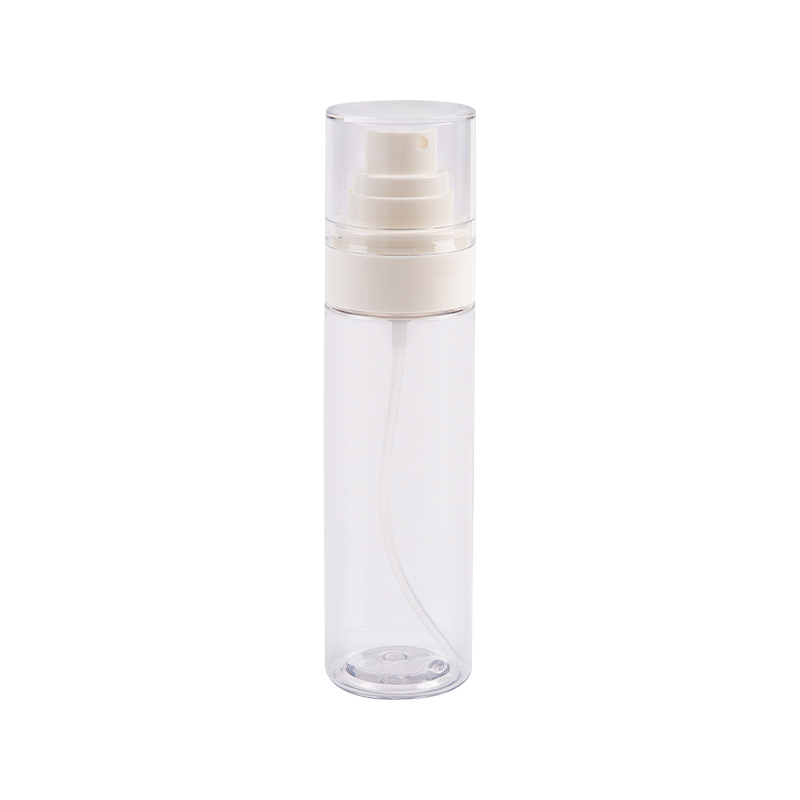
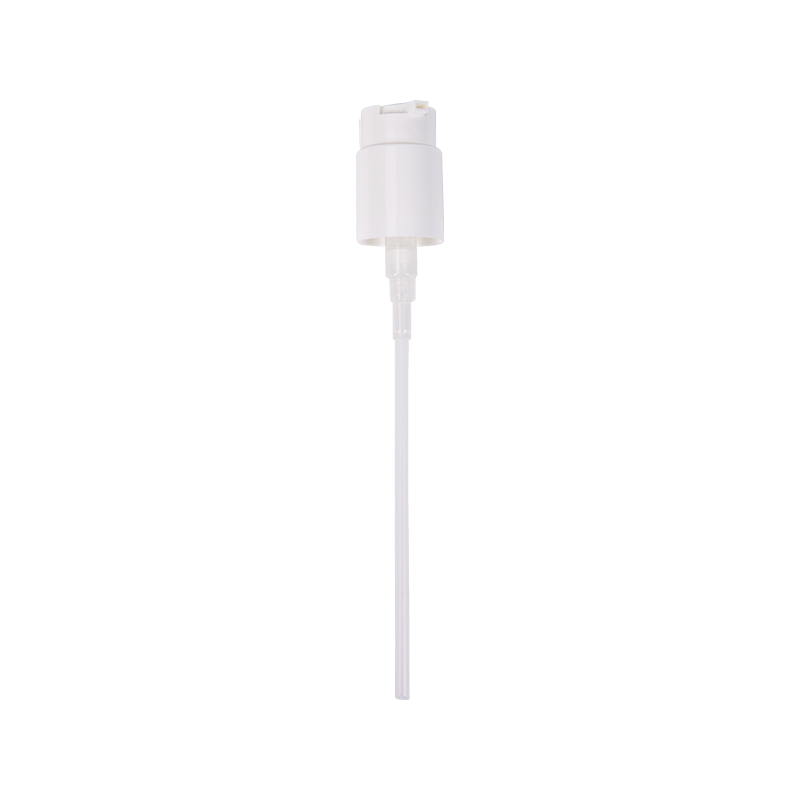
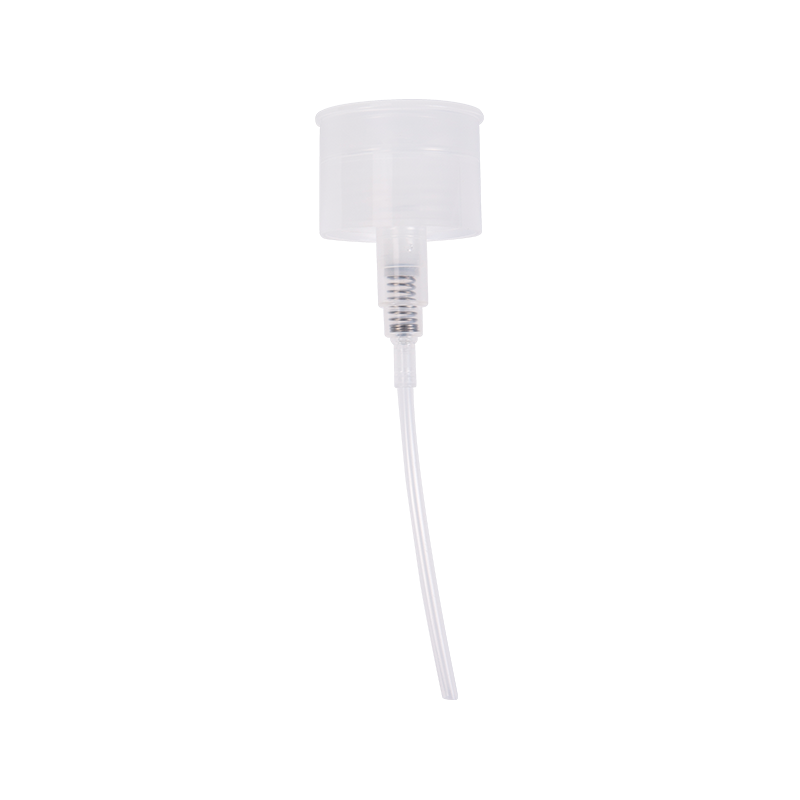
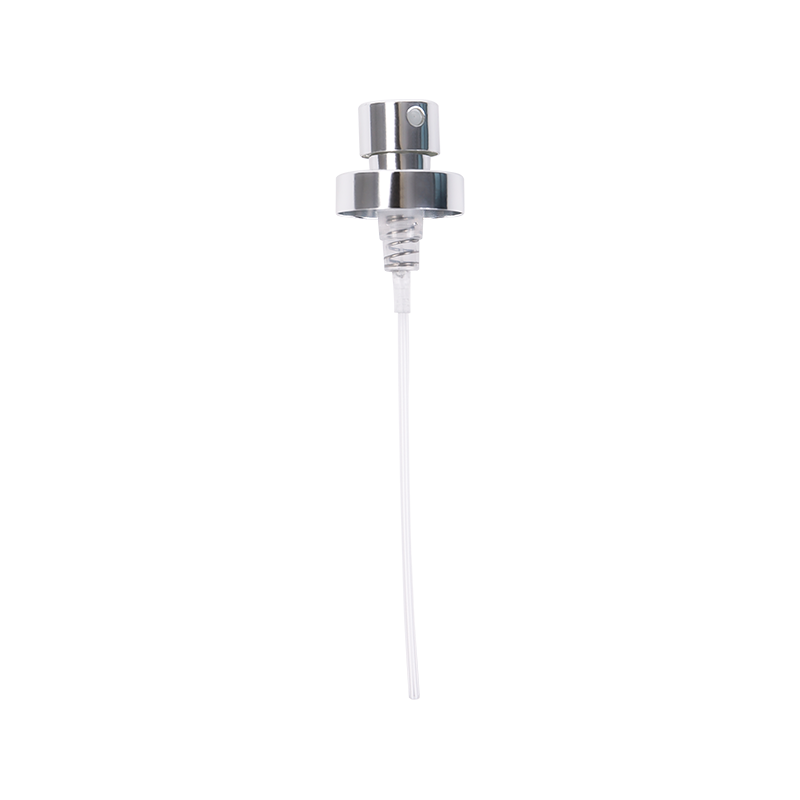
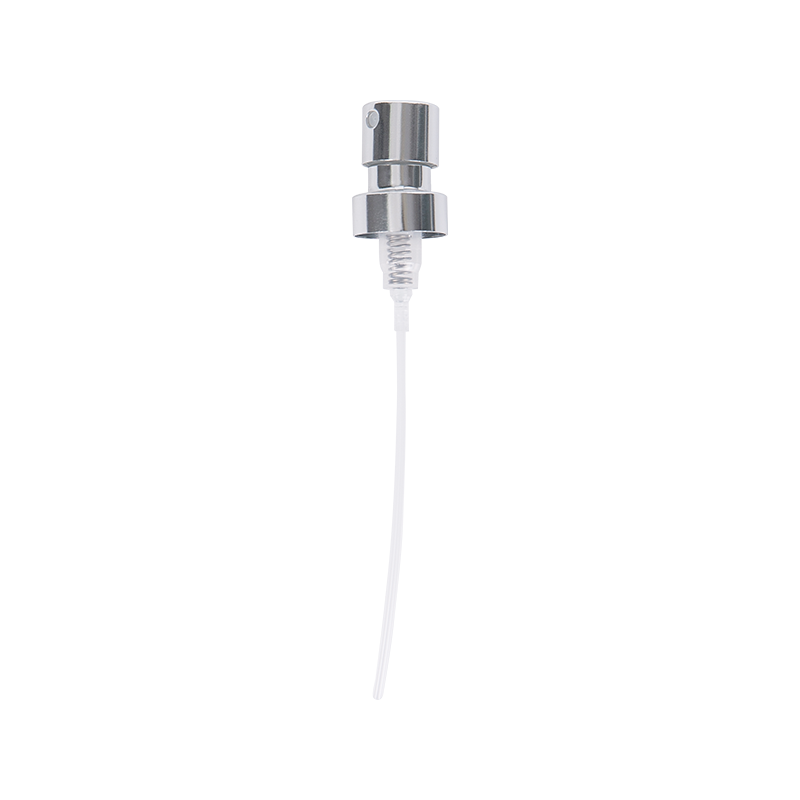
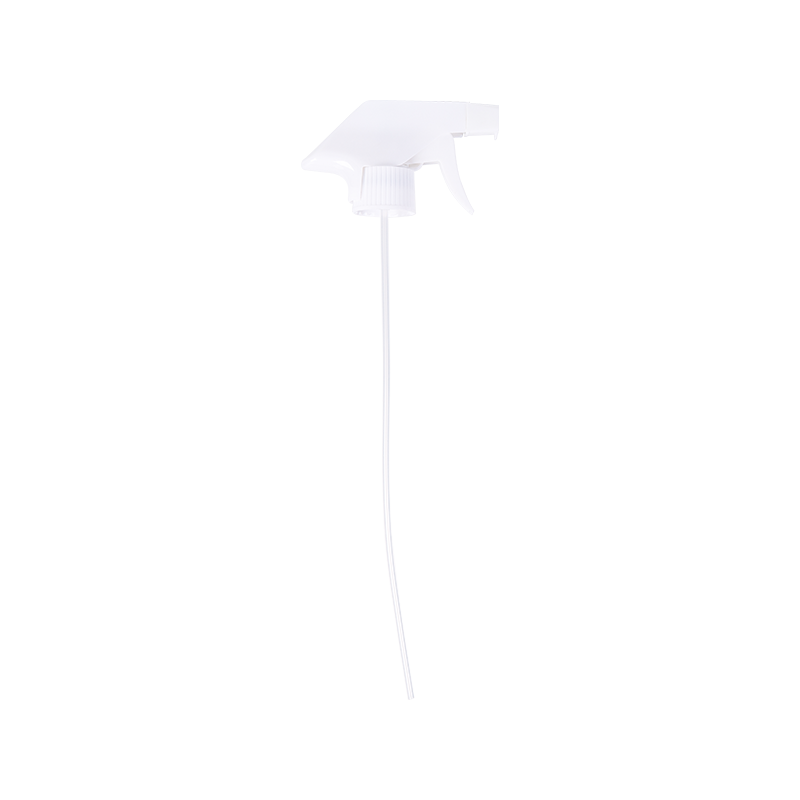
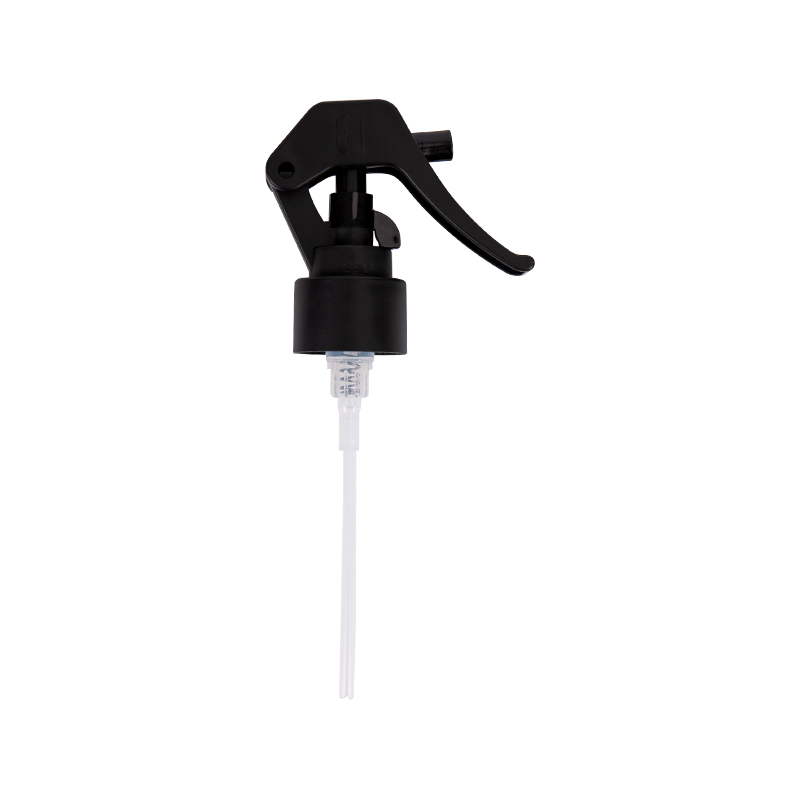
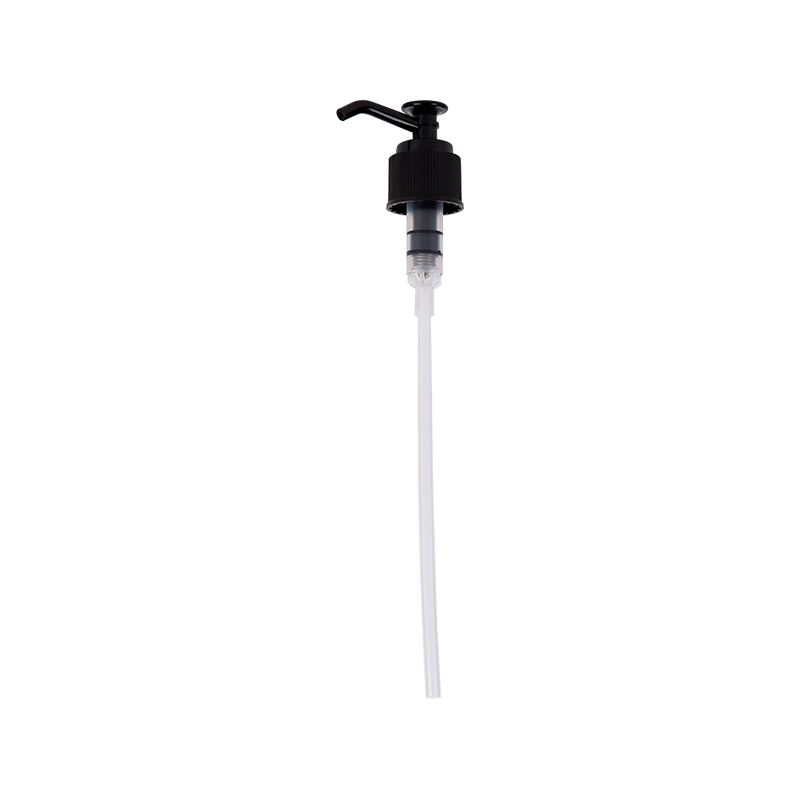
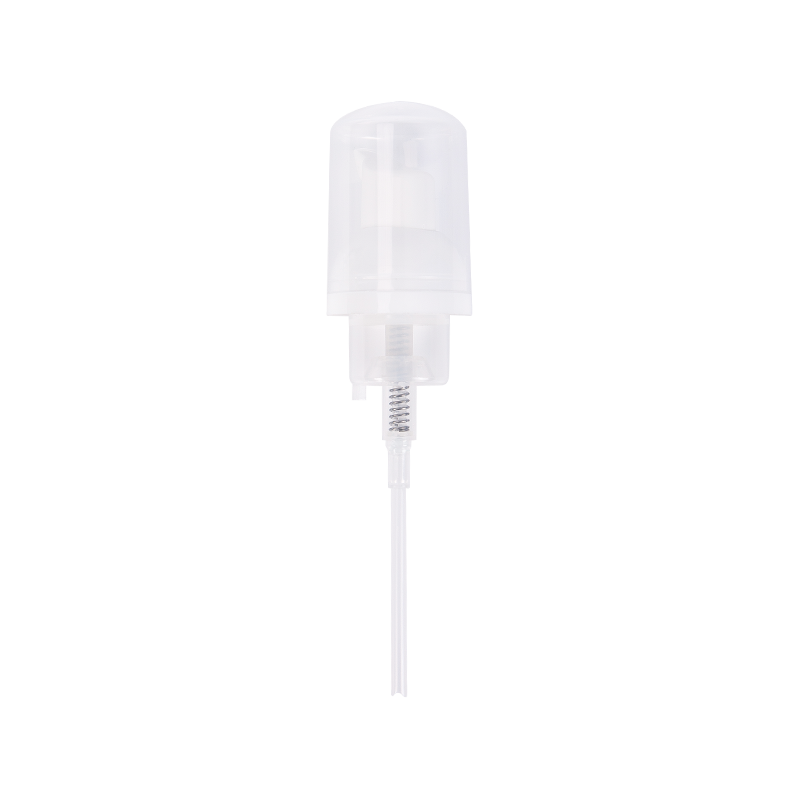
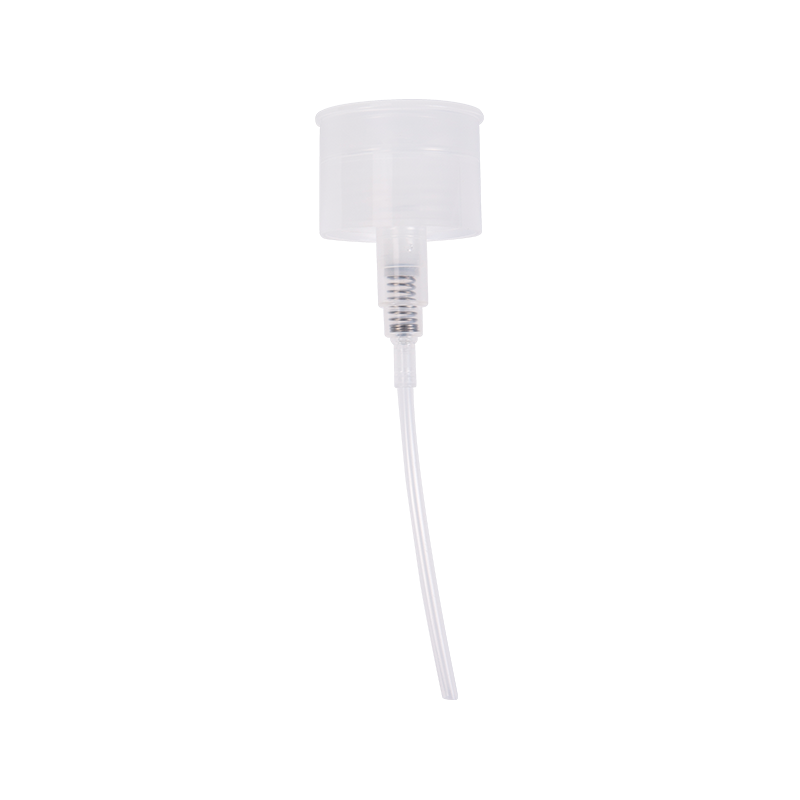
A lotion pump is more than just a cap; it is a complex precision instrument designed to deliver a specific amount of product consistently. The mechanism typically consists of an engine—composed of a spring, stem, piston, and ball—that creates a vacuum to pull the liquid upward through a dip tube. When the actuator is pressed, the air is displaced, and the product is forced out. Understanding this internal structure is vital for brands to ensure that the viscosity of their product matches the tension of the internal spring, preventing leaks or "spitting" during use.
Key Components and Material Selection
Selecting the right materials for a liquid dispenser pump ensures both durability and product compatibility. Most high-quality pumps utilize a combination of Polypropylene (PP) for the housing and actuator, while the internal spring is often made of stainless steel. For products containing high concentrations of essential oils or reactive chemicals, some manufacturers opt for "metal-free" paths where the spring does not come into contact with the liquid, thereby preventing oxidation or discoloration of the formula.
Common Parts of a Dispensing Pump
- Actuator: The top part the user presses to dispense the product.
- Closure: The threaded part that secures the pump to the bottle neck.
- Gasket: A flat seal that prevents leakage between the pump and the bottle.
- Dip Tube: The plastic straw that extends to the bottom of the container.
Matching Pump Output to Product Type
Output refers to the amount of liquid expressed in a single stroke, usually measured in milliliters (ml) or cubic centimeters (cc). Choosing the wrong output can lead to consumer frustration—either by wasting expensive product or requiring too many pumps to get a functional amount. For example, a facial serum requires a very low dosage, whereas a body moisturizer or high-volume hair conditioner requires a much larger output to satisfy the user.
| Product Category |
Recommended Output |
Typical Neck Size |
| Eye Creams/Serums |
0.15ml - 0.5ml |
18mm - 20mm |
| Hand Soaps/Lotions |
1.0ml - 2.0ml |
24mm - 28mm |
| Shampoos/Conditioners |
3.0ml - 5.0ml |
28mm - 33mm |
Aesthetics and Locking Mechanisms
The visual appeal of a cosmetic pump often dictates the perceived value of the brand. Beyond the standard plastic finish, pumps can be customized with metal overshells in gold, silver, or rose gold. Functionality is equally important, particularly regarding the locking mechanism. "Lock-up" pumps are compressed and turned to lock, making them ideal for shipping as they take up less space. "Lock-down" pumps are more common in retail environments where the pump is popped up for the first use and remains in that position.
Troubleshooting Common Pump Issues
Even the best-designed lotion pump can encounter issues if not paired correctly with its container or formula. Air binding is a frequent problem where air gets trapped in the pump engine, preventing it from priming. This often happens if the dip tube is too long and curves upward, or if the formula is too thick for the intake valve. Regular testing of the "Prime to Stroke" ratio—the number of times a user must press the pump before the first drop appears—is a critical quality control step for manufacturers.



 中文简体
中文简体