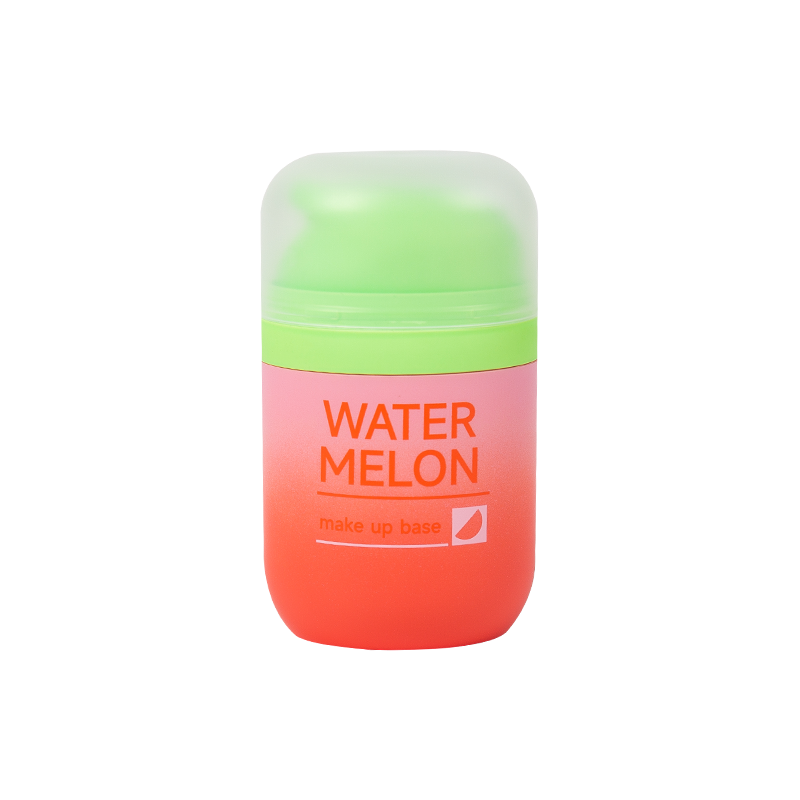
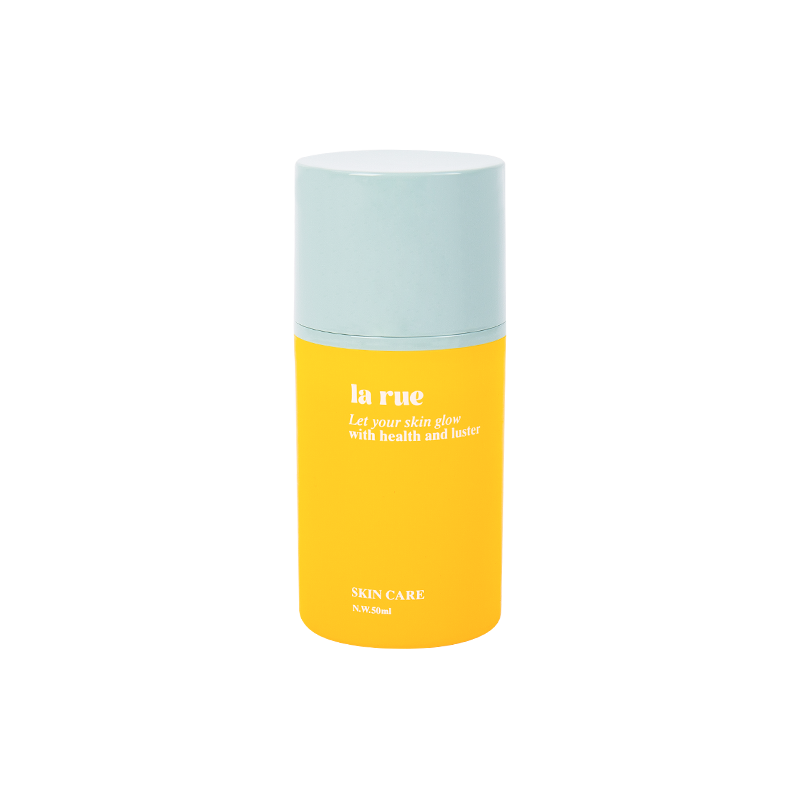
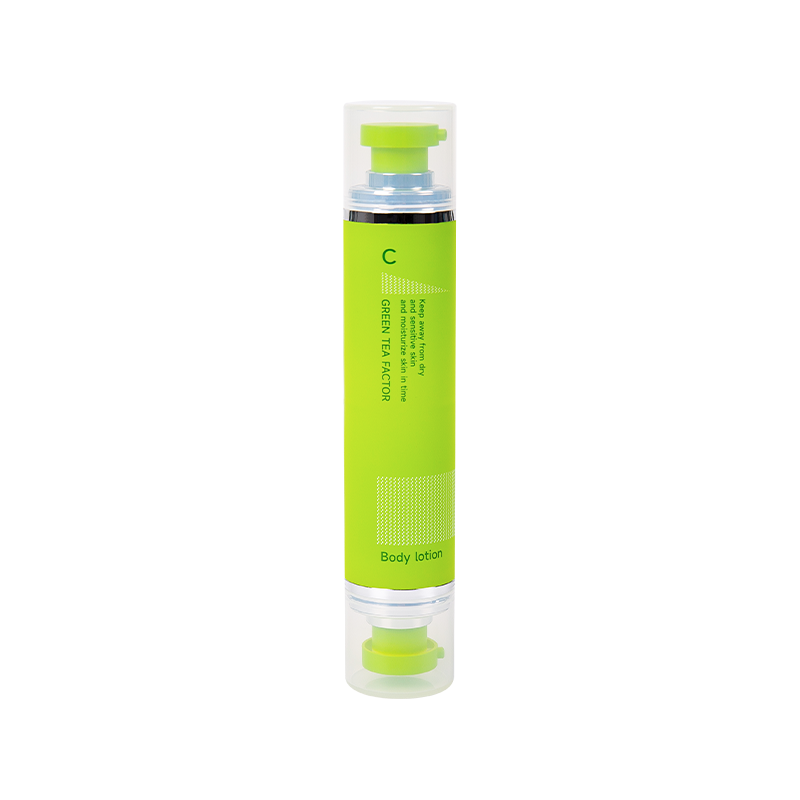
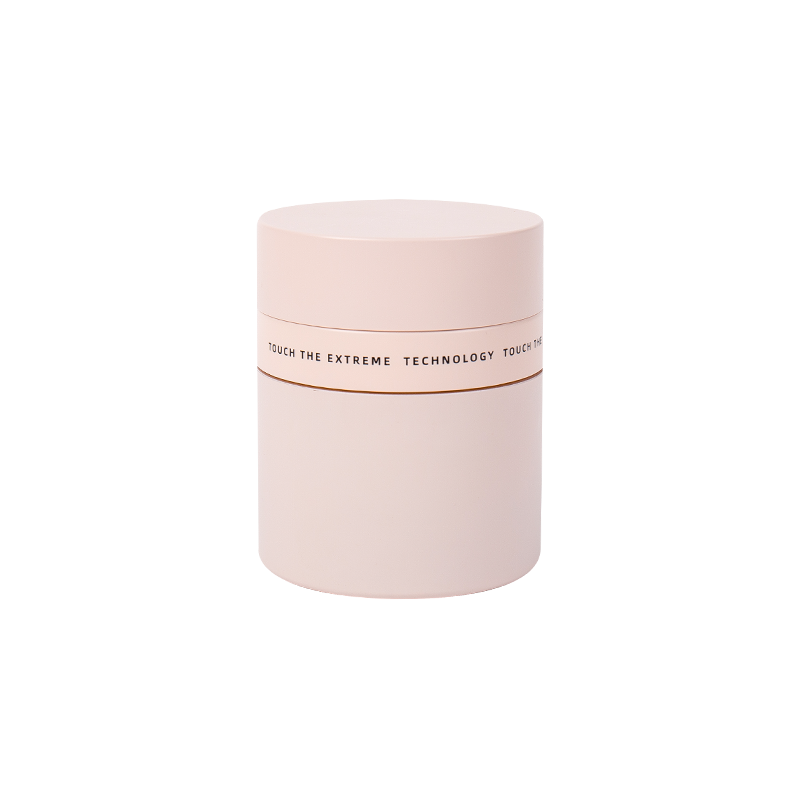
Understanding Different Materials for Cosmetic Plastic Bottles
Selecting the right material is the most critical step when sourcing cosmetic plastic bottles. Not all plastics are created equal; each has unique barrier properties that affect the shelf life and stability of your beauty products. For instance, PET (Polyethylene Terephthalate) is widely used because it is lightweight, shatterproof, and provides an excellent oil barrier, making it perfect for essential oils and perfumes. On the other hand, HDPE (High-Density Polyethylene) is known for its durability and resistance to chemicals, often chosen for hair care products like shampoos and conditioners where a squeezable, opaque container is preferred.
Comparing Popular Plastic Resins
To help you decide which material fits your formula best, consider the following characteristics of the most common plastics used in the beauty industry. Ensuring compatibility between the liquid and the bottle prevents issues like "panelling," where the bottle collapses inward due to chemical reactions.
| Plastic Type |
Clarity |
Best For |
| PET |
High (Glass-like) |
Sprays, Toners, Micellar Water |
| HDPE |
Opaque/Translucent |
Body Wash, Shampoo, Creams |
| PP |
Semi-Transparent |
Caps, Closures, Face Masks |
Key Functional Designs in Skincare Plastic Packaging
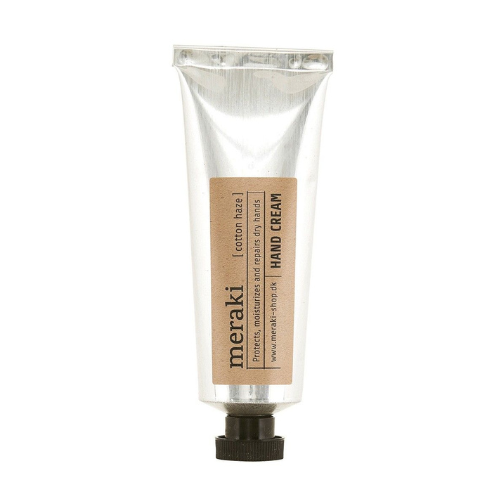
Functionality drives user satisfaction. When consumers use cosmetic plastic bottles, they expect a seamless dispensing experience. Airless pump bottles are currently a top trend in the industry because they utilize a vacuum system to push the product upward, ensuring that almost 100% of the cream or serum is used without any waste. Furthermore, airless designs protect sensitive formulas from oxygen, which can lead to the degradation of active ingredients like Vitamin C.
Choosing the Right Closure
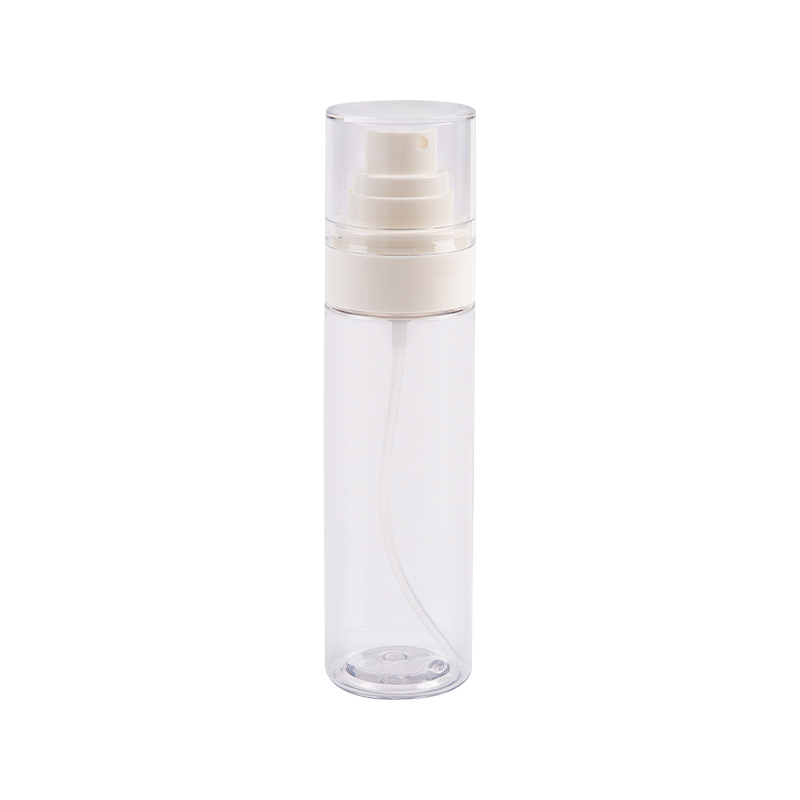
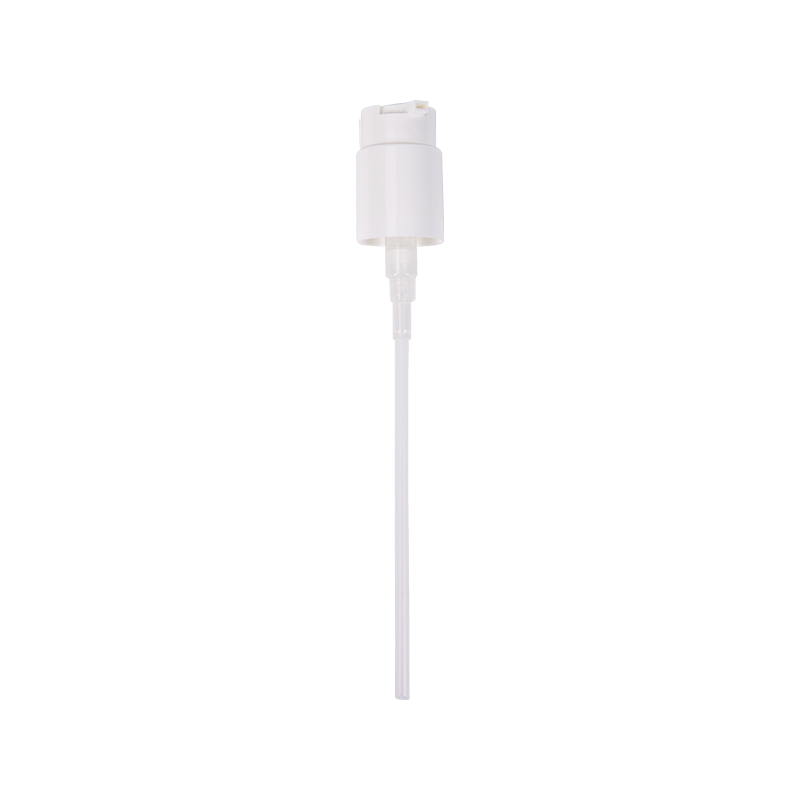
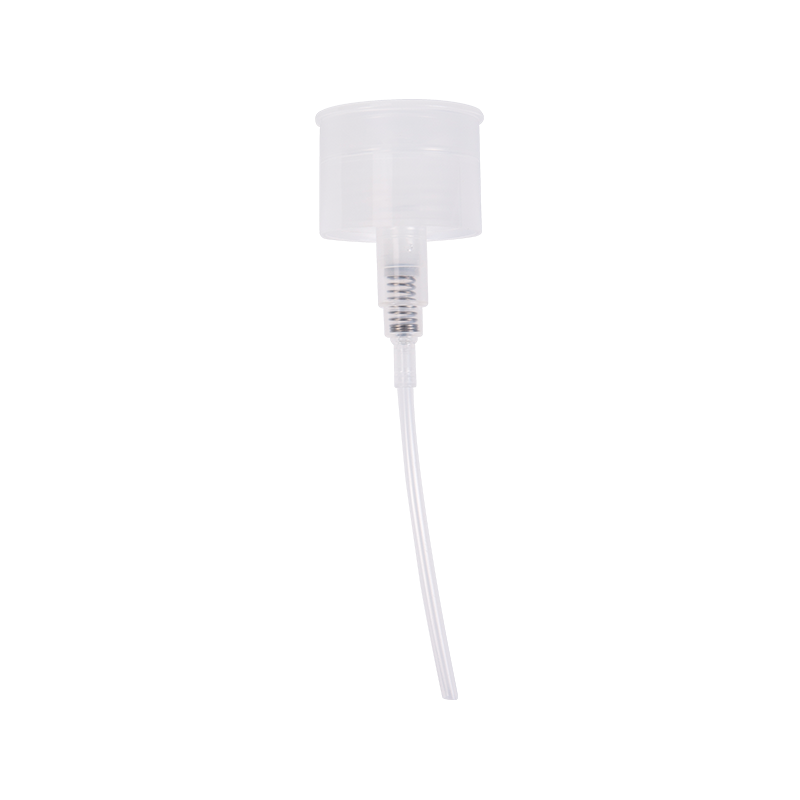
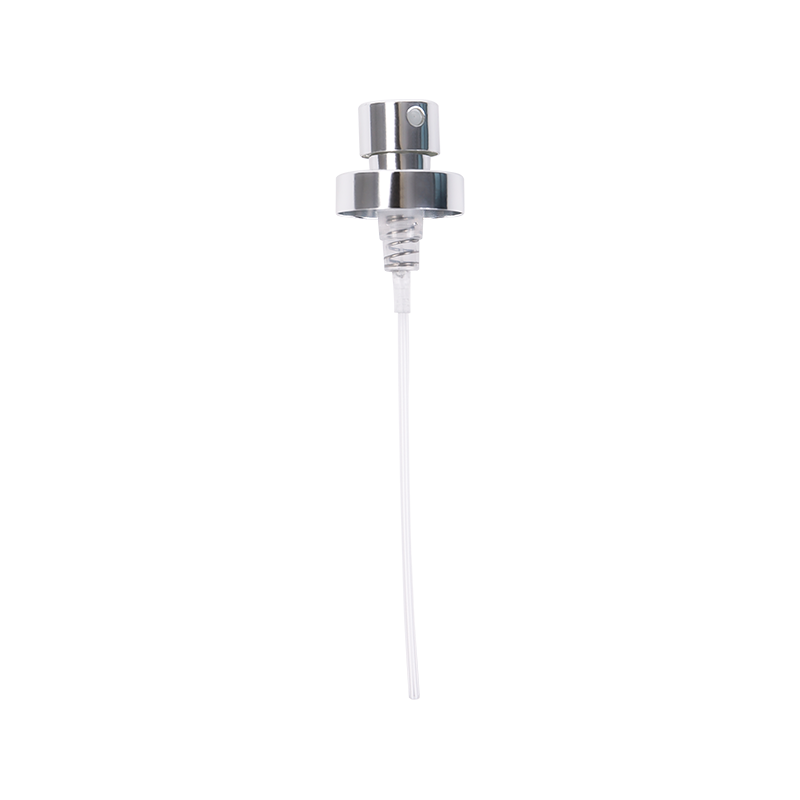
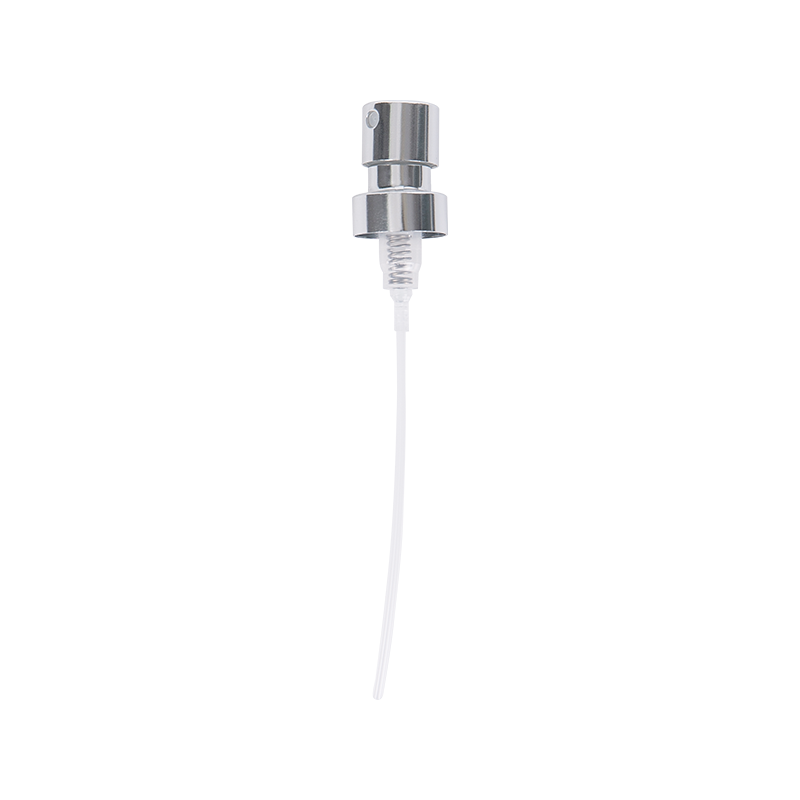
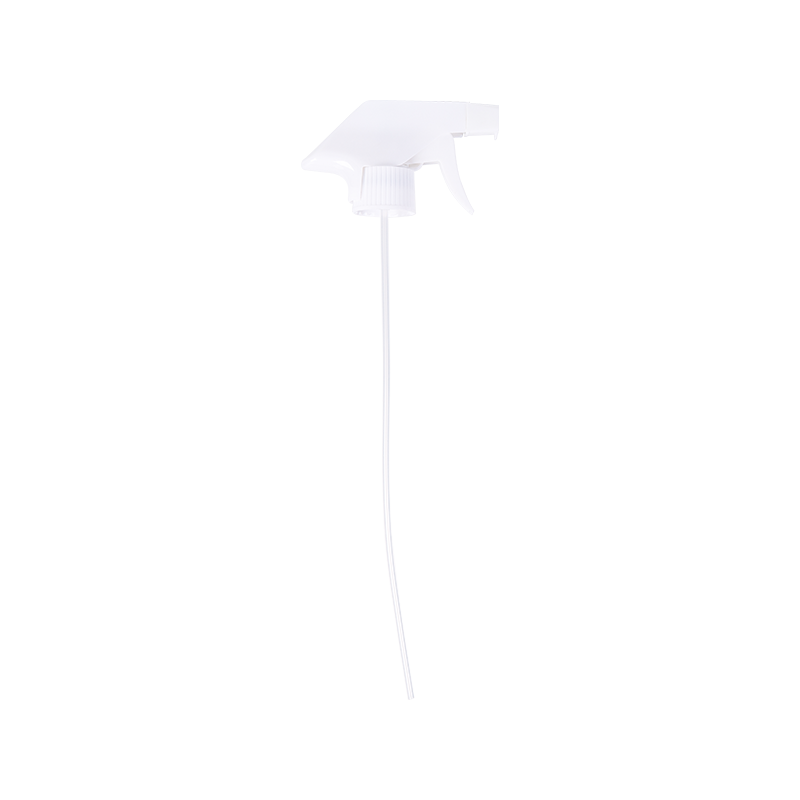
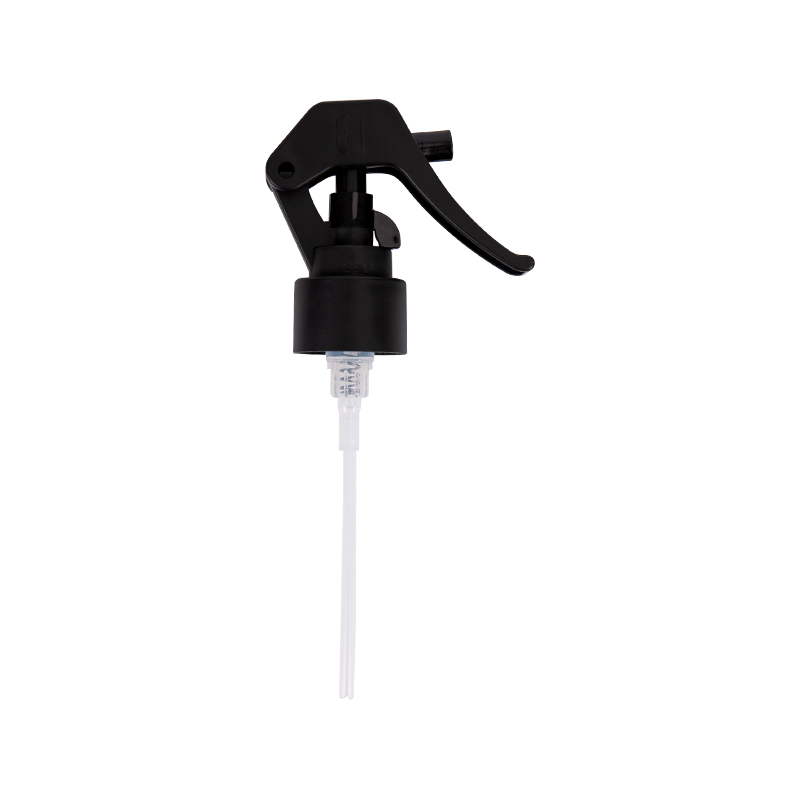
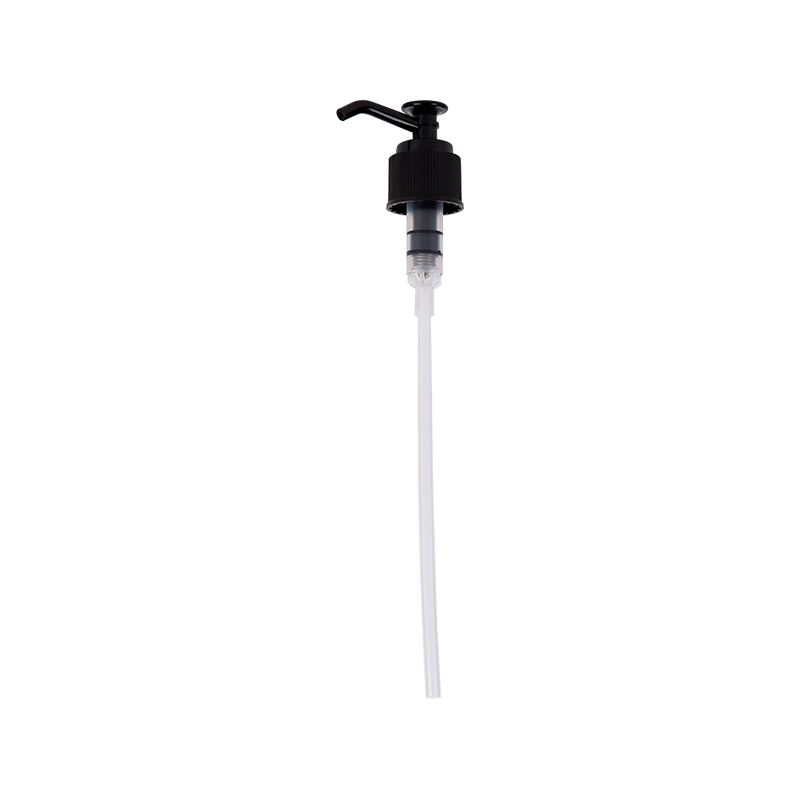
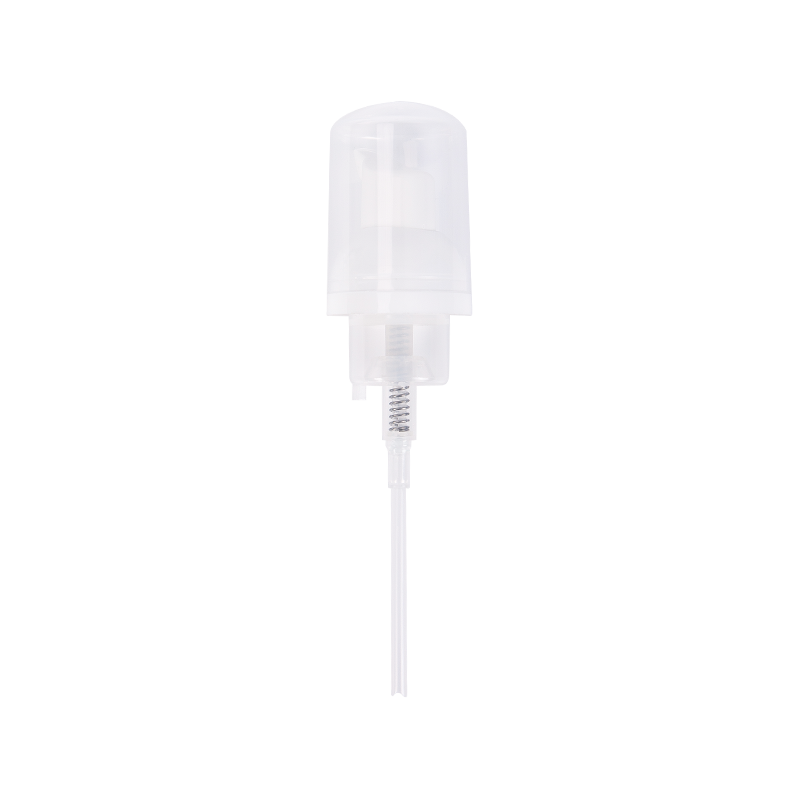
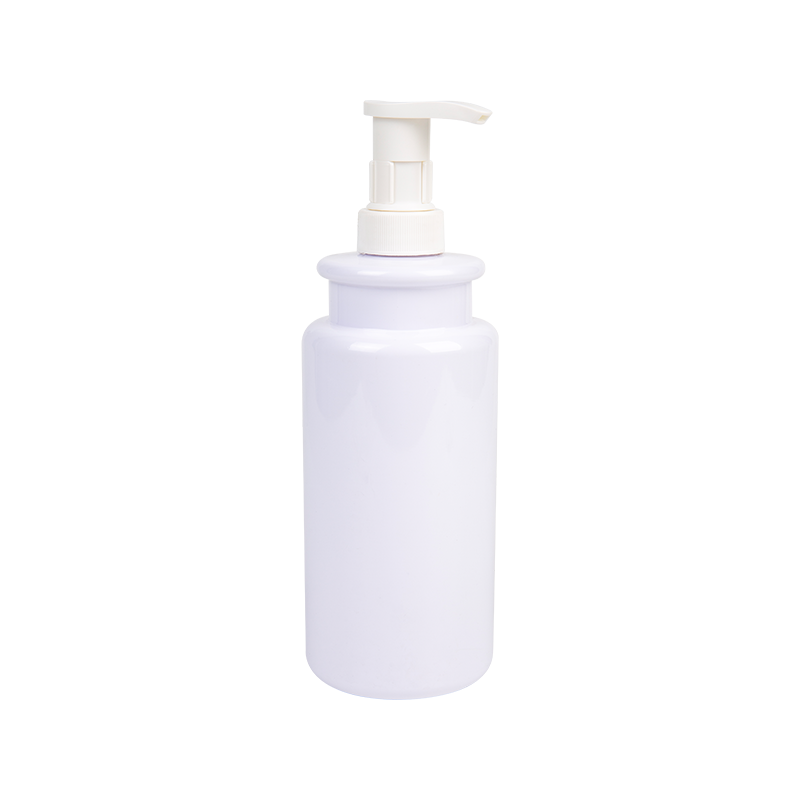
The neck size of your bottle determines which cap or pump you can use. Common neck finishes include 18/410, 20/410, or 24/410. Depending on the viscosity of your product, you might need a fine mist sprayer for liquids, a lotion pump for thicker emulsions, or a simple flip-top cap for everyday bath products. Testing the "dip tube" length is also essential to ensure it reaches the bottom of the bottle so the customer doesn't struggle to reach the last bit of product.
The Rise of Eco-Friendly Cosmetic Plastic Containers
Sustainability is no longer optional in the beauty world. Brands are moving away from virgin plastics and transitioning toward PCR (Post-Consumer Recycled) plastic. PCR cosmetic plastic bottles are made from recycled waste, significantly reducing the carbon footprint of the packaging. While PCR may have a slight tint compared to clear virgin PET, many brands embrace this look as a "badge of honor" to show their commitment to the environment.
- PCR PET maintains the same durability and safety as standard plastic.
- Monomaterial bottles make it easier for consumers to recycle the entire package at once.
- Refillable plastic bottle systems encourage customers to reuse the outer shell.
Customization and Branding Options for Plastic Bottles
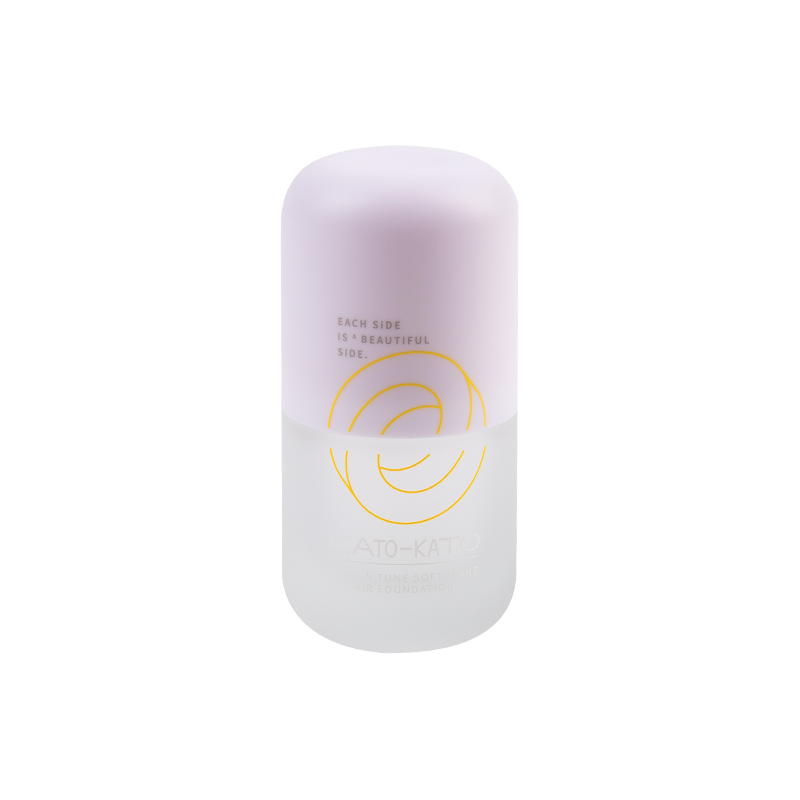
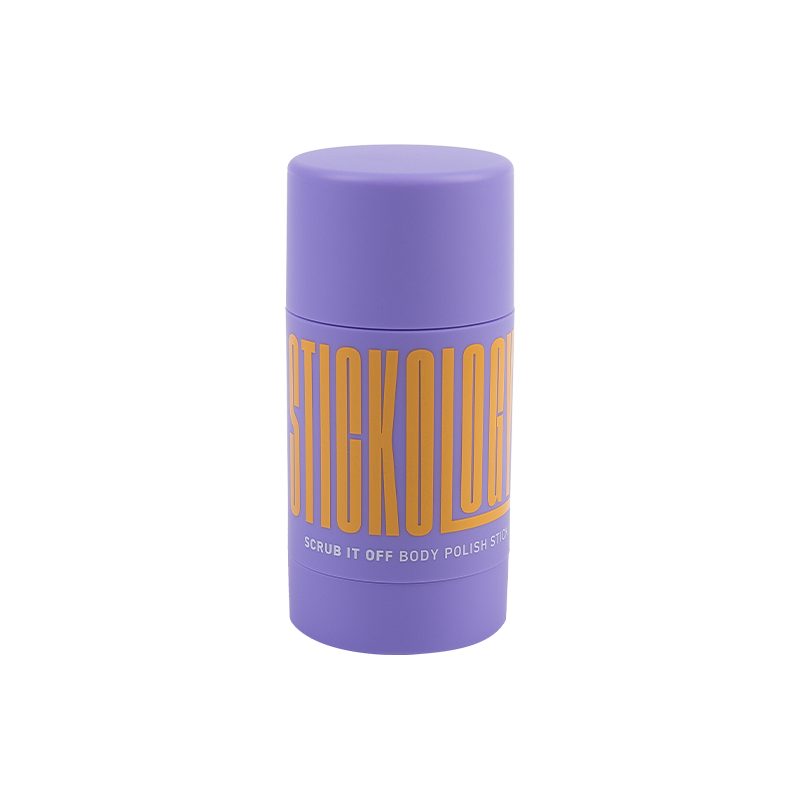
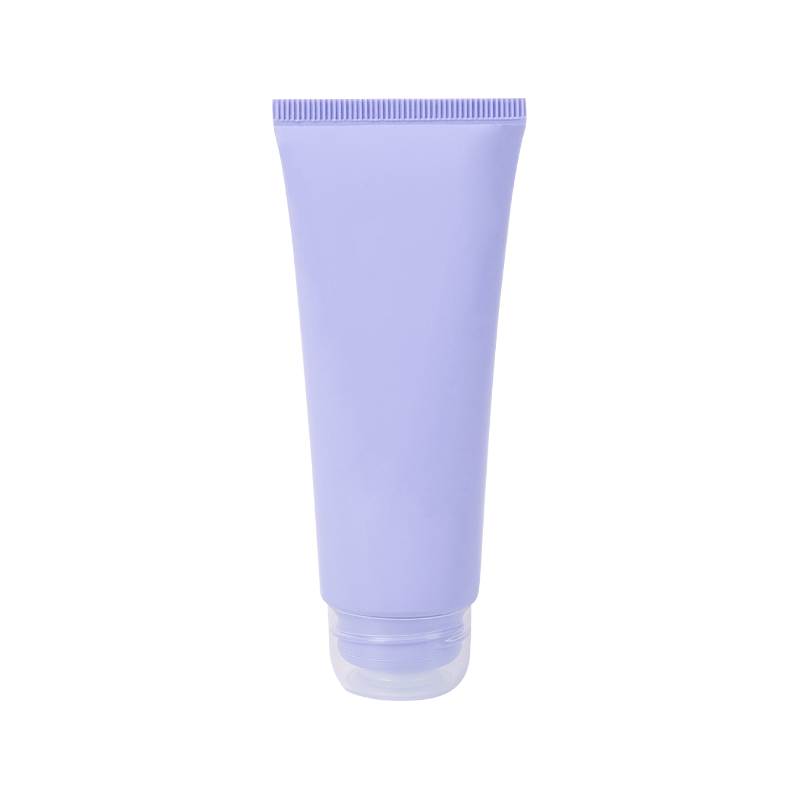
To stand out on a crowded retail shelf, your cosmetic plastic bottles need professional finishing. Plastic is incredibly versatile when it comes to decoration. You can choose from silk-screen printing for a textured, high-end feel, or hot stamping to add metallic gold and silver accents. Labeling is another popular route, especially for smaller brands, as it allows for multi-color designs at a lower cost. If you are looking for a unique brand identity, consider custom molds that change the physical shape of the bottle from a standard cylinder to an ergonomic or geometric design.
Safety and Compliance Standards
Finally, ensure that your supplier provides BPA-free and food-grade plastic certifications. Even though cosmetics are not ingested, the chemicals in non-certified plastics can leach into your formula, changing the scent or effectiveness. Always request samples and conduct compatibility testing for at least four to eight weeks under varied temperatures to ensure your cosmetic plastic bottles perform perfectly under real-world conditions.



 中文简体
中文简体