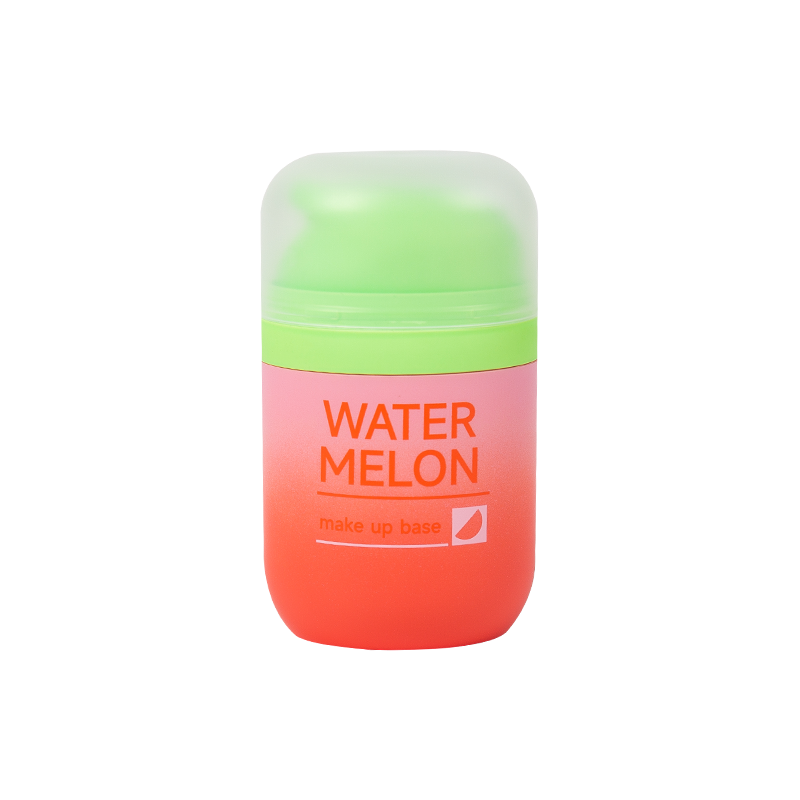
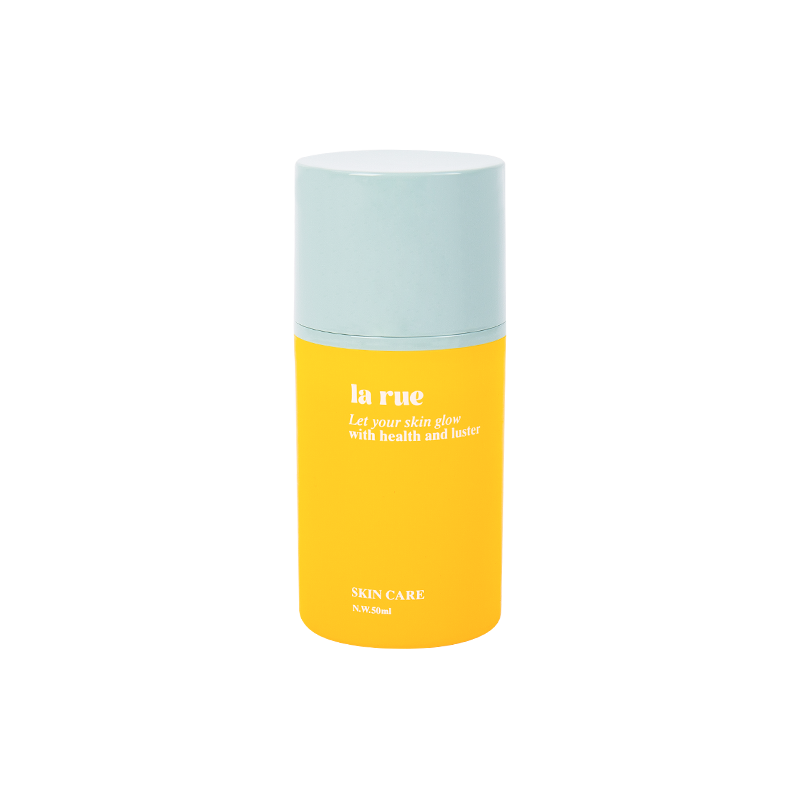
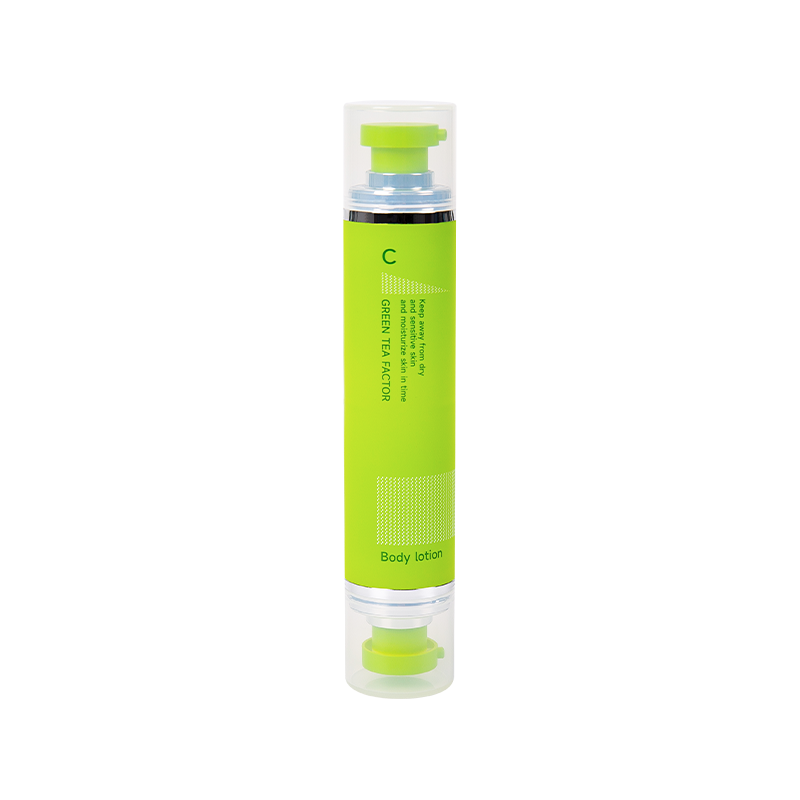
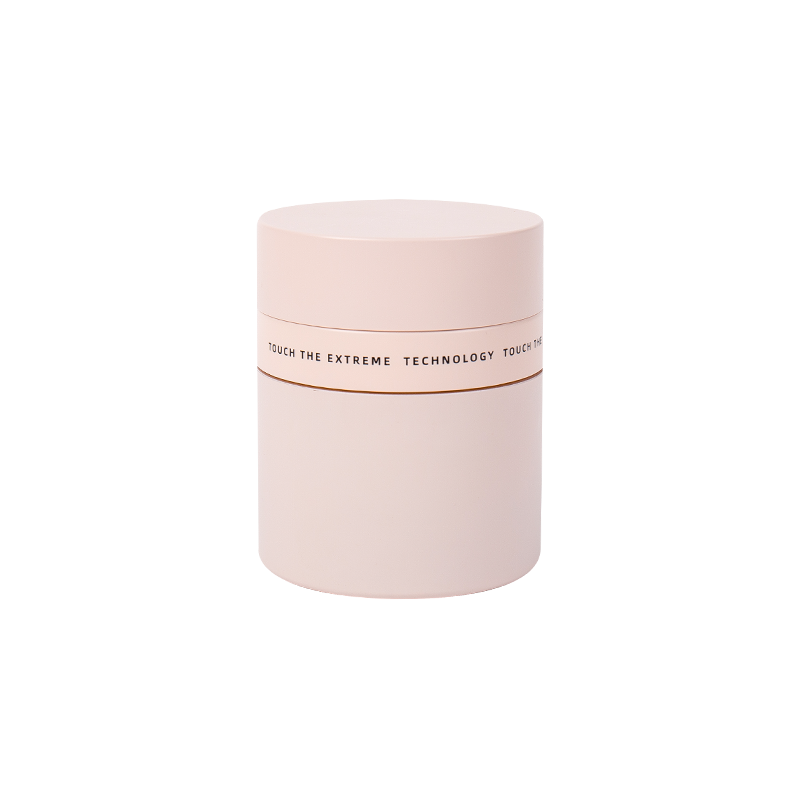
Cosmetic packaging plays a critical role in the beauty industry, influencing not only product protection but also brand identity and customer perception. From luxury skincare jars to eco-friendly makeup containers, the right cosmetic packaging can elevate your product and help it stand out in a competitive market. In this guide, we’ll explore practical aspects of cosmetic packaging, including materials, design choices, and how to select the best solution for your brand.
What Is Cosmetic Packaging and Why It Matters
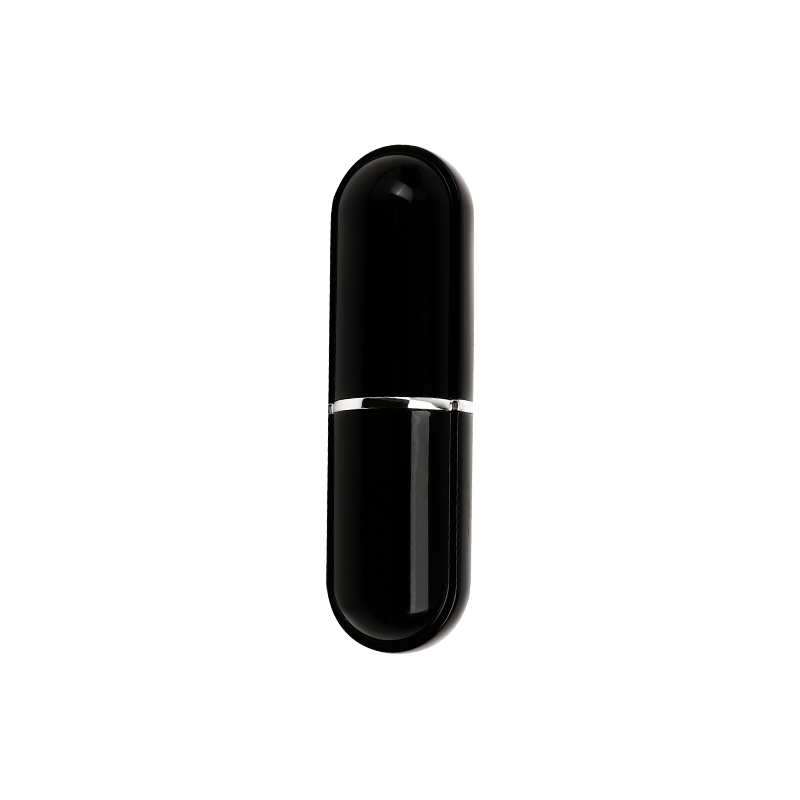
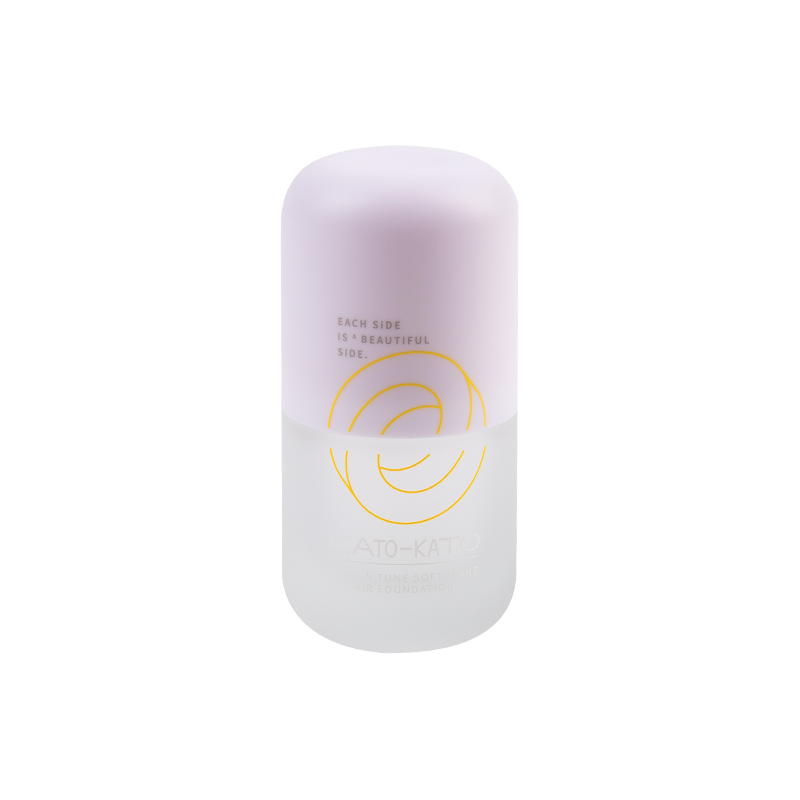
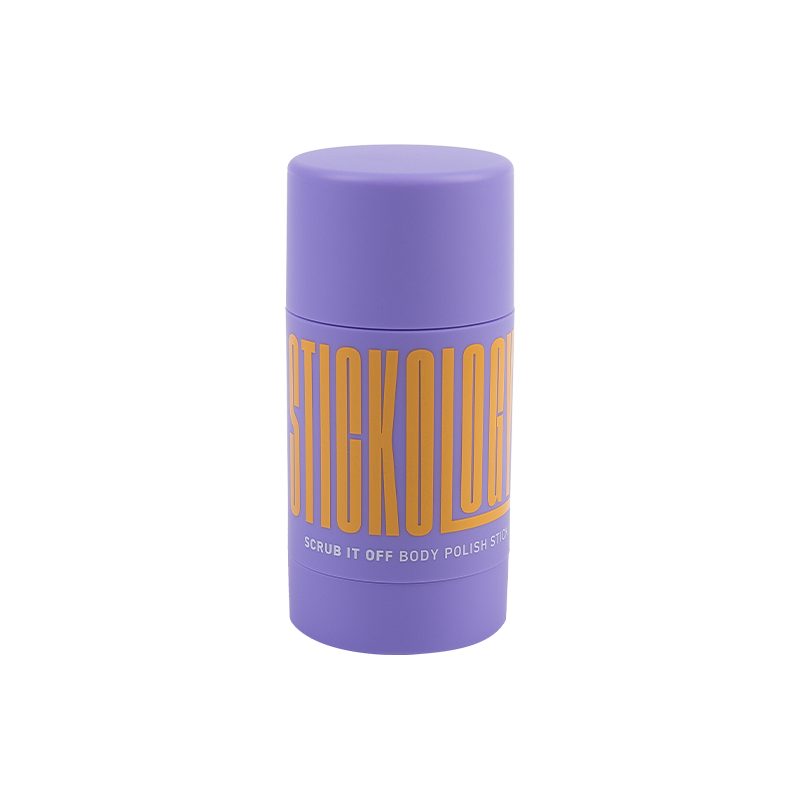
Cosmetic packaging refers to the containers and external materials used to hold and protect beauty and personal care products. This includes bottles, jars, tubes, pumps, and outer boxes. Beyond protection, cosmetic packaging design directly affects branding, usability, and consumer trust.
High-quality cosmetic packaging ensures product stability, prevents contamination, and enhances shelf appeal. In many cases, packaging is the first interaction customers have with a product, making it a key factor in purchasing decisions.
Popular Types of Cosmetic Packaging Solutions
Different cosmetic products require different packaging formats based on their texture, usage, and shelf life. Choosing the right structure ensures both functionality and convenience.
Bottles and Pumps
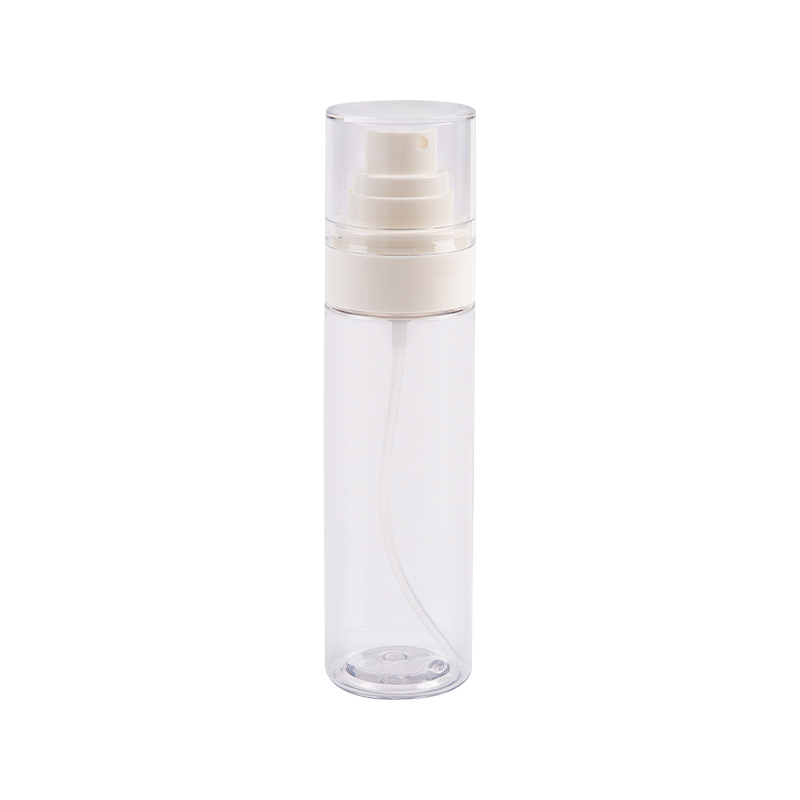
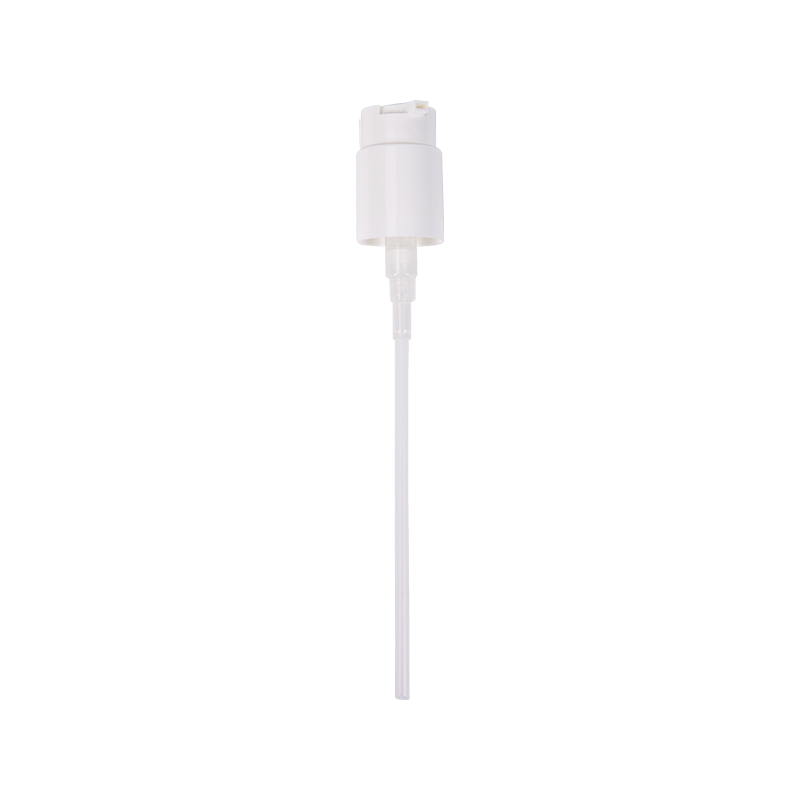
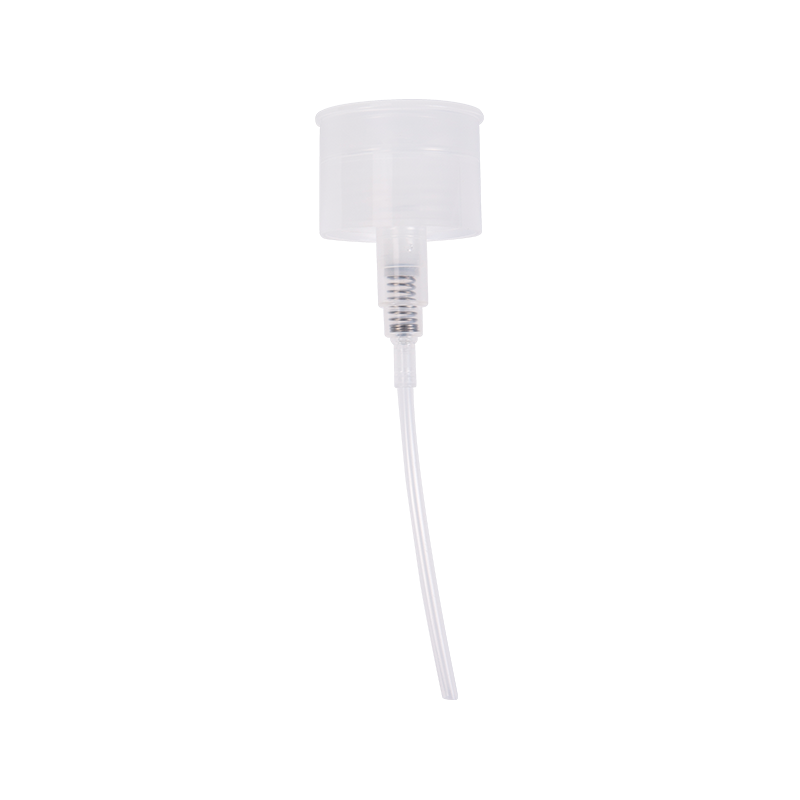
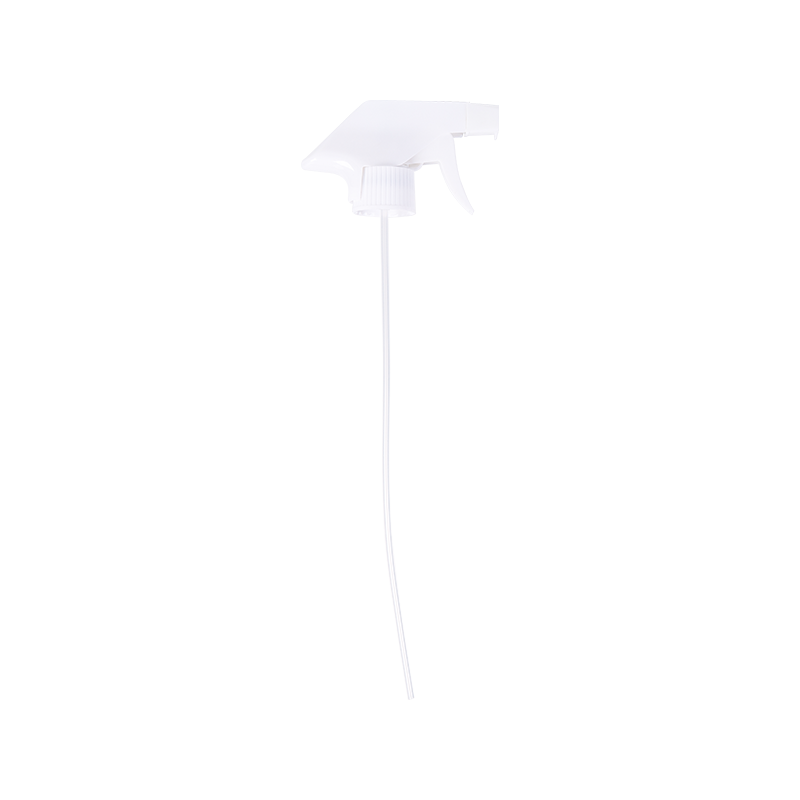
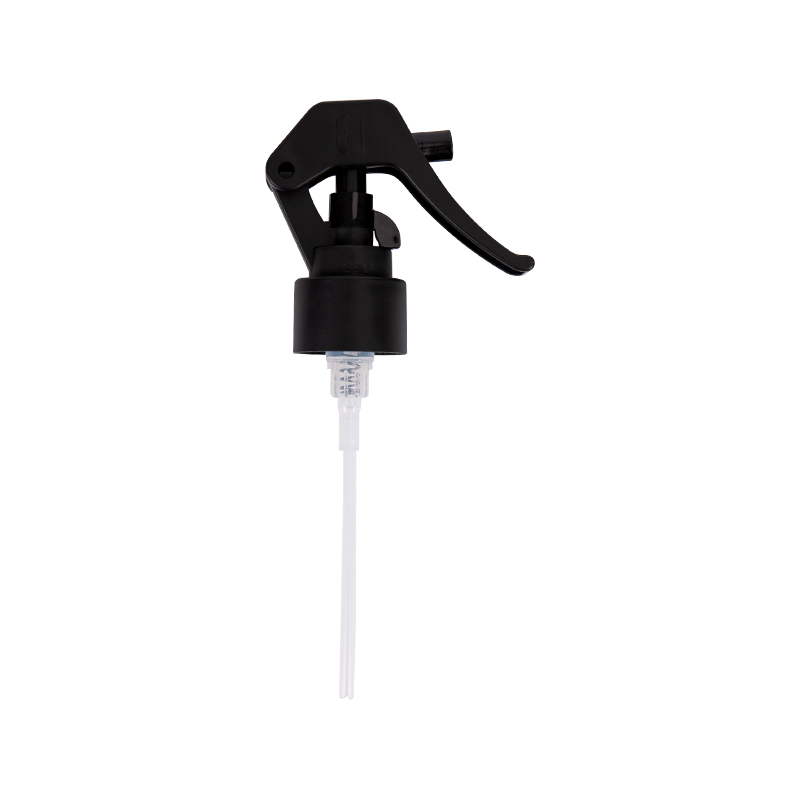
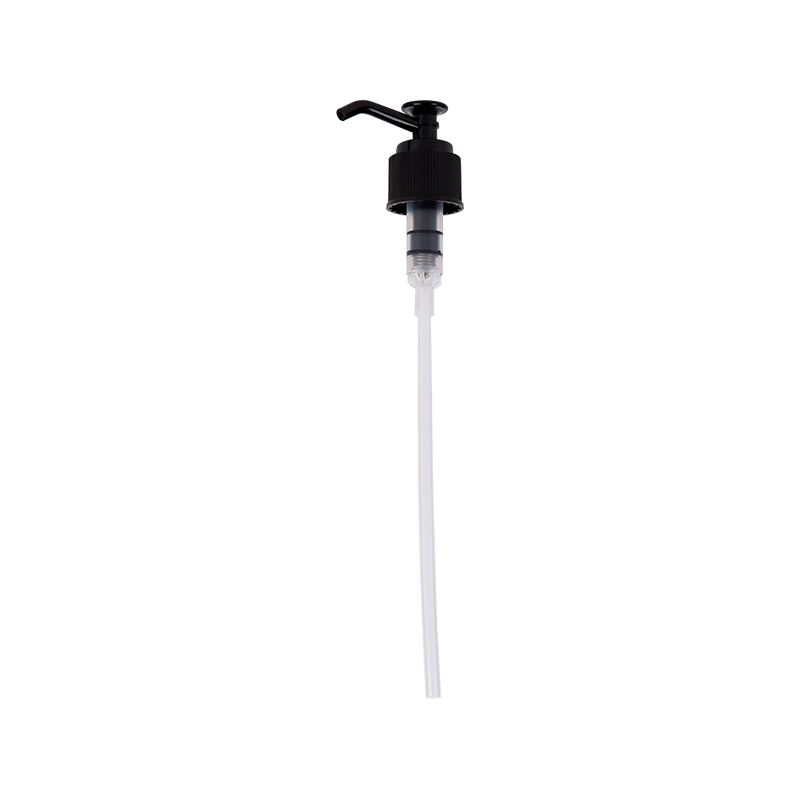
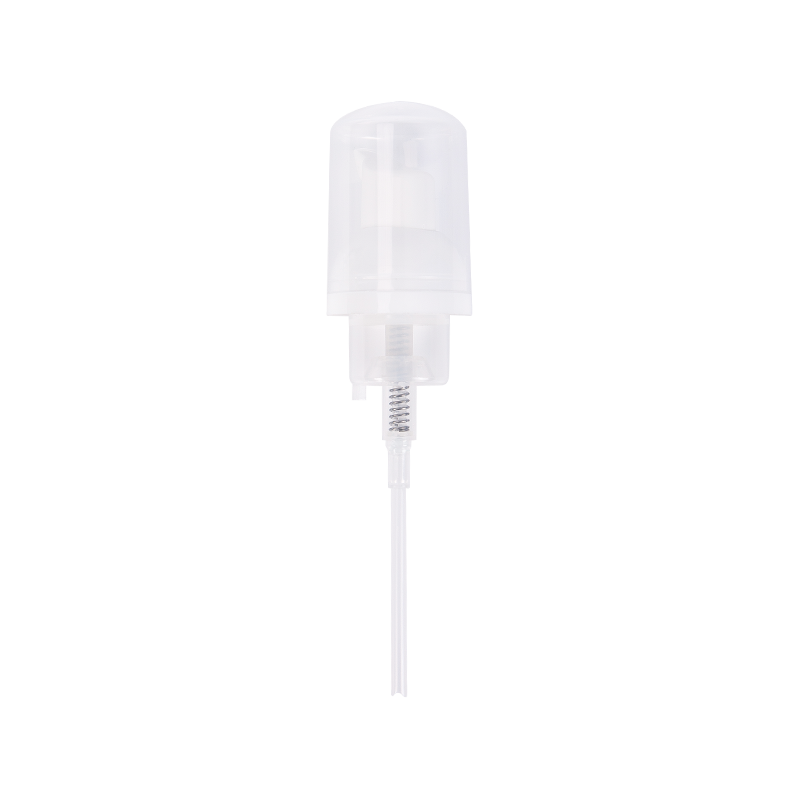
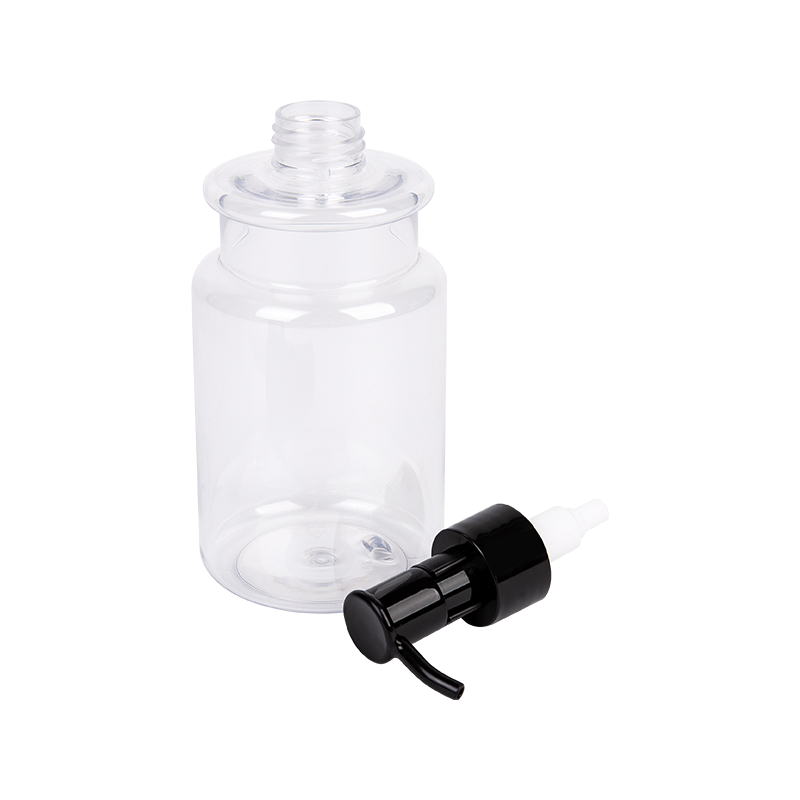
Cosmetic bottles with pump dispensers are widely used for lotions, serums, and foundations. They provide controlled dispensing, reduce waste, and help maintain product hygiene.
Jars and Cream Containers
Jars are ideal for thicker formulations such as creams and balms. They allow easy access to the product but may require additional hygiene considerations like spatulas.
Tubes and Squeeze Packaging
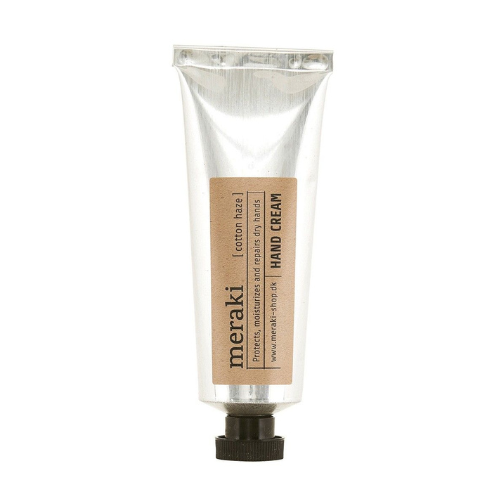
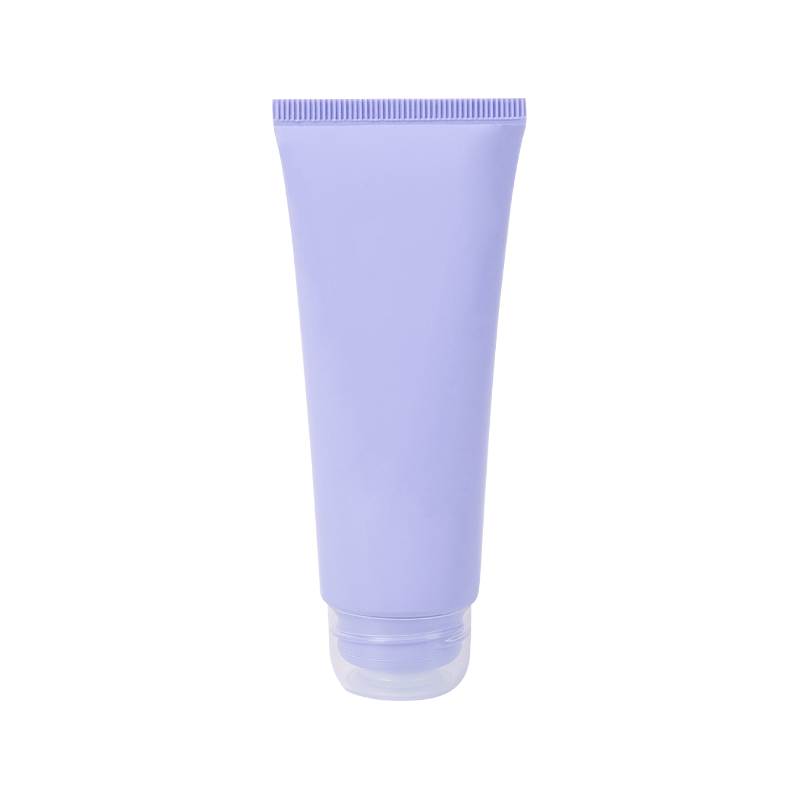
Tubes are commonly used for cleansers, gels, and sunscreens. They are lightweight, portable, and easy to use, making them popular for everyday skincare products.
Airless Packaging Systems
Airless cosmetic packaging is designed to prevent air exposure, which helps extend the shelf life of sensitive formulations. It is often used for high-end skincare products.
Common Materials Used in Cosmetic Packaging
Material selection is a key factor in cosmetic packaging design, affecting durability, appearance, and environmental impact.
| Material |
Features |
Best Applications |
| Plastic (PET, PP) |
Lightweight, cost-effective |
Mass-market products |
| Glass |
Premium look, chemical stability |
Serums, perfumes |
| Aluminum |
Durable, recyclable |
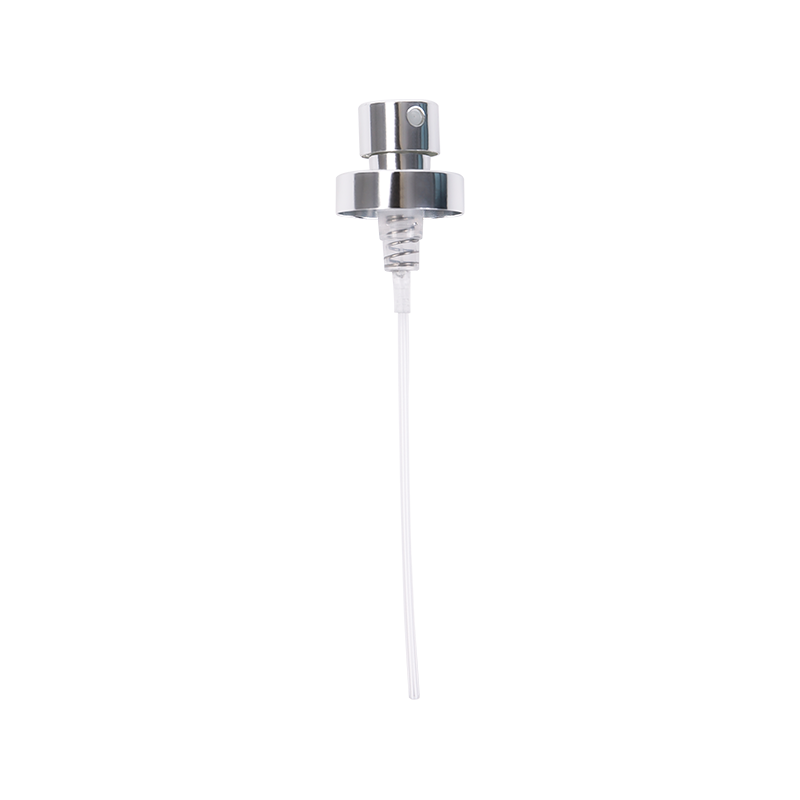
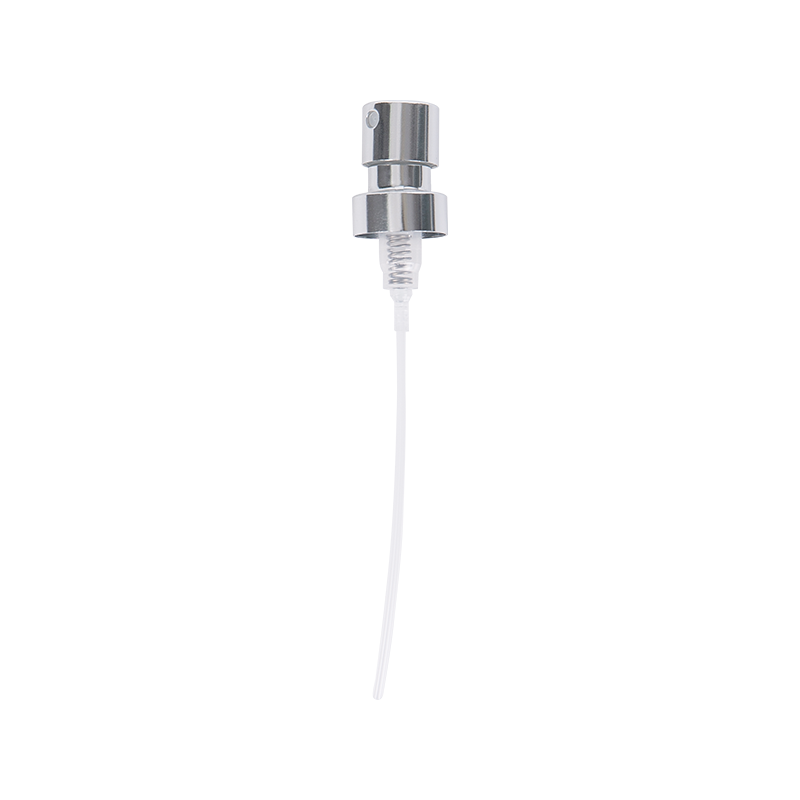
Sprays, creams |
| Paper Packaging |
Eco-friendly, customizable |
Outer boxes |
Key Factors When Choosing Cosmetic Packaging
Selecting the right cosmetic packaging involves balancing functionality, branding, and cost. A well-chosen package enhances both product performance and customer experience.
- Compatibility with product formulation to prevent chemical reactions
- Ease of use and convenience for end users
- Brand image and visual appeal on shelves or online
- Cost efficiency for large-scale production
- Sustainability and environmental impact
Trends in Modern Cosmetic Packaging Design
The cosmetic packaging industry continues to evolve with changing consumer preferences and environmental concerns. Staying updated with trends can help brands remain competitive.
Eco-Friendly Packaging
Sustainable cosmetic packaging, such as biodegradable materials and refillable containers, is becoming increasingly popular as consumers prioritize environmental responsibility.
Minimalist Design
Clean and simple packaging designs with neutral colors and clear labeling are trending, offering a modern and premium feel.
Custom Branding
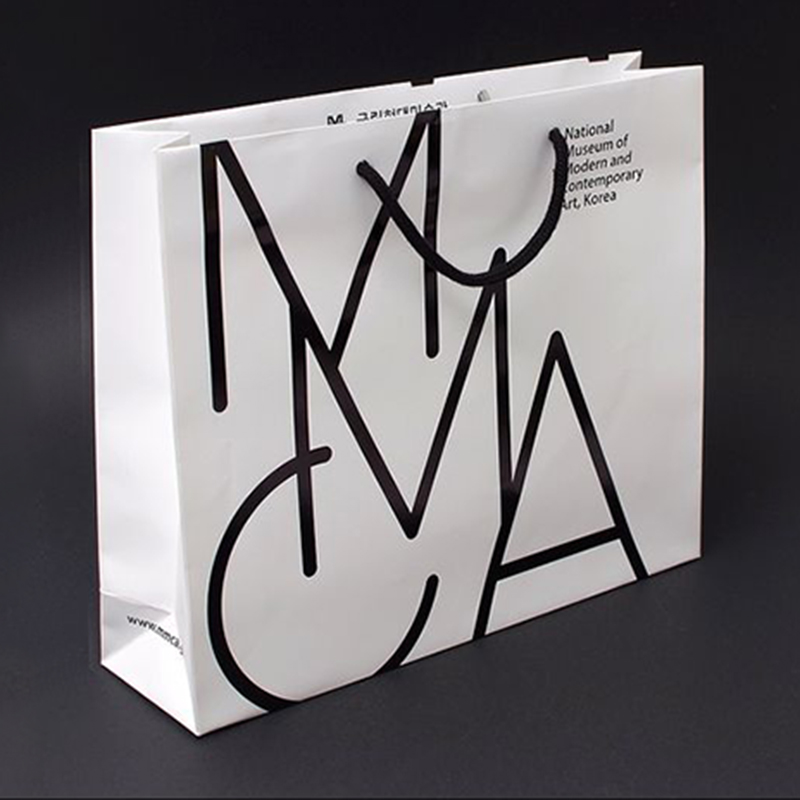
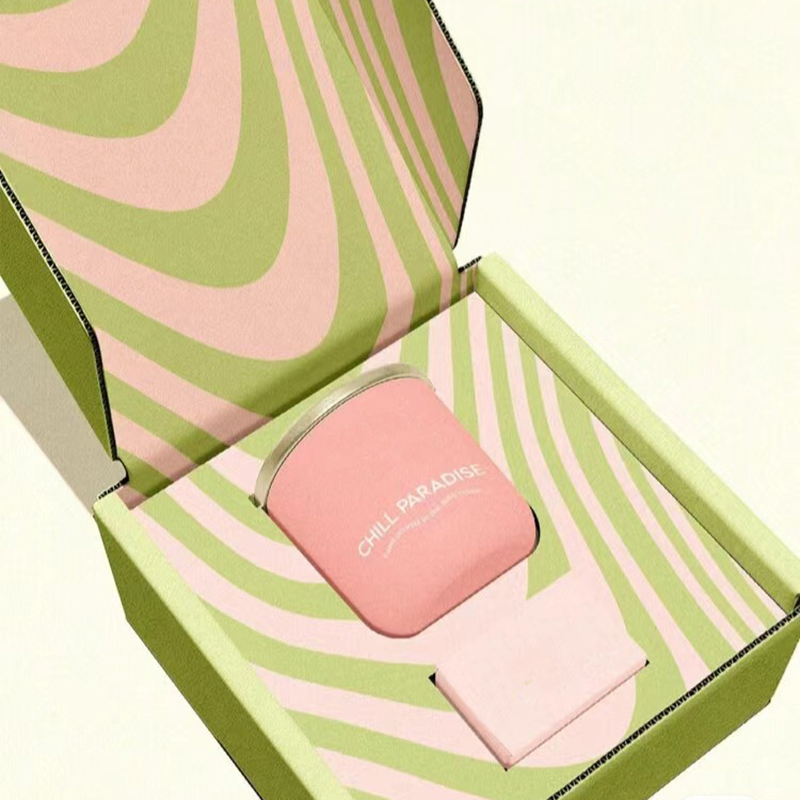
Custom cosmetic packaging allows brands to differentiate themselves through unique shapes, colors, and printing techniques, enhancing brand recognition.
Practical Tips for Improving Your Cosmetic Packaging
Improving cosmetic packaging doesn’t always require major changes. Small adjustments can significantly enhance product appeal and usability.
- Use high-quality printing for clear and attractive labeling
- Ensure packaging is easy to open and close securely
- Incorporate tamper-evident features for safety
- Test packaging durability during transportation
- Consider refillable or reusable packaging options
Conclusion: Build Strong Brands with Smart Cosmetic Packaging
Cosmetic packaging is more than just a container—it is a powerful tool for branding, protection, and user experience. By understanding different packaging types, materials, and trends, businesses can make informed decisions that enhance product value and customer satisfaction. Investing in well-designed cosmetic packaging can ultimately drive sales and strengthen brand identity in a competitive market.



 中文简体
中文简体