How a Standard Trigger Sprayer Actually Works
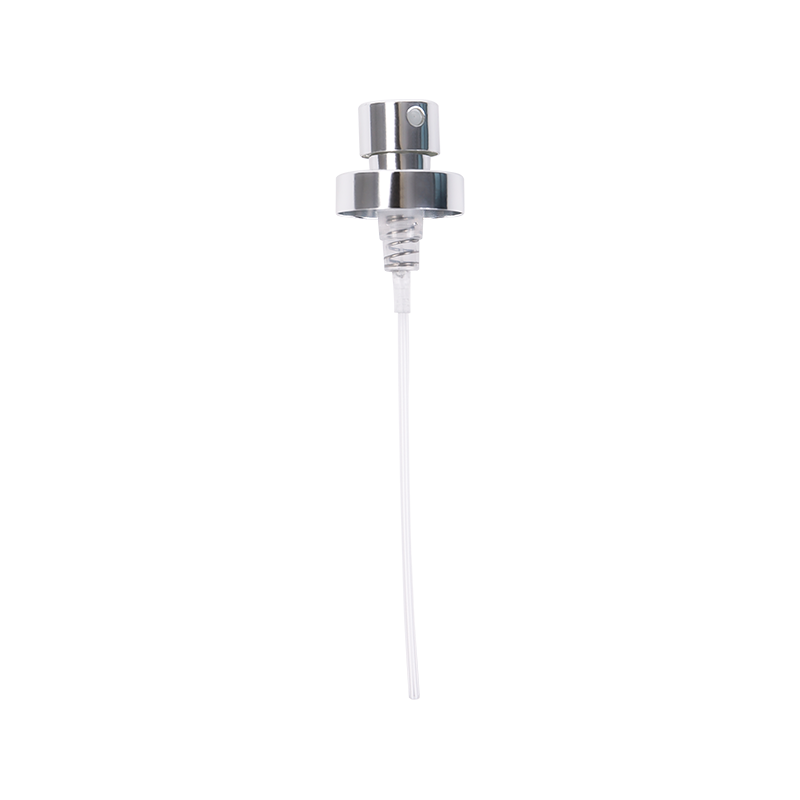
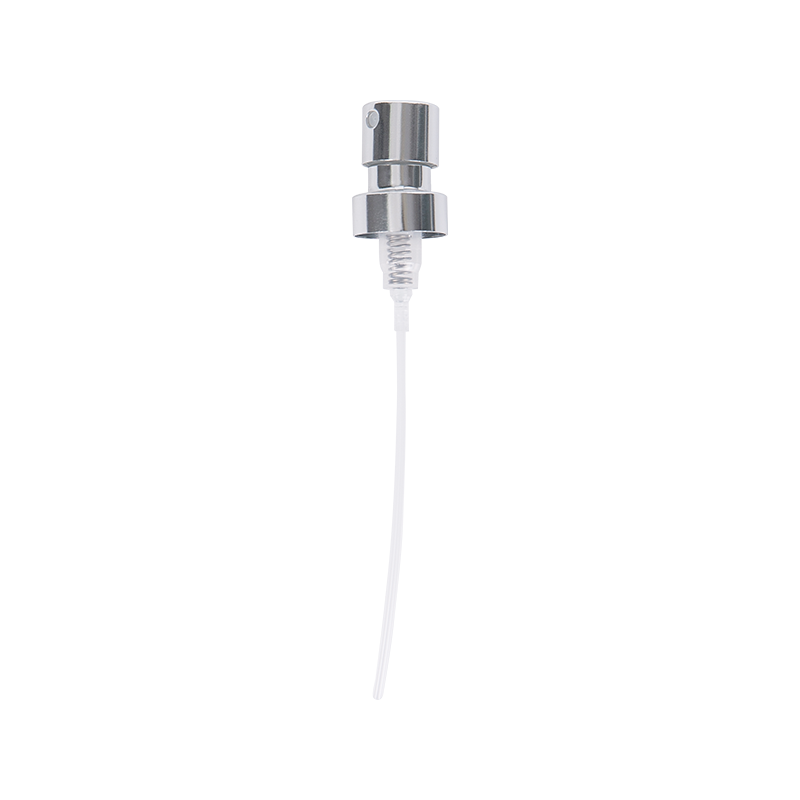
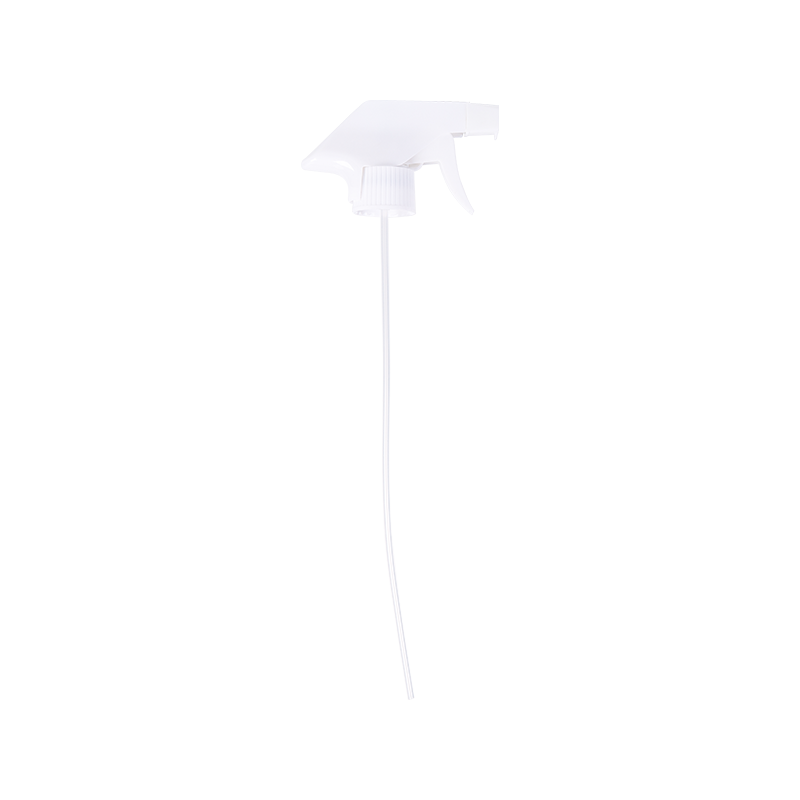
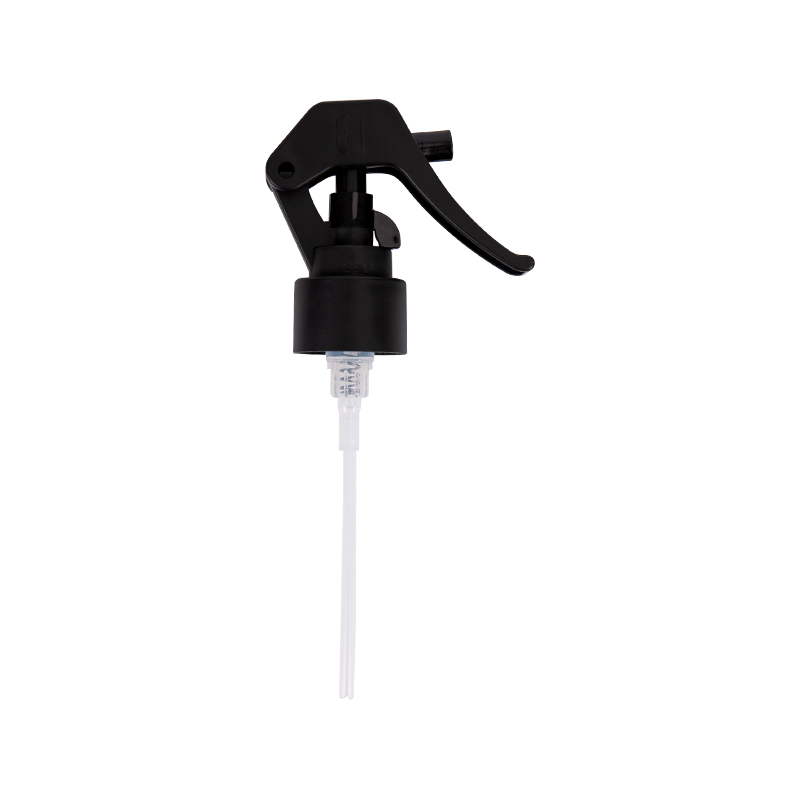
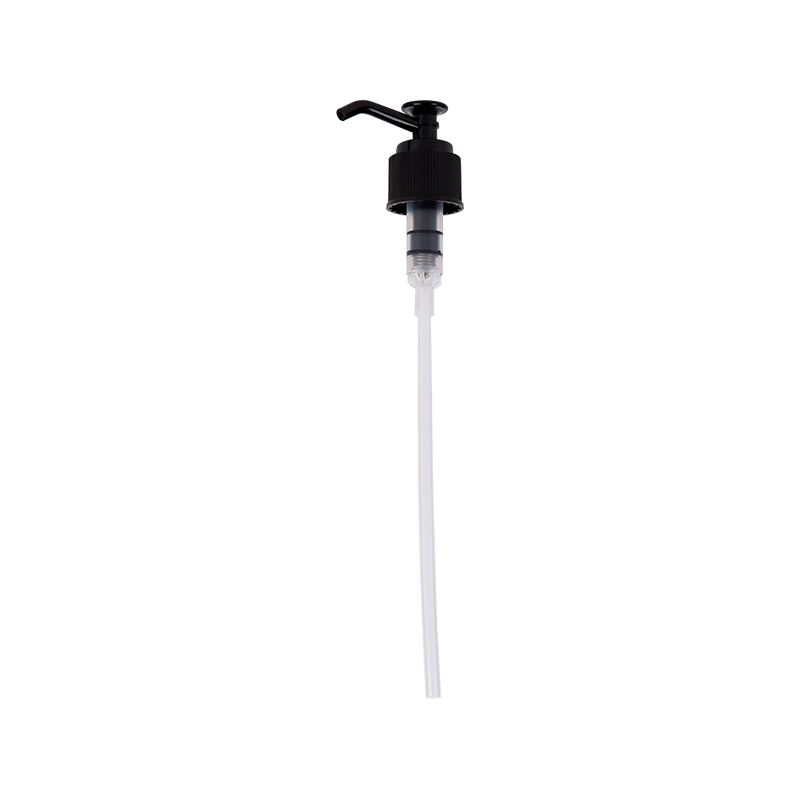
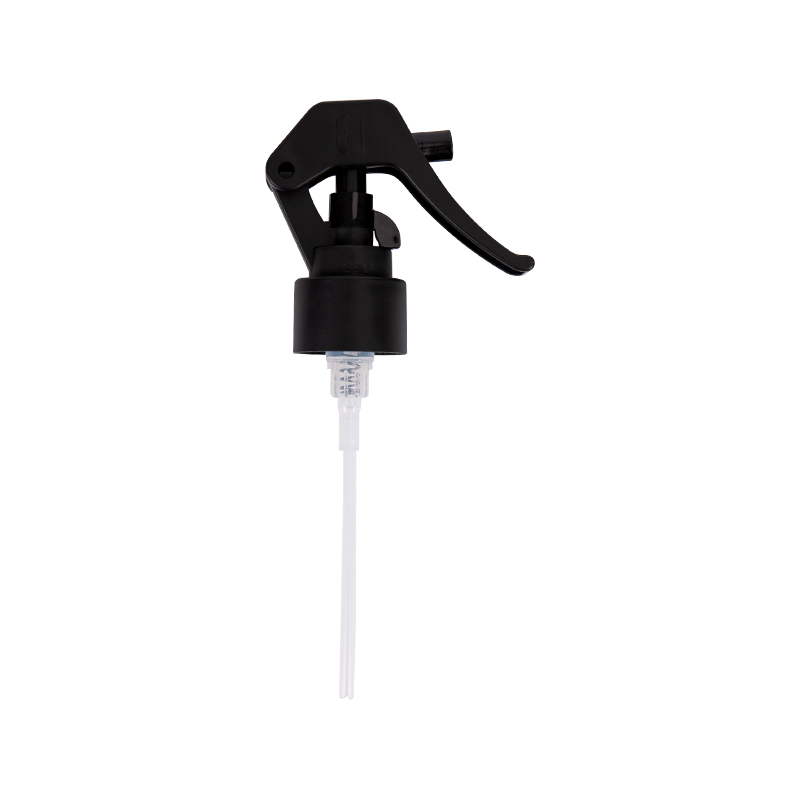
A Trigger Sprayer is a marvel of simple mechanical engineering designed to dispense liquid in a controlled manner. When you pull the lever, a small piston compresses a spring and forces liquid through a one-way valve toward the nozzle. When the trigger is released, the spring pushes the piston back, creating a vacuum that draws more liquid up through the dip tube from the bottle. This cycle allows for consistent dispensing without the need for pressurized aerosol propellants. Most modern spray heads are made from high-density polyethylene (HDPE) or polypropylene (PP), ensuring they are lightweight yet durable enough for repetitive home and industrial use.
The Role of the Nozzle Tip
The nozzle is the most critical part of the spray assembly. By twisting the tip, you can change the internal geometry that the liquid passes through. A tight constriction creates a high-pressure "Stream" for long-range targeting, while a wider internal chamber with a swirling vane creates a "Mist" or "Spray" pattern for broad surface coverage. Many premium models also include an "Off" setting to prevent accidental leakage during transport or storage, providing an essential safety feature for household chemicals.
Choosing the Right Sprayer for Your Specific Liquid
Not all liquids are created equal, and neither are trigger sprayers. Using a standard sprayer for harsh chemicals can lead to rapid failure of the internal gaskets and springs. For example, acidic cleaning agents or oil-based solvents require specialized Viton or EPDM seals that won't degrade or swell over time. If you are dispensing thicker liquids like gel cleaners or heavy waxes, you may need a high-output sprayer with a larger orifice to prevent clogging and reduce the hand fatigue associated with multiple pumps.
| Sprayer Type |
Best Use Case |
Key Feature |
| General Purpose |
Water, Glass Cleaners |
Cost-effective, adjustable tip |
| Chemical Resistant |
Degreasers, Solvents |
Viton/EPDM gaskets |
| Foaming Sprayer |
Car Wash, Bath Cleaners |
Aerates liquid into foam |
| High Output |
Gardening, Large Surfaces |
3.0ml+ per stroke |
Practical Benefits of Foaming and Upside-Down Features
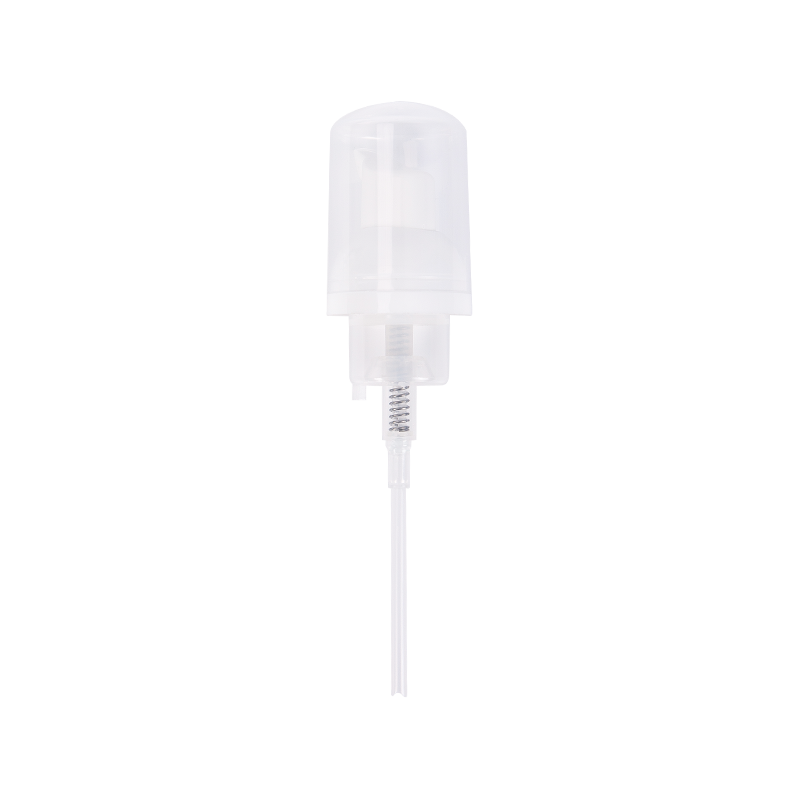
Innovative designs have expanded the utility of the traditional Trigger Sprayer. Foaming nozzles are increasingly popular because they increase the "dwell time" of a cleaning agent on vertical surfaces. By mixing air with the liquid, the resulting foam clings to the surface rather than running off, allowing the chemicals to work more effectively. Another constructive advancement is the 360-degree or "upside-down" sprayer. These utilize a weighted dip tube or a specialized valve that allows the user to spray at any angle, which is particularly helpful when cleaning under car wheel wells or inside toilet rims.
Why Design Matters for User Comfort
- Ergonomic Three-Finger Triggers: Reduces hand strain during prolonged use.
- Filter Screens: Located at the bottom of the dip tube to prevent debris from clogging the nozzle.
- Shipper Friendly Locks: Ensures the sprayer doesn't leak while in a box during e-commerce shipping.
- Recyclable Materials: Many all-plastic sprayers (metal-free) are now available for easier recycling.
Maintenance and Troubleshooting
If your Trigger Sprayer stops working, it is usually due to a simple clog or a dried-out seal. Before throwing it away, try soaking the nozzle in warm, soapy water to dissolve any salt or chemical buildup. If the trigger feels "mushy" and doesn't spring back, the internal spring may have corroded or the piston may need a drop of silicone lubricant. For businesses, choosing the correct neck finish (commonly 28/400 or 28/410) and ensuring the dip tube length reaches the very bottom corner of the bottle will minimize product waste and improve customer satisfaction.
In summary, a Trigger Sprayer is a vital component of product packaging that directly impacts the end-user experience. By understanding the mechanical differences and material requirements of various spray heads, you can ensure that your product is dispensed safely, efficiently, and comfortably every single time.



 中文简体
中文简体