Why Dropper Bottles are Essential for Precision Packaging
Dropper bottles have become the industry standard for products that require exact dosage and protection from environmental exposure. Whether you are packaging facial oils, high-potency serums, or essential oil blends, these containers offer a level of control that pumps and pour-top bottles simply cannot match. The glass or plastic pipette allows users to dispense product drop by drop, which is vital for concentrated formulas where a small amount goes a long way. This precision not only enhances the user experience but also prevents product waste, making it a favorite for premium skincare brands.
The Anatomy of a Quality Dropper Assembly
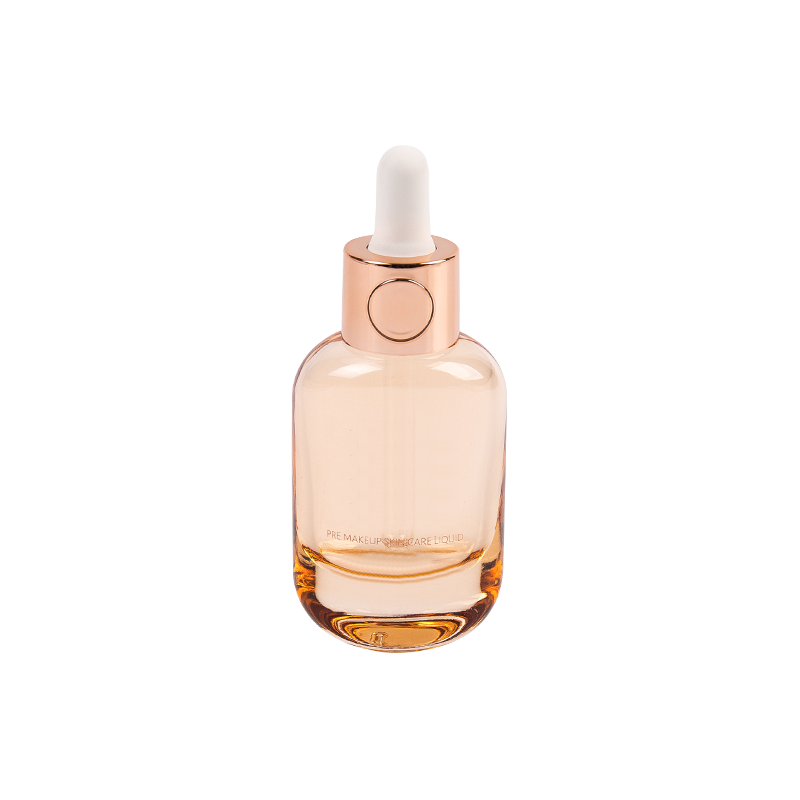
A standard dropper bottle consists of four main parts: the bottle itself, the glass or plastic pipette, the screw-on cap, and the flexible rubber bulb. The bulb material is particularly important, as certain formulations can cause natural rubber to degrade over time. Many high-end cosmetic dropper bottles now utilize Nitrile or Santoprene bulbs, which offer superior chemical resistance. Ensuring that the pipette length is correctly calibrated to the bottle height is also crucial, as a pipette that is too short will leave unusable product at the bottom.
Choosing Between Glass and Plastic Materials
When selecting your dropper bottles, the choice of material significantly impacts product stability and brand perception. Glass is the traditional choice due to its non-reactive nature and premium feel. It is also available in various colors like amber and cobalt blue, which provide essential UV protection for light-sensitive ingredients. However, PET plastic dropper bottles are gaining popularity for travel-sized products and samples because they are shatterproof and lightweight, reducing shipping costs and breakage during transit.
| Feature |
Glass Droppers |
Plastic (PET/LDPE) Droppers |
| Chemical Stability |
Excellent / Inert |
Good (Check Compatibility) |
| UV Protection |
High (Amber/Cobalt) |
Low to Moderate |
| Durability |
Fragile |
Shatterproof |
| Sustainability |
Highly Recyclable |
Recyclable / PCR Options |
Advanced Features and Safety Considerations
In today’s market, standard liquid droppers often include advanced features to comply with safety regulations and improve functionality. For products containing chemicals or high concentrations of active ingredients, Child-Resistant Closures (CRC) are often a legal requirement. These caps require a "push-down and turn" motion to open, preventing accidental ingestion by children. Additionally, Tamper-Evident (TE) rings provide consumers with peace of mind by showing that the bottle has not been opened since it left the manufacturing facility.
Specialty Pipette Tips for Different Viscosities
- Straight Tip: The most common style, ideal for low-viscosity liquids like water-based serums.
- Bent Tip: Helps in reaching the "corners" of the bottle and allows for a more ergonomic dispensing angle.
- Ball/Bulb Tip: Designed for thicker oils to help hold the droplet better before release.
- Graduated Pipettes: Features printed volume markings (0.25ml, 0.5ml, etc.) for medicinal or precise skincare applications.
Best Practices for Maintaining Dropper Bottle Hygiene
Because dropper bottles involve a pipette that is frequently removed and reinserted, hygiene is a major concern. To prevent bacteria from entering the bottle, users should avoid touching the glass pipette directly to their skin. Instead, drops should be "hovered" over the palm or fingers. For brands, selecting bottles with a "wiper" insert can help. These inserts sit in the neck of the bottle and scrape excess product off the outside of the pipette as it is withdrawn, keeping the neck clean and reducing the risk of the product drying out and "crusting" around the seal.
Testing for Leakage and Seal Integrity
Before launching a product in dropper bottles, it is essential to conduct vacuum leak tests. Because the bulb is flexible, changes in air pressure—such as during air travel—can sometimes cause liquid to be drawn up into the bulb or forced out of the cap. Working with a supplier that provides torque-tested closures ensures that your product remains sealed through every stage of the supply chain, from the warehouse to the customer's vanity.



 中文简体
中文简体