What Exactly Is a Foundation Bottle?
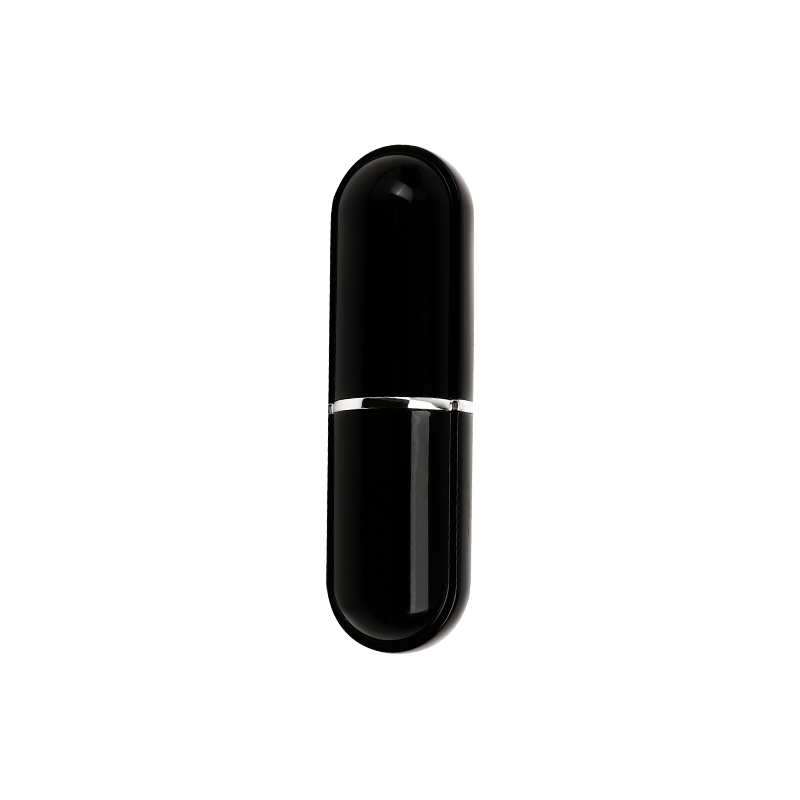
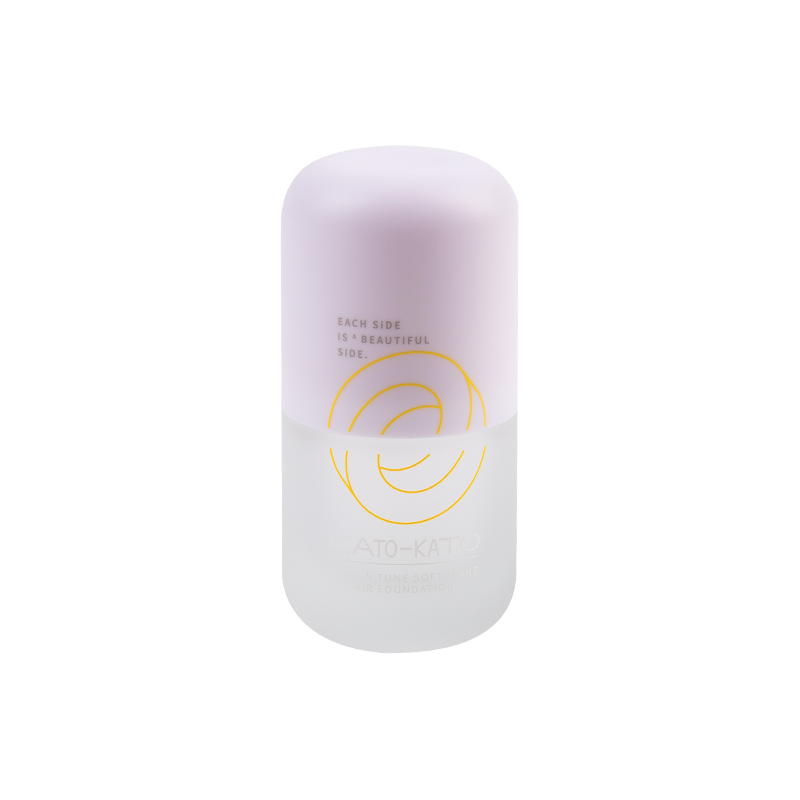
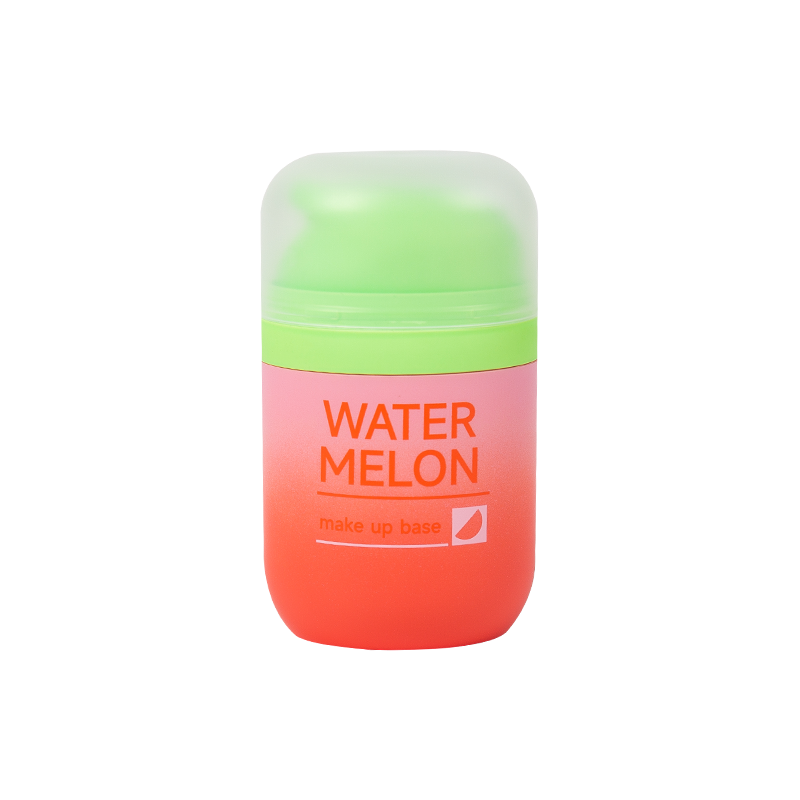
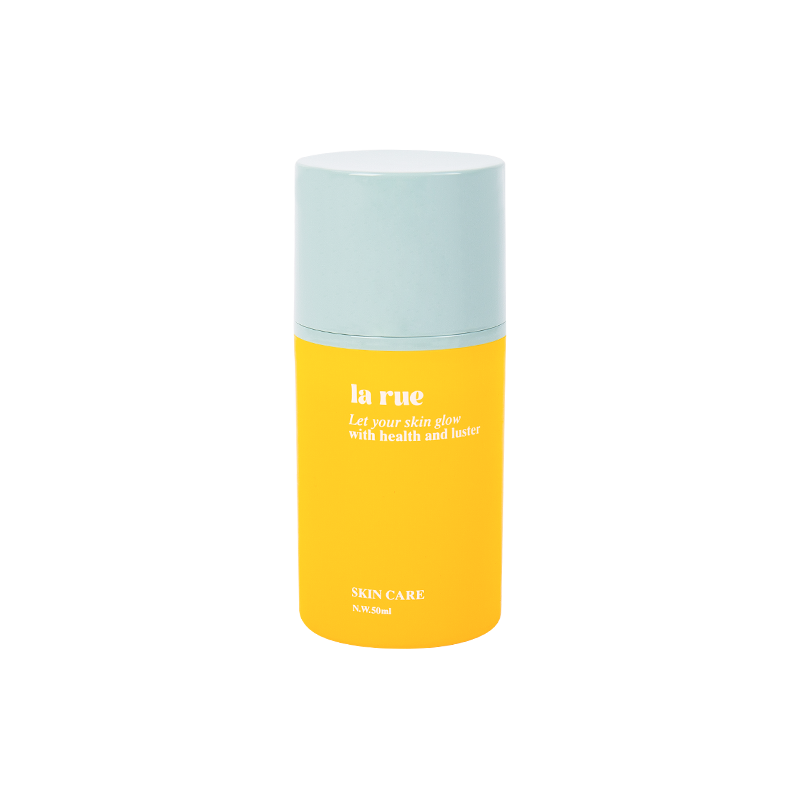
A foundation bottle is the container that holds liquid or cream foundation makeup. It's not just any bottle — it's designed to protect the formula from light, air, and bacteria while allowing you to dispense just the right amount. Foundation bottles come in glass, plastic, or even airless pump designs. The keyword "foundation bottle" covers everything from the classic screw-cap jar bottle to high-tech vacuum pumps. Whether you're a makeup artist or a daily user, knowing your foundation bottle types helps you get the most product out of your purchase and keeps your foundation fresher longer.
Main Types of Foundation Bottles You'll Encounter
Not all foundation bottles work the same way. The design affects how you apply, how long the product lasts, and even how much waste is left at the bottom. Below are the most common foundation bottle styles found on drugstore and luxury shelves today.
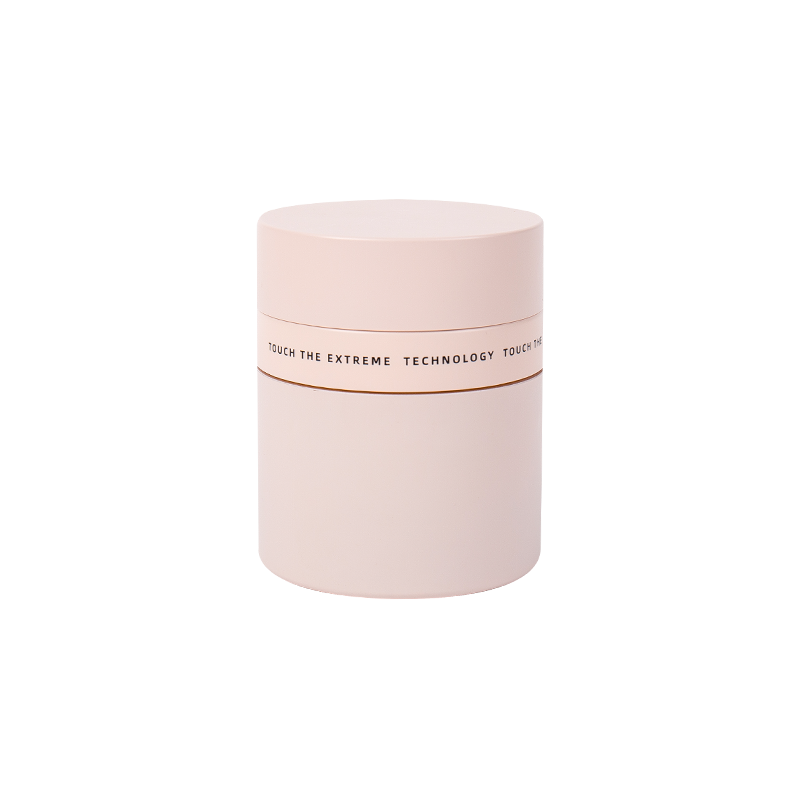
- Open-mouth jar bottle: Wide opening, usually with a screw cap. You dip fingers or a spatula in. Great for thick creams, but exposes formula to air and bacteria quickly.
- Dropper bottle (serum style): Glass bottle with a rubber bulb and glass pipette. Popular for thin, runny foundations. Offers precise drop-by-drop control but can be messy.
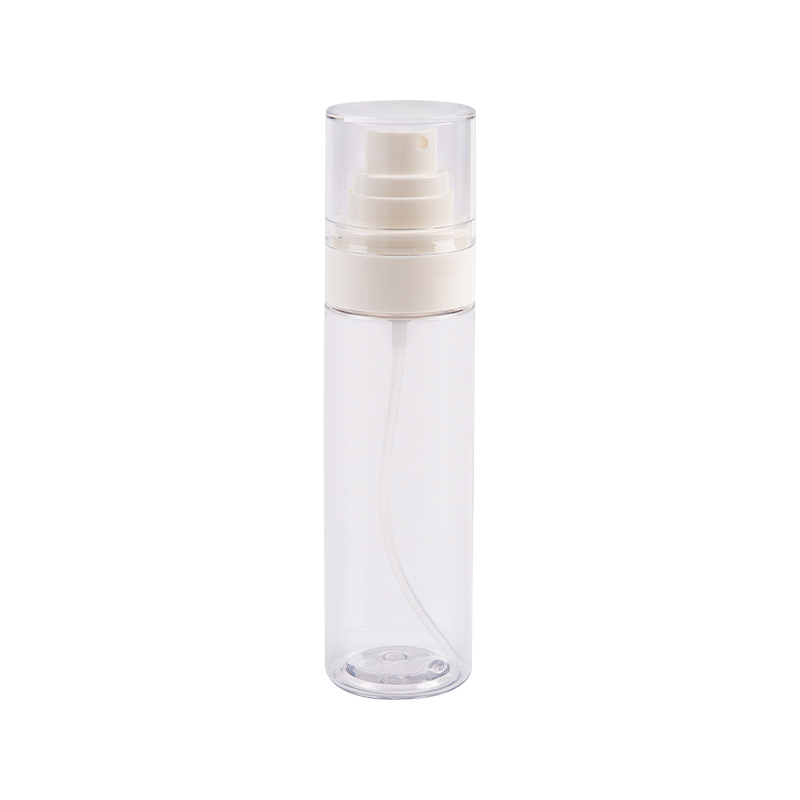
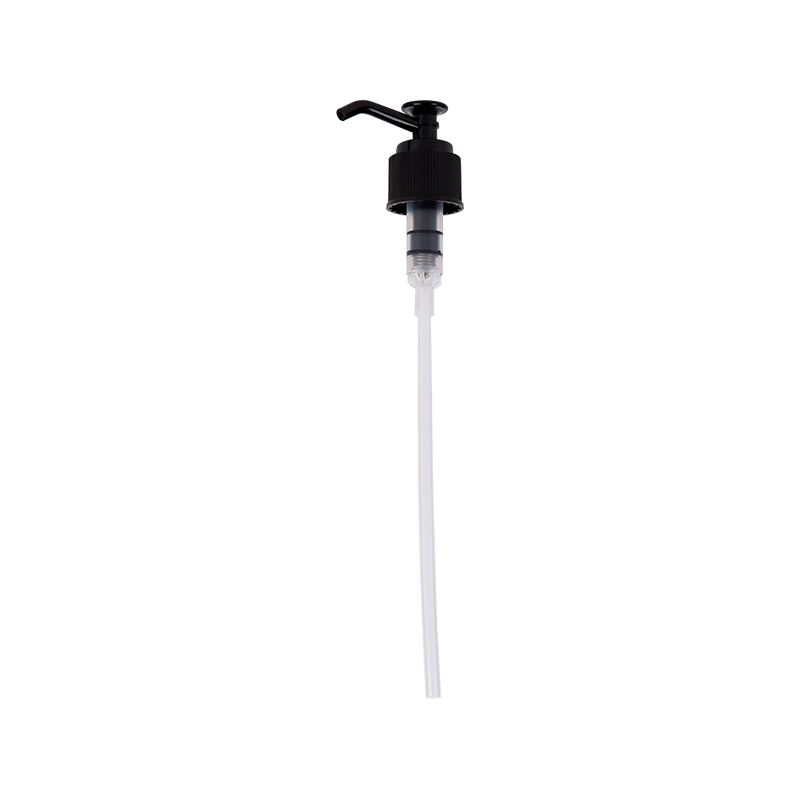
- Standard pump bottle: Plastic or glass bottle with a mechanical pump that dispenses one measured dose per press. Most common and user-friendly.
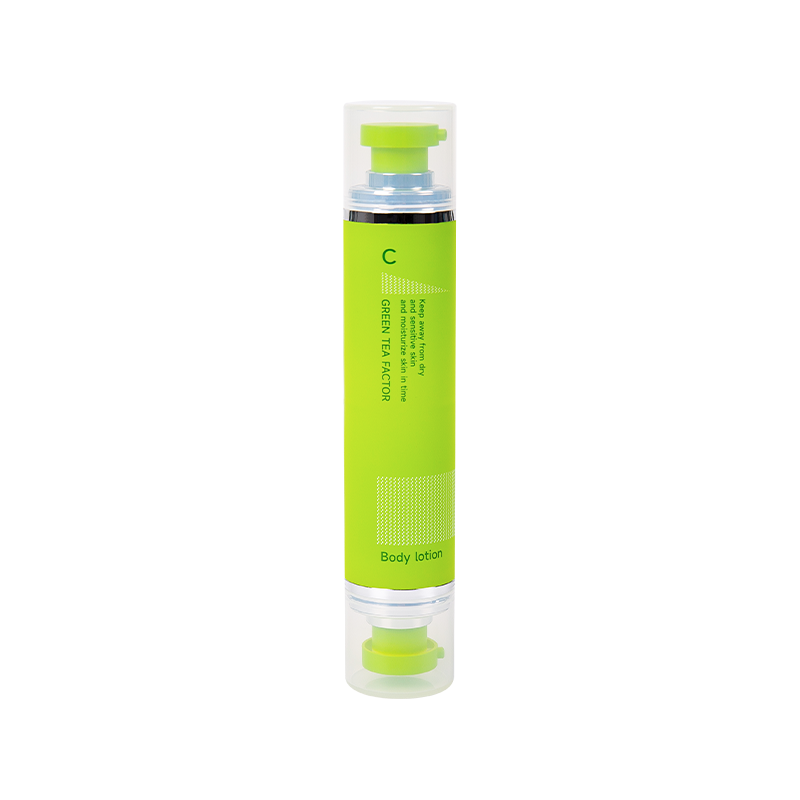
- Airless pump bottle: A sophisticated foundation bottle with a vacuum system. As you pump, a piston rises inside, pushing product up without letting air in. Best for preserving preservative-free or natural formulas.
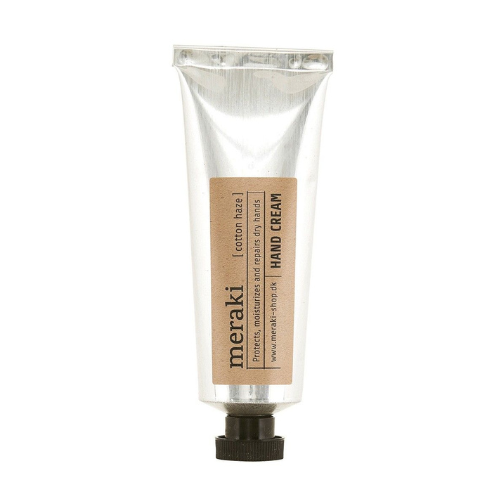
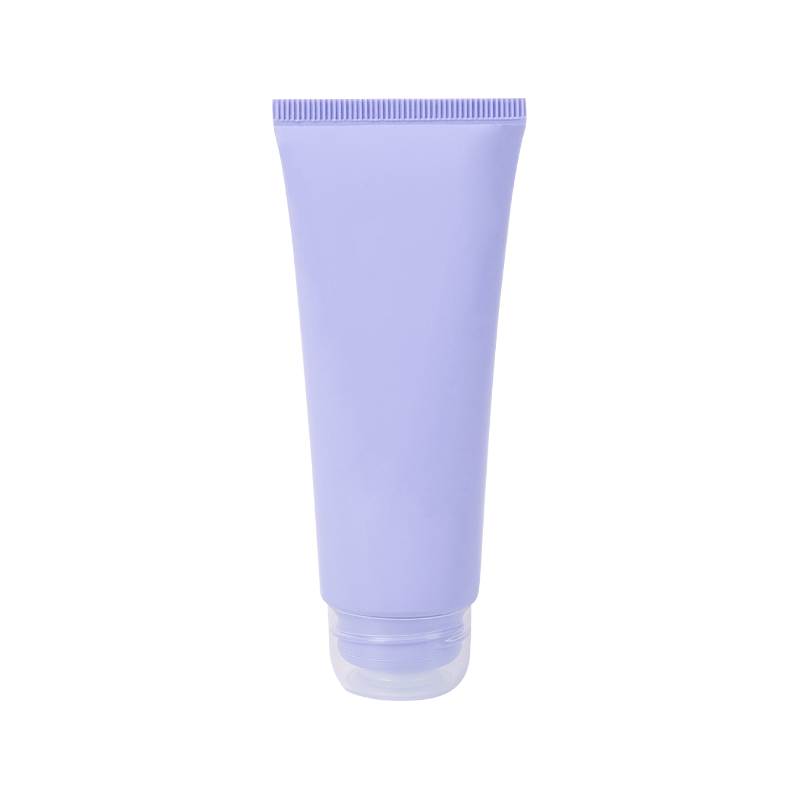
- Squeeze tube bottle: Soft plastic bottle that you squeeze to dispense. Lightweight and travel-friendly, but can be hard to control the amount.
Glass vs. Plastic: Which Foundation Bottle Is Better?
The material of your foundation bottle matters more than you think. Glass foundation bottles feel luxurious and are fully recyclable, but they're heavy and breakable. Plastic foundation bottles are lightweight and shatterproof, ideal for gym bags or travel. However, some plastics absorb fragrance components over time, and not all plastics are recyclable. The table below breaks down the key differences to help you decide.
| Feature |
Glass Foundation Bottle |
Plastic Foundation Bottle |
| Weight |
Heavy |
Lightweight |
| Breakage risk |
High (can shatter) |
Low (flexible) |
| Air/UV protection |
Excellent (especially amber glass) |
Moderate (depends on opacity) |
| Recyclability |
Highly recyclable (infinitely) |
Varies by resin type (PET, PP, etc.) |
| Cost to produce |
Higher |
Lower |
| Best for |
High-end foundation, water-based formulas |
Travel sizes, budget lines, silicone-based formulas |
Anatomy of a Foundation Bottle: Key Parts You Should Know
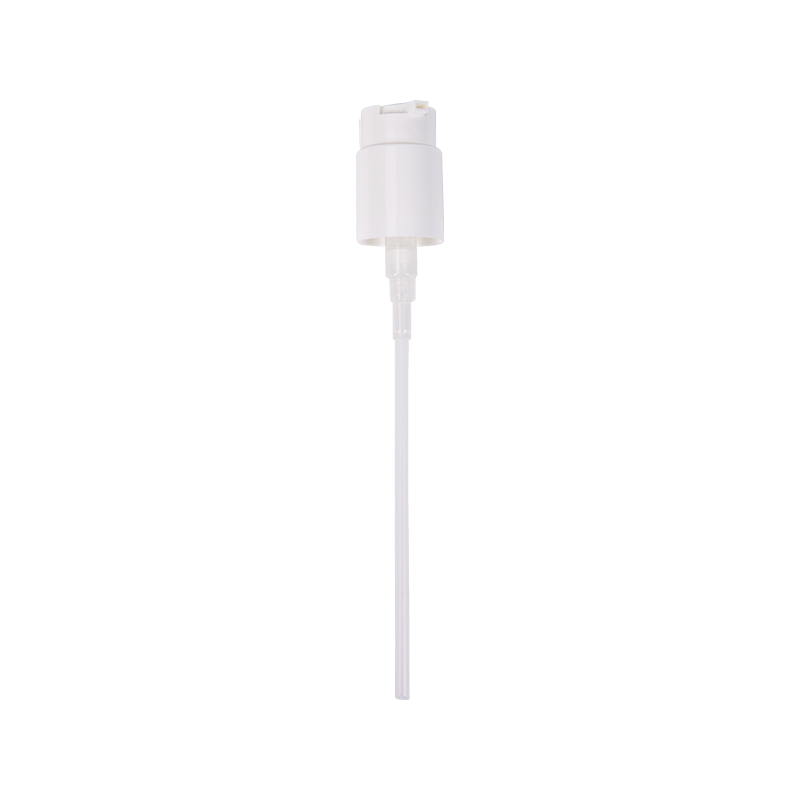
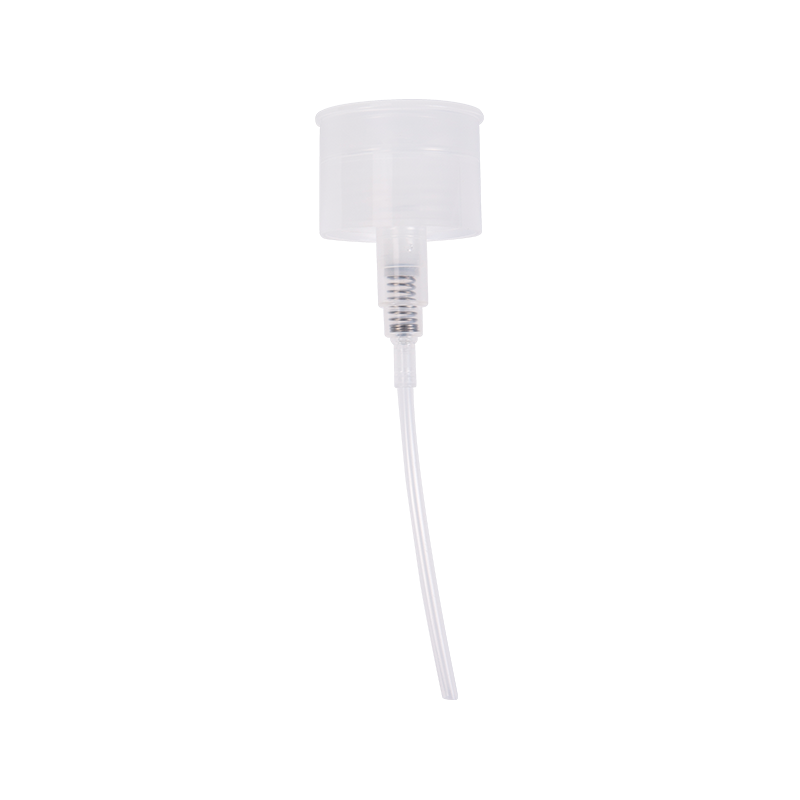
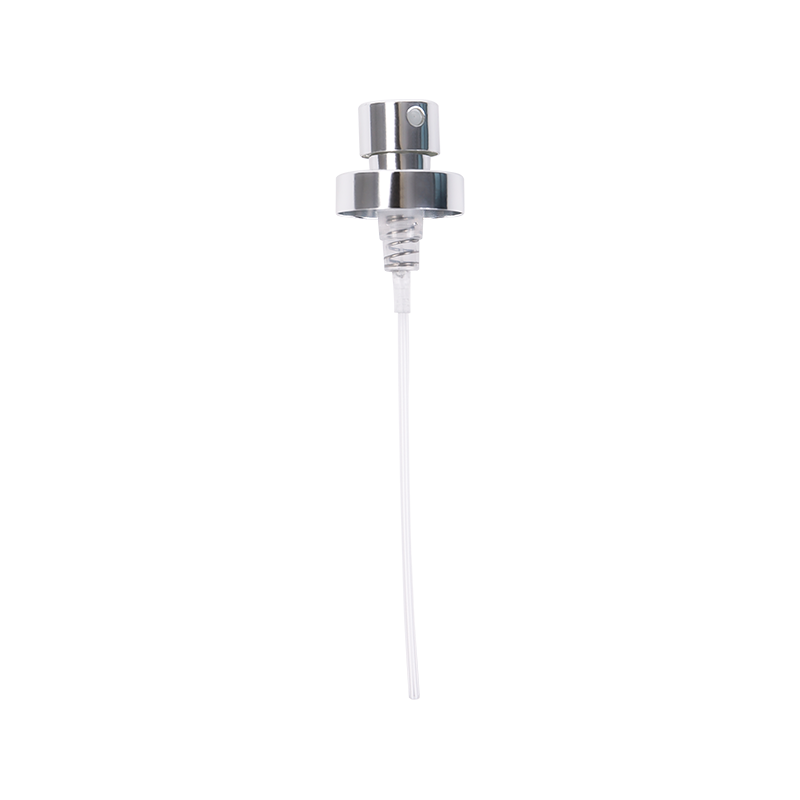
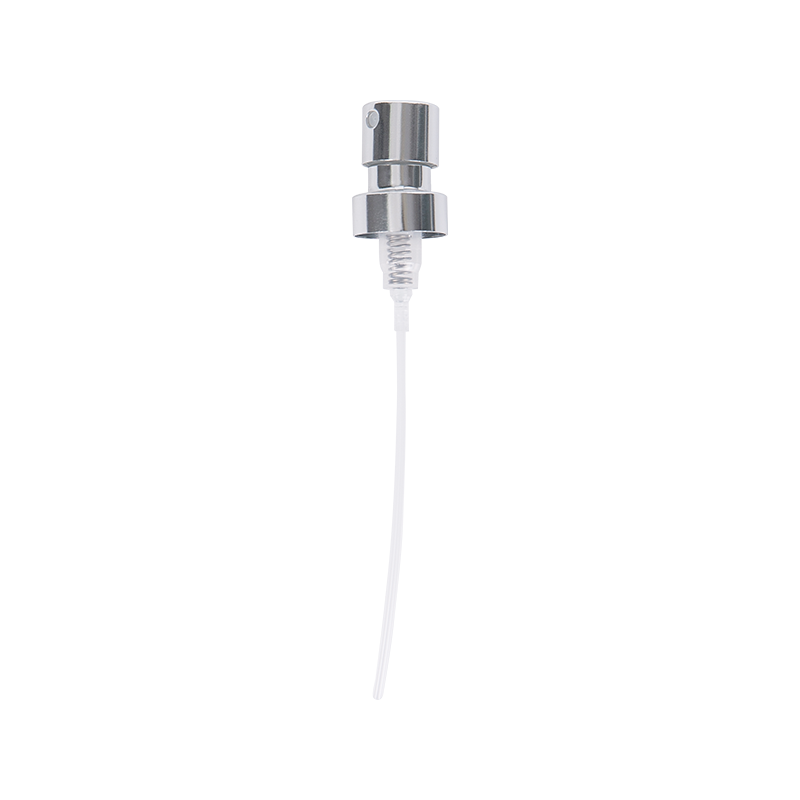
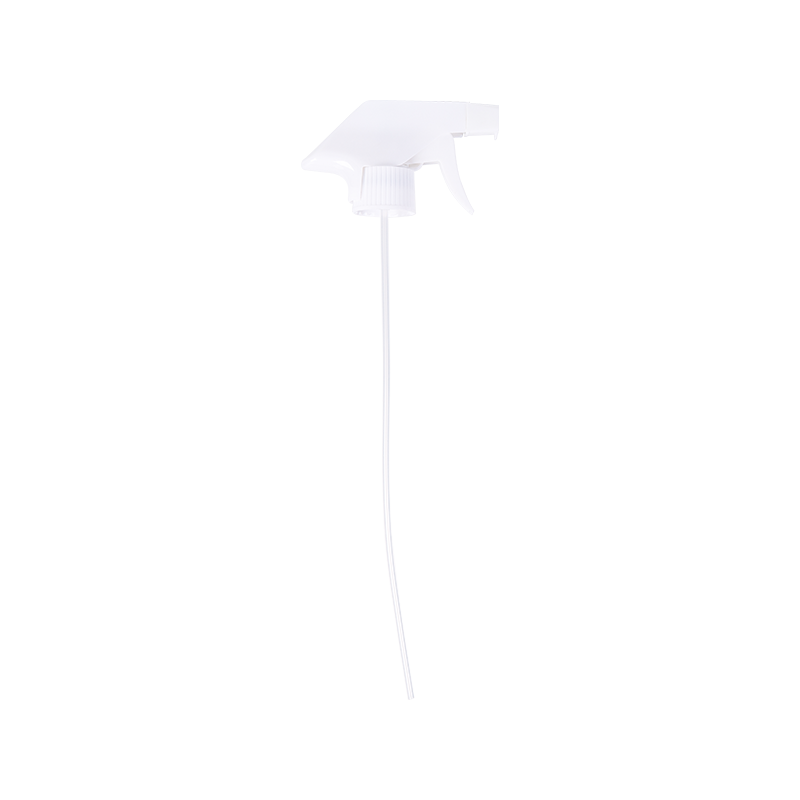
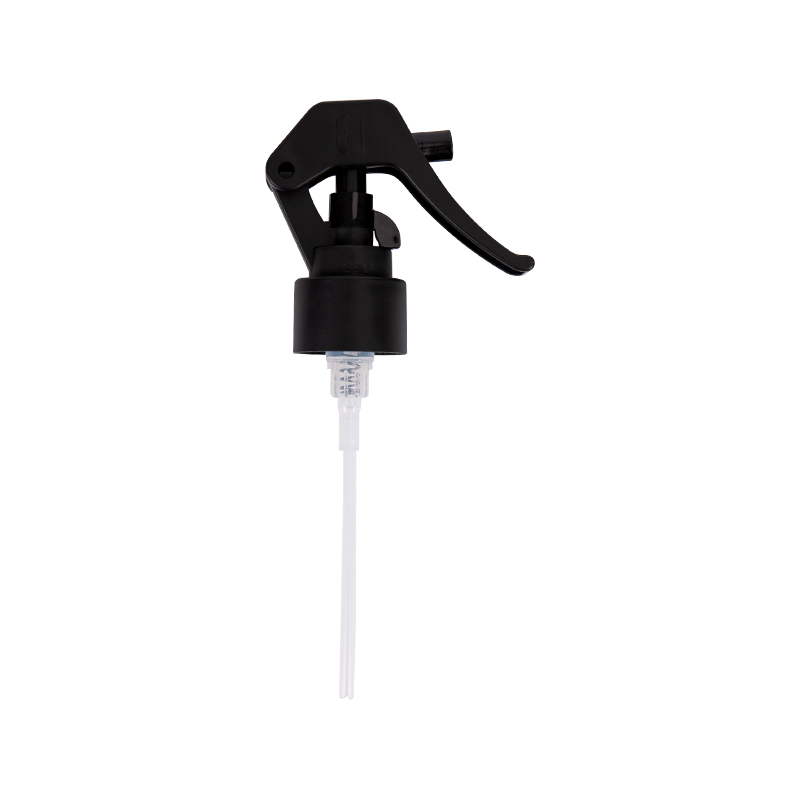
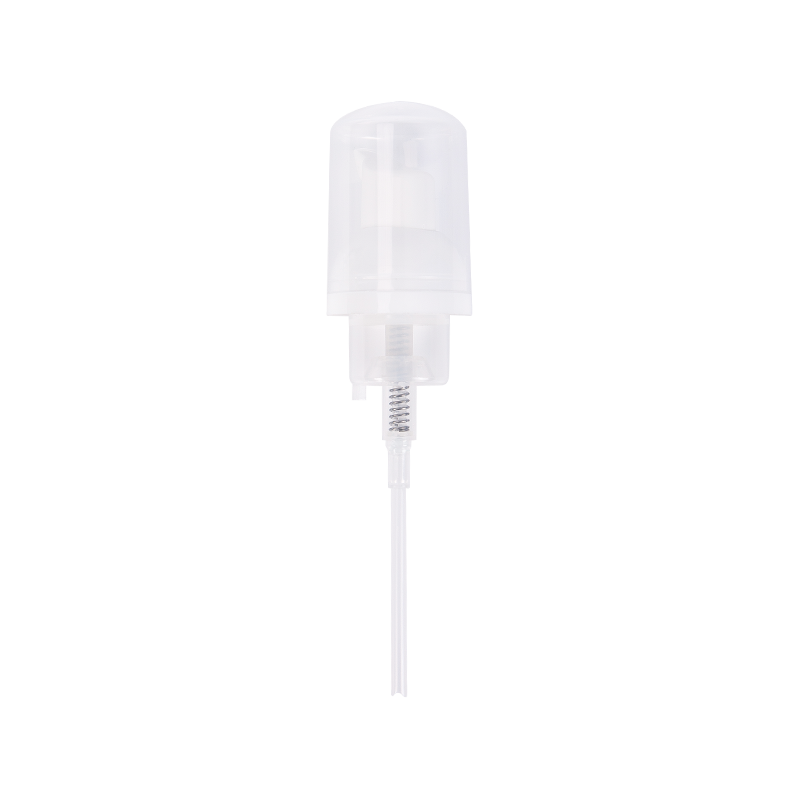
Understanding the parts of a foundation bottle helps you troubleshoot when the pump stops working or when you're trying to recycle it. A typical pump-action foundation bottle has five main components: the bottle body (glass or plastic), the dip tube (a thin plastic straw reaching the bottom), the pump mechanism (spring and ball valve inside the neck), the actuator (the button you press), and the outer cap. In an airless foundation bottle, there's no dip tube — instead, a moving piston plate pushes the foundation upward as you pump. This design reduces waste dramatically, leaving almost nothing behind.
- Dip tube length: If too short, you'll waste foundation at the bottom. A properly cut dip tube should just touch the floor of the foundation bottle.
- Gasket material: The rubber seal inside the pump. Low-quality gaskets can degrade over time, causing leaks or air bubbles.
- Neck finish: The threaded area where the cap screws on. Standard sizes are 18-400, 20-410, or 24-410 — this matters if you're looking for replacement pumps.
How to Choose the Right Foundation Bottle for Your Formula
If you're a beauty brand owner or a DIY foundation maker, selecting the right foundation bottle is critical. The viscosity (thickness) of your foundation determines which bottle works. Thin, watery foundations need a narrow dip tube and a fine-mist pump to avoid gushing out. Thick, creamy foundations require a wider nozzle and a short dip tube. Here are practical guidelines:
- For runny, serum-like foundation: Use a glass dropper bottle or a fine mist pump with a 0.3ml to 0.5ml dose. Avoid airless pumps — they struggle with very low viscosity and may leak.
- For medium-thickness liquid foundation: Standard screw-neck pump with 0.5ml to 1ml dose per pump. Plastic or glass both work well. Look for a locking cap to prevent accidental pressing in bags.
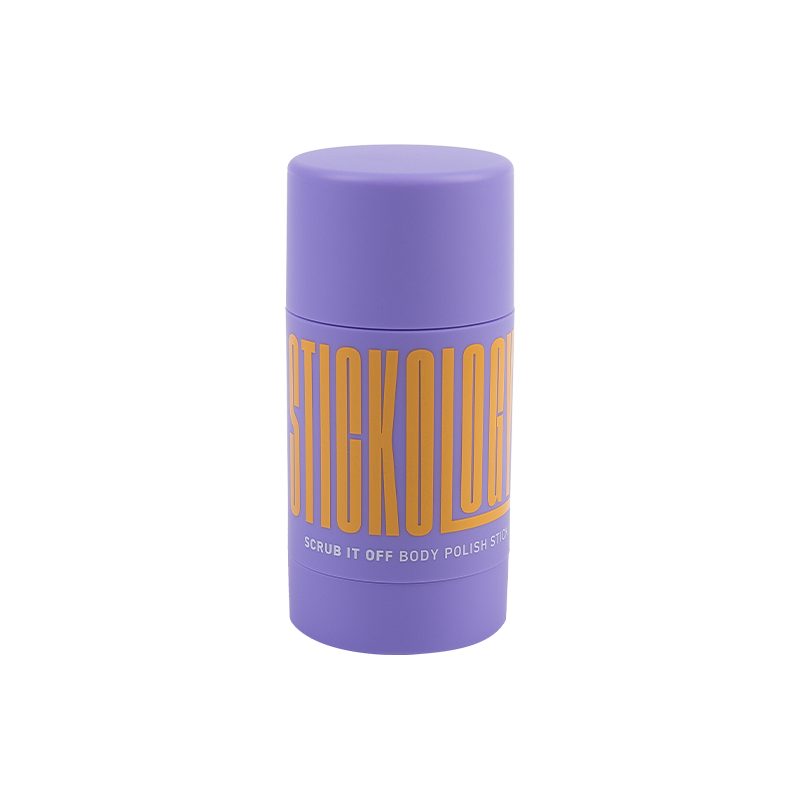
- For thick cream foundation or stick foundation: A wide-mouth jar bottle is actually easier. If you prefer a pump, choose an airless bottle with a large piston and a short, wide nozzle.
- For natural/organic formulas without preservatives: You must use an airless foundation bottle. The vacuum seal prevents oxygen from degrading oils and reduces microbial growth.
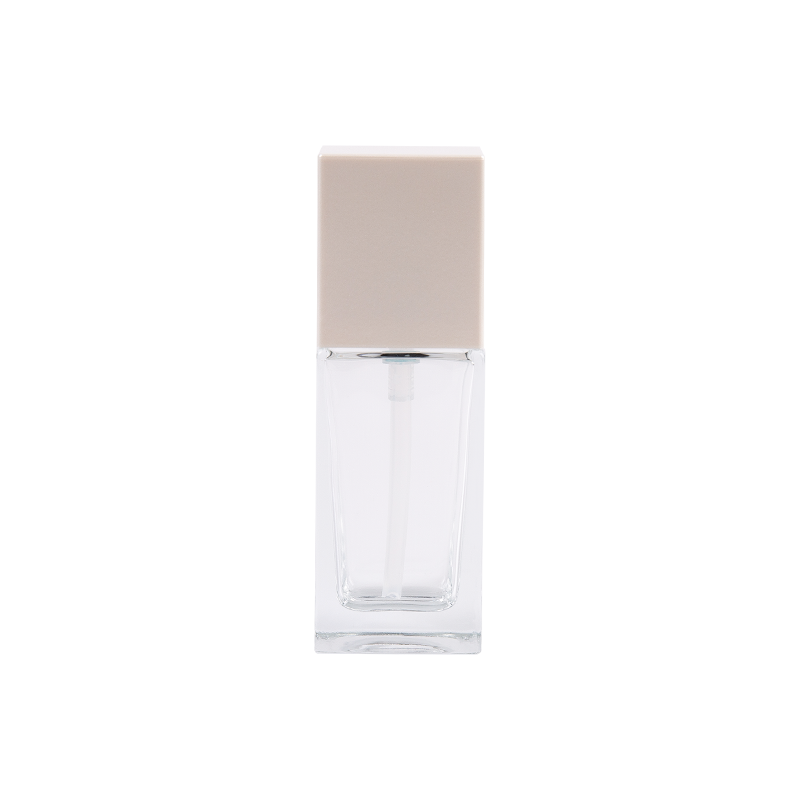
How to Get Every Last Drop Out of Your Foundation Bottle
Nobody likes wasting expensive foundation. The design of your foundation bottle determines how much product gets stuck. Standard pump bottles with a dip tube usually leave about 10-15% of the foundation unreachable. Here are practical tricks to recover that leftover product:
- Use a bottle spatula or long skinny tool: For wide-mouth jar bottles, a silicone spatula scrapes the sides clean. For pump bottles, remove the pump and use a coffee stirrer to scoop from the bottom.
- Add a mixing ball or diluent: Drop a small stainless steel ball into the foundation bottle and shake vigorously. The ball helps dislodge product stuck to the walls. Alternatively, add 2-3 drops of facial oil or silicone primer, shake, then pump again — the thinned product will flow up.
- Store the foundation bottle upside down: For standard pump bottles, remove the pump, clean the threads, then flip the bottle upside down on a small container. Gravity pulls the remaining foundation into the cap area. After a few hours, you can pour it out.
- Cut open plastic bottles: If the foundation bottle is soft plastic (like a squeeze tube), you can literally cut it open with scissors. Scrape out the leftover into a small travel pot. This yields almost 100% usage.
How to Recycle or Refill Your Foundation Bottle Sustainably
Empty foundation bottles are a major source of beauty waste. But with the right know-how, you can give your foundation bottle a second life. First, always check the recycling number on the bottom. PET (#1) and PP (#5) plastic foundation bottles are widely recyclable. However, small parts like the pump spring (often metal) and the gasket (rubber) must be separated. Here's a step-by-step to correctly recycle a foundation bottle:
- Step 1: Remove the outer cap and pump mechanism. Most pumps contain mixed materials and are rarely recyclable curbside — send them to specialty beauty recycling programs like Terracycle.
- Step 2: Rinse the glass or plastic bottle body thoroughly with warm water and soap. Remove all foundation residue.
- Step 3: If glass, remove any metal or plastic labels. Glass can go into standard glass recycling. If plastic, check your local rules — some require caps off, others on.
- For refilling: Many brands now offer refillable foundation bottles. These have a glass outer shell and a removable inner cartridge. You buy a refill pod, snap it in, and keep the original pump. This cuts plastic waste by 70%.
Signs That Your Foundation Bottle Is No Longer Safe to Use
Even the best foundation bottle can fail. Here are red flags that mean you should toss the bottle and the product inside, no matter how much is left:
- Change in smell: If the foundation develops a sour, crayon-like, or rancid odor, the preservatives have failed. The bottle may have let in too much air or moisture.
- Separation that won't re-mix: Oil and water layers that don't blend after shaking indicate the emulsion has broken — often from heat damage or an air leak in an airless foundation bottle.
- Mold or specks: Dark floating spots inside the foundation bottle are mold. This is dangerous near your eyes. Discard immediately.
- Pump sticks or sputters: If the foundation bottle's pump squirts unevenly or makes a clicking noise without dispensing, the internal spring may be corroded (especially in cheap metal springs).
Travel-Friendly Foundation Bottle Tips
Bringing your foundation bottle on a plane or road trip requires extra care. Air pressure changes cause standard pump bottles to leak. The best foundation bottle for travel is a small airless pump bottle (under 100ml for carry-on) because the vacuum seal prevents pressure from pushing product out. However, if you only have a standard foundation bottle, here are practical fixes:
- Remove the pump and place a piece of plastic wrap over the bottle neck, then screw the cap back on. This acts as a secondary seal.
- Store the foundation bottle in a zip-lock bag with a paper towel to absorb any leaks.
- For a DIY refill, buy empty 30ml airless foundation bottles online (usually $3-5 each) and transfer your favorite foundation. These small bottles also let you mix two shades for a perfect match.
- Avoid leaving foundation bottles in a hot car — heat expands the air inside, forcing product up through the pump nozzle and creating a mess.



 中文简体
中文简体