Why Choosing the Right Cosmetic Plastic Bottles Matters More Than You Think
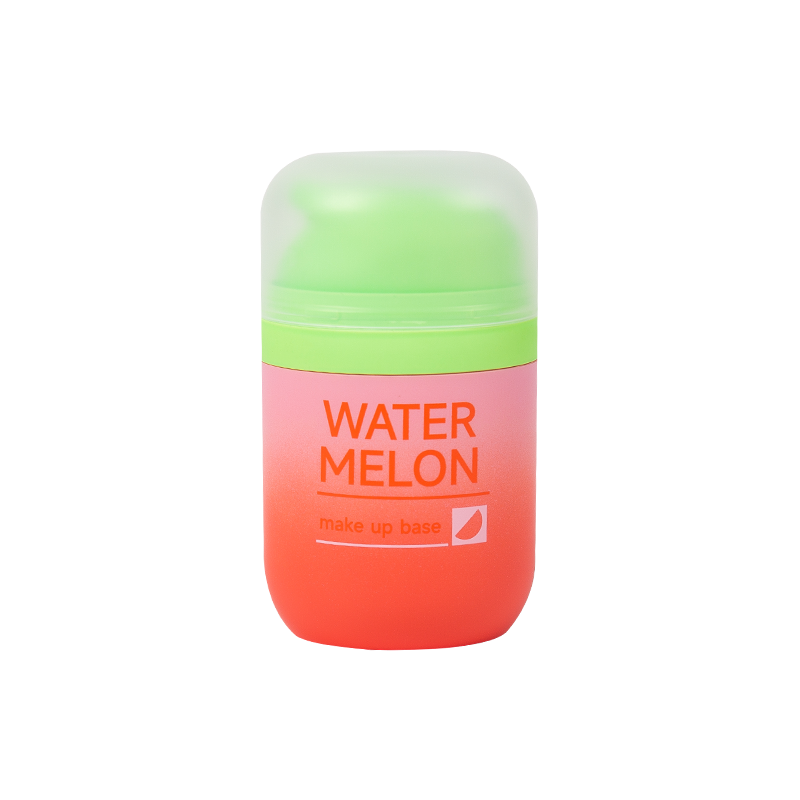
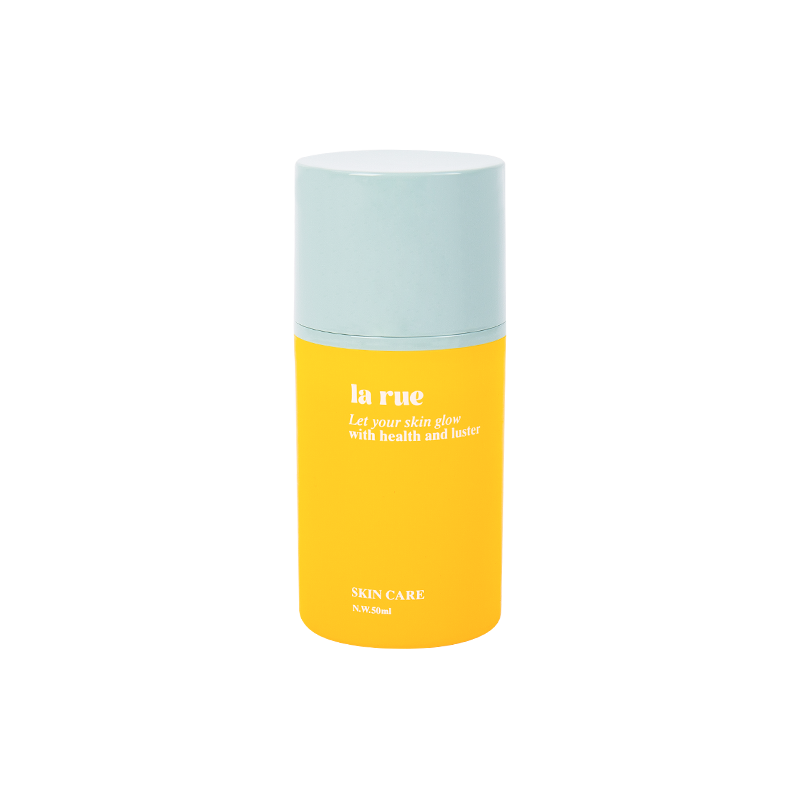
Cosmetic plastic bottles are one of the most important packaging decisions a beauty brand will make, since they directly affect product protection, shelf appeal, and how customers experience the product day to day. A poorly chosen bottle can lead to leaking pumps, degraded formulas from UV exposure, or packaging that simply doesn't hold up during shipping. On the other hand, the right cosmetic plastic bottle enhances the perceived value of a product, protects sensitive ingredients like active skincare compounds, and creates a smooth, satisfying user experience every time a customer reaches for it. With so many plastic types, dispensing mechanisms, and finishes available, understanding the practical differences between options is essential before committing to a packaging supplier.
This guide walks through the key material types, dispensing choices, and sourcing considerations that matter most when selecting cosmetic plastic bottles for skincare, haircare, or personal care product lines.
Common Plastic Materials Used in Cosmetic Bottles
Not all plastics behave the same way when it comes to protecting formulas and holding up over time. Each material offers a different balance of clarity, durability, and chemical resistance.
PET (Polyethylene Terephthalate)
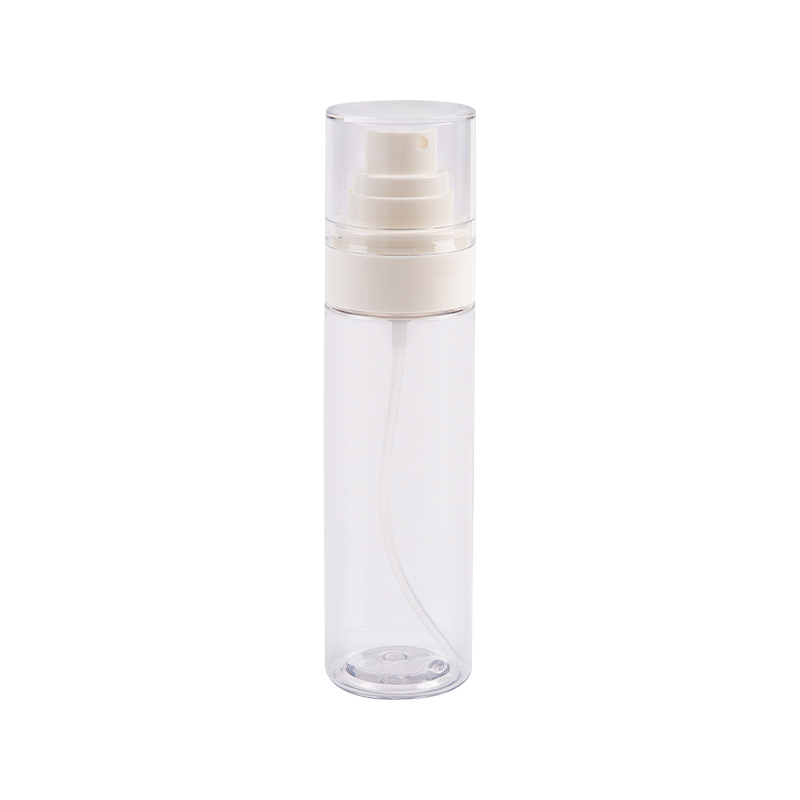
PET is one of the most widely used plastics for cosmetic bottles due to its clarity, lightweight nature, and good resistance to impact. It's commonly used for toners, micellar water, and other water-based formulas where a clear bottle helps showcase the product.
HDPE (High-Density Polyethylene)
HDPE bottles are more opaque but offer excellent chemical resistance, making them a popular choice for shampoos, lotions, and cleansers that may contain oils or active ingredients sensitive to light exposure.
PP (Polypropylene)
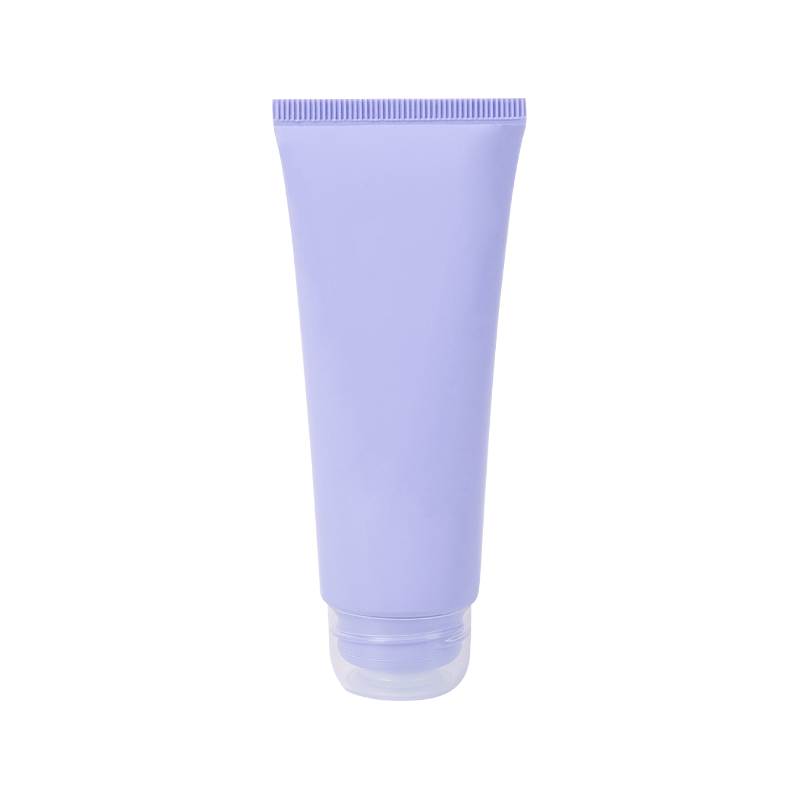
Polypropylene is valued for its flexibility and resistance to cracking, and it's frequently used for squeeze bottles and closures that need to withstand repeated bending without breaking.
Acrylic and Multi-Layer Plastics
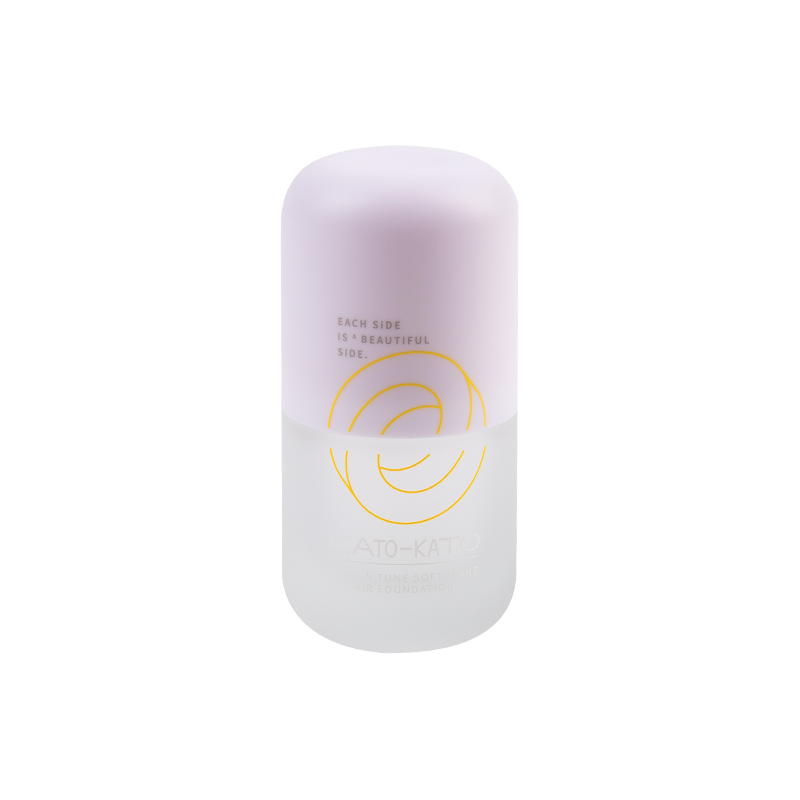
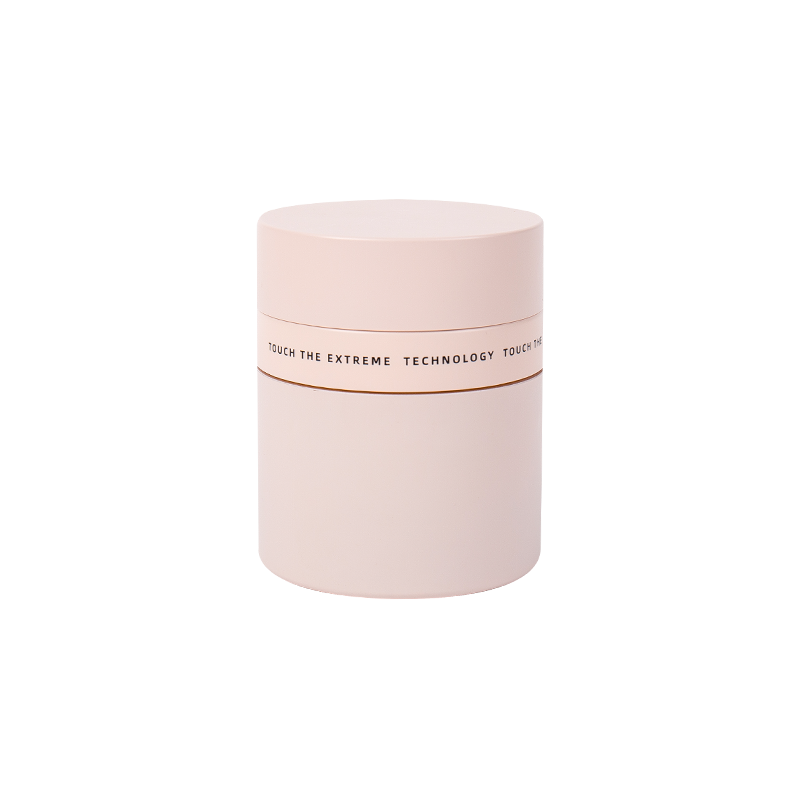
For premium cosmetic lines, acrylic or multi-layer plastic bottles are often used to create a glass-like appearance while remaining lightweight and shatterproof, giving brands a higher-end look without the fragility of actual glass.
Choosing the Right Dispensing Mechanism
The dispensing system on a cosmetic plastic bottle plays a major role in both product protection and user convenience, and different formulas call for different mechanisms.
- Flip-top caps: Ideal for thicker lotions and gels that need a wide opening for easy dispensing.
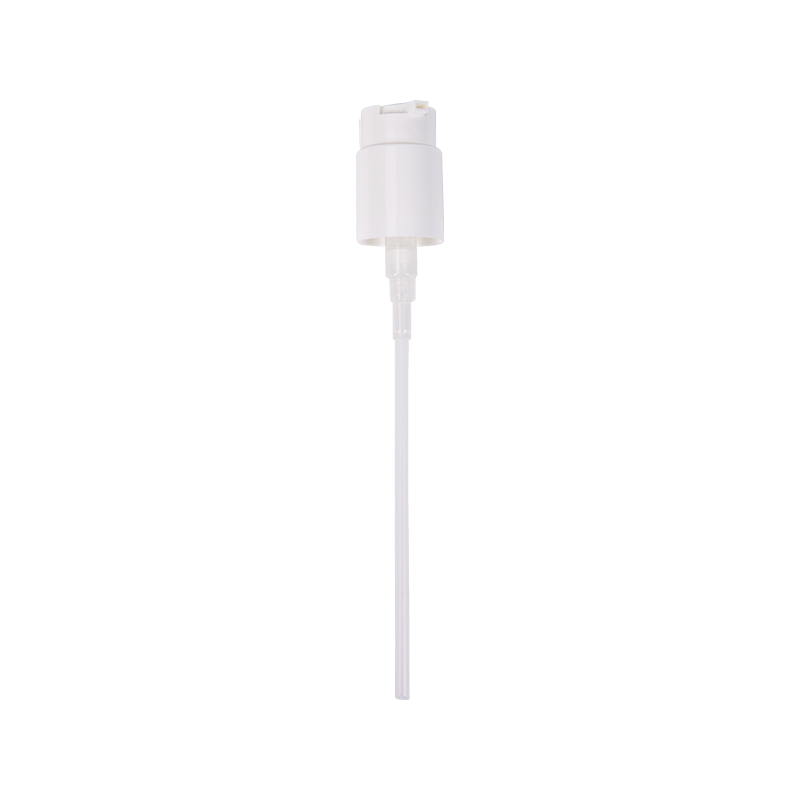
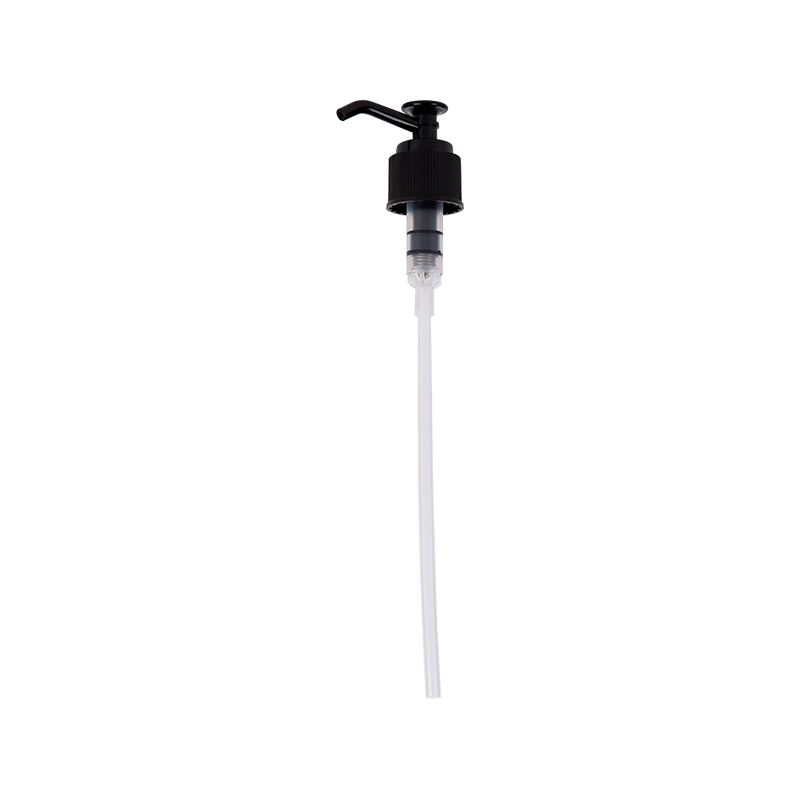
- Lotion pumps: Best suited for liquid to medium-viscosity formulas like body lotions and facial serums.
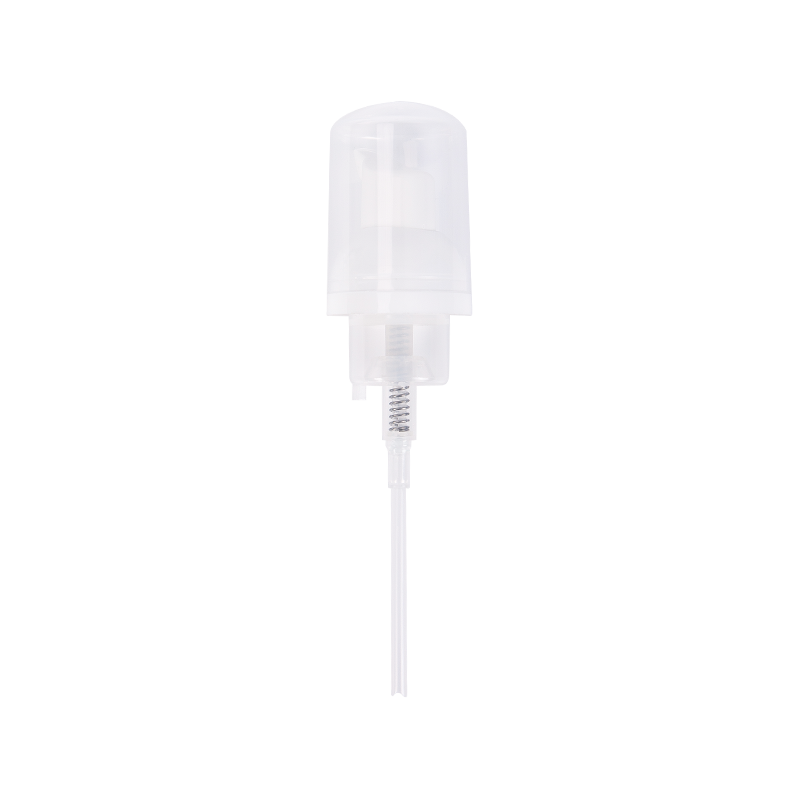
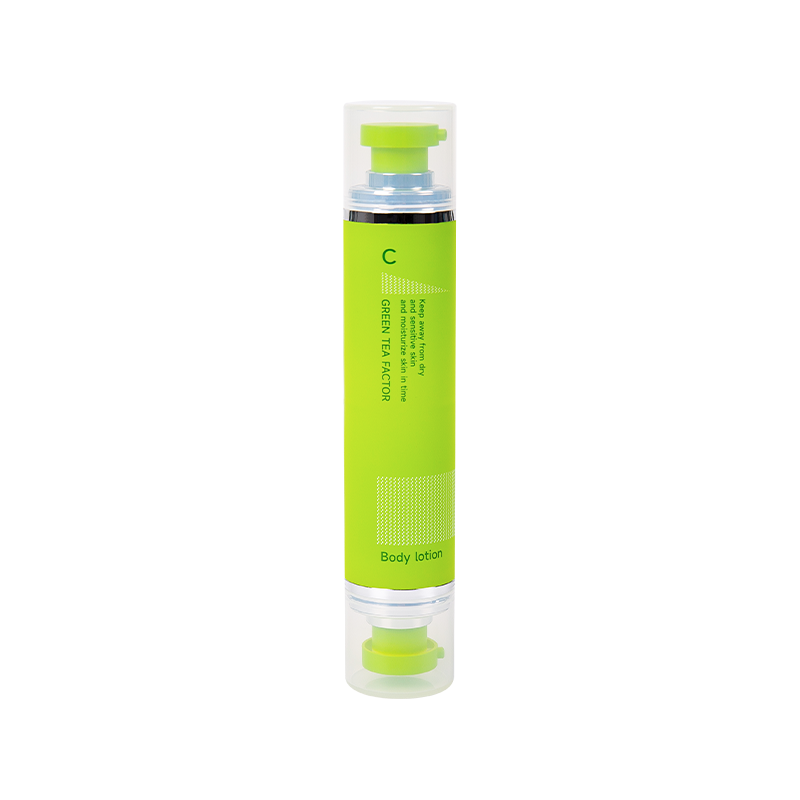
- Airless pump bottles: Provide superior protection against air exposure and contamination, making them ideal for active ingredients like vitamin C or retinol that degrade quickly when exposed to oxygen.
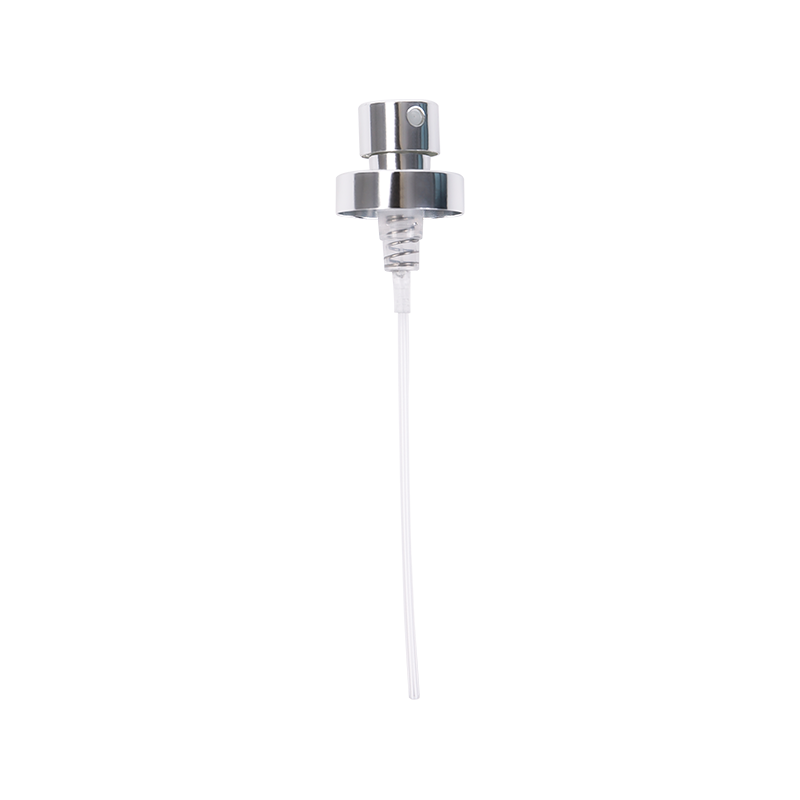
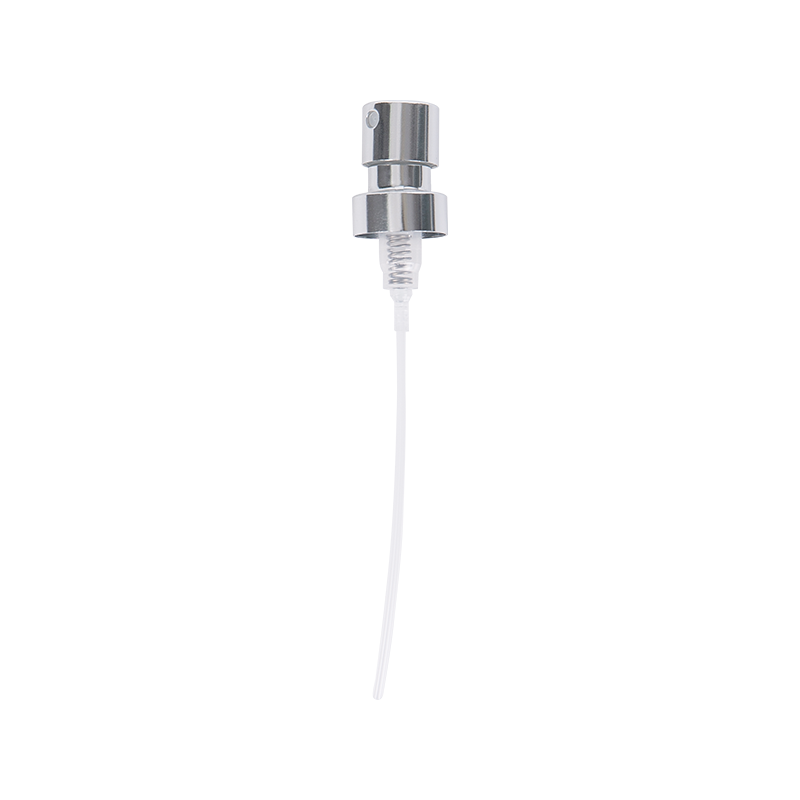
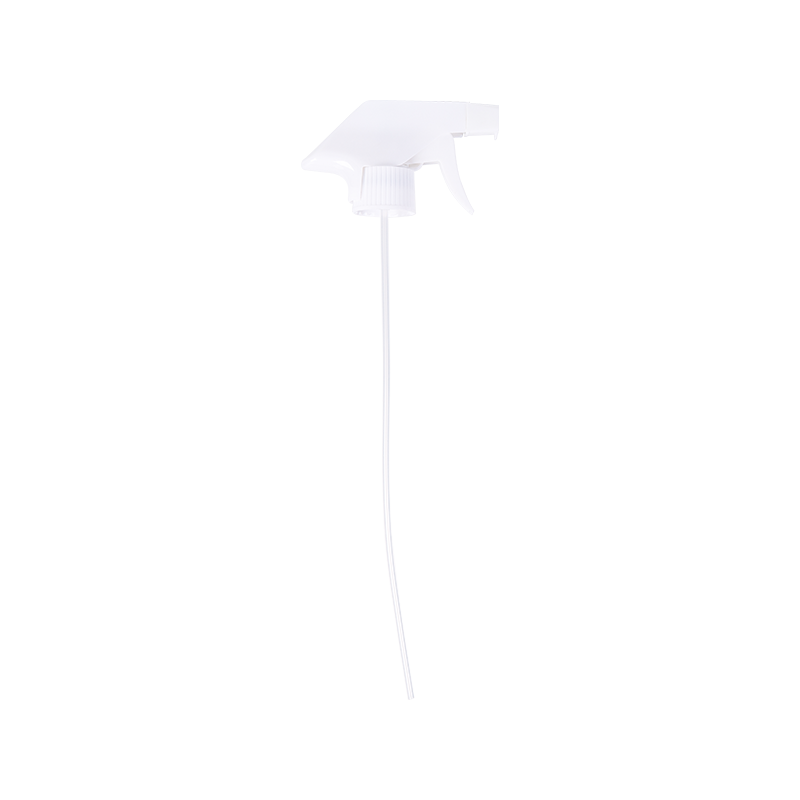
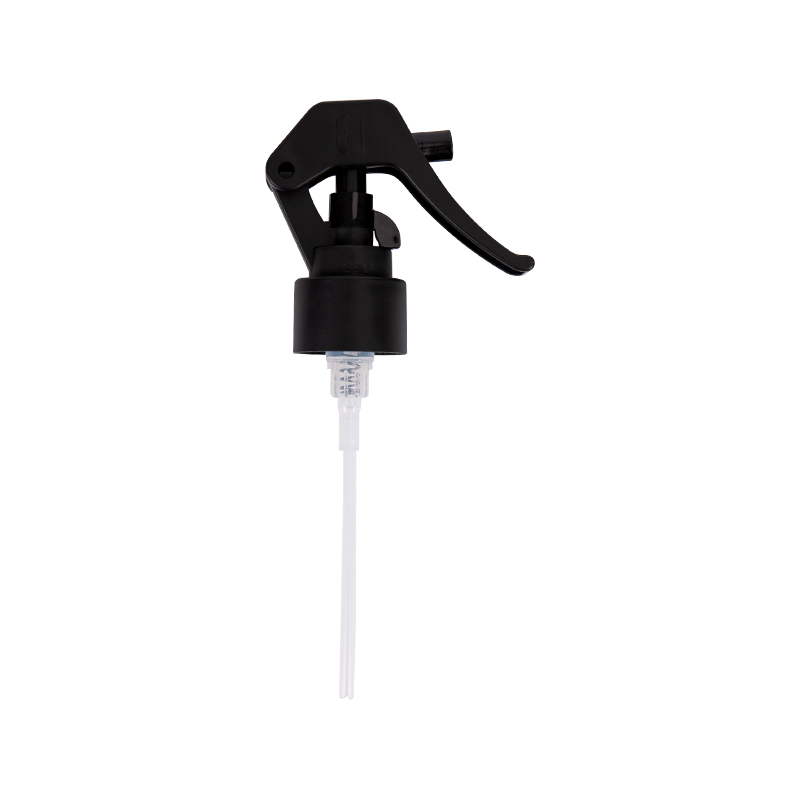
- Spray bottles: Commonly used for setting sprays, toners, and haircare products that benefit from a fine, even mist.
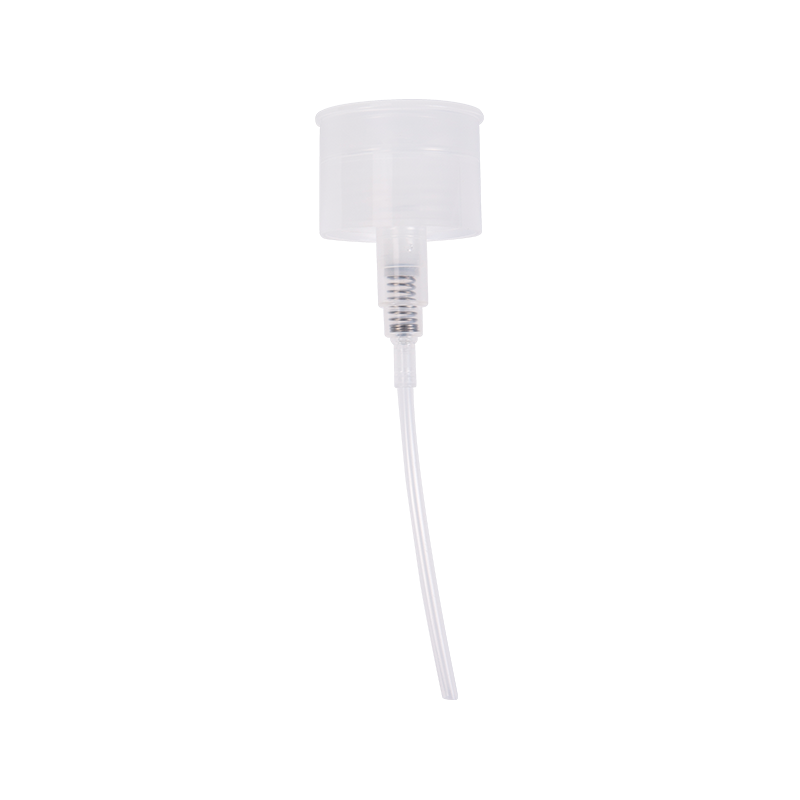
- Disc-top caps: A cost-effective option for shampoos and body washes that need controlled, no-mess dispensing.
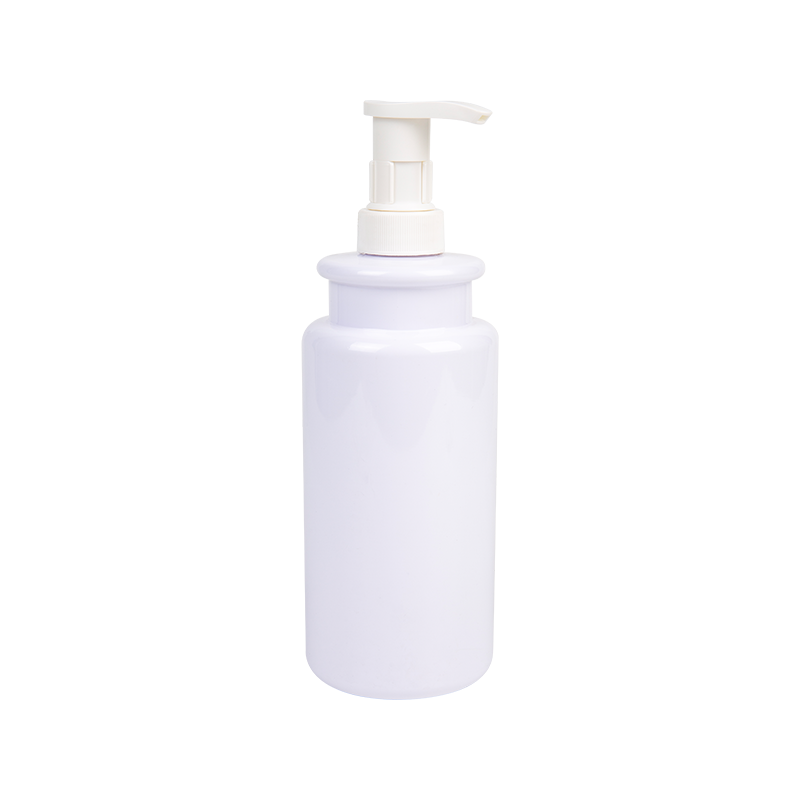
Comparing Plastic Bottle Types by Application
The table below offers a quick reference for matching common cosmetic plastic bottle types to their most suitable product applications.
| Plastic Type |
Clarity |
Best For |
| PET |
High |
Toners, micellar water, light serums |
| HDPE |
Low to opaque |
Shampoos, lotions, cleansers |
| PP |
Low to medium |
Squeeze tubes, flexible bottles |
| Acrylic/Multi-layer |
Very high |
Premium serums, luxury skincare lines |
Sustainability Considerations for Cosmetic Plastic Bottles
As consumers become more environmentally conscious, brands are increasingly expected to consider the recyclability and overall environmental footprint of their cosmetic plastic bottles. Many suppliers now offer post-consumer recycled (PCR) plastic options, which use reclaimed material to reduce reliance on virgin plastic without compromising bottle strength or clarity. Refillable bottle systems have also gained popularity, allowing customers to purchase a durable outer bottle once and refill it with product pouches or concentrate, significantly reducing overall plastic waste. Brands should also consider working with suppliers who clearly label recyclability information and use mono-material designs where possible, since bottles made from a single plastic type are easier to recycle than those combining multiple materials or metal components.
What to Check Before Placing a Bulk Order
Ordering cosmetic plastic bottles in bulk requires careful vetting to avoid costly packaging issues after production has already started.
- Request physical samples to test compatibility with your specific formula, especially for products with oils, alcohol, or active ingredients.
- Confirm minimum order quantities (MOQs) and lead times, particularly for custom shapes or colors.
- Verify that the bottle and pump or cap are sourced as a matched, tested set to avoid fitting or sealing issues.
- Ask about UV and heat resistance testing if the product will be exposed to sunlight during shipping or retail display.
- Check for compliance with relevant cosmetic packaging regulations in your target markets.
Final Thoughts on Selecting Cosmetic Plastic Bottles
Choosing the right cosmetic plastic bottles involves far more than picking an attractive shape off a supplier's catalog. From selecting the appropriate plastic material and dispensing mechanism to considering sustainability and running proper compatibility tests, every decision impacts how well your product performs and how customers perceive your brand. Taking the time to evaluate these factors carefully before a bulk order can help beauty brands avoid costly packaging mistakes while delivering a product experience that keeps customers coming back.



 中文简体
中文简体