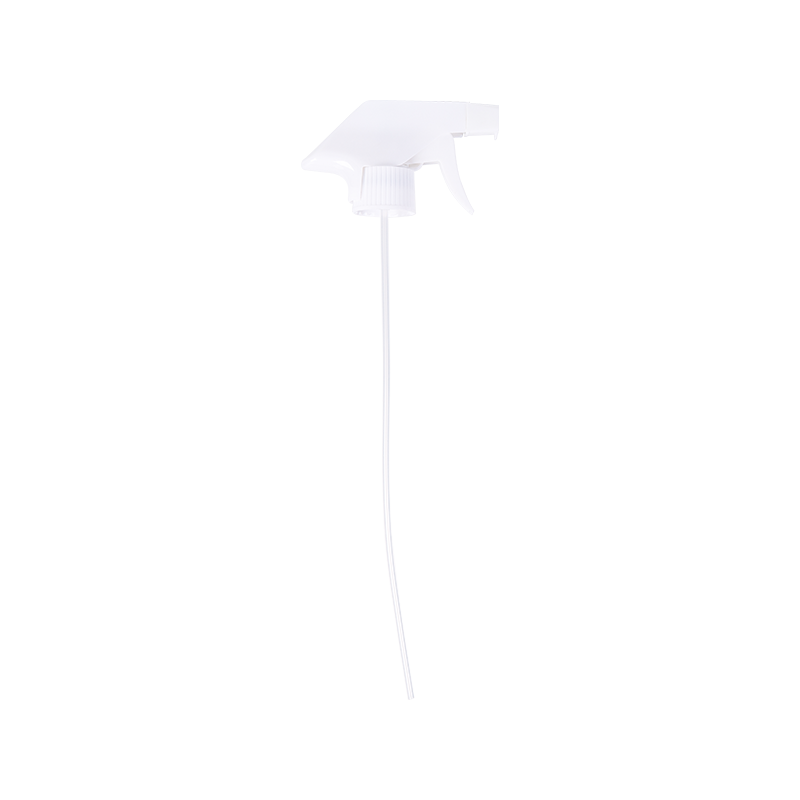
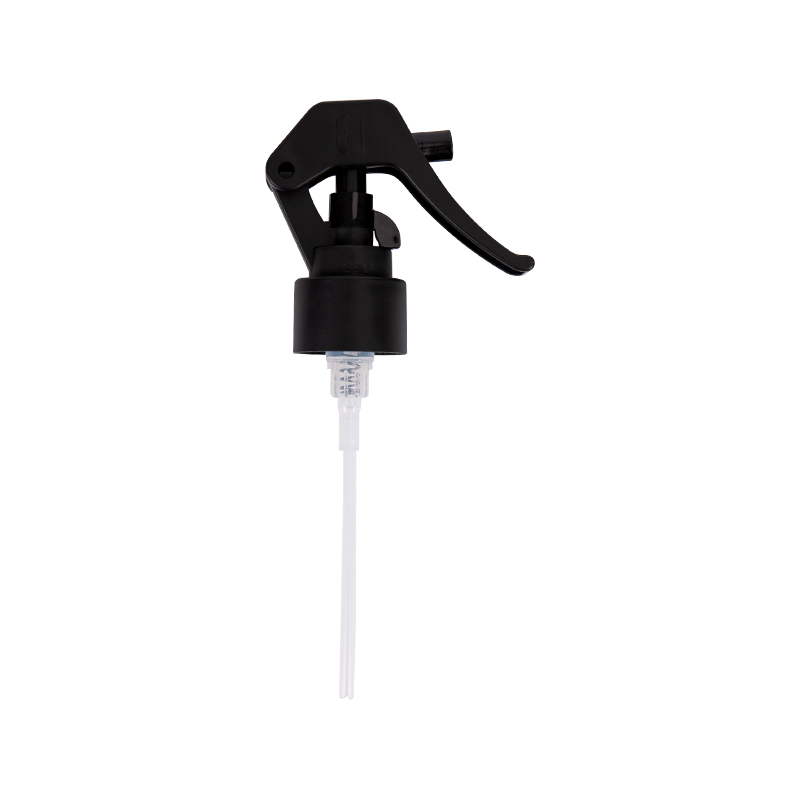
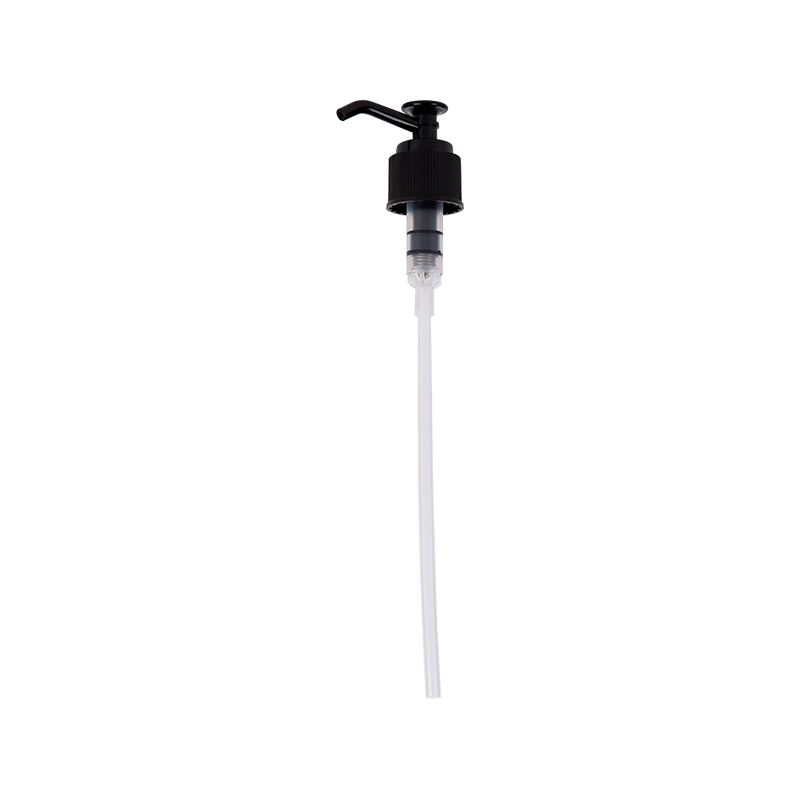
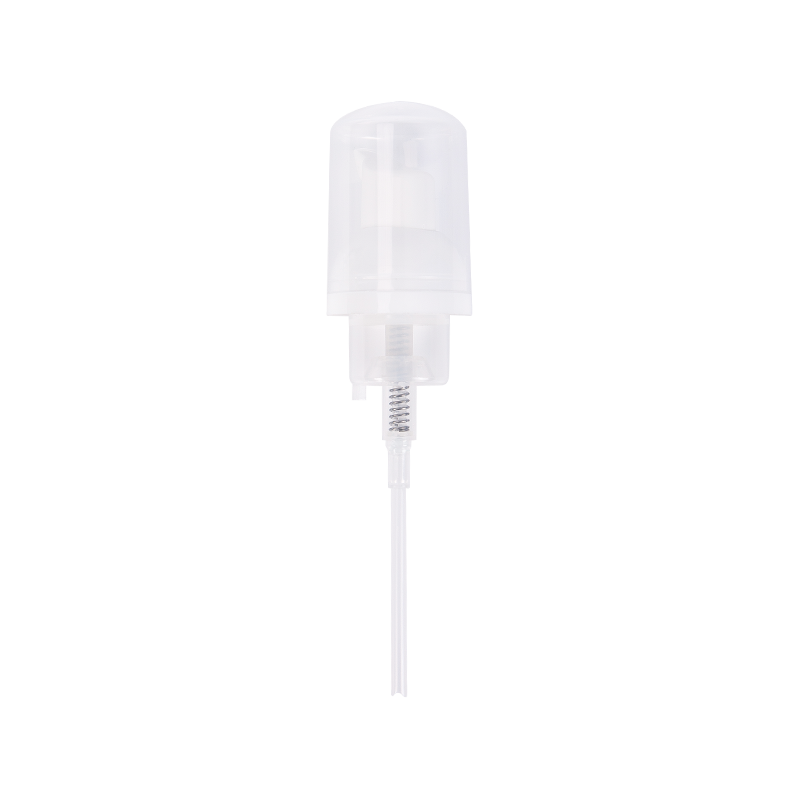
What Is a Cosmetic Well Pump and Why It's Essential for Skincare Packaging
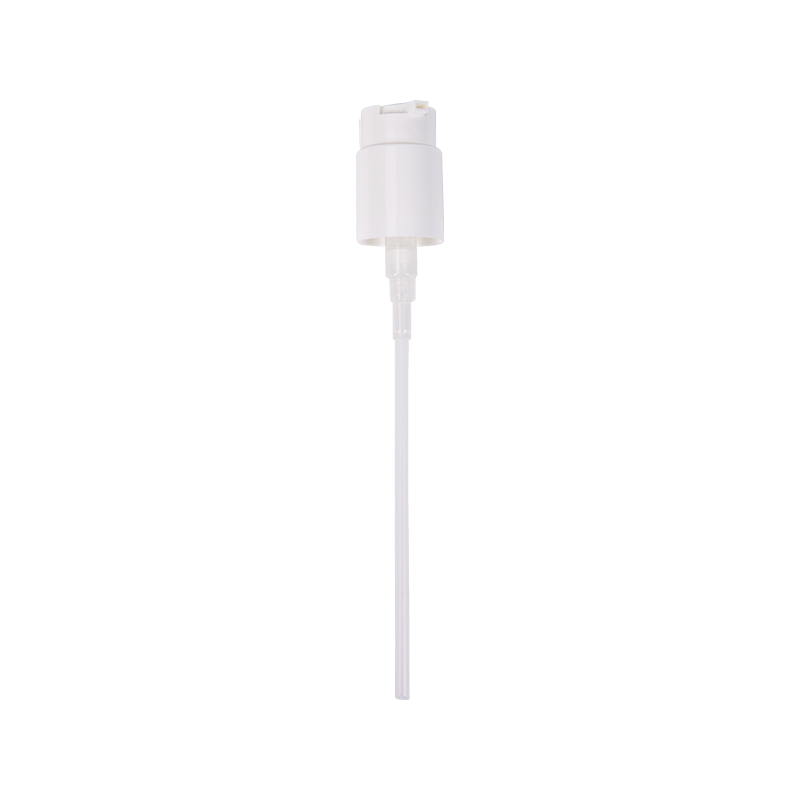
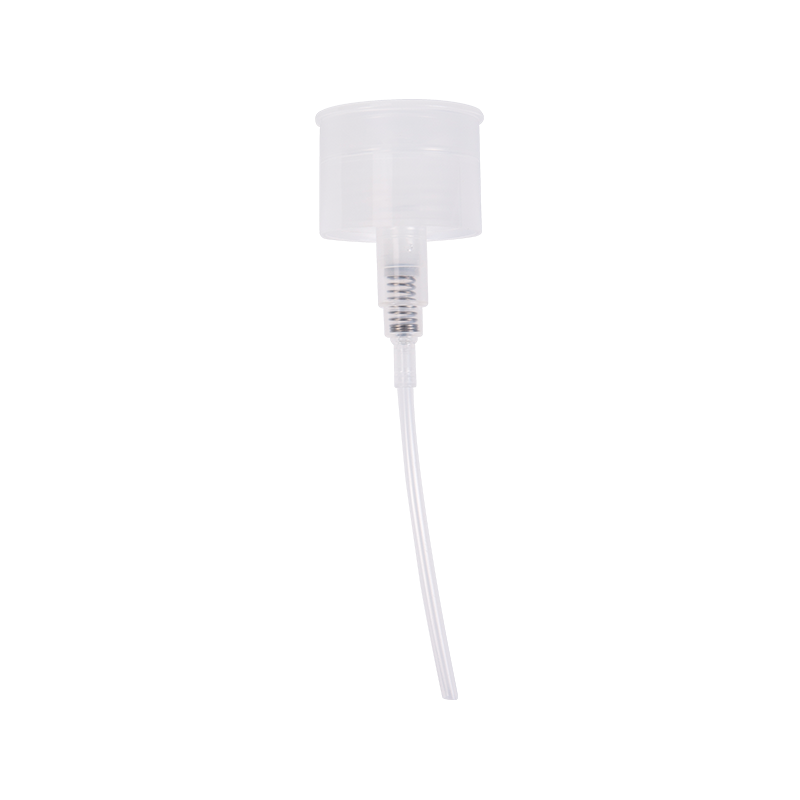
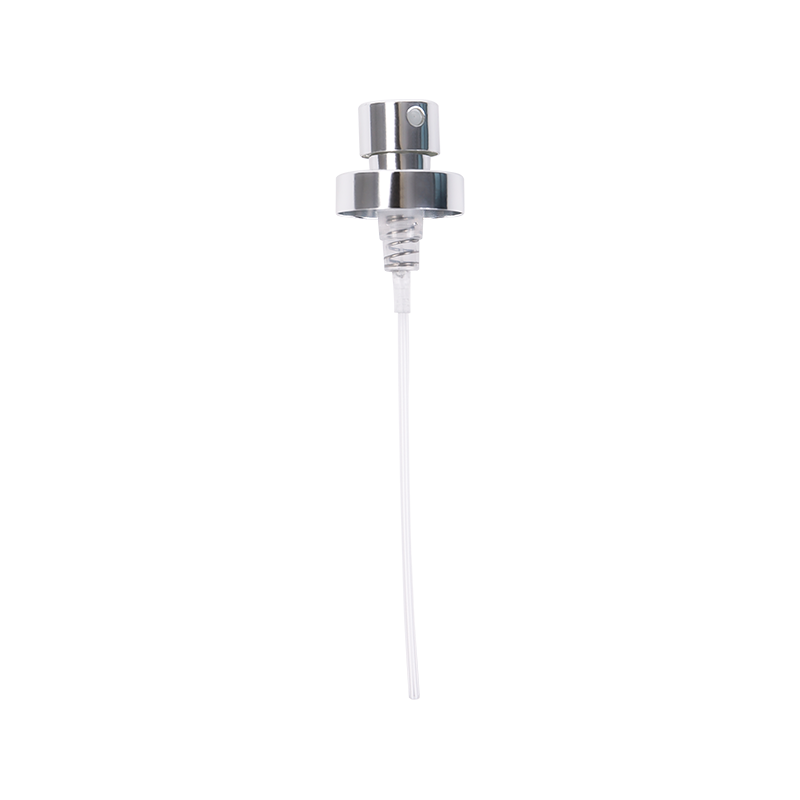
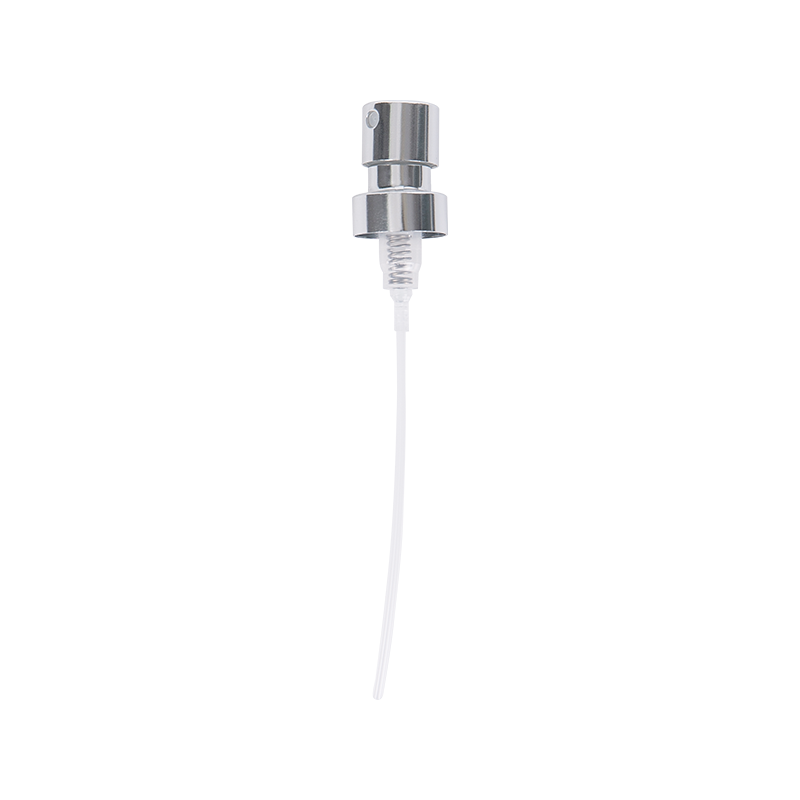
A cosmetic well pump is a dispensing mechanism designed to sit directly inside a jar or wide-mouth container, drawing product up from a small reservoir, or "well," and delivering it through a pump head with a single press. Unlike traditional pumps that require a long dip tube reaching to the bottom of a bottle, a well pump only needs to access the shallow well beneath it, making it ideal for thicker cosmetic formulations like creams, serums, and gels that don't flow easily through narrow tubing. This design allows brands to offer the convenience and hygiene benefits of pump dispensing even in jar-style packaging that was traditionally limited to scoop or finger application.
For skincare and beauty brands, switching to a cosmetic well pump can significantly improve the customer experience while also protecting product integrity. Since the pump limits direct finger contact with the product, it helps reduce contamination risk and extends the usable shelf life of sensitive formulations, an increasingly important consideration as more consumers pay attention to product hygiene and ingredient stability.
How a Cosmetic Well Pump Works
Understanding the mechanics behind a well pump helps explain why it's so well suited to viscous cosmetic products. The pump assembly typically includes a small collection cup or well positioned at the base of the container, where product naturally settles or is guided by the container's shape. When the user presses the pump head, a piston mechanism draws product from this well into the pump chamber and pushes it out through the nozzle. Because the pump only needs to pull product a short distance rather than up a long tube, it can effectively handle thicker creams and gels that would otherwise struggle to travel through a standard pump's dip tube.
Key Benefits of Using Cosmetic Well Pumps
Cosmetic well pumps offer several practical advantages that make them an attractive packaging choice for skincare and beauty brands.
- Improved hygiene by minimizing direct finger contact with the product, reducing the risk of bacterial contamination compared to open jars.
- Precise, controlled dosing that helps consumers use the right amount of product each time, potentially reducing waste and extending product life.
- Compatibility with thicker formulations, including rich creams, balms, and gel-based products that don't work well with standard dip-tube pumps.
- A premium, modern user experience that can enhance brand perception compared to traditional jar packaging requiring a spatula or fingers.
- Reduced air exposure for sensitive ingredients, since the pump mechanism limits how much air enters the container compared to an open jar lid.
Common Applications for Cosmetic Well Pumps
Cosmetic well pumps are used across a wide range of beauty and personal care products, particularly those with thicker consistencies that benefit from controlled, hygienic dispensing.
Facial Creams and Moisturizers
Rich facial creams and night moisturizers are among the most common products packaged with well pumps, since their thick consistency makes traditional pump dispensing difficult without this shallow-well design.
Eye Creams and Treatment Gels
Well pumps are especially popular for eye creams and targeted treatment gels, where precise, small-dose dispensing helps consumers apply the right amount without overusing an often more expensive, concentrated formula.
Body Butters and Balms
Thicker body butters and balms also benefit from well pump packaging, offering a cleaner, more convenient application method compared to scooping product out of a jar with fingers.
Well Pumps vs. Other Cosmetic Dispensing Options
Choosing the right dispensing method depends on your product's viscosity, intended use, and desired customer experience. The table below compares well pumps to other common cosmetic packaging options.
| Dispensing Type |
Best For |
Hygiene Level |
Viscosity Range |
| Cosmetic Well Pump |
Creams, gels, balms |
High |
Thick to Very Thick |
| Standard Dip-Tube Pump |
Lotions, serums |
High |
Thin to Moderate |
| Open Jar |
Thick creams, masks |
Low |
Thick to Very Thick |
| Squeeze Tube |
Gels, lightweight creams |
Moderate to High |
Thin to Moderate |
Choosing the Right Cosmetic Well Pump for Your Product
Selecting the ideal well pump involves more than just picking a dispenser that fits your jar. It's important to consider a few key specifications to ensure the pump performs well with your specific formulation.
Dose Size and Output Consistency
Different well pumps are calibrated to dispense specific amounts per press, so matching the dose size to your product's recommended usage amount helps ensure a consistent customer experience and accurate product lifespan expectations.
Material Compatibility
Since well pumps come into direct contact with the formulation, it's essential to confirm that the pump's internal components, including seals and springs, are compatible with your product's specific ingredients, particularly oils, actives, or preservative systems that could degrade certain plastics or rubber over time.
Container Neck Size and Fit
Well pumps must be properly matched to your jar's neck diameter and thread specifications to ensure a secure, leak-free fit. Working with your packaging supplier to test fit and function before full production helps avoid costly packaging mismatches later.
Tips for a Smooth Transition to Well Pump Packaging
If you're considering switching from traditional jar packaging to a cosmetic well pump system, a few practical steps can help ensure a smooth transition. Start by testing the pump with your actual product formulation rather than relying solely on manufacturer specifications, since real-world viscosity and ingredient behavior can vary from lab conditions. Run trials across different temperatures and storage conditions to confirm the pump continues to dispense reliably as the product ages or experiences temperature fluctuations during shipping and storage. It's also worth gathering feedback from a small consumer test group before a full packaging rollout, since firsthand user experience can reveal practical issues, such as dose size preferences or ease of use, that aren't always apparent during internal testing alone.
Is a Cosmetic Well Pump the Right Choice for Your Brand?
A cosmetic well pump offers a smart packaging solution for brands looking to combine the hygiene and precision of pump dispensing with the ability to handle thicker, richer formulations that traditional pumps struggle with. By improving product hygiene, reducing waste through controlled dosing, and elevating the overall customer experience, well pumps can be a valuable upgrade for skincare and beauty products ranging from facial creams to body balms. Taking the time to properly match pump specifications to your product's viscosity, ingredients, and container design will help ensure a reliable, high-quality dispensing experience that keeps customers coming back.



 中文简体
中文简体