What Exactly Is a Mascara Tube?
A mascara tube is the container that holds your mascara formula and wand together in one compact package. It's made up of three core parts: the cylindrical barrel that stores the product, the wiper at the opening that controls how much formula coats the brush, and the applicator wand (or brush) attached to the cap. While the tube itself might seem like a basic vessel, its design has a surprisingly large influence on how the product performs, how long it lasts, and even how hygienic it is to use day after day.
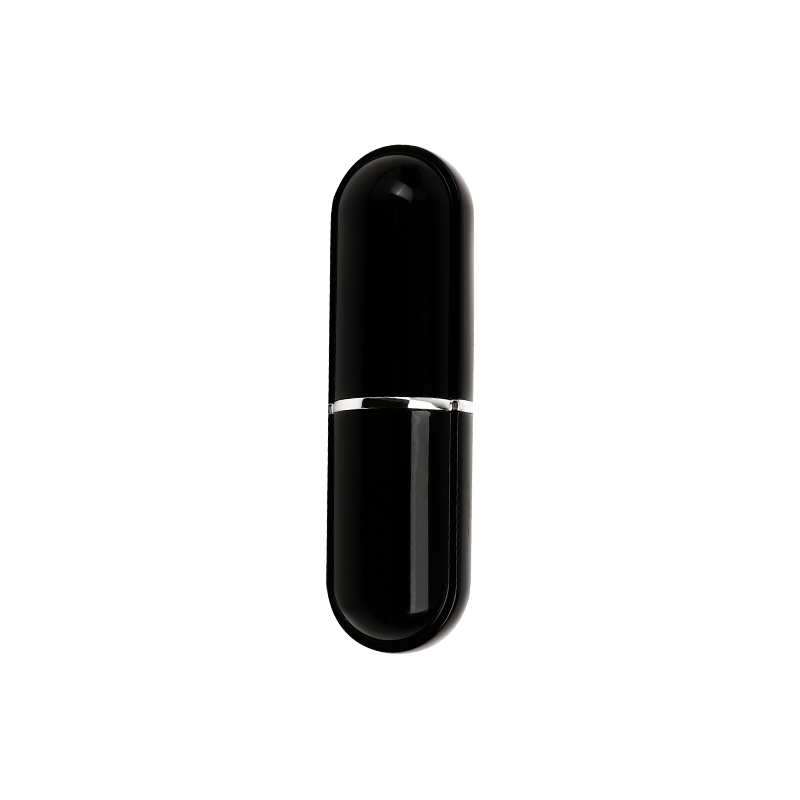
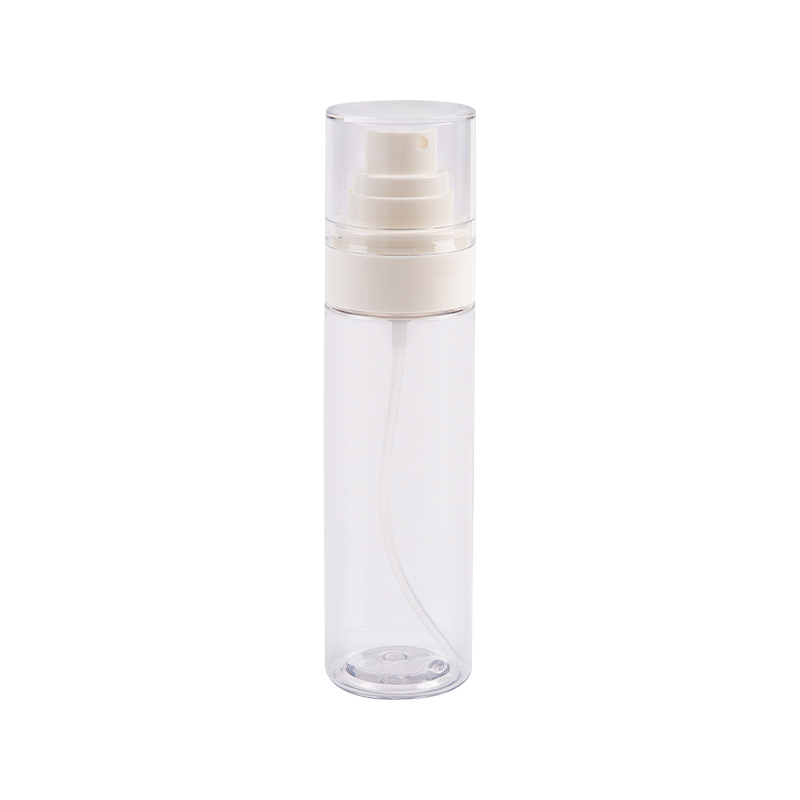
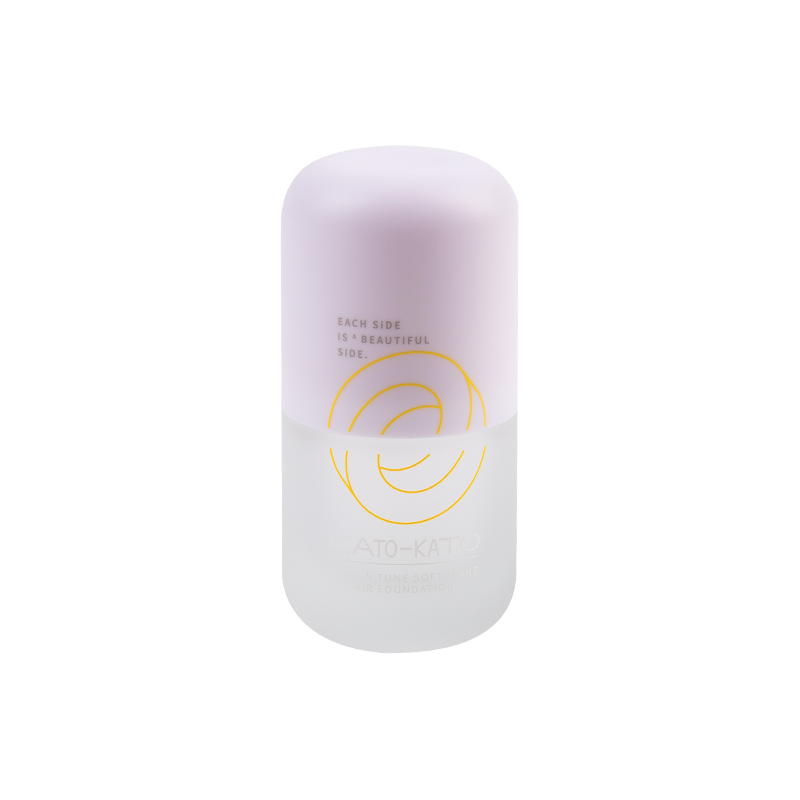
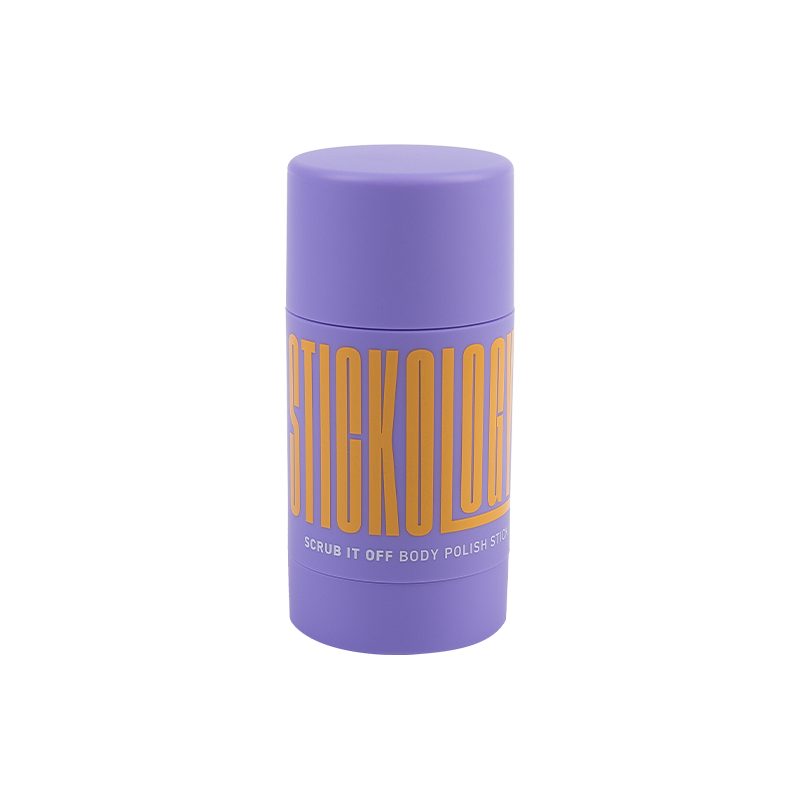
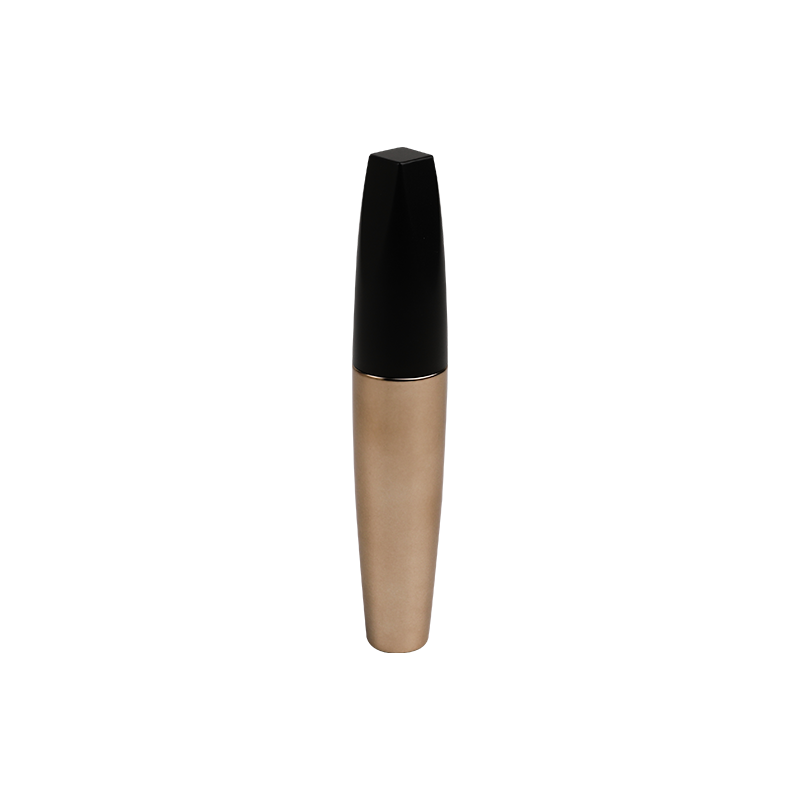
Modern mascara tubes come in a huge variety of shapes, materials, and sizes — from slim, travel-friendly cylinders to chunky, ergonomic barrels designed for easier grip. Cosmetic brands invest heavily in mascara tube packaging design because the tube isn't just about aesthetics. It also directly affects formula preservation, wand loading, and the overall application experience.
How the Mascara Tube Design Affects Your Application
Most people focus on the brush or the formula when shopping for mascara, but the tube design plays an equally important role. The internal structure of the mascara tube determines how much product gets deposited on the wand each time you pull it out, which directly impacts whether your lashes look defined or clumpy.
The Wiper (The Unsung Hero)
Inside the opening of every mascara tube sits a small rubber or silicone piece called the wiper or gasket. This component scrapes excess formula off the wand as you pull it out. A tighter wiper leaves a thinner coat on the wand, giving you more precision; a looser one loads up more product, which can build volume faster but also increases the risk of clumping. Over time, the wiper can degrade or become clogged with dried mascara, which is one of the main reasons tubes should be replaced regularly.
Tube Width and Shape
The diameter of the mascara tube affects how much formula the wand picks up. Narrow tubes keep the wand in close contact with the product for consistent loading. Wider barrels allow the brush to be fully submerged, which can be useful for very thick, volumizing formulas. Some luxury mascara tubes feature curved or flat shapes that are easier to handle and offer more control during application.
Types of Mascara Wands and What They Do
The wand attached to the mascara tube cap is what actually touches your lashes, and different wand shapes are engineered to achieve different results. Here's a breakdown of the most common types:
| Wand Type |
Best For |
Ideal Lash Type |
| Curved Brush |
Lifting and curling |
Straight or downward-pointing lashes |
| Ball-Tipped Wand |
Lower lash definition |
Short or sparse lower lashes |
| Tapered Brush |
Precision and definition |
Fine or thin lashes |
| Thick Hourglass Brush |
Maximum volume |
All lash types |
| Comb Wand |
Separating and lengthening |
Thick or clump-prone lashes |
When shopping for a new mascara, it's worth paying attention to the wand shape printed on the box or shown in product images. The best mascara tube for you is one where the wand complements your natural lash texture and the look you're going for.
Tubing Mascara vs. Traditional Mascara Tubes: What's the Difference?
You might have heard the term "tubing mascara" and wondered if it means the same thing as a mascara tube. It doesn't — they're actually two different things. A mascara tube is the physical container; tubing mascara refers to a specific formula type that wraps tiny polymer tubes around each individual lash, rather than coating them with a film-forming formula like traditional mascaras do.
Tubing mascara has become very popular because it's smudge-proof, flake-proof, and removes cleanly with warm water without the need for an oil-based remover. However, it still comes packaged in a standard mascara tube container, just like any other mascara. The key difference is in the chemistry of the formula inside, not the tube itself.
If you have watery eyes, wear contact lenses, or struggle with mascara that ends up under your eyes by midday, a tubing formula in a standard mascara tube is worth trying.
How to Make Your Mascara Tube Last Longer
Mascara has one of the shortest shelf lives of any cosmetic product — typically three months once opened. But how you handle the mascara tube makes a big difference in how quickly the formula dries out and how well it performs. Here are practical habits that genuinely help:
- Never pump the wand. Pumping the wand in and out of the mascara tube pushes air into the barrel, which dries out the formula much faster and introduces bacteria. Instead, swirl the wand inside the tube to load product.
- Store it upright. Keeping your mascara tube upright (cap up) prevents the formula from pooling at the wand end and degrading the wiper seal. Storing it horizontally in a makeup bag can cause leaking and uneven product distribution.
- Close the cap tightly every time. Air is the enemy of mascara. A loosely capped mascara tube lets oxygen in, causing the formula to dry out and thicken prematurely. Always twist the cap fully closed immediately after use.
- Avoid adding water or saline. This is a common hack but a bad idea. Adding liquid to a mascara tube dilutes the formula, breaks down the preservatives, and creates a perfect environment for bacterial growth near your eyes.
- Keep it away from heat. Storing mascara tubes near radiators, in sunlit windowsills, or in hot cars causes the formula to separate and the tube material to warp. Room temperature is ideal.
When to Replace Your Mascara Tube
The general guideline is to replace your mascara tube every three months after opening, and this isn't just a marketing tactic by cosmetic brands — there's a real hygiene reason behind it. Every time you use the wand and re-insert it into the tube, you introduce microorganisms from your eye area into the product. Over time, those bacteria can multiply, especially once the formula's preservatives break down.
Beyond the three-month rule, there are clear signs that it's time to toss a mascara tube regardless of how long you've had it:
- The formula has become dry, flaky, or clumps heavily on the wand even before application.
- There's an unusual or sour smell coming from the tube — this is a sign of bacterial contamination.
- You've had any kind of eye infection (stye, pink eye, blepharitis) — in this case, throw it out immediately and replace it after you've fully recovered.
- The wand has visibly degraded, with bristles splaying out or clumping together permanently.
- The product is applying unevenly or leaving chunky deposits on your lashes despite proper wand technique.
Using a contaminated mascara tube is one of the most common causes of preventable eye infections in adults. If you're on the fence, err on the side of replacing it.
How to Clean a Mascara Tube for Reuse
Once you've finished a mascara, the empty tube and wand are actually quite useful — especially for DIY beauty, applying brow gel, or using with homemade lash serums. Cleaning a mascara tube properly is straightforward:
- Soak the wand in micellar water or a gentle makeup remover for several minutes to loosen dried formula from the bristles.
- Rinse the barrel with warm water, then fill it with a small amount of rubbing alcohol and swirl to sanitize the interior. Tip it out and let it air dry completely with the cap off.
- Scrub the wand with a gentle soap and rinse until the water runs clear, then let it dry lying flat on a clean towel.
- Only refill with appropriate products — mascara tubes that have been thoroughly cleaned can be refilled with products like castor oil lash serums, but should never be filled with a new mascara formula, as it's impossible to fully sterilize a used tube to safe cosmetic standards.
Cleaned mascara wands are also widely donated to wildlife rehabilitation centers, where they're used to gently remove fly eggs and larvae from animal fur — a surprisingly popular and impactful second life for an otherwise single-use product.
Choosing the Right Mascara Tube for Your Needs
With so many options on the market, picking the right mascara tube means knowing what you actually want from the product. Here's a practical guide:
For Volume
Look for a mascara tube with a wide-barrel brush and a slightly looser wiper so more product loads onto the wand per stroke. Formulas marketed as "volumizing" are typically thicker and more pigmented, and the tube tends to have a wider opening to accommodate the bulkier brush head.
For Length
Lengthening mascaras usually come in tubes with a thin, tapered wand and a tighter wiper that coats bristles evenly without overloading them. A lighter, more liquid formula inside the tube ensures bristles can separate lashes cleanly and extend each one.
For Sensitive Eyes or Contact Lens Wearers
Opt for a smaller mascara tube with a tubing formula or one labeled ophthalmologist-tested. A tube with a comb-style wand minimizes the risk of product fallout into the eyes, and a fragrance-free formula is less likely to cause irritation.
For Travel
Mini mascara tubes — often 3–4 ml rather than the standard 8–10 ml — are great for fitting into carry-on liquids bags and also reduce waste since you're more likely to finish a smaller tube within the recommended three-month window. Many full-size brands offer their bestsellers in travel-sized mascara tubes.
Eco-Friendly and Refillable Mascara Tubes: The Future of Mascara Packaging
Mascara tubes are notoriously difficult to recycle because they combine multiple materials — plastic, rubber, and sometimes metal — in a small, hard-to-disassemble package. The beauty industry has started taking this seriously, with several brands introducing refillable mascara tube systems and mono-material packaging designed to make recycling easier.
Refillable mascara tubes work by allowing you to keep the outer barrel and wiper system and simply replace the inner cartridge that holds the formula and wand. This reduces plastic waste by up to 70% compared to buying a new full tube each time. Brands like Kjaer Weis and a growing number of indie cosmetic companies now offer this format, though it hasn't yet become mainstream.
If sustainability matters to you, look for mascara tubes made with post-consumer recycled (PCR) plastic, or brands that partner with cosmetic recycling programs like TerraCycle's Loop, which accepts empty mascara tubes that regular curbside recycling can't process.



 中文简体
中文简体